
Journal
Recovery, explained by North Shore physiotherapists.
Clinical notes written by the physiotherapists, RMTs, and osteopaths at our North Vancouver clinic. You get the actual reasoning from the people who treat sport injuries, ICBC crash patients, and workplace rehab cases every week.
We cover rehab frameworks (why PEACE & LOVE replaced RICE, what criteria-based return to sport actually measures), treatment modalities (high-power laser, IMS), and the decisions patients face when choosing care in BC: physiotherapy vs chiropractic, physio vs RMT, physio vs manual osteopathy. Every post is written at a reading level that respects the patient's intelligence and cites the clinical literature it draws from.
 Running
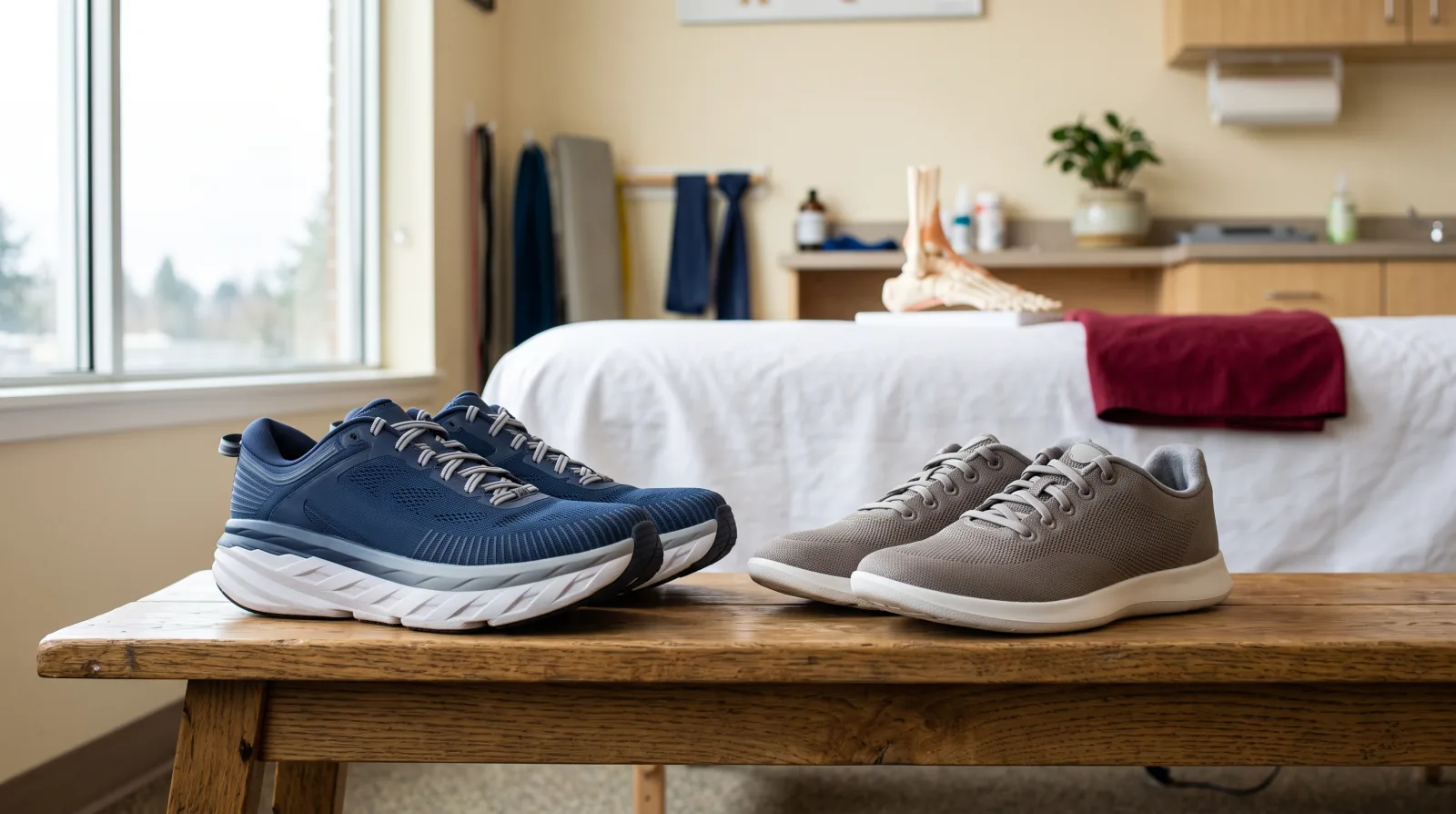
Running Shoes and Injury Prevention: What the Evidence Actually Supports
A lot of running shoe advice sounds more certain than the evidence behind it. Here is what cushioning, drop, and pronation-matched shoes are actually shown to do.
READ Conditions
Texting Thumb: Why Phone Use Loads the Thumb Joint More Than You Think
Your phone does not weigh much, but your thumb holds an awkward position to use it thousands of times a day. That repetition is enough to cause real pain.
READ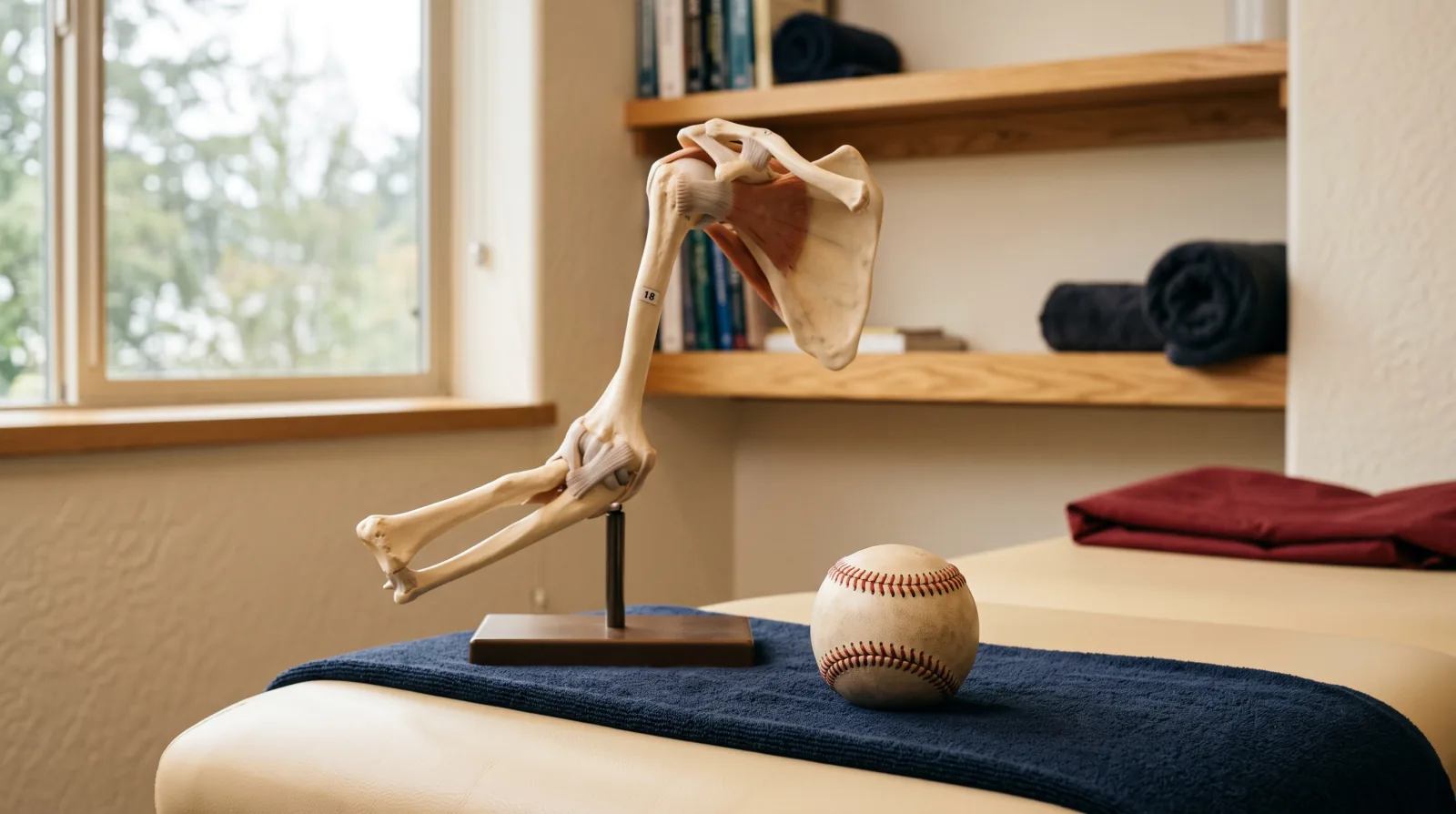 Return to Sport
The Throwing Shoulder and Elbow: Why Pitchers Get Hurt and What Actually Prevents It
A pitcher's arm absorbs enormous force with every throw. Here is what that load does to the shoulder and elbow, and what the evidence says actually reduces injury.
READ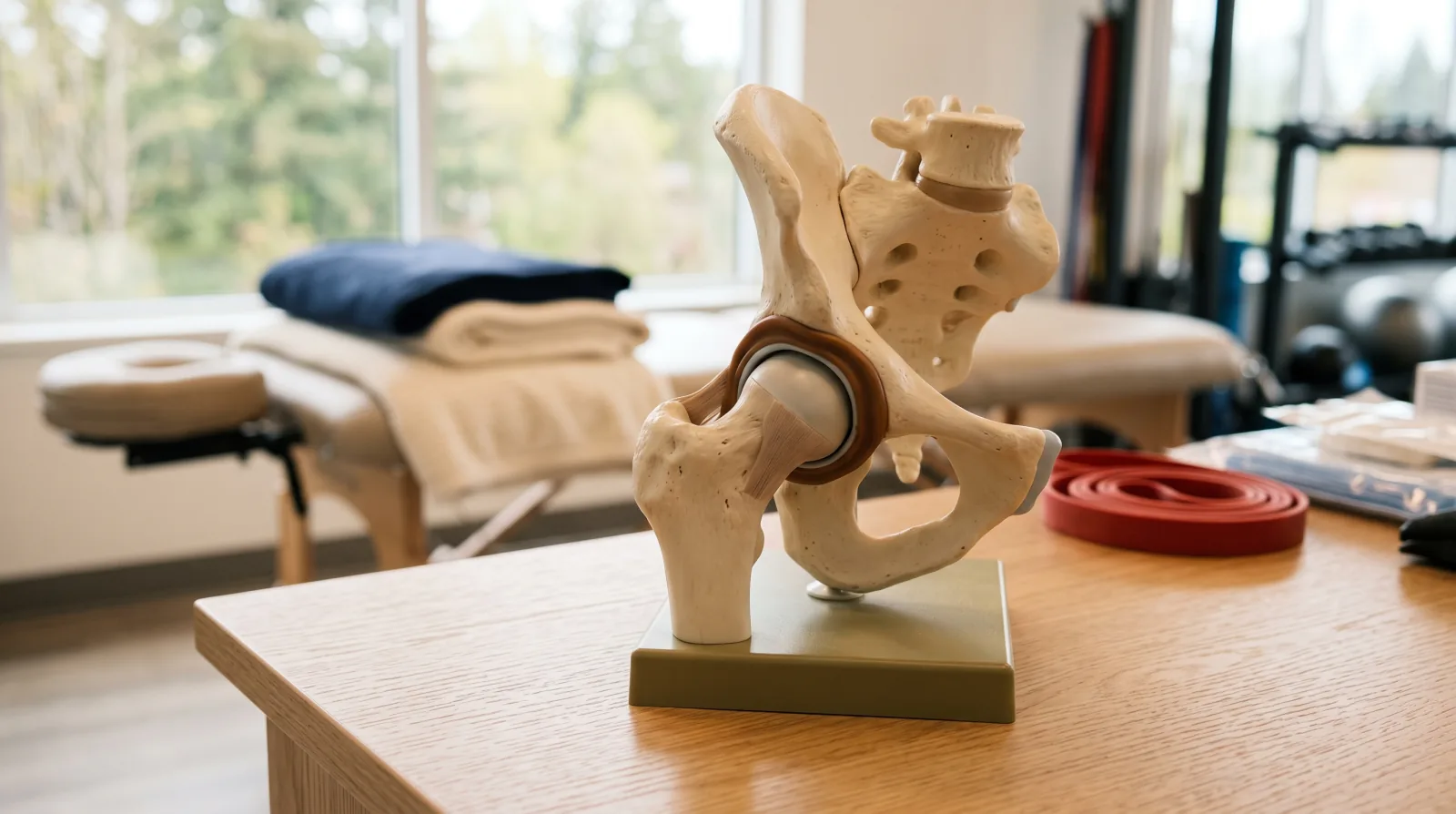 Hip
HipHip Labral Tear or FAI? Why the Two Diagnoses Get Used Like Synonyms
A hip report can list both a labral tear and FAI on the same line, and patients often walk away thinking they are two names for one problem. They are not, and the difference changes what a treatment conversation should cover.
READ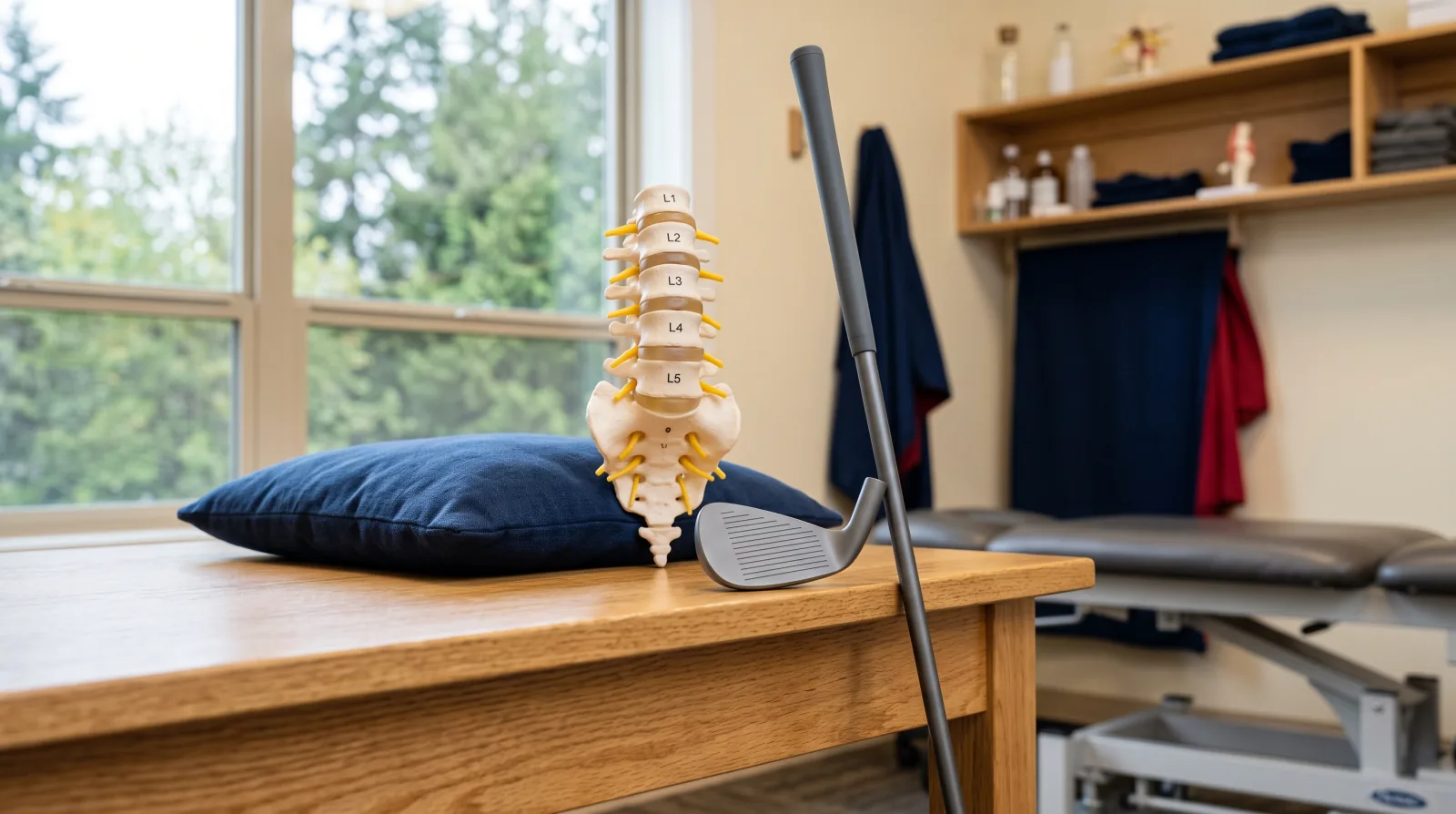 Return to Sport
The Golf Swing and Low Back Pain: Why the Lower Back Takes the Load
The low back does more work in a golf swing than most players realize. Here is what the swing asks of the lumbar spine, and why load management beats a quick stretch.
READ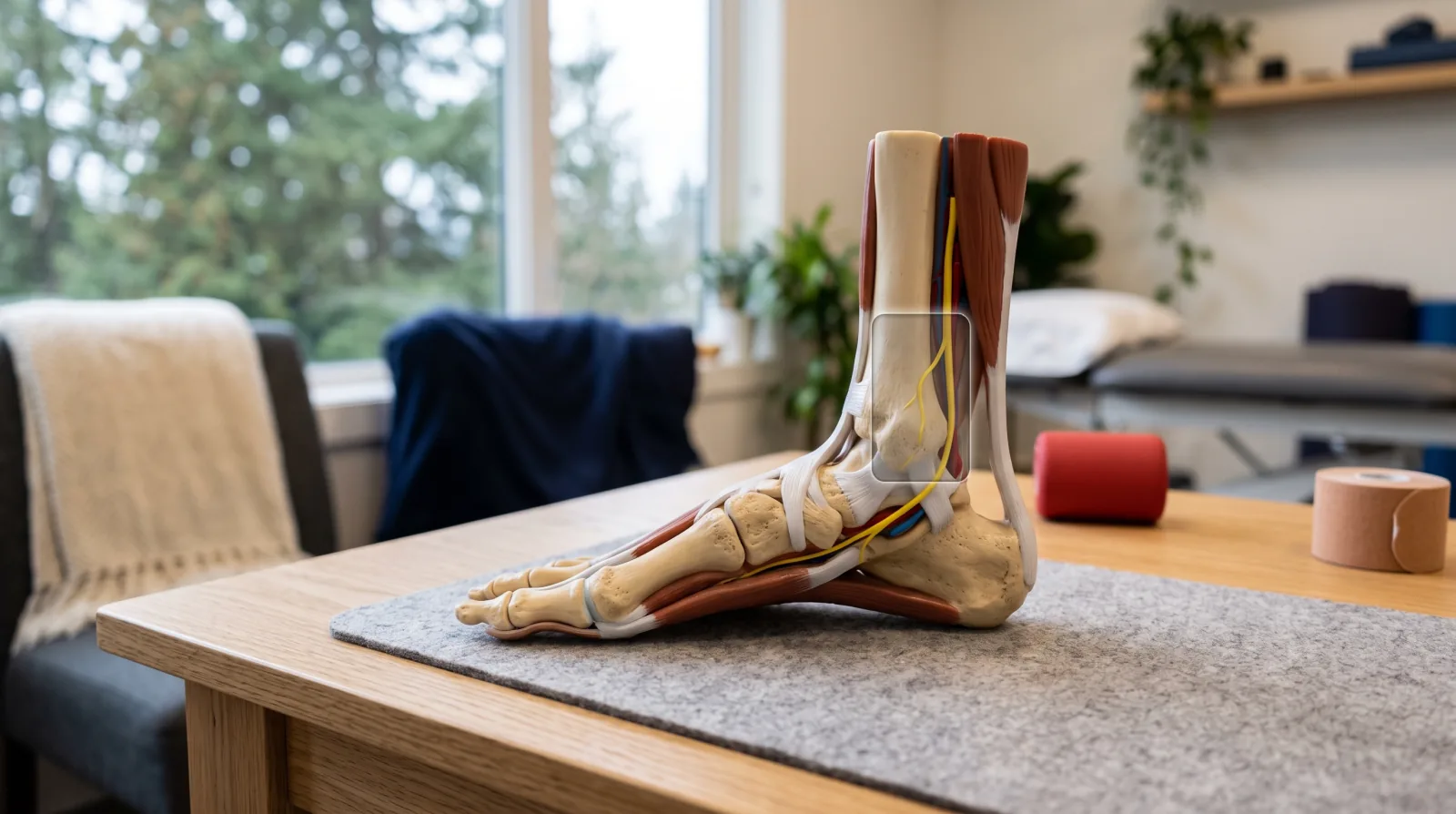 Ankle and Foot
Tarsal Tunnel Syndrome: Why the Bottom of Your Foot Goes Numb
Heel pain gets blamed on plantar fasciitis by default. When the sole burns, tingles, or goes numb instead, the source is often a squeezed nerve at the ankle, not the fascia.
READ Shoulder
Does Sleeping on Your Side Cause Shoulder Pain?
Almost everyone with shoulder pain says it is worse at night. Working out whether the sleeping position caused it is much harder than it sounds.
READ Rehab Frameworks
Nerve Glides: What They Actually Do, and What They Do Not
Nerves are meant to move. When they stop moving well through the tissues around them, a specific set of exercises can help restore that.
READ Running
Leg Pain at the Same Point in Every Run: Exertional Compartment Syndrome
Some running leg pain arrives on a schedule. Same point in every run, gone within minutes of stopping. That predictability is the diagnostic clue.
READ Conditions
Hallux Rigidus: The Stiff Big Toe That Changes How You Walk
A big toe that will not bend upward changes every step you take. Most people can manage it without an operation, if the right things are changed early.
READ Shoulder
Calcific Tendinitis: The Shoulder Pain That Arrives Overnight
Some shoulders go from fine to barely usable in a day or two, with no injury to explain it. A calcium deposit in the tendon is one of the reasons.
READ Rehab Frameworks
Strength Training During Rehab: Five Myths Worth Retiring
Lifting during recovery still carries old warnings that the research has moved past. Here is what the evidence says, including for children and teenagers.
READ Patient Education
Most People Skip Their Home Exercises. That Is a Design Problem.
Between 30 and 50 percent of people do not follow their home exercise program. The reasons are well documented, and almost none of them are about willpower.
READ Treatment Modalities
What Hands-On Treatment Actually Does: An Honest Look at Manual Therapy
Hands-on treatment often feels like something was put back in place. A 2025 review of 62 reviews suggests the real effect happens in the nervous system instead.
READ Choosing Care
Telehealth Physiotherapy: What It Does Well, and Where In-Person Wins
Video physiotherapy matched in-person care on most measured outcomes in a review of 1,400 patients. One outcome came out differently, and it changes when to use it.
READ Rehab Frameworks
Hypertrophy vs Strength in Rehab: Why Light Loads Still Build Muscle
A sore joint often cannot take heavy weight. That does not stop you from rebuilding muscle size, as long as the sets are taken close enough to failure.
READ Running
Returning to Running After Time Off: The 10% Rule Failed Its One Test
The 10% rule is the most repeated piece of running advice there is. When researchers actually tested it in a randomised trial, the injury rate did not budge.
READ Treatment Modalities
Massage Guns: What the Research Says They Do, and What They Do Not
Massage guns do something measurable, and it is smaller and more specific than the marketing suggests. There is also a list of people who should not use one.
READ Rehab Frameworks
Eccentric or Heavy Slow Resistance? Same Result, a Third of the Time
Two loading programmes for the same tendon problem produced the same result at one year. One asked for five hours a week, the other for under two.
READ Tendinopathy
Isometrics for Tendon Pain: What Happened After the First Study
One small study made isometric holds famous as an instant switch for tendon pain. The follow-up work told a quieter story, and it changes how you should use them.
READ Conditions
Tailbone Pain: Why Sitting Is the Problem
Tailbone pain has a simple anatomical explanation. When you sit, the coccyx becomes one of three points carrying your body weight.
READ Pain
PainWhy One Test Cannot Diagnose SI Joint Pain
One positive sacroiliac test proves very little. The accuracy only becomes useful once several tests agree, and there is research explaining exactly why.
READ Pain
PainFacet Joint Pain or Disc Pain? Two Back Problems That Behave in Opposite Ways
Two people describe low back pain in the same words. One feels better sitting down. The other cannot wait to stand up. That difference points at two different structures.
READ Healthy Aging
Why You Can Walk Less Than You Used To: Spinal Stenosis and the Shopping Cart Sign
Leaning on a shopping cart makes the walk easier. That single detail tells a clinician more about your back than most scans do.
READ Knee
KneePlica Syndrome: When a Normal Fold in the Knee Starts Causing Trouble
Most knees click. A small number of them click because a normal fold of tissue inside the joint has become thickened and is catching.
READ Knee
KneeThe Lump Behind Your Knee: What a Baker's Cyst Is Telling You
A soft lump behind the knee is rarely the real problem. In adults it is usually a signal that something inside the joint is producing extra fluid.
READ Ankle
AnkleOuter Ankle Pain That Is Not a Sprain: The Peroneal Tendons
The outside of the ankle gets sprained so often that every ache there gets the same label. Two tendons run behind that bone, and they have their own set of problems.
READ Shoulder
Pain at the Front of the Shoulder: The Biceps Tendon Nobody Suspects
The biceps tendon runs through a groove at the front of the shoulder. When it is irritated there, the ache travels down the arm and gets blamed on everything else.
READ Shoulder
Separated Shoulder: What an AC Joint Sprain Is and What the Grades Mean
A separated shoulder happens at the small joint on top of the shoulder where the collarbone meets the acromion. It is a different injury from a dislocated shoulder, and the grade decides almost everything.
READ Shoulder
Scapular Dyskinesis: What Your Shoulder Blade Does, and Whether It Matters
A shoulder blade that moves oddly is a common finding, including in athletes with no pain at all. Whether it explains a painful shoulder is judged one person at a time.
READ Return to Sport
Groin Pain in Hockey Players: The Strength Ratio That Predicts It
Elite hockey players whose adductor strength drops to 80 percent of their abductor strength carry a 17 times higher risk of groin injury. That ratio is measurable before anything hurts.
READ Tendinopathy
Above the Kneecap or Below It? Quadriceps vs Patellar Tendinopathy
Two tendons attach to the kneecap, one above and one below. Which one hurts changes the exercises, because they are not loaded in the same knee positions.
READ Conditions
Arm Symptoms That Start at the Collarbone: Thoracic Outlet Syndrome
Hand weakness and vague arm pain often get investigated at the wrist. Sometimes the pressure is much higher up, in the gap between the collarbone and the first rib.
READ Hip
HipSnapping Hip: What Is Actually Clicking, and When It Matters
A hip that clicks with every stride worries most people. The structure making the noise is usually a tendon sliding over bone, and most of the time it does not hurt.
READ Conditions
Turf Toe or Sesamoiditis? Two Different Problems Under the Same Joint
Pain at the base of the big toe splits into two very different stories. One arrives in a single moment. The other builds over weeks.
READ Conditions
Numb Ring and Little Fingers: The Nerve Problem That Starts at the Elbow
Numbness in the last two fingers usually gets blamed on the hand. The nerve responsible is often being squeezed much further up, at the inside of the elbow.
READ Wrist
WristSkier's Thumb: The Fall That Needs Checking Before the Season Starts
A thumb jammed in a ski pole strap gets treated as a sprain that will settle. Sometimes it is, and sometimes the ligament has folded into a position where it cannot heal on its own.
READ Conditions
Burning Pain in the Ball of Your Foot: Morton's Neuroma or Something Else?
Pain in the ball of the foot has half a dozen possible causes that feel similar to stand in. The burning, electric one that shoots into the toes narrows it considerably.
READ Healthy Aging
Falls Are Not Just Bad Luck: What Balance Training Actually Changes
A near-miss on the stairs gets remembered as clumsiness. Most of the time it is a strength and balance problem, which means it is a problem with a plan attached.
READ Conditions
Tight Hip Flexors or a Strained One? Why Stretching Sometimes Makes It Worse
A hip flexor that feels tight and a hip flexor that is injured can feel identical to the person standing in it. The treatment for one makes the other worse.
READ Return to Sport
Rib Pain in Rowers and Paddlers: When an Ache Is a Stress Injury
Rib pain in a rower gets blamed on a strained muscle far more often than it should. Some of it is bone, and bone behaves differently.
READ Tendinopathy
The Arch That Slowly Flattens: Tibialis Posterior Tendinopathy
Pain on the inside of the ankle that comes with an arch quietly dropping is one of the few foot problems where waiting genuinely costs you something.
READ Recovery
After a Knee Replacement: What Rehab Actually Looks Like Month by Month
The surgery replaces the joint. It does not replace the muscle that moves it. That is the part rehab has to rebuild, and it is the part that decides how the knee feels a year later.
READ Youth
YouthSleep and Injury Risk in Young Athletes: What the School Year Changes
Adolescent athletes who chronically sleep poorly are more likely to get hurt. School restart is the moment their sleep usually drops, and their training load usually rises.
READ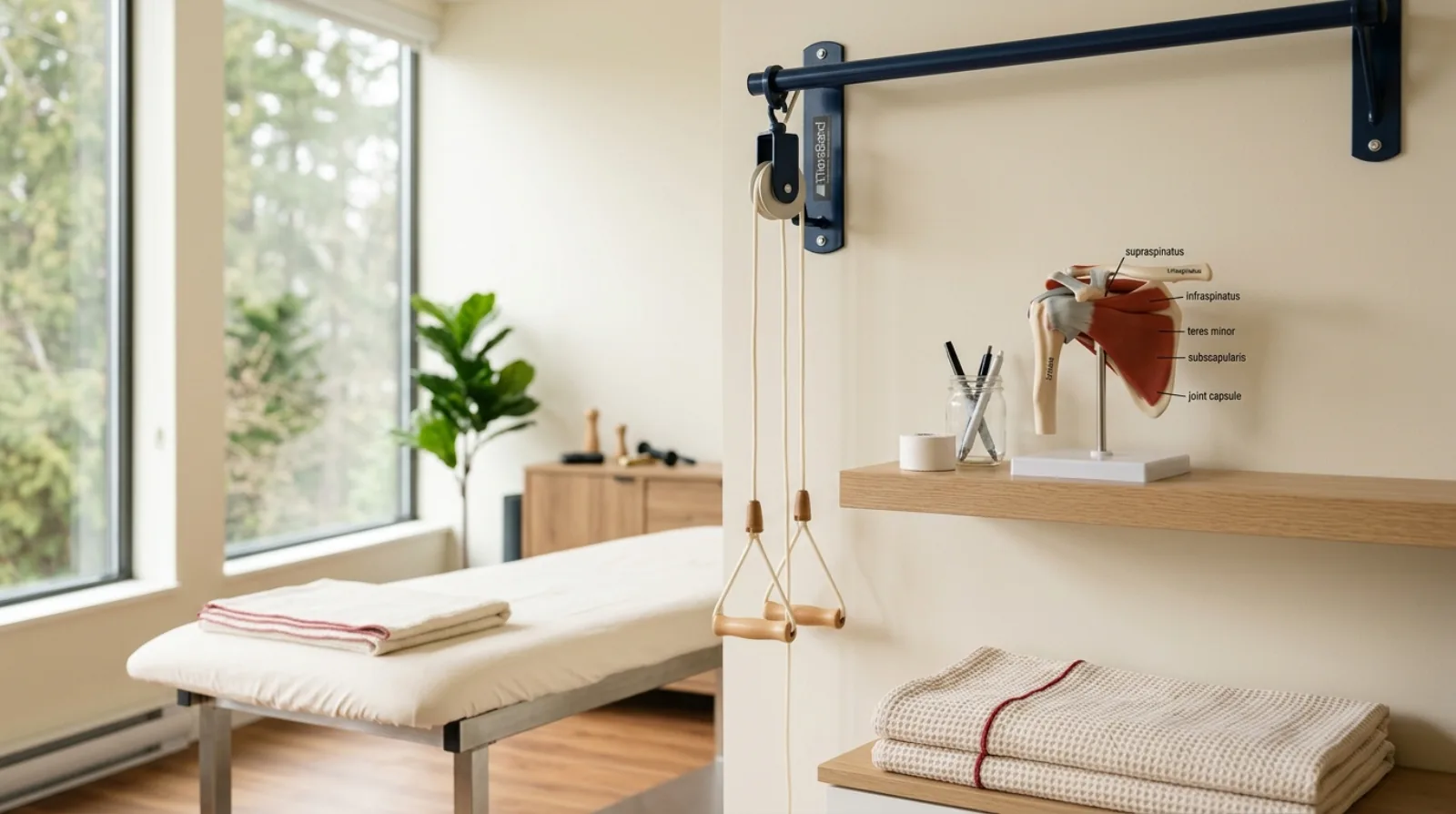 Shoulder
Frozen Shoulder and Diabetes: Why the Link Exists and What It Means for Recovery
Frozen shoulder is several times more common in people with diabetes, and it can be slower to settle. Here is why the link exists and what it changes about the plan.
READ Pain
PainPiriformis Syndrome or True Sciatica? Why the Label Is Debated and What It Changes
Buttock pain that shoots down the leg gets called piriformis syndrome or sciatica, sometimes both. Here is how they differ, why the piriformis label is argued over, and why the treatment often overlaps anyway.
READ Wrist
WristSnowboarding and Broken Wrists: Why Beginners Are at Risk and What Wrist Guards Do
A fall on an outstretched hand is the classic snowboard injury, and the first season is the riskiest. Here is why beginners break wrists, what wrist guards actually do, and how rehab goes after a distal radius fracture.
READ Youth
YouthGrowth Plate Injuries in Young Athletes: When to See a Physio, and When It's the ER
A growth plate injury is not the same as an adult sprain, and it is not always obvious from the outside. Here is how to tell the difference and what happens after the cast comes off.
READ Youth
YouthSport Specialisation and Overuse Injury: How Physio Helps Young Athletes Stay in the Game
Playing one sport year-round is common in North Shore youth sport, and it comes with a measurable overuse-injury cost. Here is what the research actually shows and how to manage the load.
READ Wrist
WristWrist Pain in Yoga: Why Planks and Down Dog Hurt, and How to Load Back In
Planks, down dog, and arm balances put your body weight through a wrist bent back near 90 degrees. Here is why it gets sore and how to build tolerance instead of just avoiding it.
READ Pain
PainNight Shift and a Sore Back: Why It Happens and a Plan That Fits the Schedule
Nurses, security staff, and warehouse workers on nights often carry more back and neck pain than they expect. Poor sleep and long held postures both feed it, and the fix works around the shift rather than against it.
READ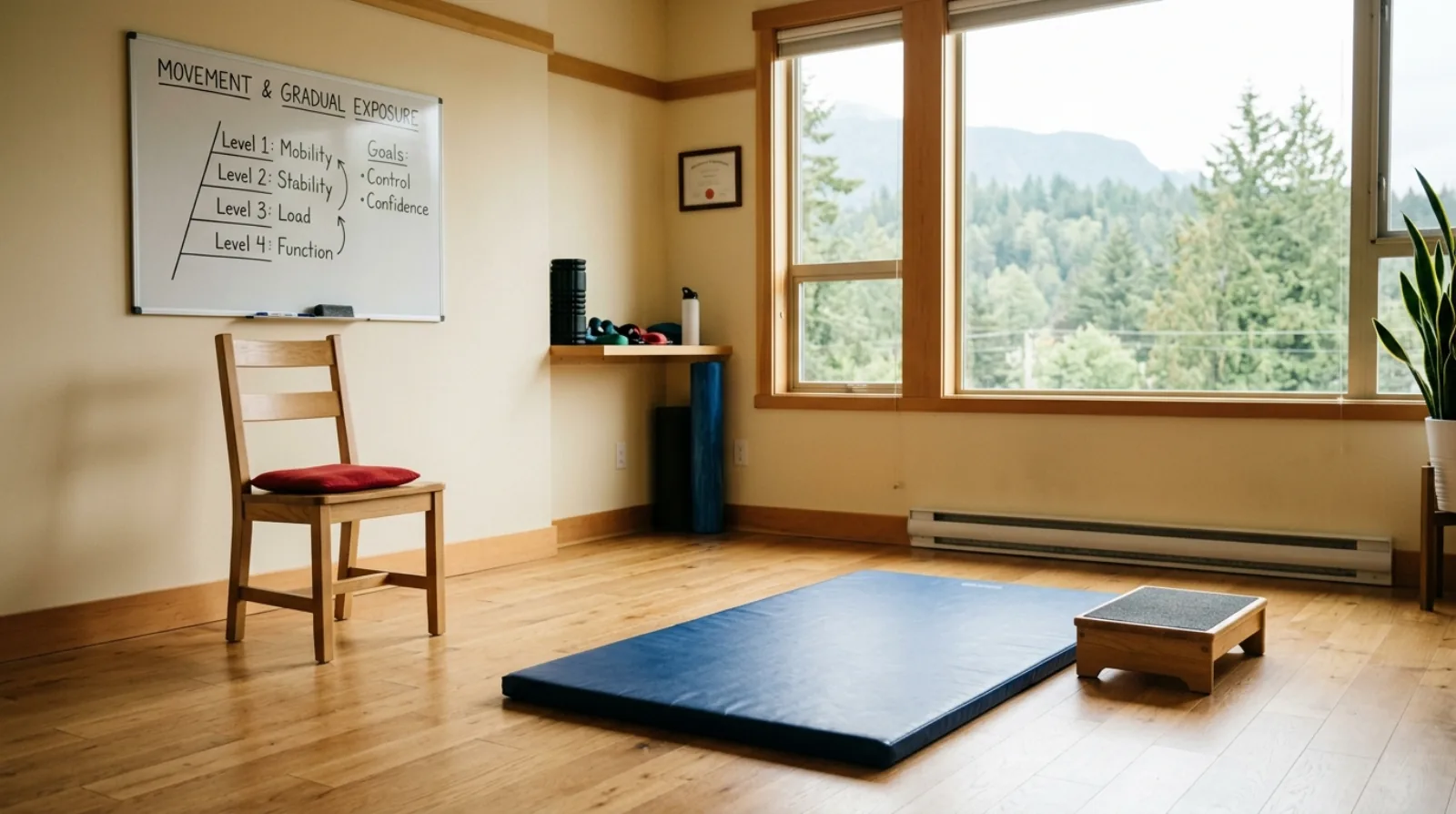 Pain
PainGraded Exposure for Persistent Pain: Meeting Feared Movements a Little at a Time
When pain sticks around, the movements you fear most often become the ones you avoid most. Graded exposure is the careful way back to them, and it can lower both fear and pain.
READ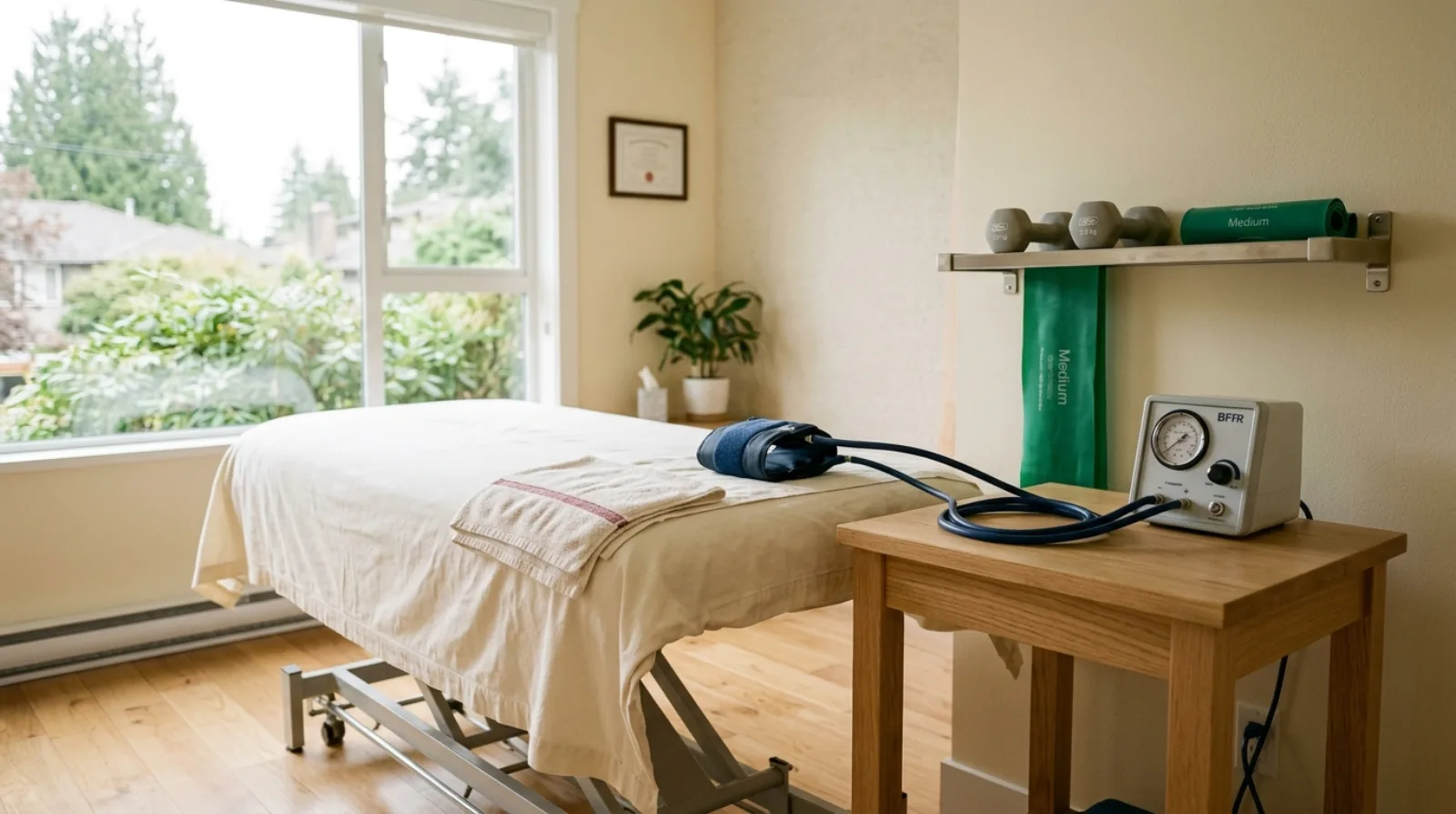 Recovery
Blood Flow Restriction Training: Building Strength at Low Loads After Injury
After surgery or a bad injury, you often cannot lift heavy yet. Blood flow restriction training is a way to build strength with light weights, and here is how it works and who it suits.
READ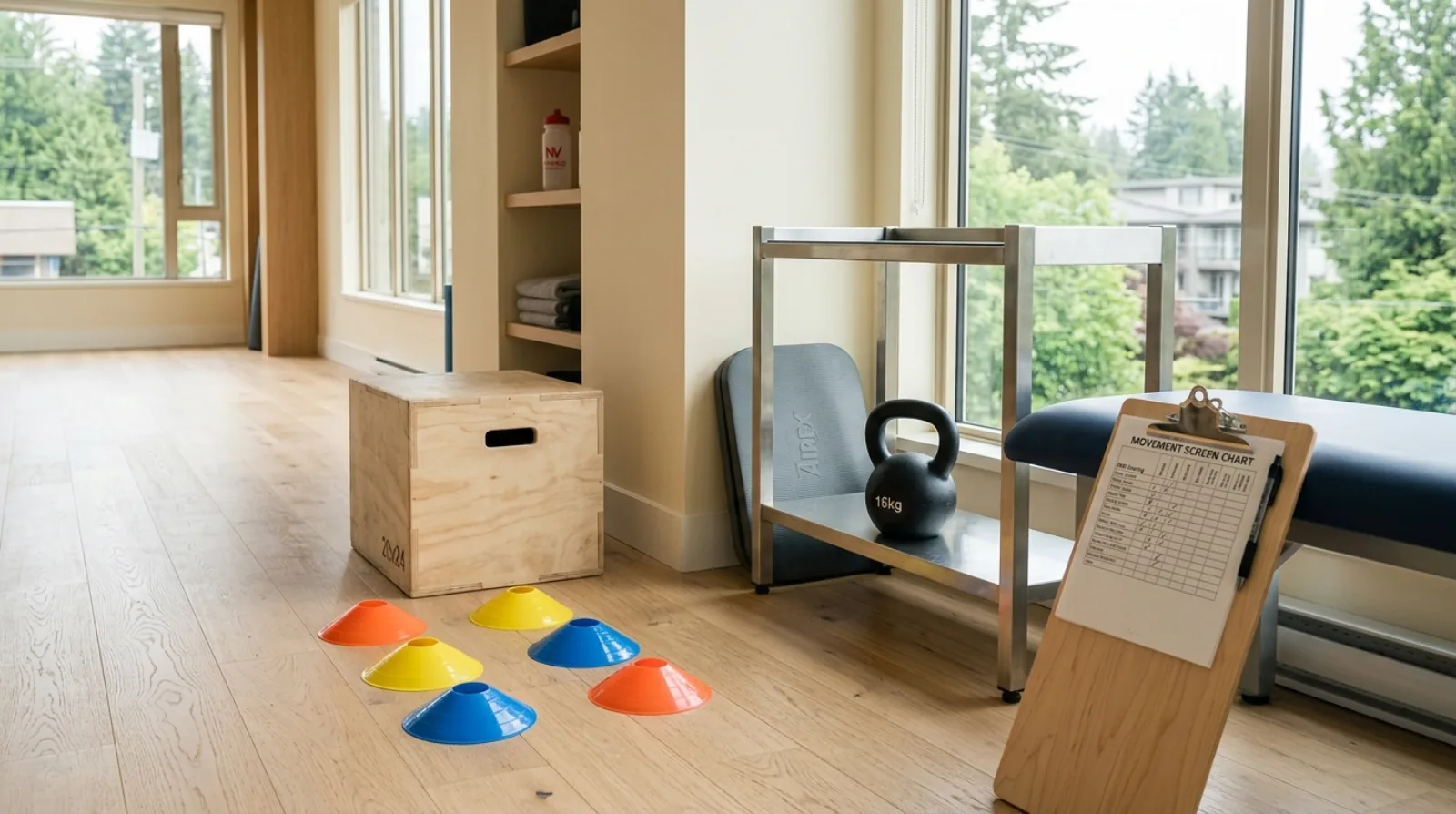 Recovery
Pre-Season Conditioning: How to Build Up Without Getting Hurt
Most fall-sport injuries do not come from bad luck. They come from doing too much too soon after an off-season of doing too little. Here is how to build up the safer way.
READ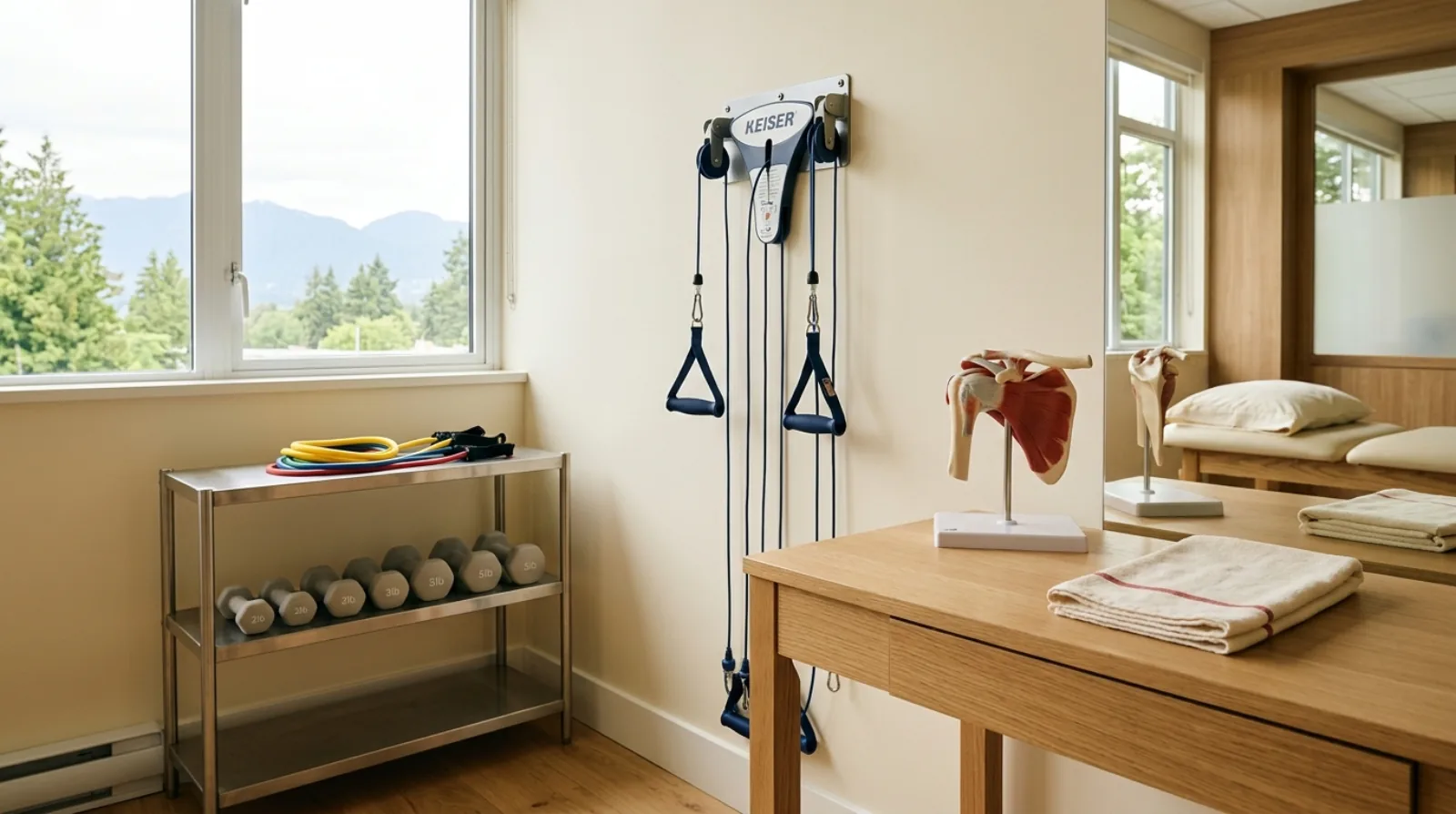 Shoulder
Back on the Ice: Returning to Hockey After a Shoulder Injury
A shoulder dislocation on the ice does not just heal on a calendar. Here is how staged criteria, not the date on your phone, decide when you are ready for contact again.
READ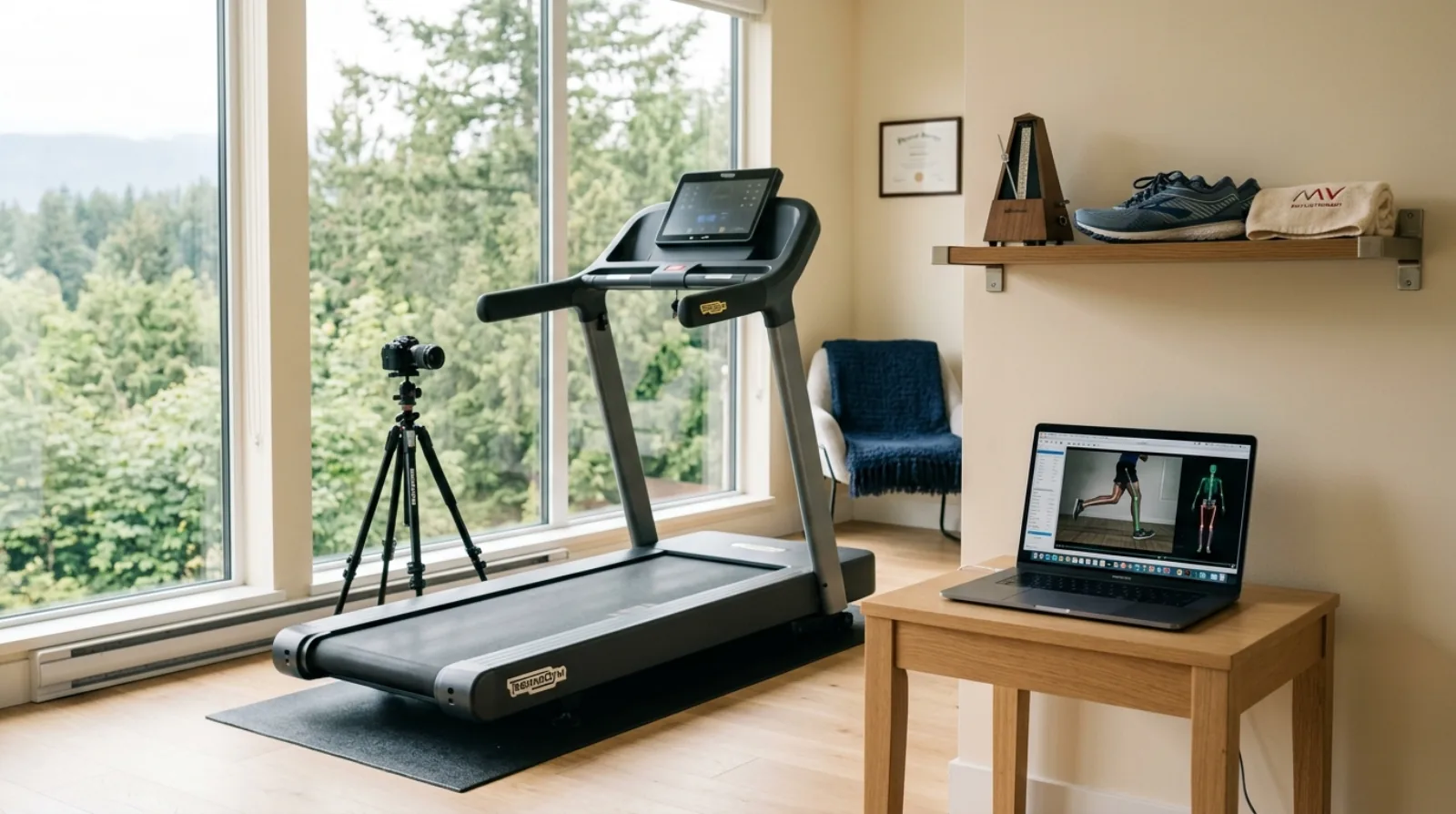 Running
Running Cadence and Injury: What Step Rate Really Does, and the 180 Myth
You have probably heard you should run at 180 steps per minute. That number is mostly a myth, but a small change in your cadence can still lower the load on sore knees and shins.
READ Recovery
Deadlifts and Your Back: Why Load Matters More Than a Perfectly Straight Spine
The fear that a slightly rounded back while deadlifting will wreck your spine is deeper than the evidence supports. The bigger factor is how you manage load.
READ Conditions
Neck Pain and Sleep: Does Your Pillow and Sleep Position Really Matter?
People spend a lot of money chasing the perfect pillow for a sore neck. The evidence is thinner than the marketing suggests. Here is what actually helps.
READ Pain
PainAcute Low Back Pain: What to Do in the First 72 Hours of a Flare
A sudden back flare feels alarming, and the instinct is to lie down and wait it out. That is usually the wrong move. Here is what to do in the first three days.
READ Ankle
AnkleChronic Ankle Instability: Why Your Ankle Keeps Giving Way and What Finally Stops It
Once an ankle has sprained a few times it can start giving way on flat ground for no reason. The fix is usually not more rest. It is retraining balance and control.
READ Hip
HipLateral Hip Pain: Is It Bursitis or Gluteal Tendinopathy? Why the Tendon Is Usually the Real Story
Pain on the outer hip gets labelled bursitis, but scans keep showing the tendon is the problem, not the sac. That changes how you should treat it.
READ Knee
KneeDegenerative Meniscus Change or a Traumatic Tear? Why the Type Decides the Plan
Two knees, two different meniscus problems. One is gradual wear that responds to exercise. The other is a sudden injury that sometimes needs surgery. The type decides the plan.
READ Headache
Tension-Type Headache or Migraine? How to Tell Them Apart
A pressing band around the head and a pounding one-sided headache with nausea are usually two different problems. Knowing which you have changes what actually helps.
READ Pregnancy
Diastasis Recti After Birth: Why the Gap Number Matters Less Than Function
The gap between your tummy muscles after birth is common and often improves on its own. What matters more than the number of finger-widths is how well your core actually works.
READ Pregnancy
Pelvic Girdle Pain in Pregnancy: What Helps and What Is Safe
Pain at the front or back of the pelvis in pregnancy is common and not something you have to just put up with. Movement, support, and small daily changes usually help.
READ Youth
YouthOsgood-Schlatter: Knee Pain Below the Kneecap in Growing Teens
A sore bump below the kneecap in an active teenager is usually Osgood-Schlatter. It is common, it settles with growth, and the aim is to keep sport going, not stop it.
READ Youth
YouthHeel Pain in Active Kids: What Sever's Disease Is and Why It Settles
Your active child limps after sport and complains their heel hurts. It is often Sever's disease, and the reassuring part is that it settles as they grow.
READ Wrist
WristCarpal Tunnel Syndrome: What Helps Before You Think About Surgery
Waking with numb, tingling fingers is the classic sign of carpal tunnel syndrome. For many people the first steps are simple, and surgery is not the starting point.
READ Wrist
WristThat Pop in Your Finger: Climbing Pulley Injuries and How They Heal
You crimped hard, felt a pop in your finger, and now it is swollen. Here is what a climbing pulley injury is, how the grades differ, and how it actually heals.
READ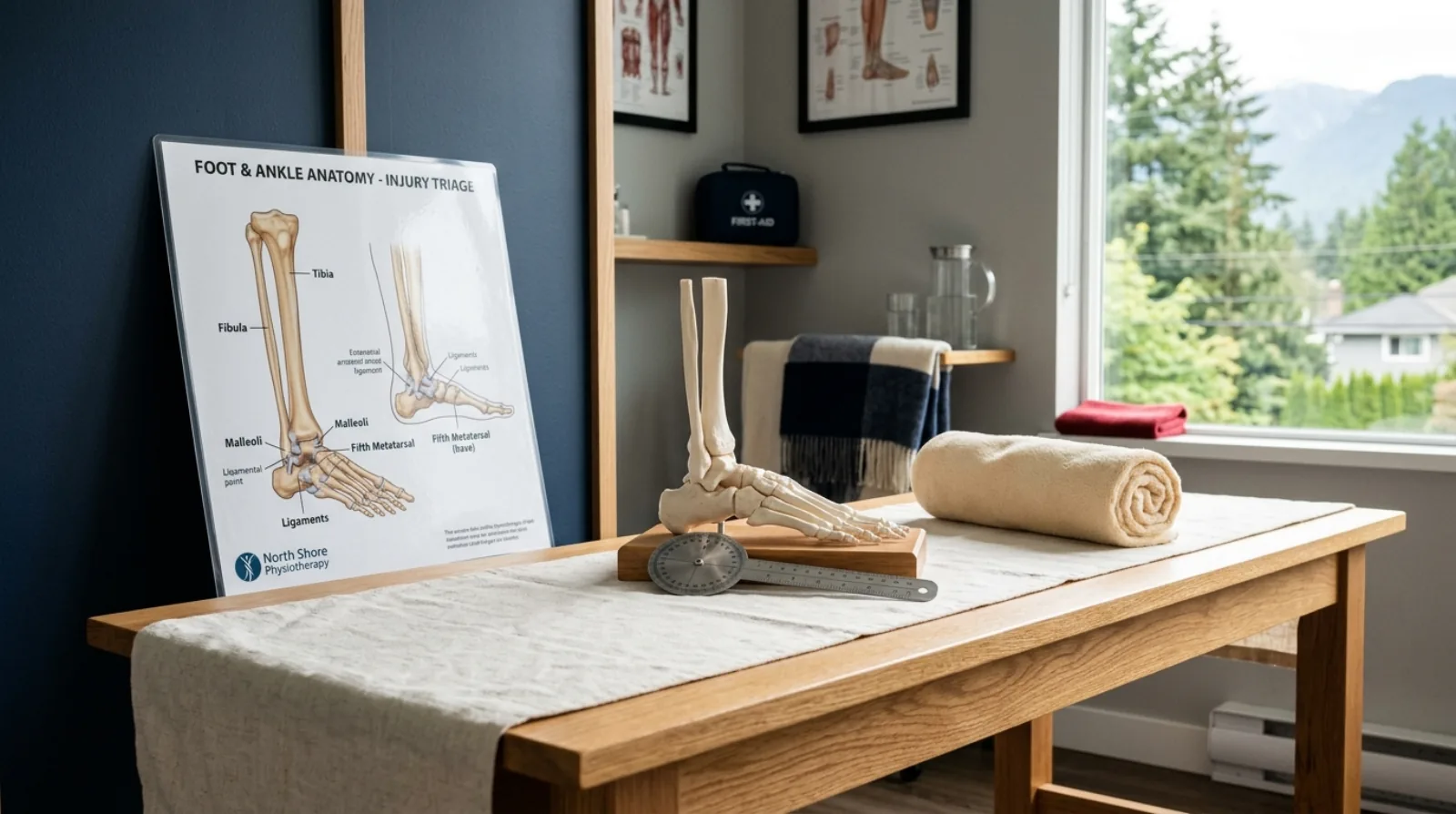 Ankle
AnkleSprained Ankle: When You Actually Need an X-ray (The Ottawa Ankle Rules)
You rolled your ankle and it hurts. Do you need an X-ray? A well-tested set of rules can tell you when a fracture is possible and when imaging can wait.
READ Headache
Headaches After a Car Crash: Why Your Neck Might Be the Cause
A headache that starts after a car crash often comes from the neck, not the head. Here is why whiplash causes it, and why moving early tends to help more than resting.
READ Running
Stress Fracture or Shin Splints? How Runners Can Tell the Difference
Shin splints and a stress fracture can start the same way, but one needs a very different plan. Here is how to tell them apart and the warning signs that mean get it checked.
READ Conditions
Tennis Elbow vs Golfer's Elbow: Same Idea, Opposite Sides of the Elbow
Tennis elbow and golfer's elbow sound like different injuries. They are the same tendon problem on opposite sides of the elbow, and the fix follows the same logic.
READ Ankle
AnkleHigh Ankle Sprain (Syndesmosis): Why It Heals Slower Than a Normal Ankle Sprain
A high ankle sprain feels like a normal rolled ankle at first, then takes far longer to settle. Here is why the syndesmosis heals slower and what safe return to sport looks like.
READ Hip
HipHip Labral Tears: What They Are, When Conservative Care Works, and What Gets Confused With Them
A torn hip labrum sounds like it must be fixed with surgery. For many people it is not. Here is what the labrum does, when conservative care works, and what gets confused with it.
READ Knee
KneeRunner's Knee (Patellofemoral Pain): What It Is and What Actually Settles It
Runner's knee is a vague ache around or behind the kneecap that flares with running, stairs, and long sits. Here is how it differs from other running knee pain, and what actually helps.
READ Conditions
Bendy Joints and Aches: How Strengthening Helps Joint Hypermobility
Being unusually flexible is not a problem in itself, but when bendy joints bring aches, fatigue, and a feeling of instability, strength and control are what settle them.
READ Shoulder
Shoulder Bursitis or Rotator Cuff Tendinopathy? Why the Label Matters Less Than You Think
Two labels get thrown around for the same painful shoulder: bursitis and rotator cuff tendinopathy. They overlap more than they differ, and the treatment that works is much the same.
READ Self-Care
Shovelling Snow Without Hurting Your Back on the North Shore
A heavy North Shore snowfall sends people out with a shovel and, often, into a sore back. A few changes to how you shovel take most of the strain off your spine.
READ Conditions
The Stiff Mid-Back: Why Thoracic Mobility Affects Your Neck and Shoulders
The mid-back rarely hurts on its own, but when it stiffens up, the neck and shoulders often pay for it. Here is how thoracic mobility fits into neck and shoulder pain and where it helps.
READ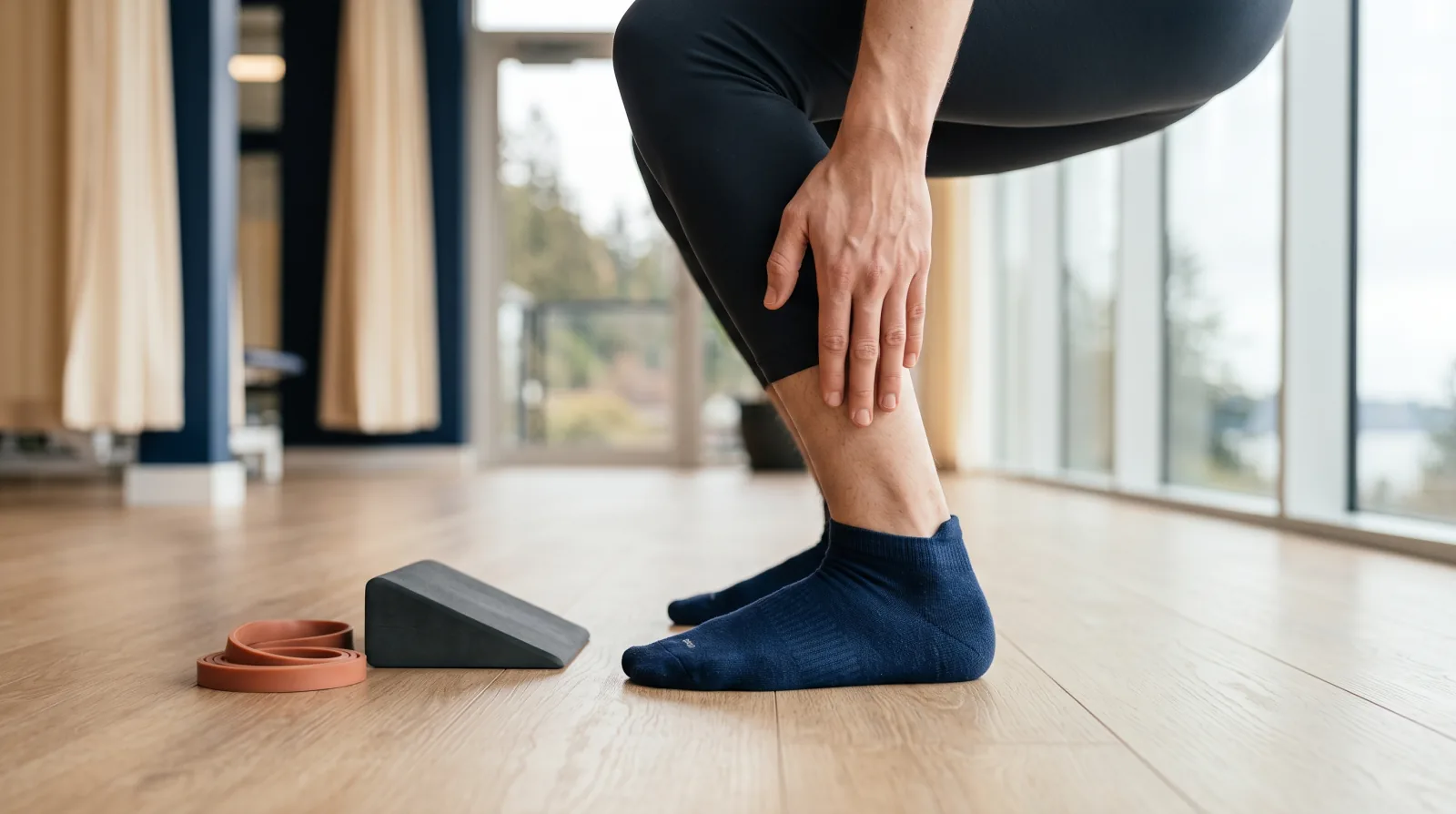 Conditions
Stiff Ankles and Shallow Squats: When Limited Dorsiflexion Holds You Back
Heels that lift and a squat that will not go deep often trace back to the ankle, not the hips. Here is how limited dorsiflexion changes movement and how we sort out why it is restricted.
READ Conditions
Teen Neck Pain and Screens: What 'Text Neck' Is and What Actually Helps
Teenage neck pain linked to phones and tablets is real, but the fix is not sitting up straighter for eight hours. It is movement, breaks, and building tolerance to the load.
READ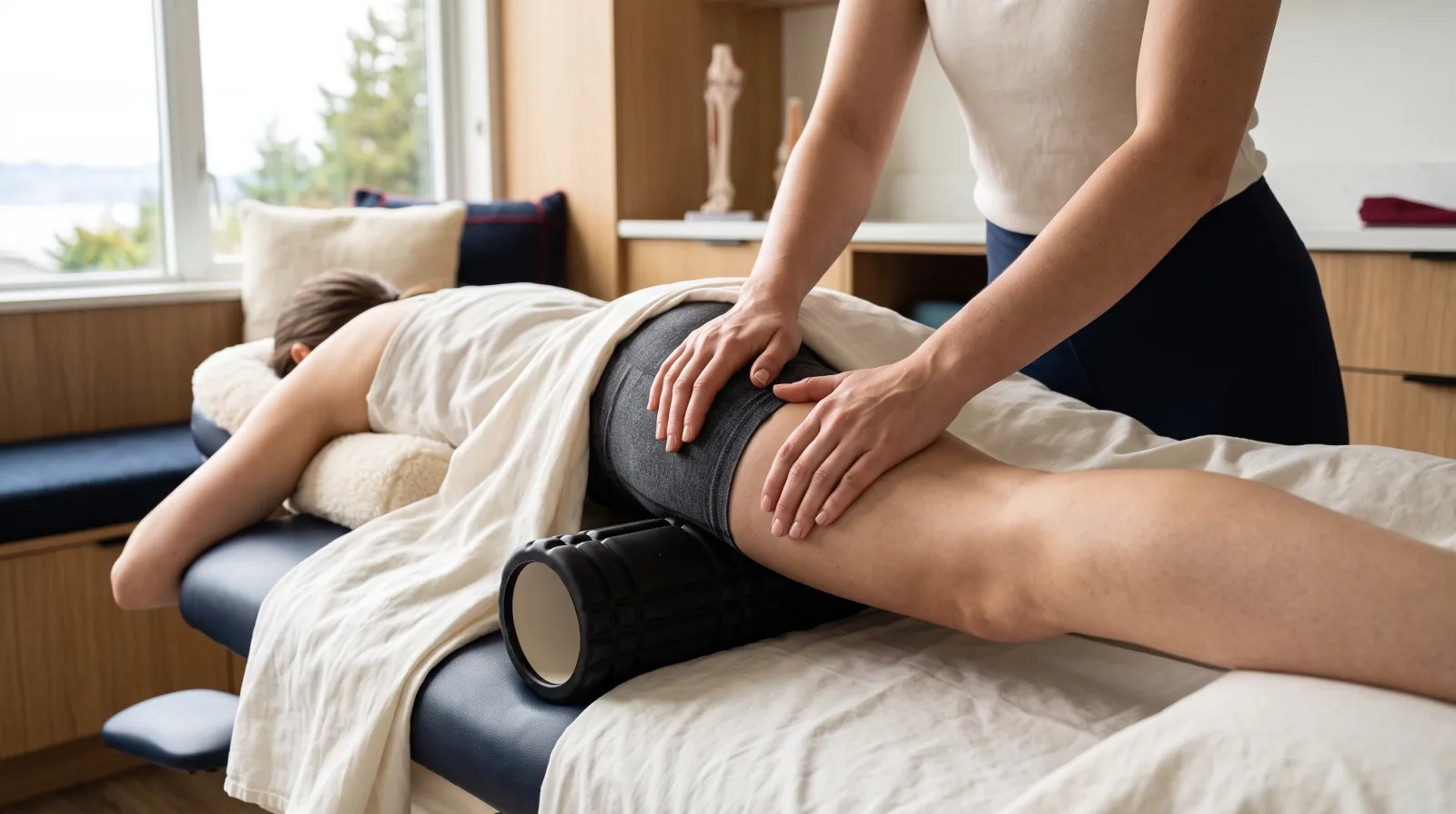 Conditions
IT Band Syndrome: Why the Outside of Your Knee Hurts When You Run or Ride
Outer-knee pain that arrives at the same point in every run or ride is the classic pattern of IT band syndrome. The fix is rarely more stretching. It is load management and hip strength.
READ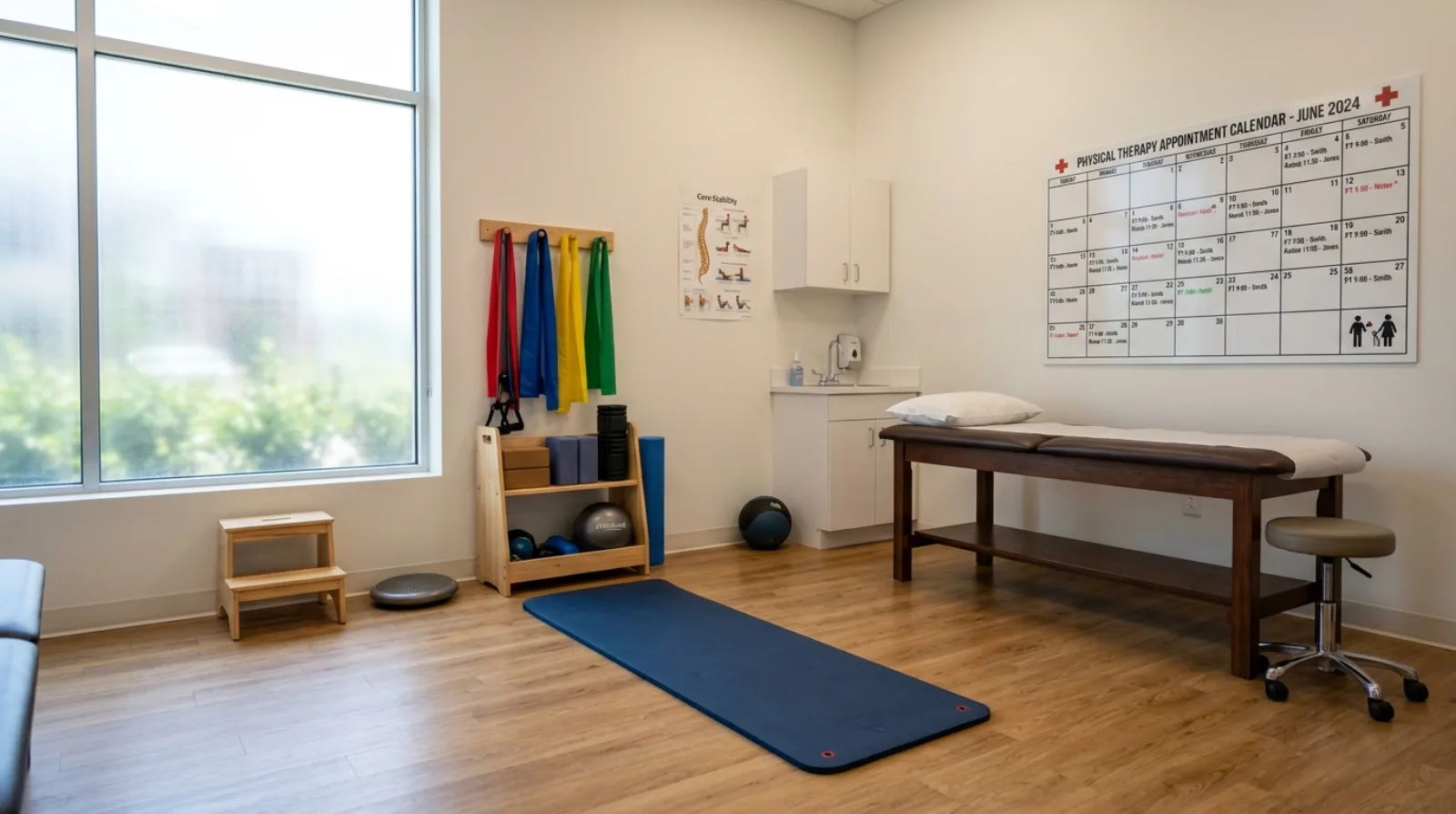 Patient Education
How Long Does Physiotherapy Take? A Realistic Timeline Guide
The most common question patients ask before they book. The honest answer is that it depends on very specific things, and we can usually narrow it down at the first assessment.
READ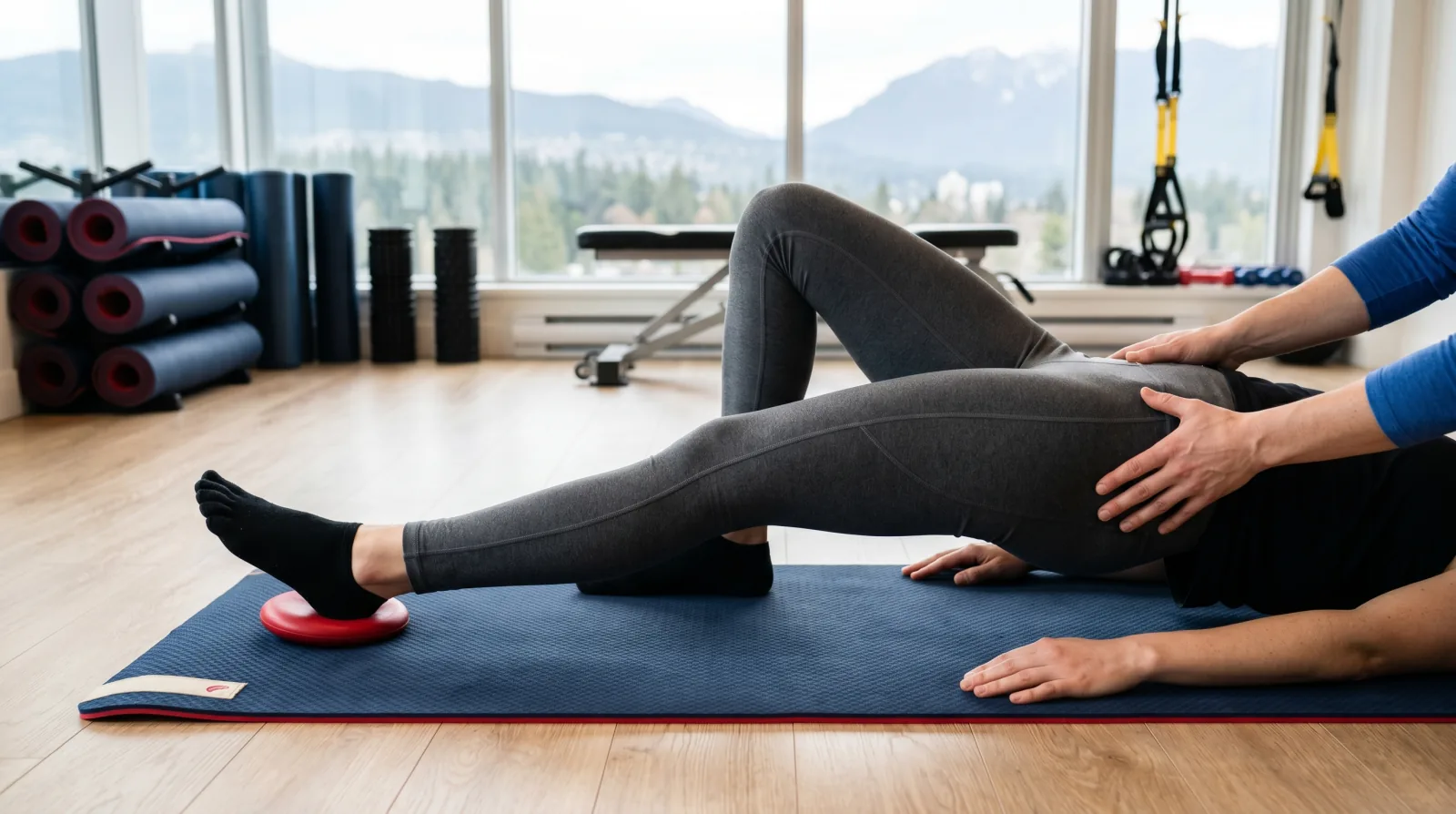 Tendinopathy
High Hamstring Pain: The Sitting-and-Running Ache of Proximal Hamstring Tendinopathy
Deep pain right at the sit-bone, worse when you sit and when you run uphill, is the signature of proximal hamstring tendinopathy. And stretching it, the obvious instinct, usually backfires.
READ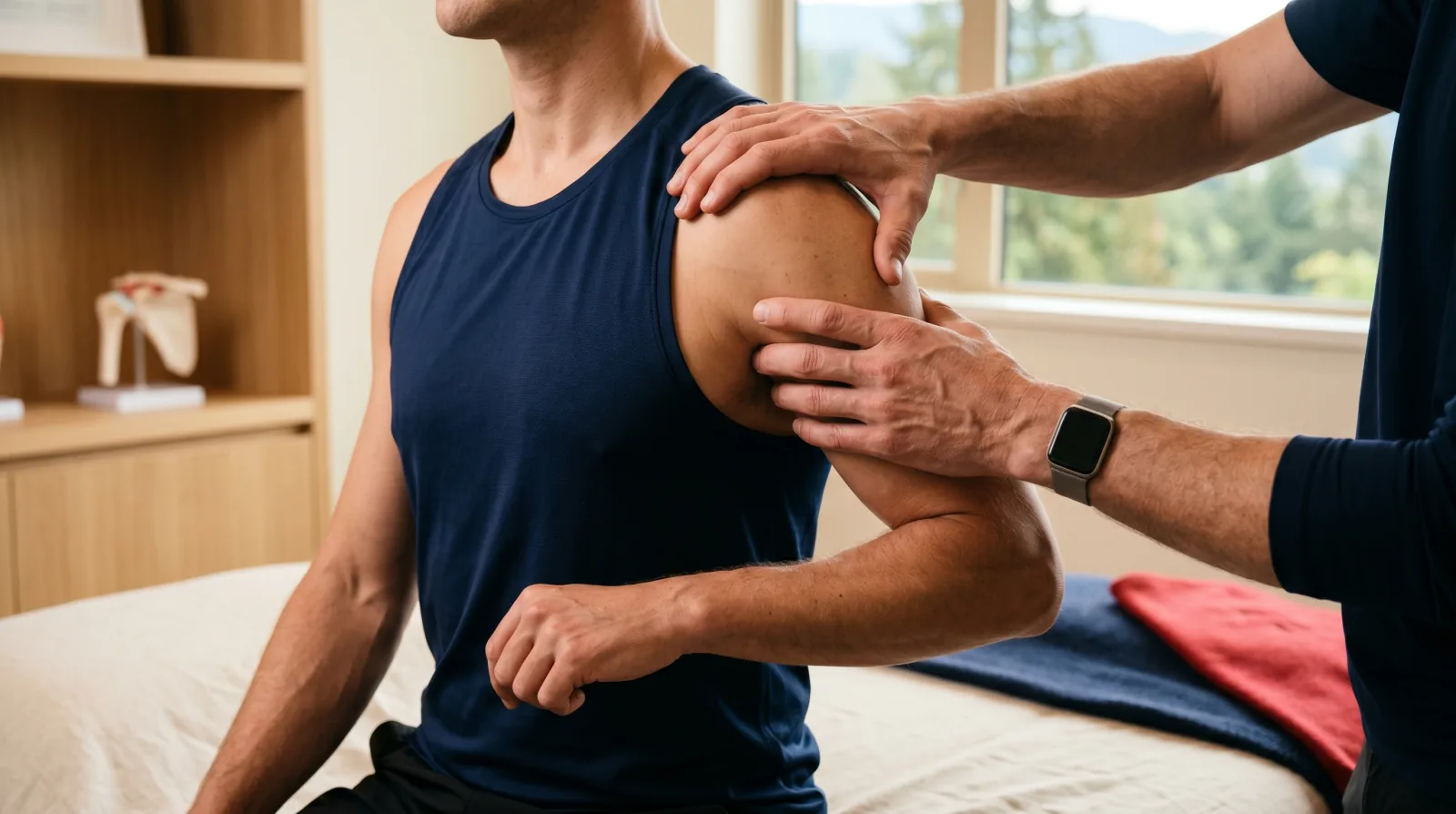 Shoulder
Frozen Shoulder or Rotator Cuff? Why Telling Them Apart Changes Everything
Two of the most common shoulder problems can feel similar but need opposite approaches. One clue, whether someone else can move your shoulder, tells them apart.
READ Recovery
Physiotherapy After Lions Gate Hospital Discharge: What to Expect
Most patients leave Lions Gate Hospital with a discharge sheet, a surgeon referral, and a lot of unanswered questions about the rehab ahead. Here is what to expect.
READ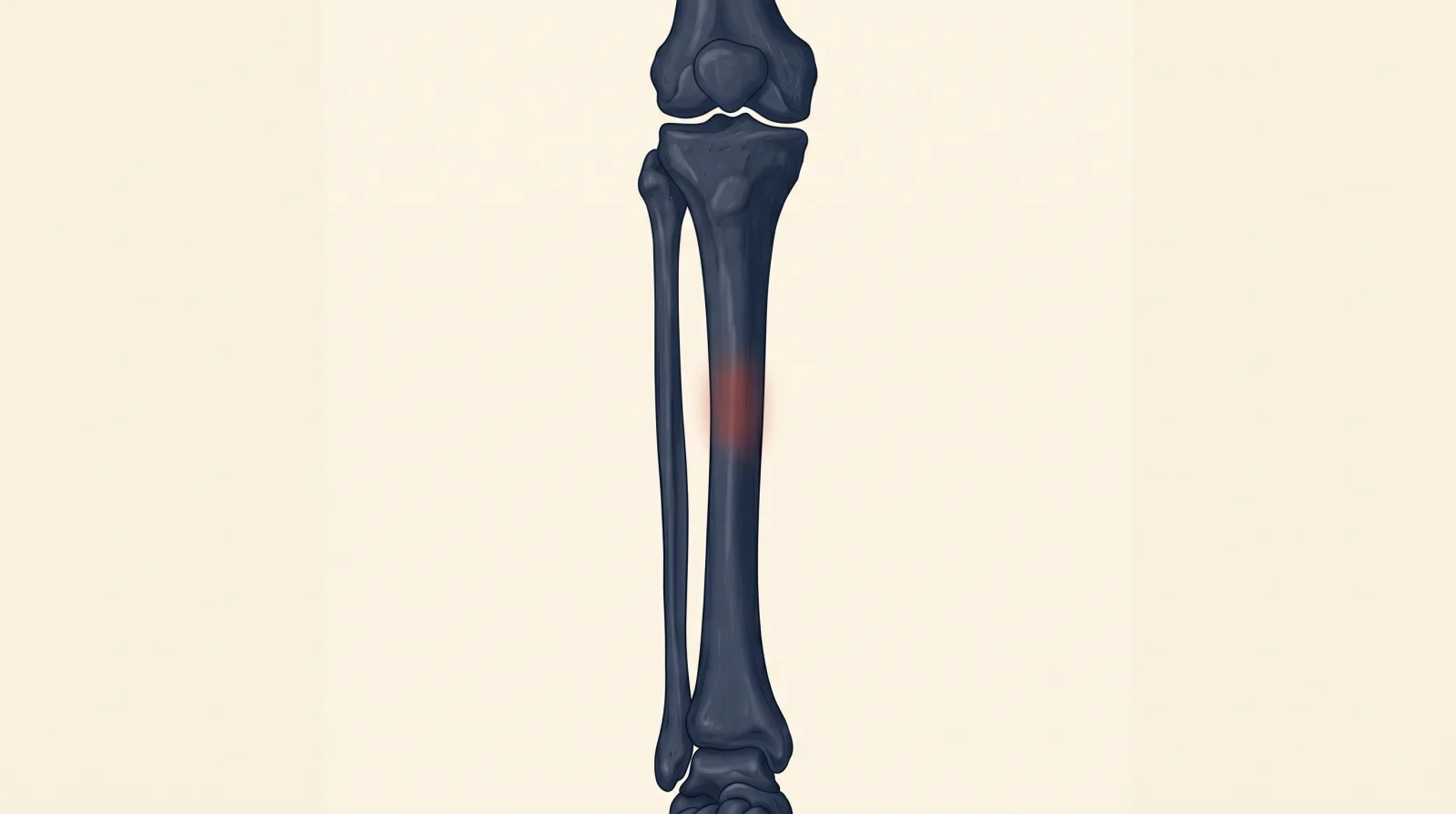 Conditions
Bone Stress Injuries in Runners: Catching a Stress Fracture Before It Stops You
A bone stress injury is the running injury you cannot push through. Catching it early, by its specific warning signs, is the difference between weeks off and months.
READ Patient Education
How to Find the Best Physiotherapist in North Vancouver: 7 Things to Check
No list can name one best clinic for everyone. These seven checks help you find the right physiotherapist for your injury, your insurance and your schedule.
READ Self-Care
Desk Ergonomics for Neck and Back Pain: What Actually Matters
Ergonomics advice is everywhere, much of it overstated. Here is what actually reduces desk-related neck and back pain, and the one principle that beats any perfect setup.
READ Return to Sport
Hiking Injuries on the North Shore: A Trail-by-Trail Recovery Guide
Every North Shore trail makes specific demands on specific tissues. Understanding which injury comes from which trail pattern helps you recover faster and prevent the next one.
READ Tendinopathy
Golfer's Elbow: The Inner-Elbow Tendinopathy That Loading Fixes
Golfer's elbow is the inner-elbow cousin of tennis elbow, and the fix is the same principle: load the tendon progressively. Rest and braces alone rarely do it.
READ Return to Sport
Grouse Grind Injuries: What Goes Wrong and How to Recover
The Grouse Grind is 2.9 km of relentless climbing. Most injuries happen on the way back down, and they are very predictable once you understand why.
READ Vestibular Rehabilitation
When Dizziness Isn't BPPV: The Causes a Good Assessment Rules Out
BPPV is the most treatable cause of vertigo, but dizziness has many sources. A good vestibular assessment is as much about ruling out the others as confirming BPPV.
READ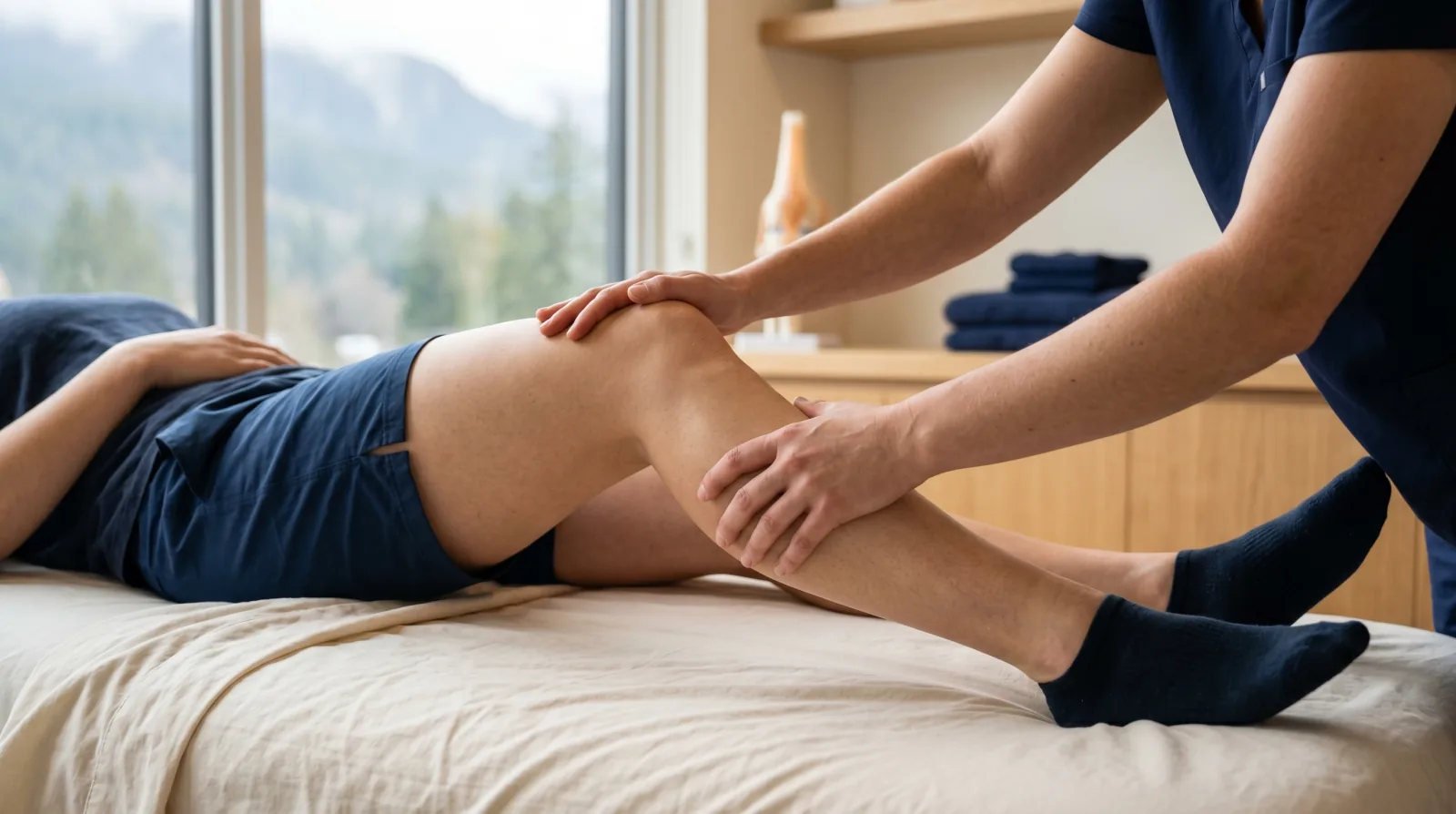 Return to Sport
MCL Sprains: What the Grade Means and How Long Recovery Really Takes
The MCL is the ligament that heals. Most MCL sprains recover well without surgery, and knowing the grade tells you roughly how long the road will be.
READ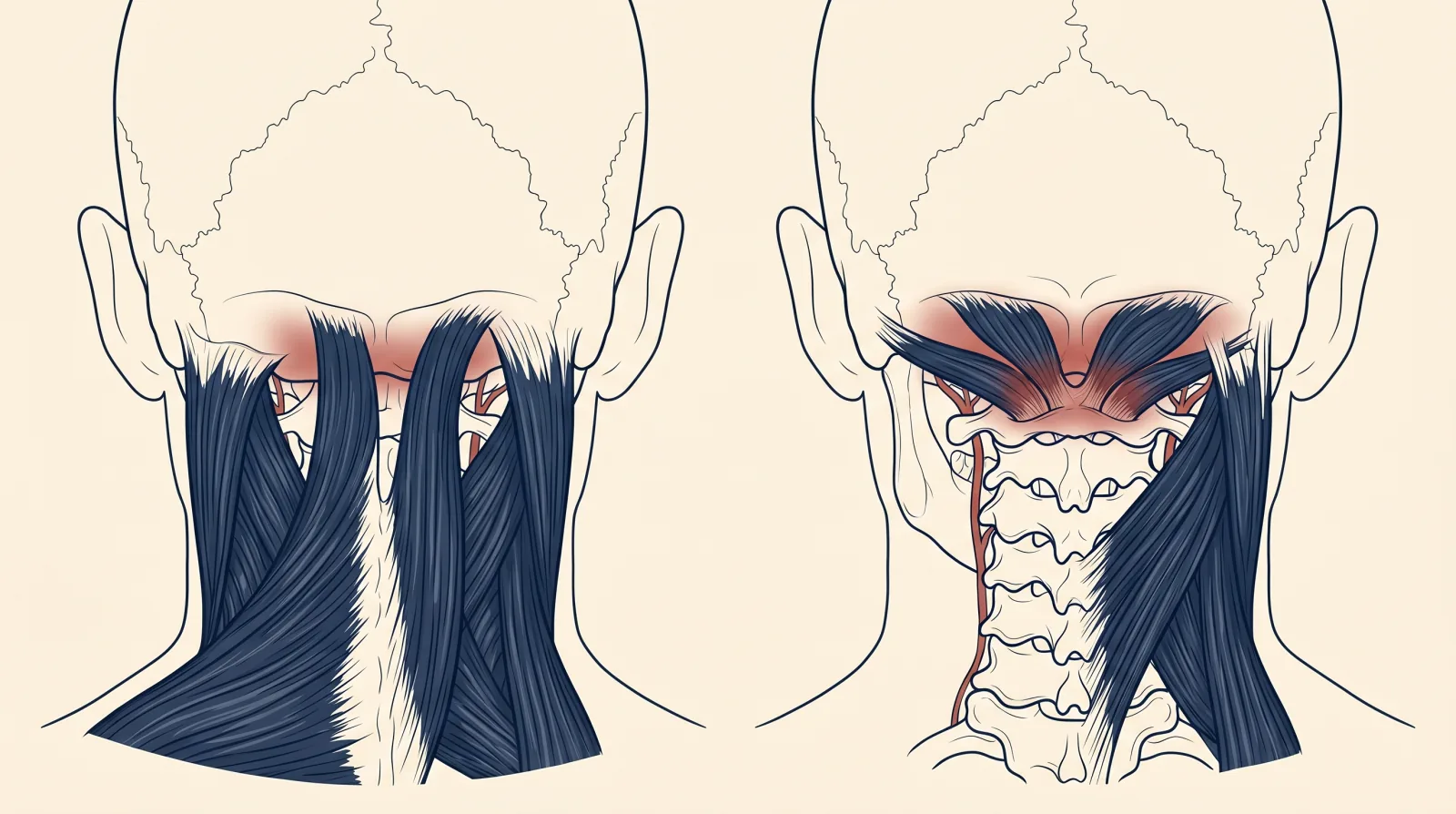 Headaches
Tension Headache or Neck Headache? Why the Difference Changes the Treatment
Not all headaches are the same, and two common types can feel alike. Telling a tension headache from a neck-driven one changes what actually helps.
READ Return to Sport
Pickleball Injuries on the North Shore: The New Sport's Most Common Aches
Pickleball is the fastest-growing sport on the North Shore, and it is filling our clinic. The injuries are predictable, and so is the way to avoid most of them.
READ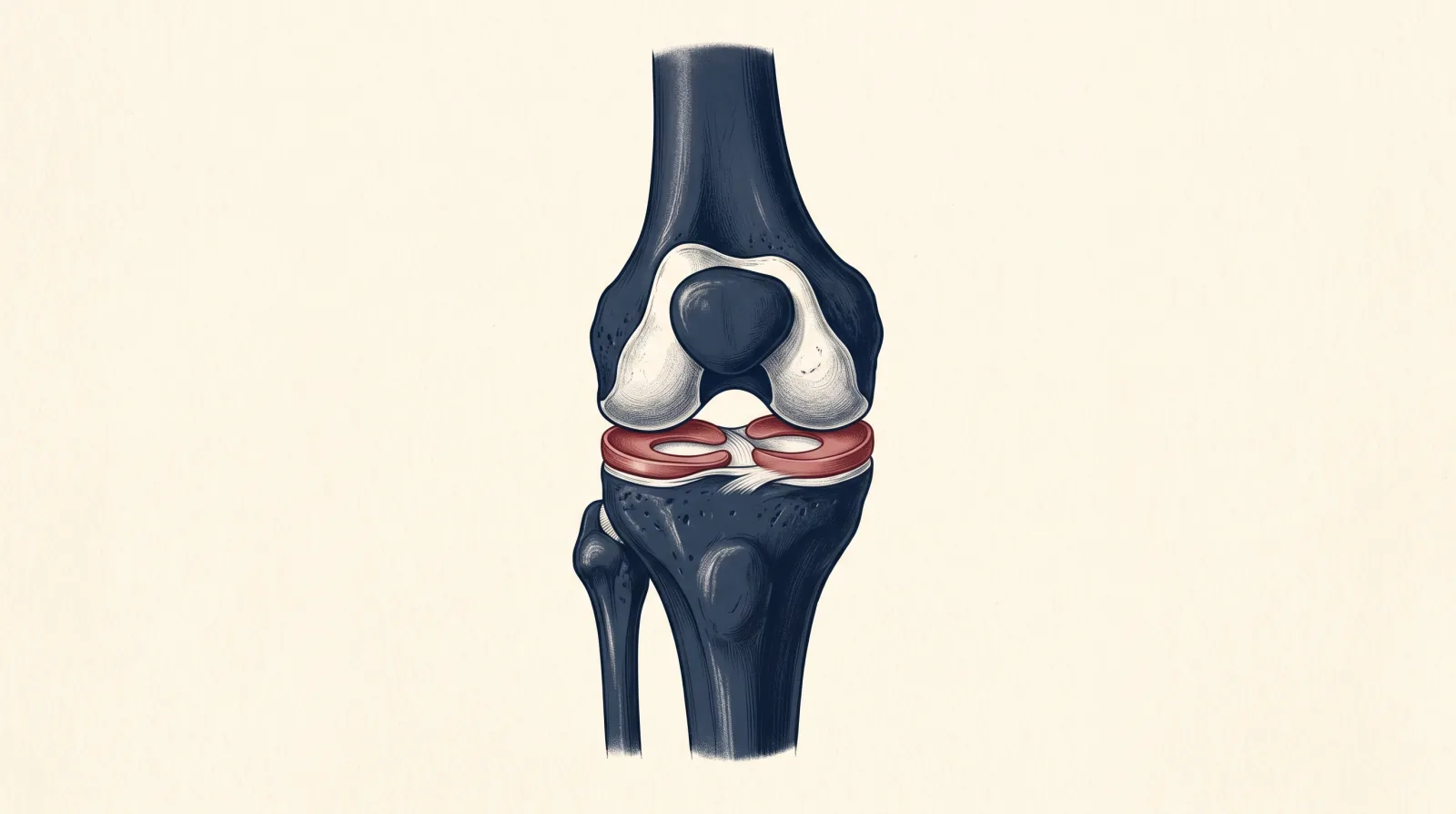 Conditions
Meniscus Tears After 40: Why Rehab Often Beats the Scope
A meniscus tear on an MRI sounds like a surgical problem. For the common age-related tear in midlife, structured rehab often works just as well as the scope.
READ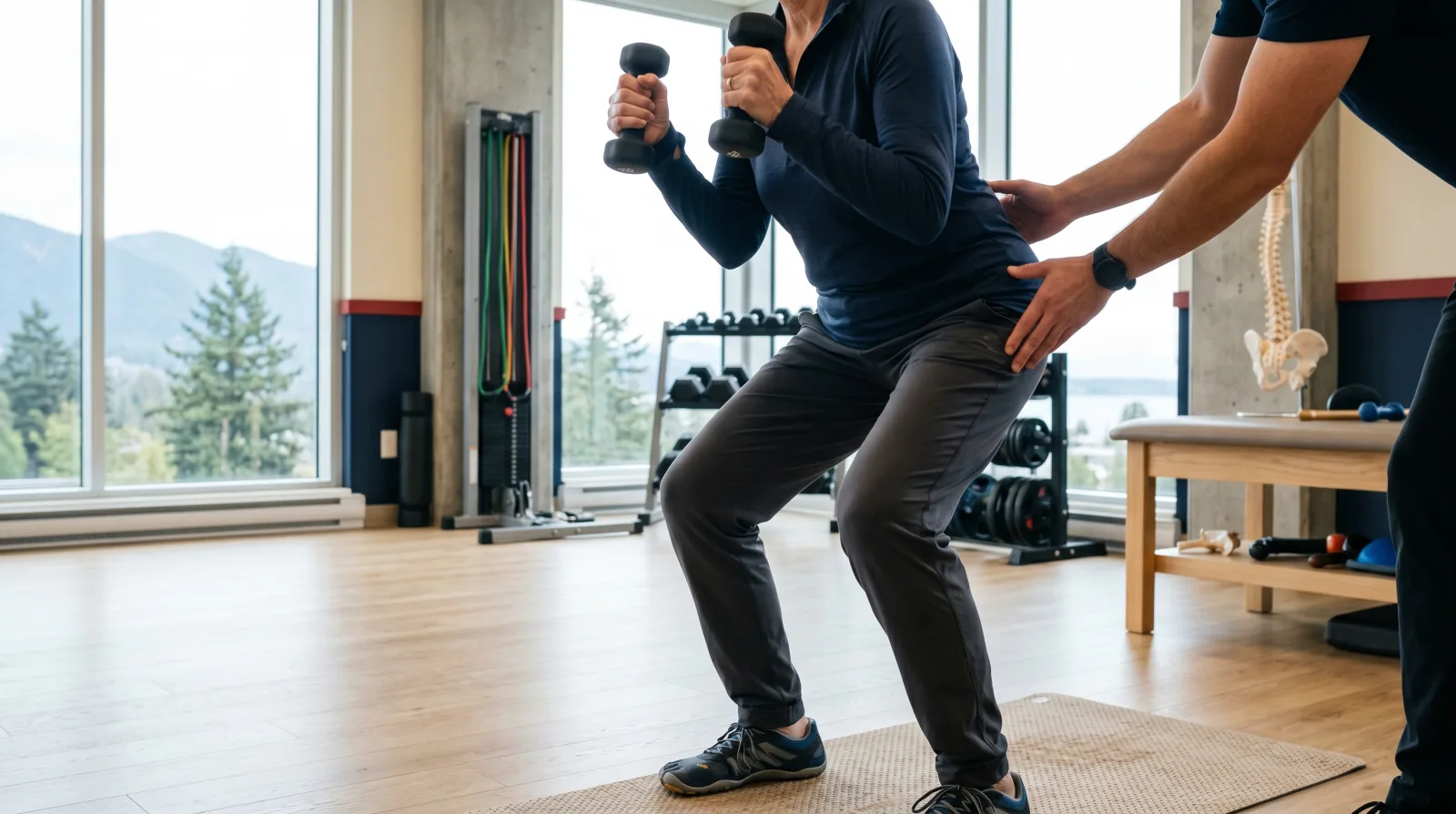 Healthy Aging
Osteoporosis and Strength Training: Why the Right Loading Builds Bone
An osteoporosis diagnosis often leads people to do less, fearing a fracture. Done right, progressive strength training is one of the best things you can do for your bones.
READ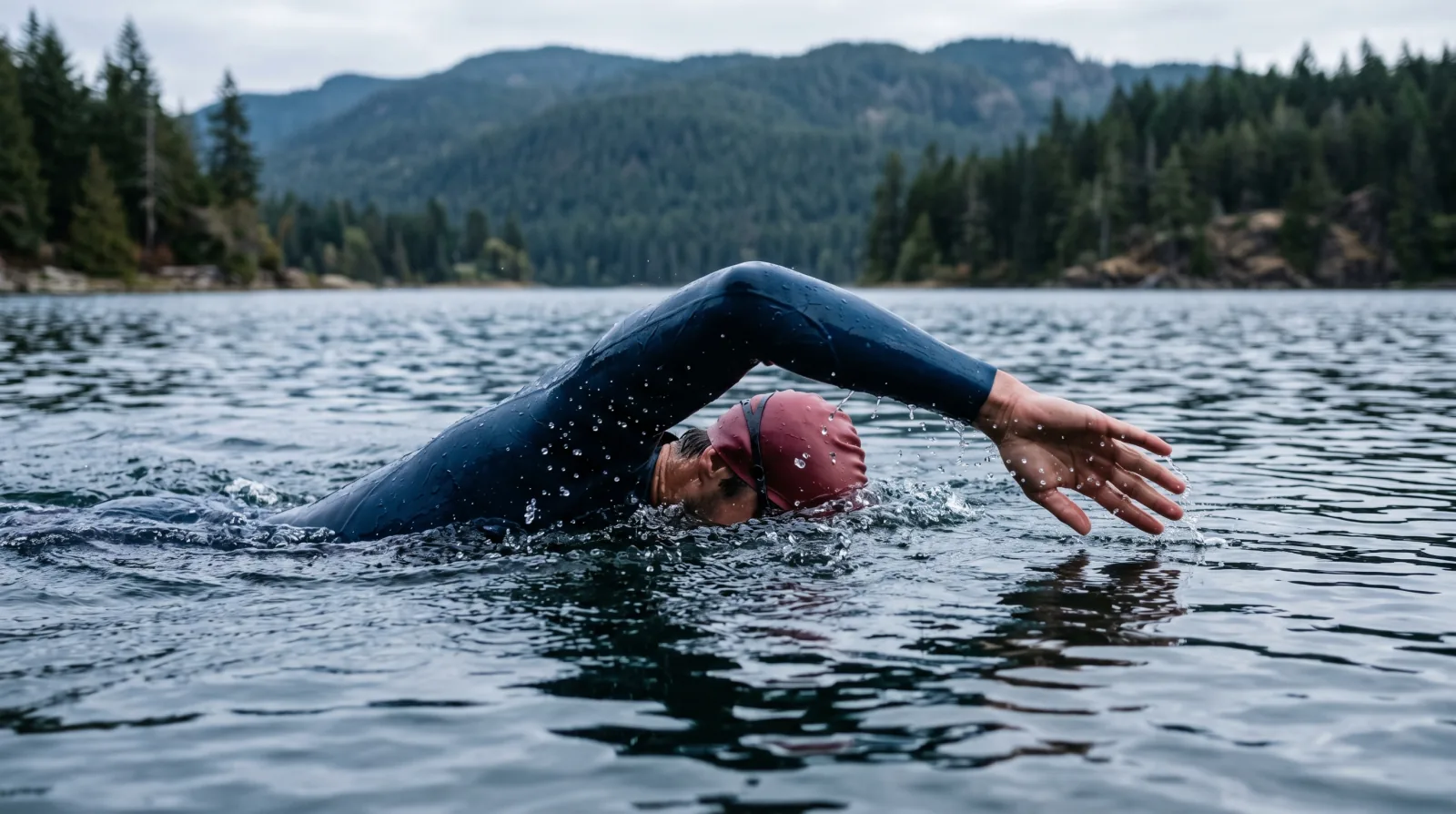 Conditions
Swimmer's Shoulder: Why Open-Water Season Brings Shoulder Pain, and What Fixes It
Swimmer's shoulder is the overuse injury of the open-water season. It is rarely about one bad stroke and almost always about volume, capacity, and technique together.
READ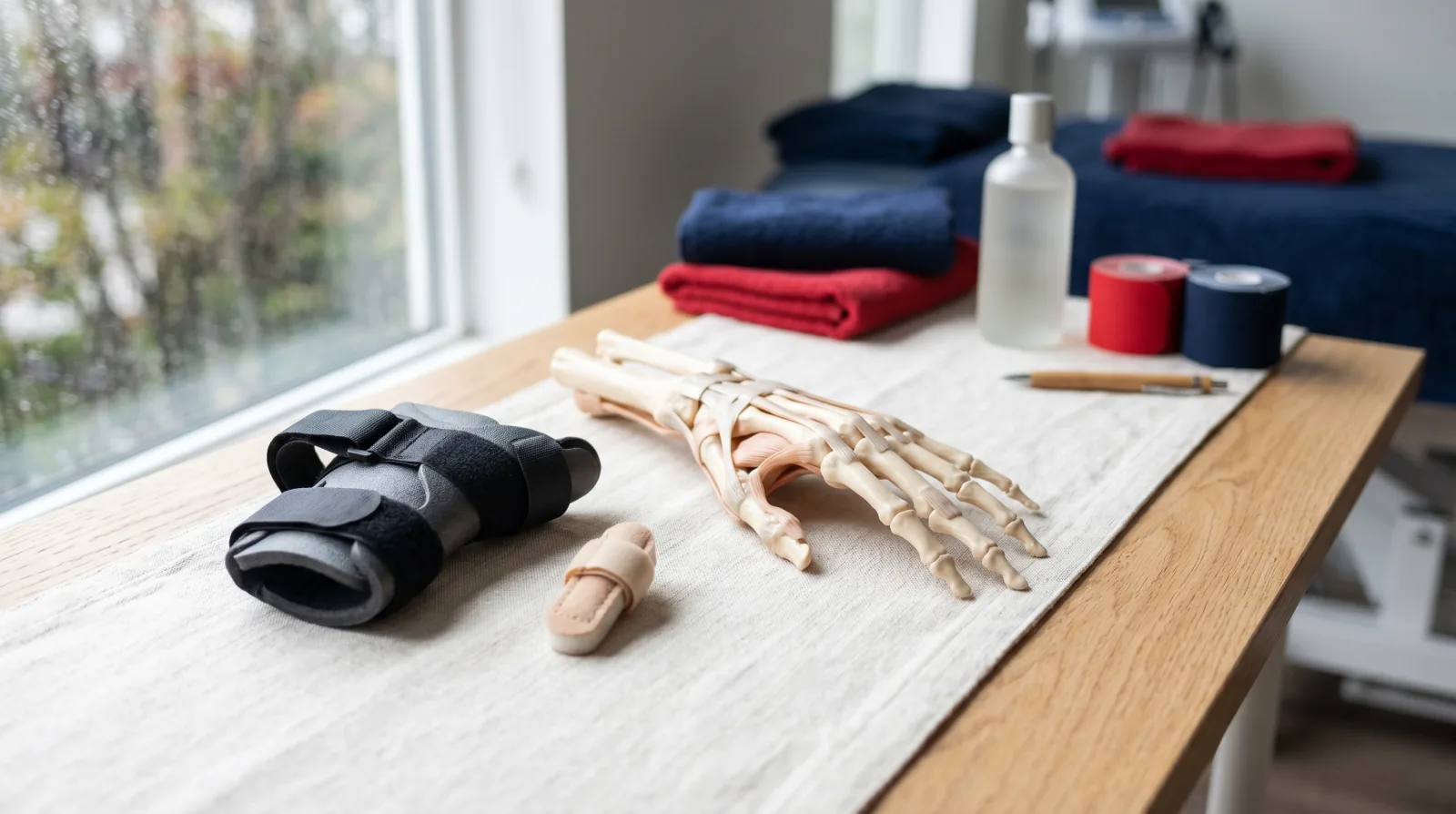 Conditions
Trigger Finger: Why Your Finger Catches, and What to Try Before an Injection
A finger that catches, clicks, or locks when you bend it is trigger finger. Caught early, it often responds to splinting and load changes before any injection.
READ Concussion
Youth Sport Concussion: A North Shore Parent's Guide to the First Two Weeks
When your child gets a concussion in sport, the old advice was a dark room and total rest. That has changed. Here is what the current guidance says to do.
READ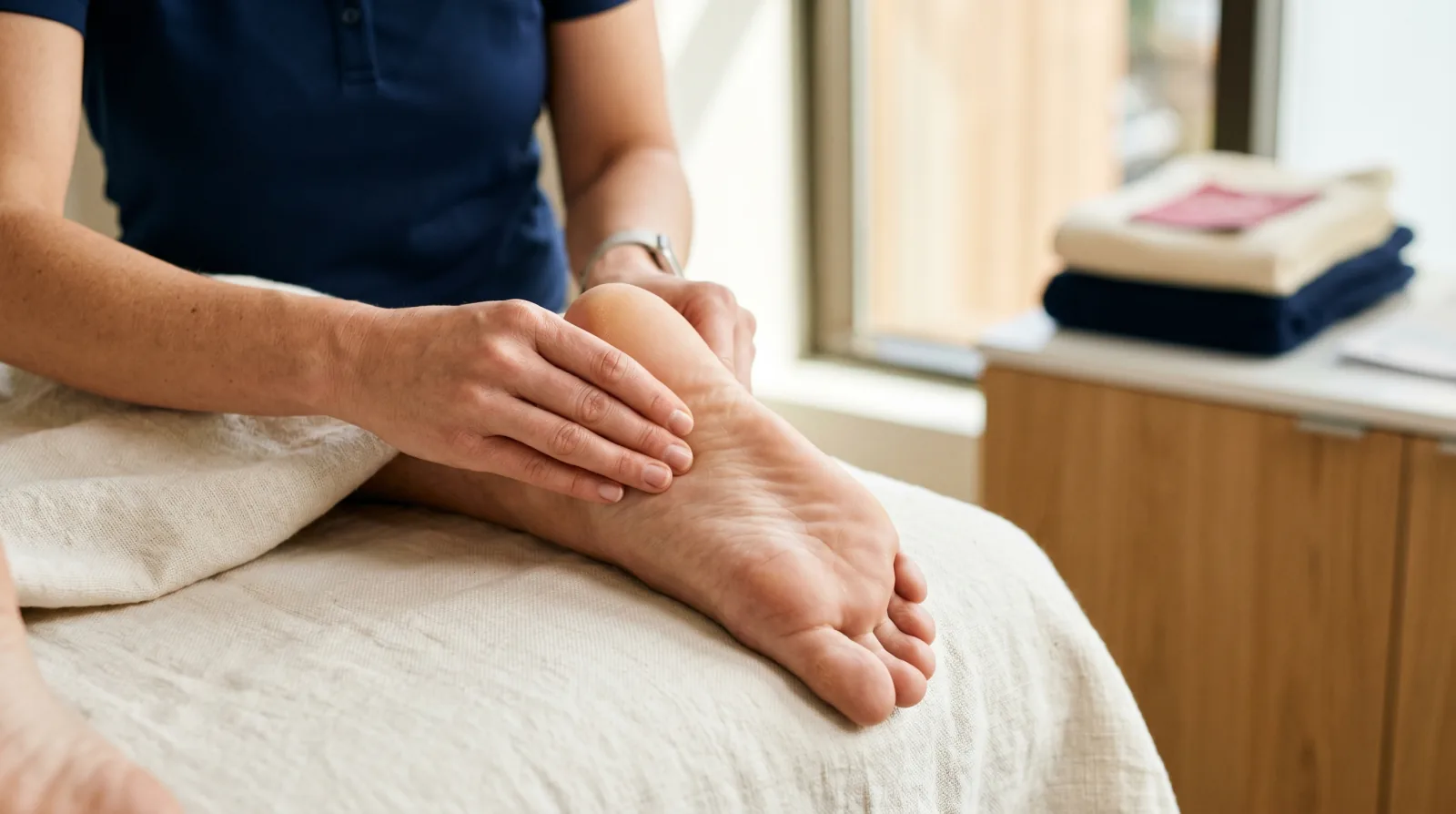 Conditions
Morning Heel Pain: What Plantar Fasciitis Is and What Actually Helps
That stabbing heel pain in your first steps of the day is the signature of plantar fasciitis. The fixes that actually work are not the ones most people try first.
READ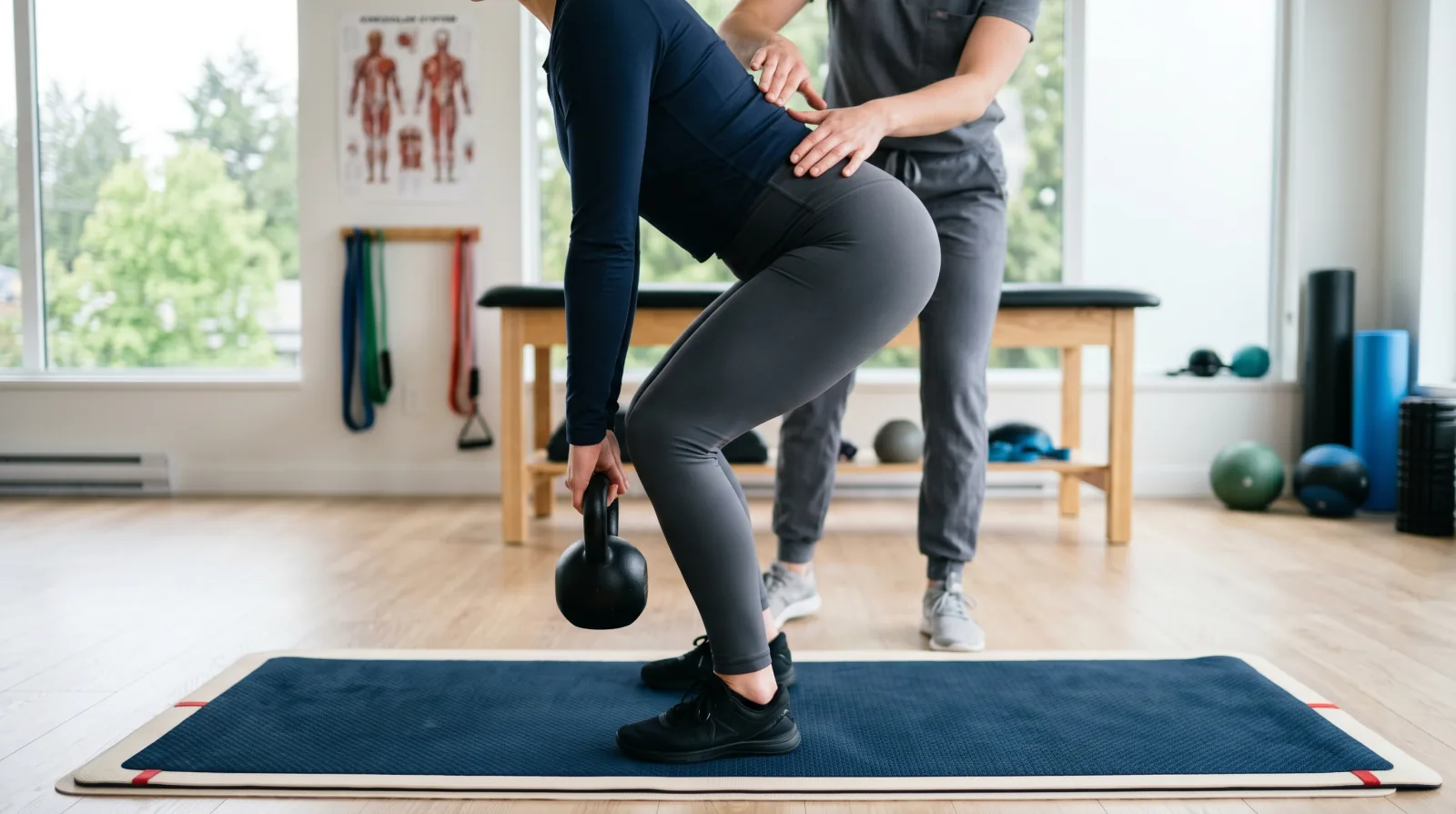 Conditions
Getting Back to Lifting After Low Back Pain: Why Loading Is the Cure, Not the Risk
After a back injury, the instinct is to stop lifting forever. That fear keeps backs weak. The spine is built to load, and getting back to lifting is part of the recovery.
READ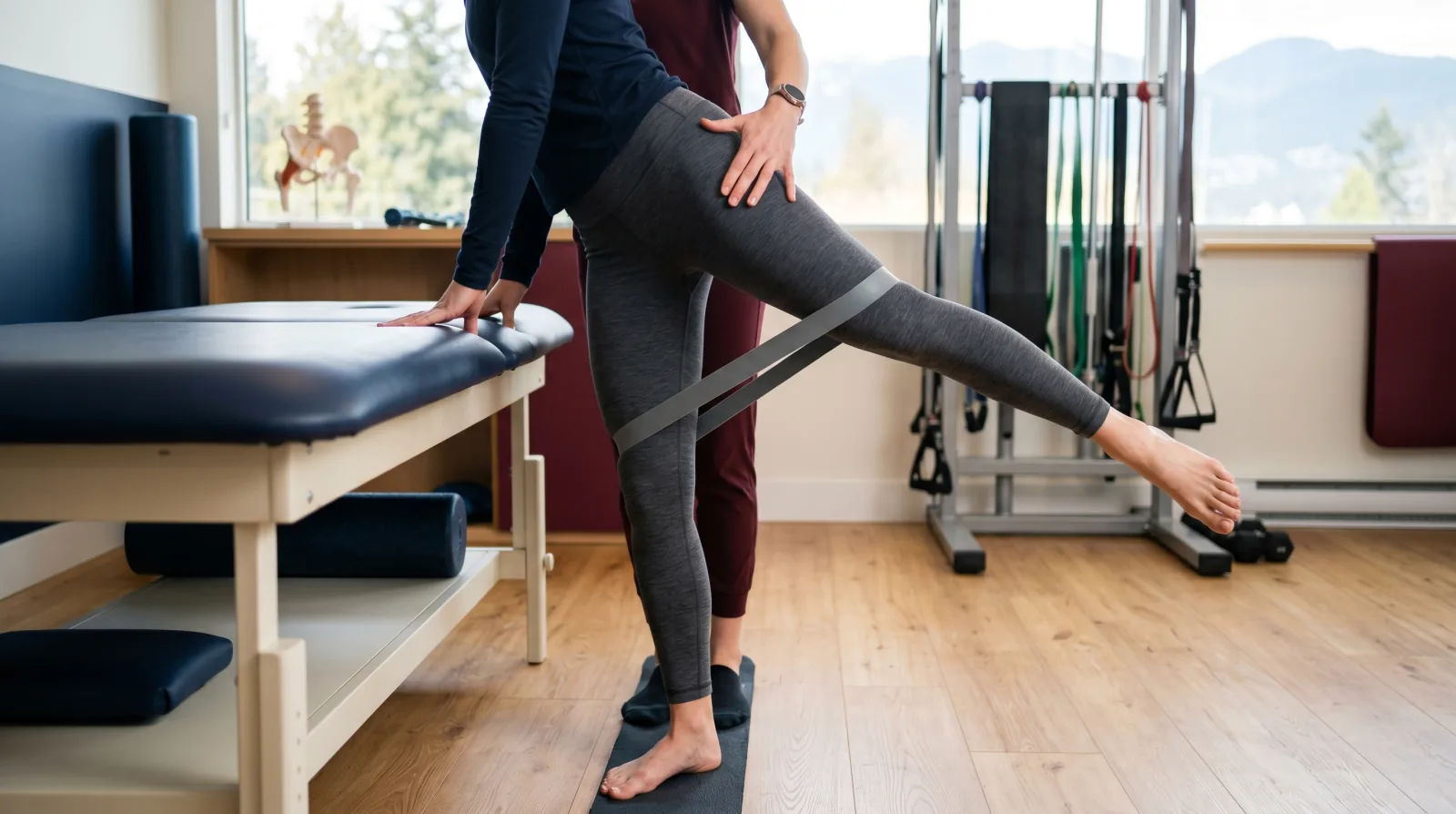 Conditions
Pain on the Side of Your Hip? It's Probably Not Just Bursitis
Pain on the outer hip is often labelled bursitis and treated with rest or an injection. The bigger driver is usually a gluteal tendon problem, and that changes the fix.
READ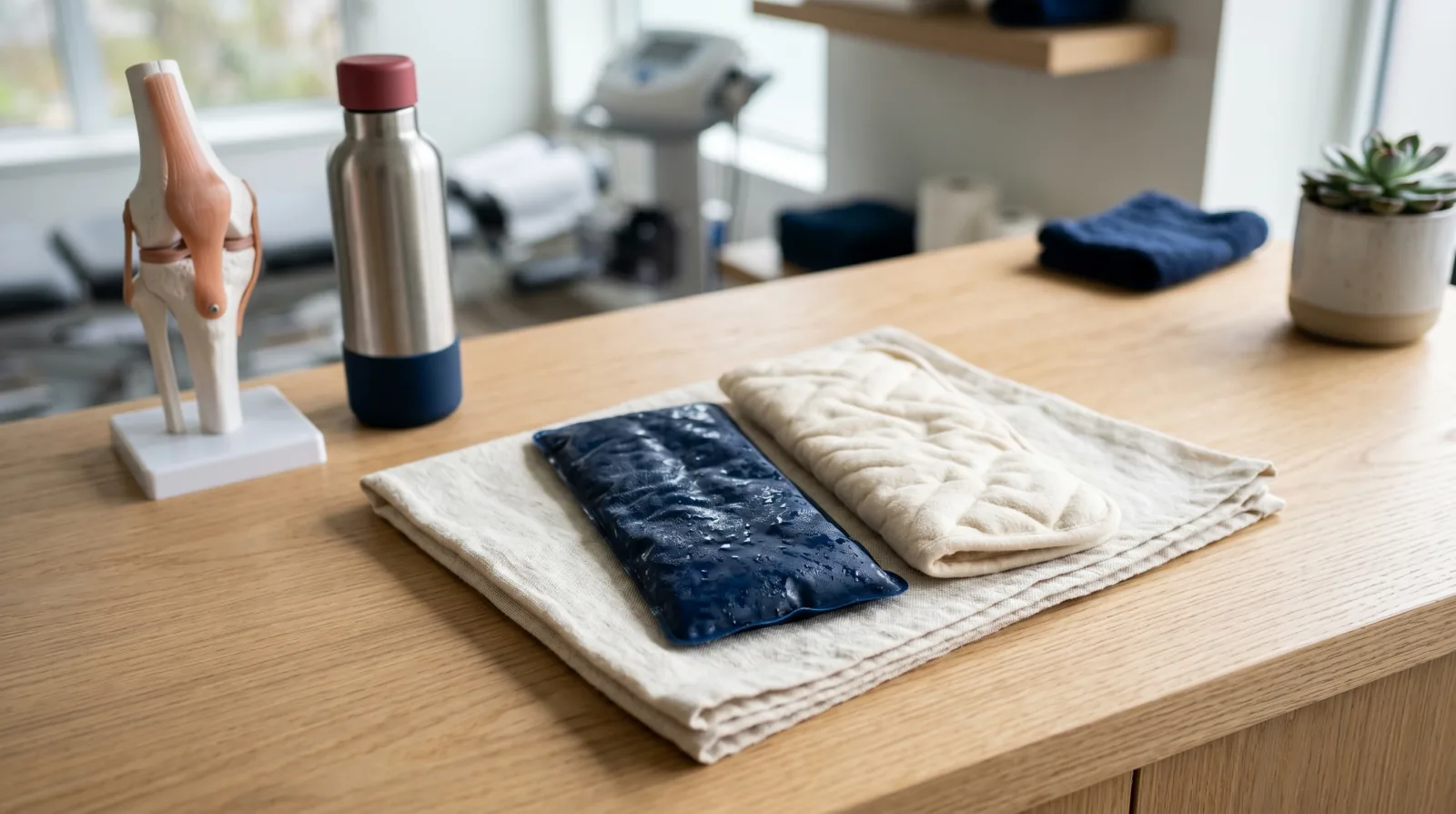 Self-Care
Heat or Ice? A Straight Answer to the Most Common Injury Question
Heat or ice is the question everyone asks. The honest answer is that both are comfort tools, not cures, and knowing when each helps is simpler than the internet makes it.
READ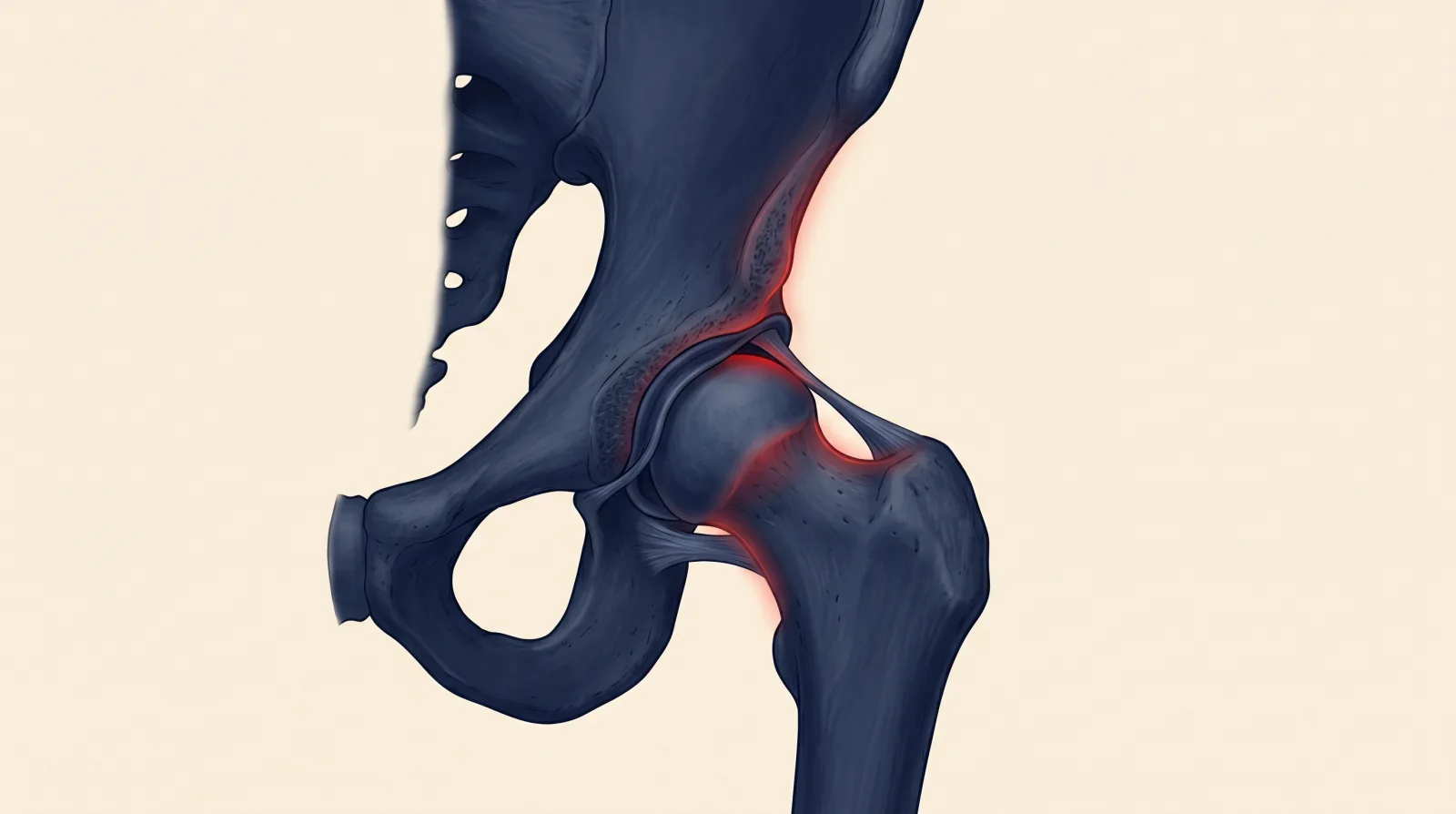 Conditions
Hip Impingement (FAI): When to Manage It and When to Consider Surgery
Deep groin pain when you squat or sit for too long may be hip impingement. Many people improve with a structured physiotherapy program before surgery ever enters the picture.
READ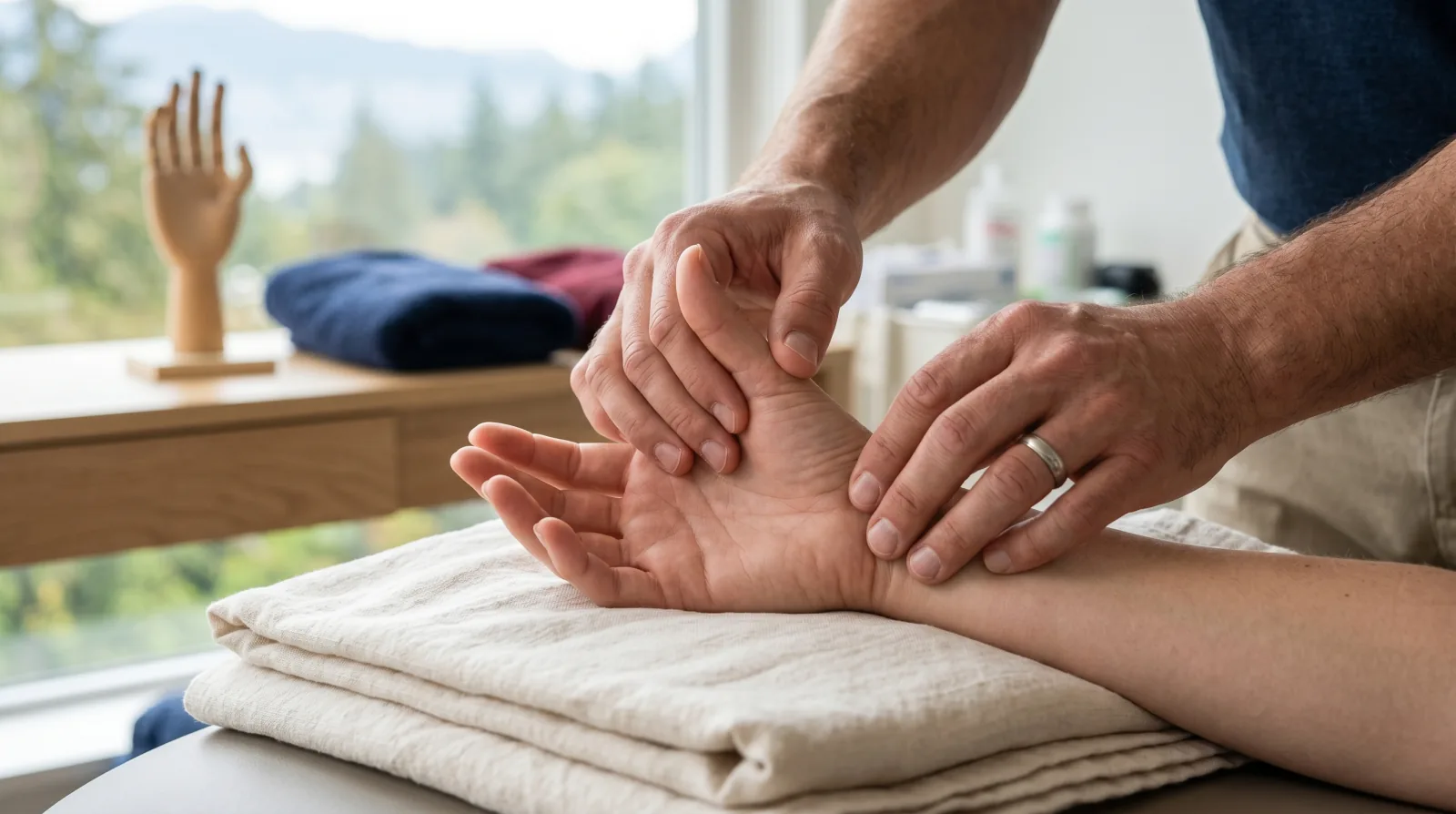 Conditions
De Quervain's Tenosynovitis: The New-Parent Thumb Pain Nobody Warns You About
A sharp pain on the thumb side of the wrist when you lift your baby has a name, and a reason. De Quervain's tenosynovitis is common, treatable, and not your fault.
READ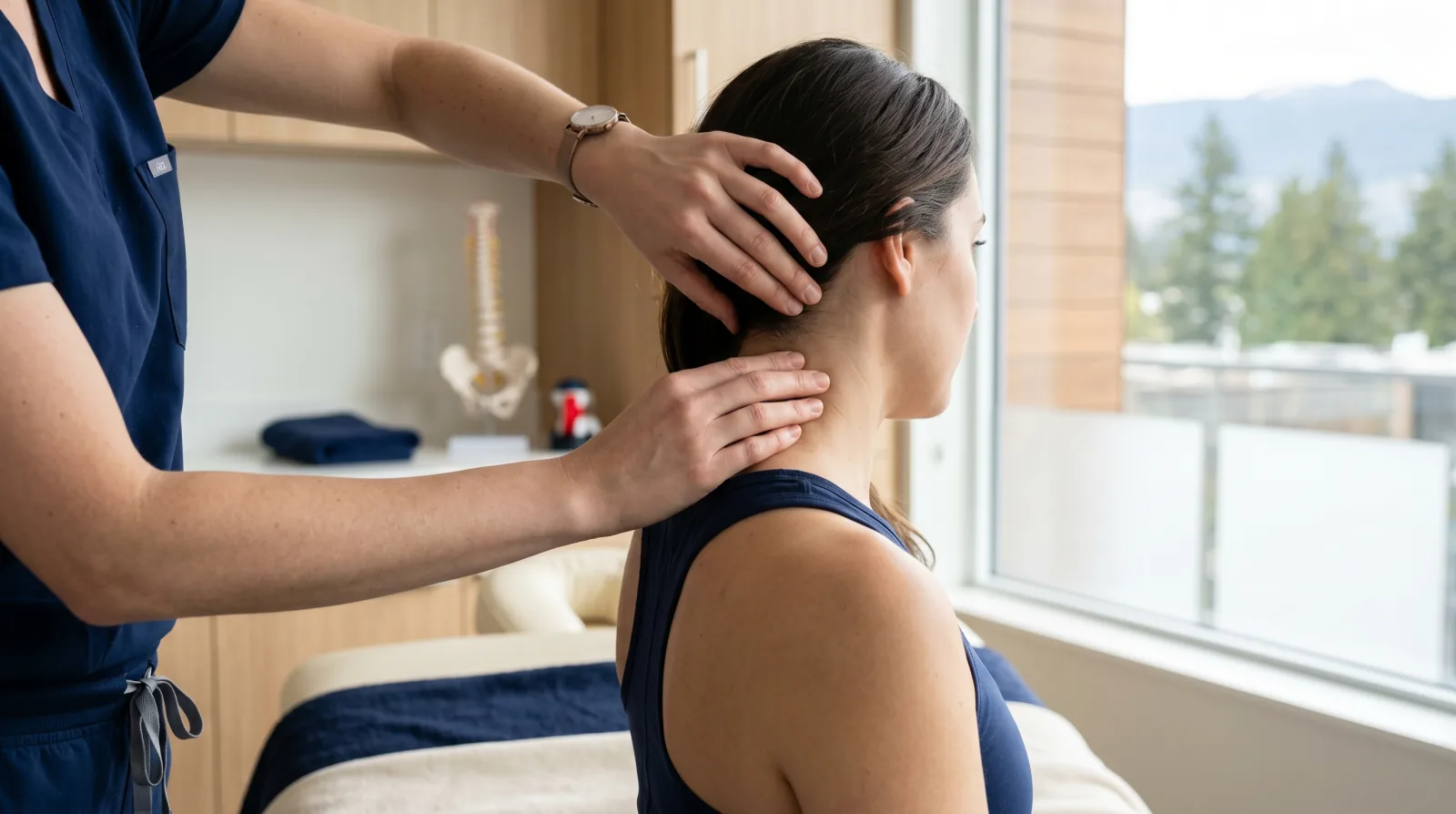 Conditions
Dizziness After Whiplash: When the Problem Is Your Neck, Not Your Inner Ear
Dizziness after a car crash unsettles people. Often it is the neck driving it, not the inner ear, and that changes how it is treated.
READ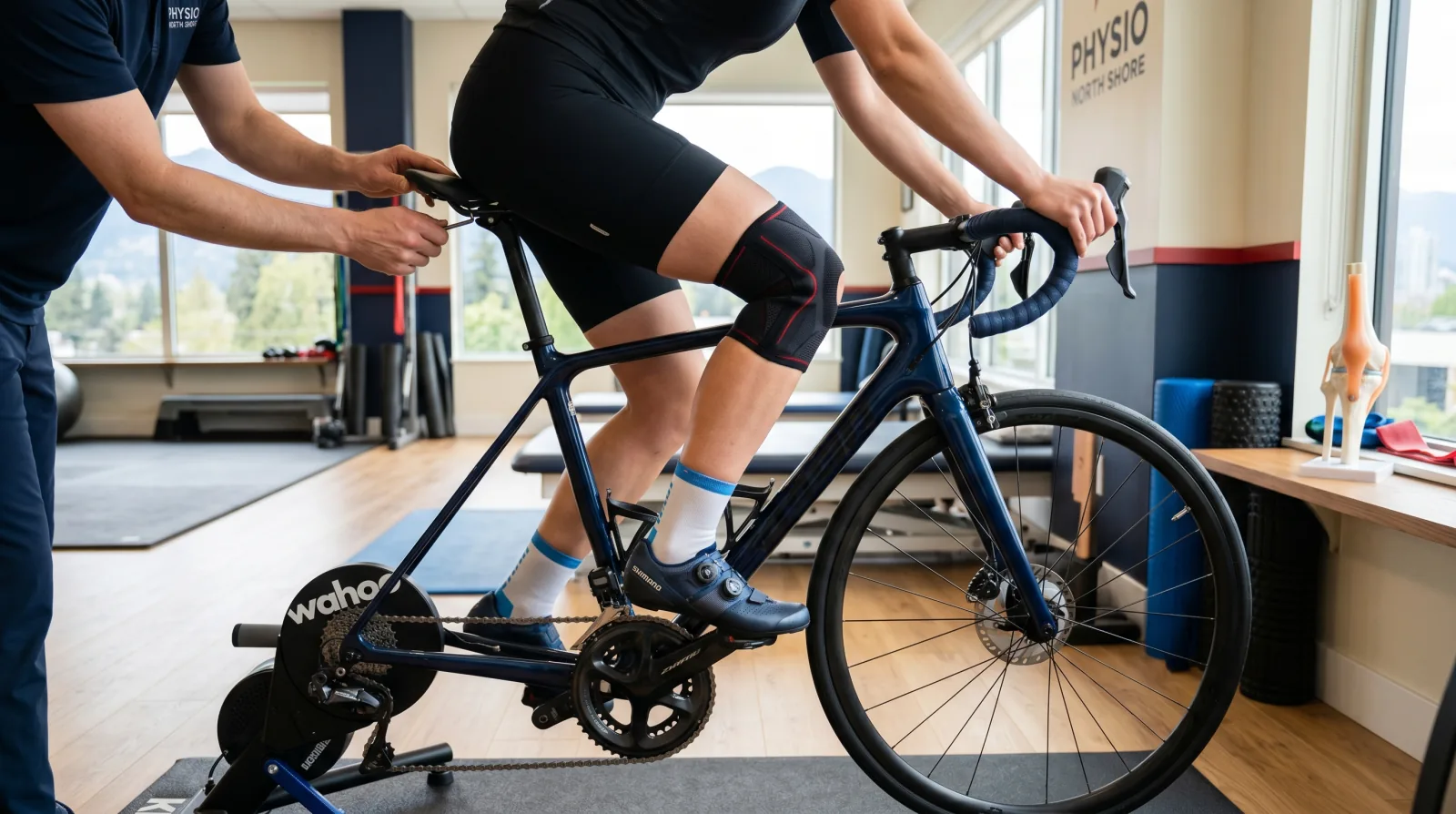 Conditions
Cycling Knee Pain: When It's the Bike Fit and When It's You
Cycling knee pain has a location language. Where it hurts often points to what's wrong, and the fix is usually a mix of the bike fit and your own capacity.
READ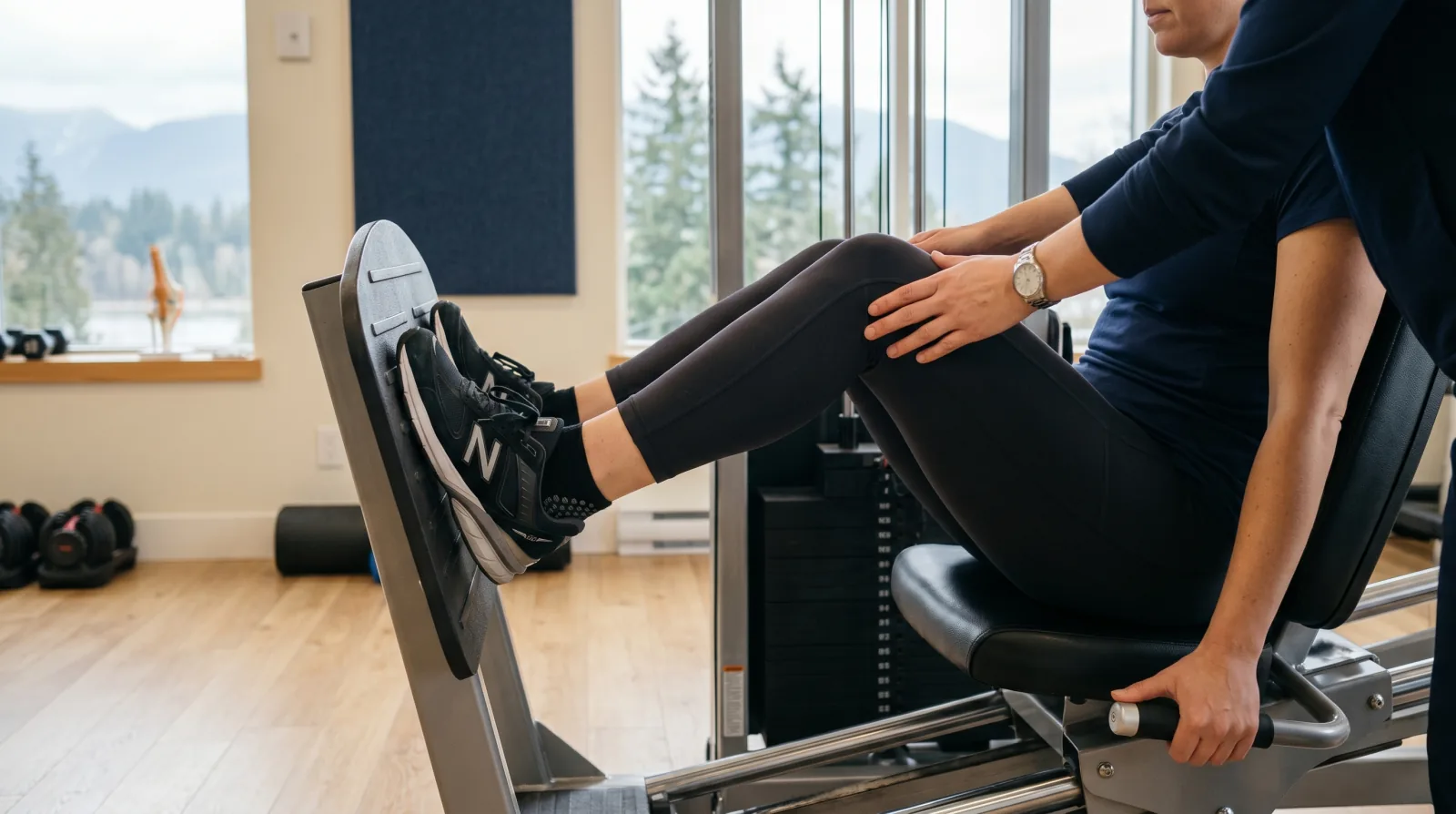 Return to Sport
ACL Prehab: Why the Weeks Before Surgery Shape Your Recovery
The weeks before ACL surgery are working time. Restoring the knee's movement and strength first measurably improves how you recover afterward.
READ Conditions
Shin Splints: Why Load Management Beats Stretching and New Shoes
Shin splints are a training-load problem, not a shoe problem or a stretching problem. Manage the load correctly and they settle, and you avoid the more serious injury they can hide.
READ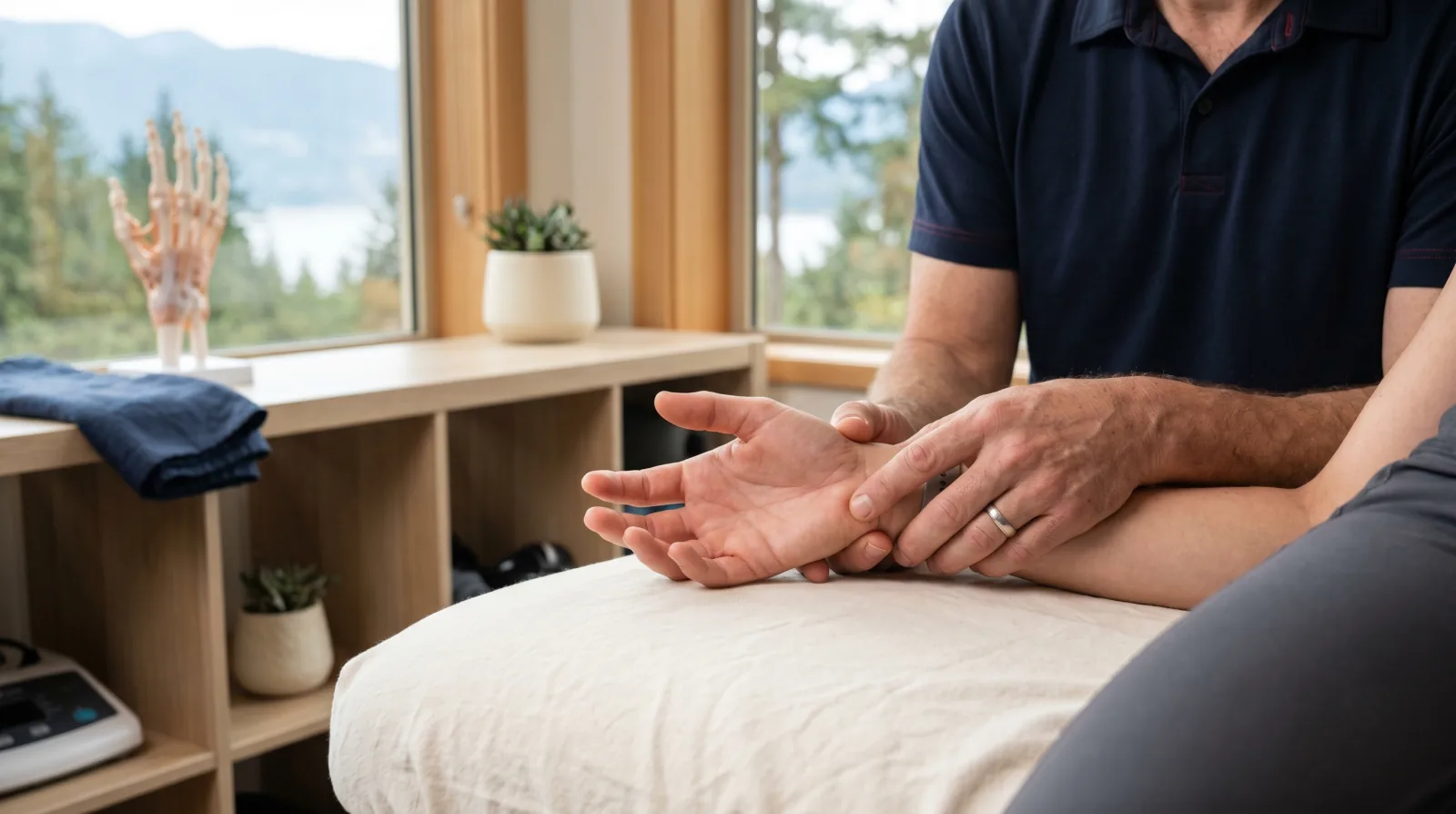 Conditions
Wrist Sprain or Scaphoid Fracture? Why a Sore Wrist After a Fall Deserves a Second Look
Most sore wrists after a fall are sprains. But one small bone, the scaphoid, can fracture and barely show on an early X-ray. Missing it is a problem worth avoiding.
READ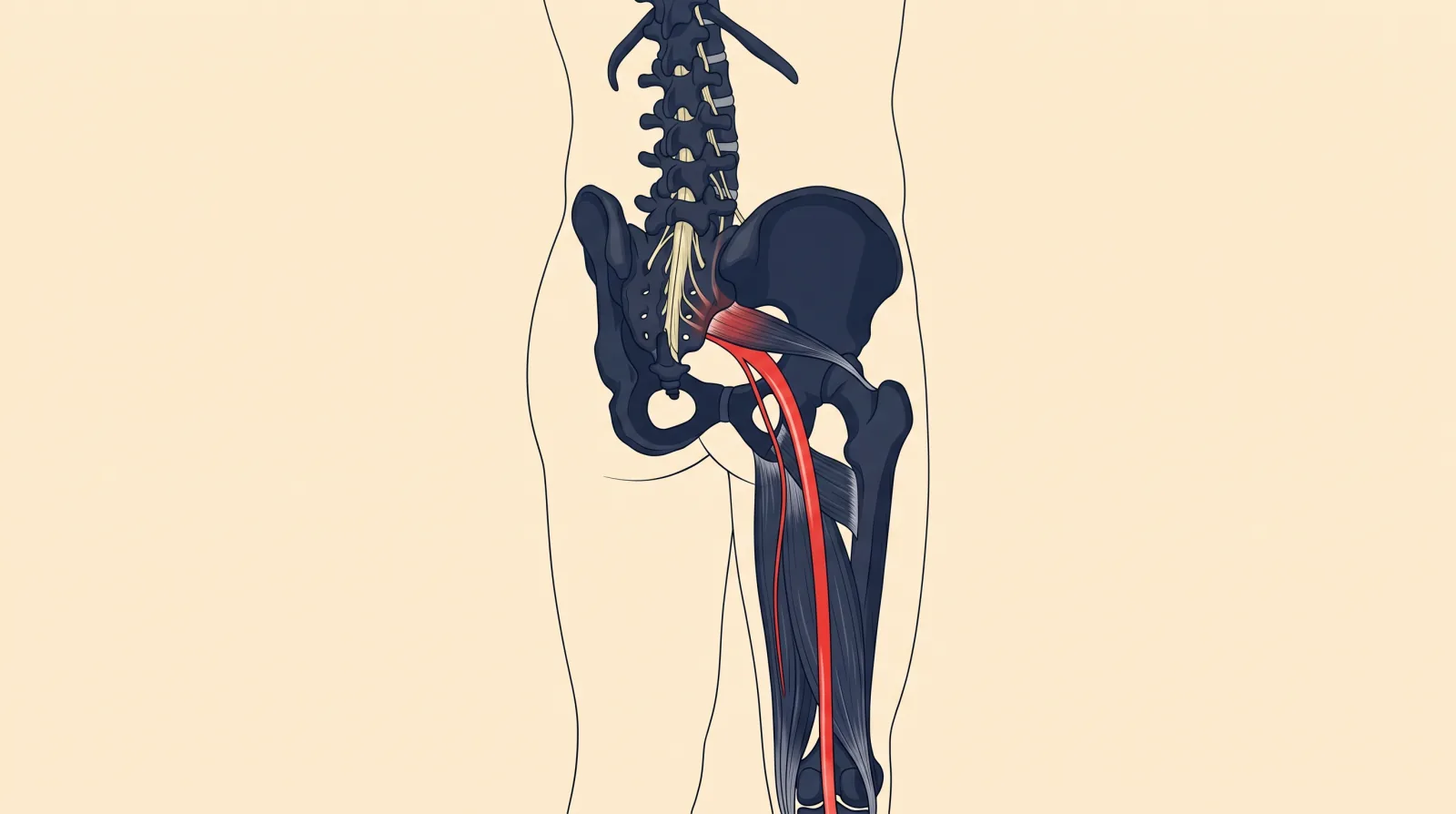 Conditions
Sciatica: When It's a Disc, When It's Referred, and Why It Matters
Sciatica is one of the most misused words in back pain. Telling true nerve-root pain from referred pain changes what helps, and most leg pain settles without surgery.
READ Return to Sport
Calf Strains: How to Get Back to Running Without Re-Tearing
The calf strain is the runner's mid-life injury. It heals quickly enough to fool you, then re-tears the moment you trust it. Here is how to come back properly.
READ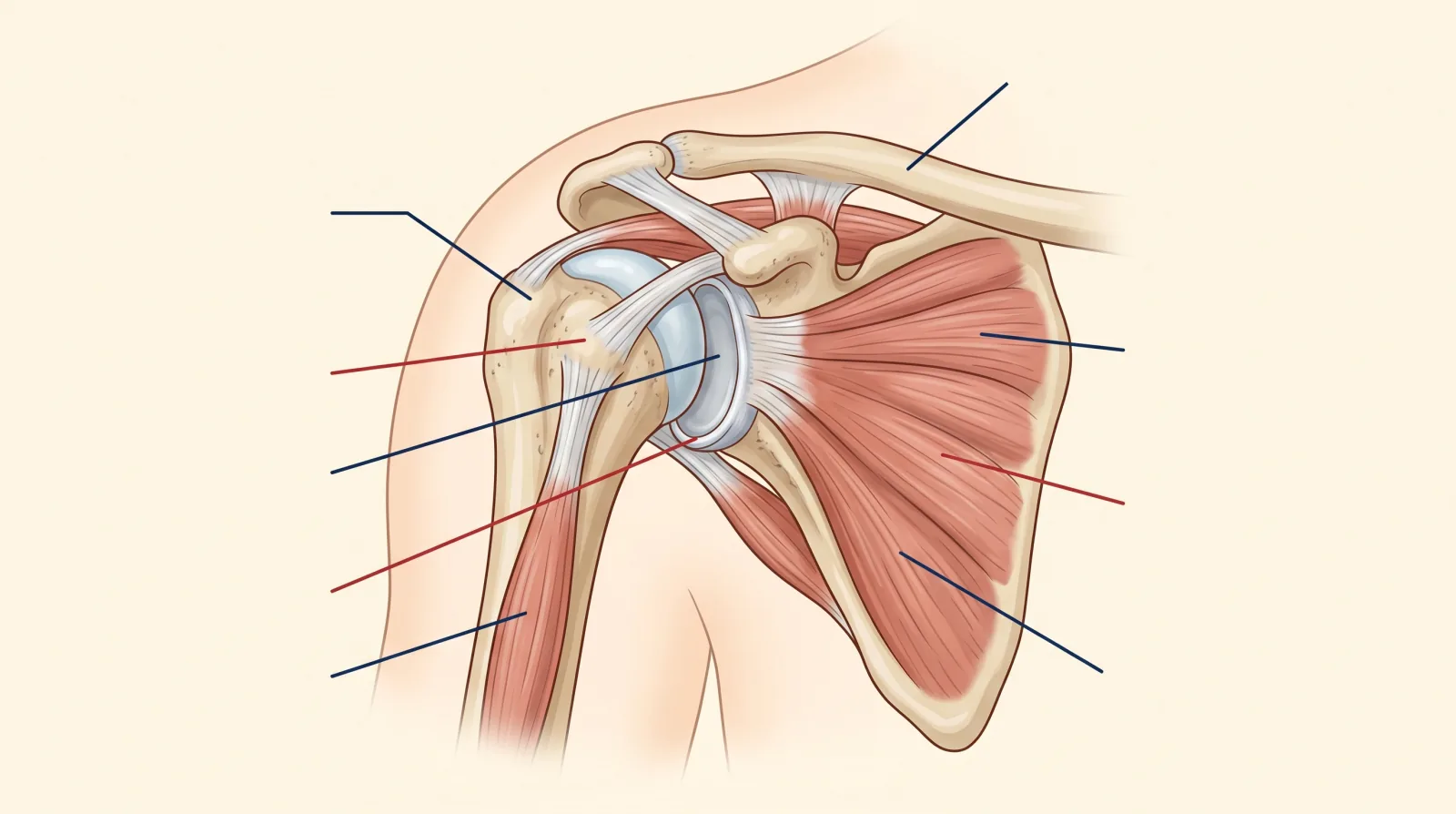 Shoulder
First-Time Shoulder Dislocation: Rehab, Surgery, and the Re-Injury Question
A first shoulder dislocation raises one urgent question: will it happen again? The answer depends heavily on your age and your sport, and it shapes the whole plan.
READ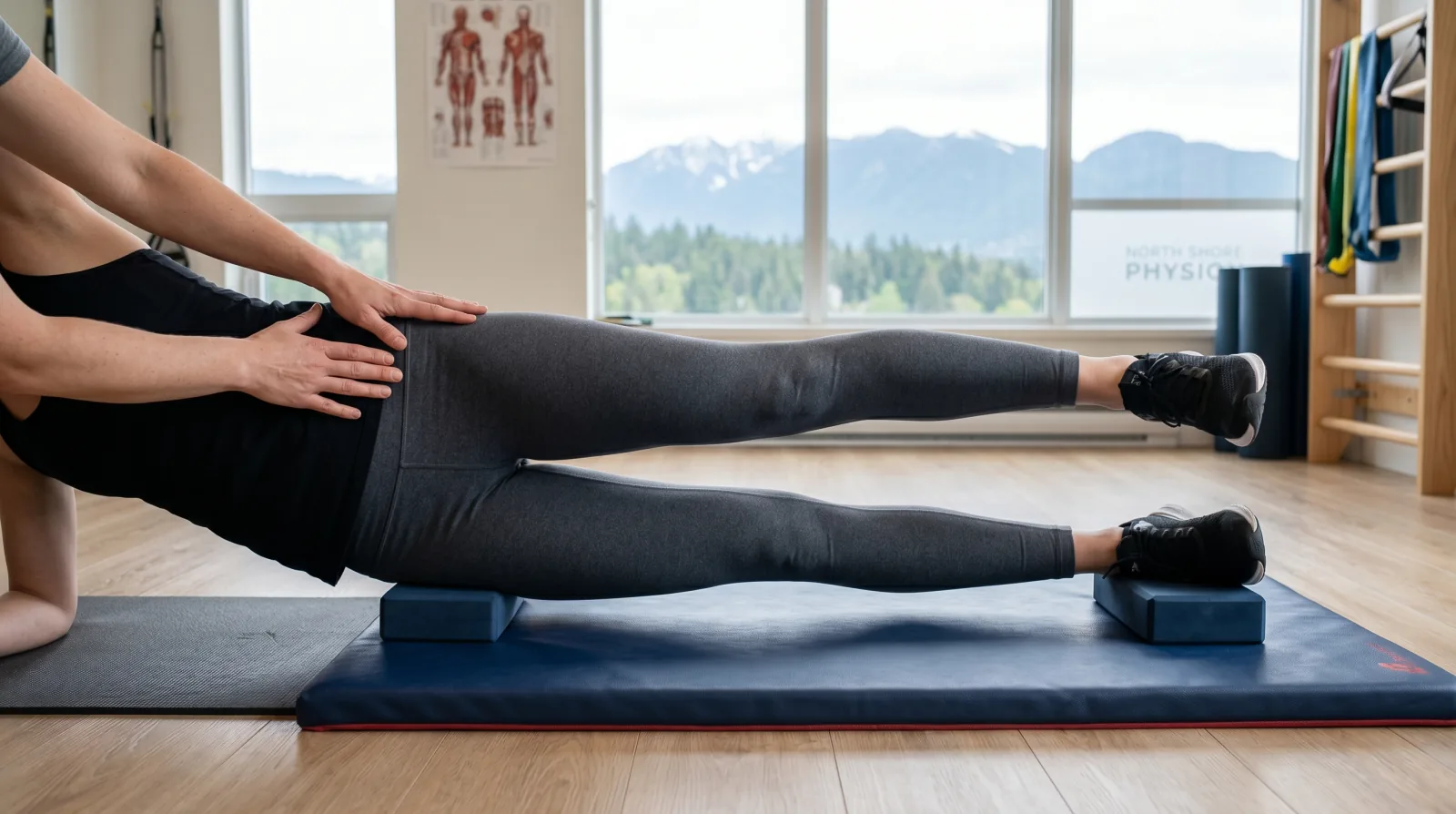 Return to Sport
Groin Strains in Hockey and Soccer: Why the Copenhagen Exercise Matters
Groin strains are notorious for coming back. The reason is usually under-loaded adductors, and one exercise has become central to fixing that.
READ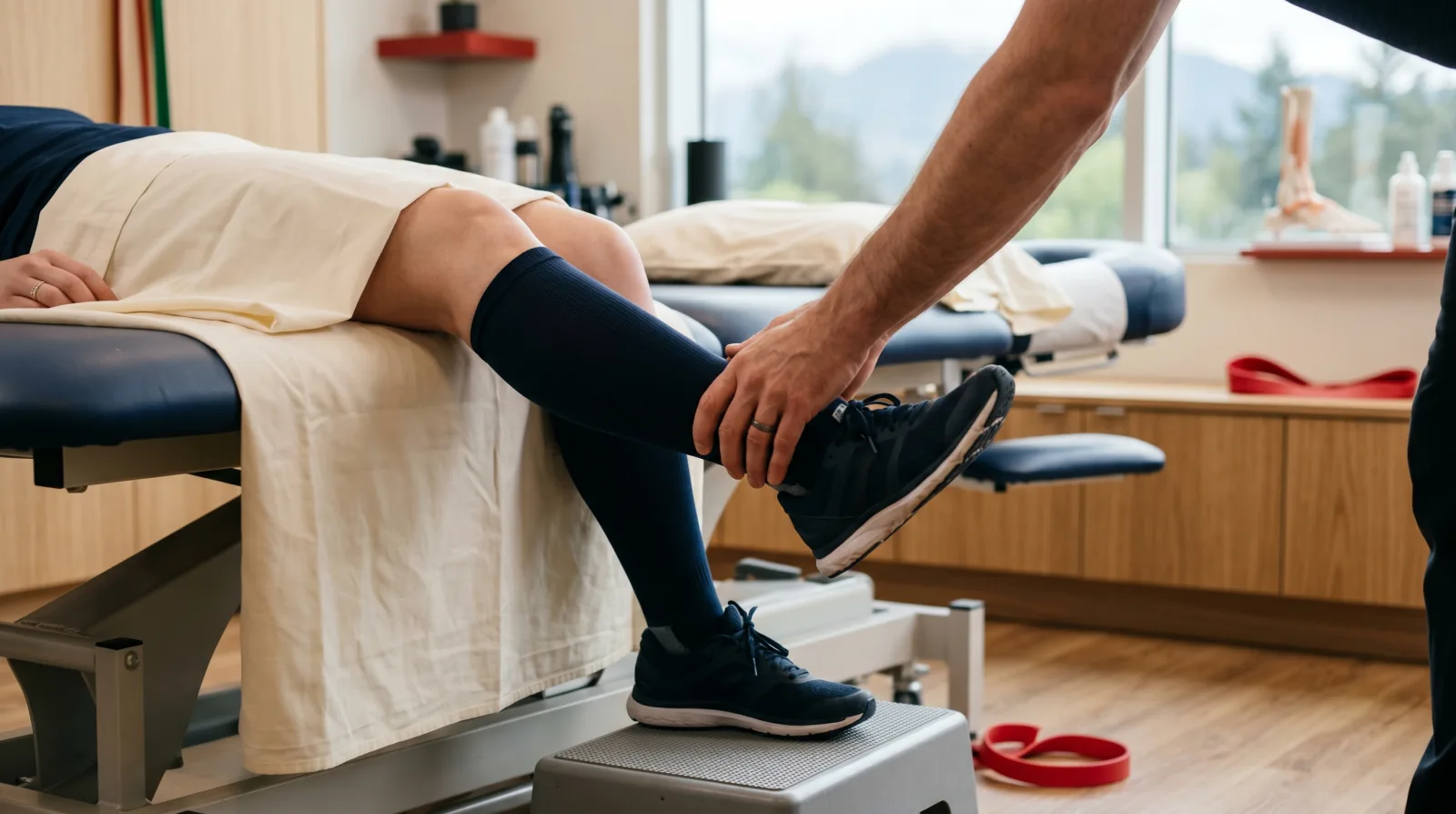 Tendinopathy
Achilles Tendinopathy: Why Loading Beats Rest for a Sore Heel Cord
A sore, stiff Achilles in the morning is one of the most common running injuries on the North Shore. The fix is rarely rest. It is loading the tendon in the right way.
READ For Clients
Paying for Physiotherapy in BC: Benefits, Direct Billing, and MSP
Most people leave physiotherapy coverage on the table because the rules are confusing. Here is how the funding actually works in BC, and how to use it.
READ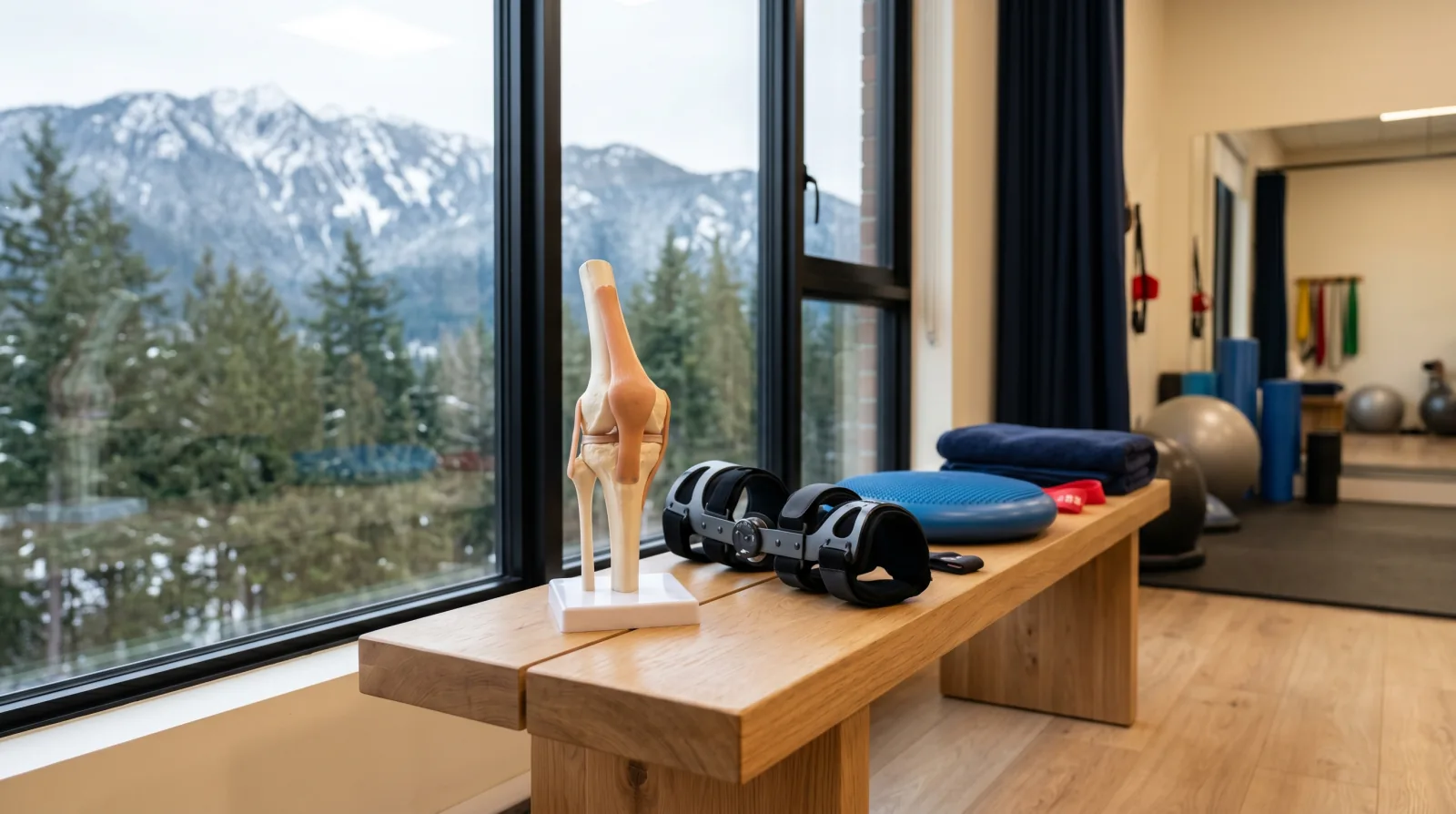 Conditions
Ski Knee Injuries: When an MCL Rehabs and an ACL Needs an Opinion
A twisted knee on the local mountains usually means one of two ligaments. One almost always rehabs without surgery. The other deserves a surgical opinion early.
READ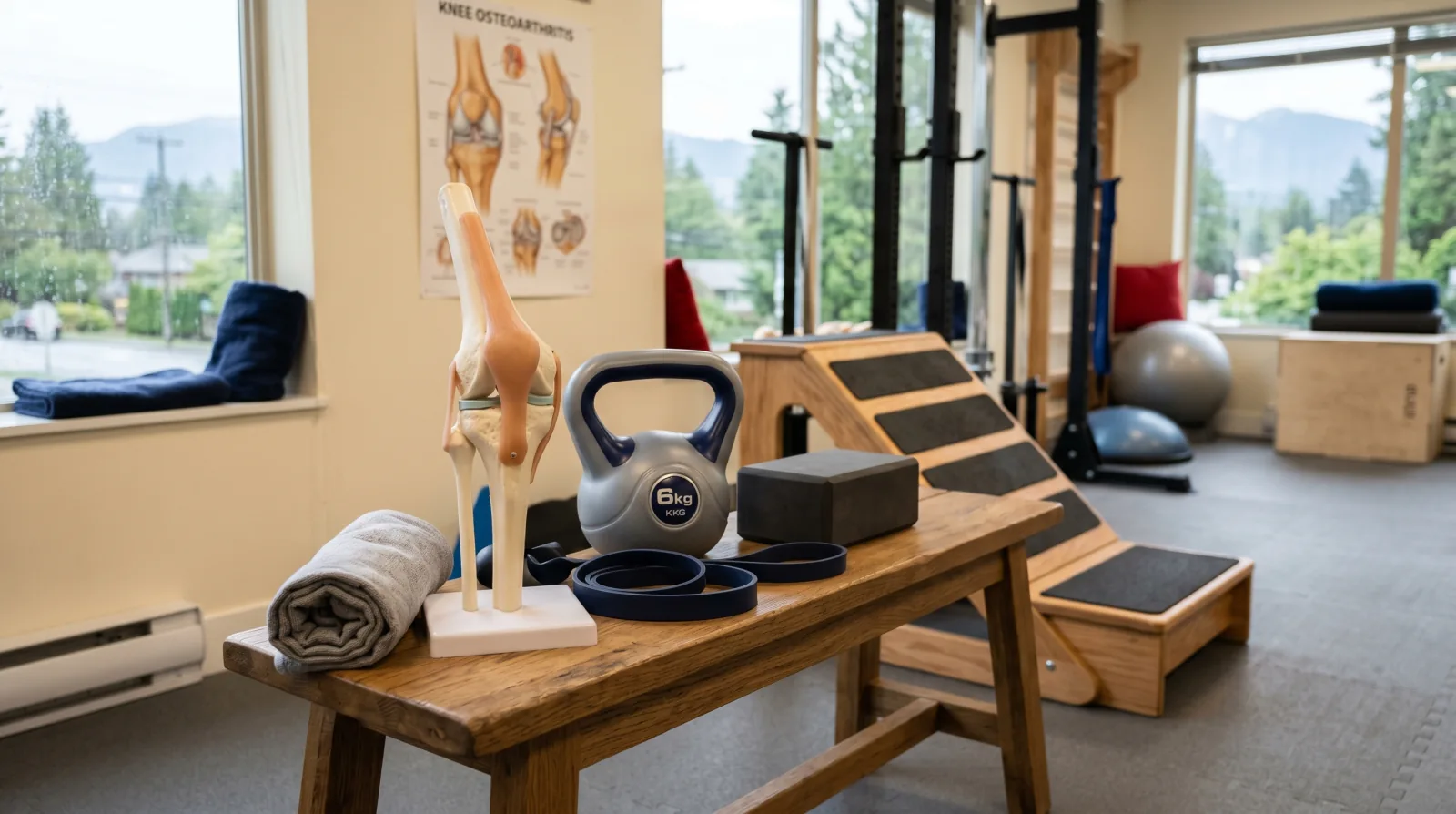 Conditions
Knee Osteoarthritis: Why Strength Work Comes Before the Surgeon
A worn knee on an X-ray does not have to mean a joint replacement is next. For knee osteoarthritis, the first-line treatment is strength work, not surgery.
READ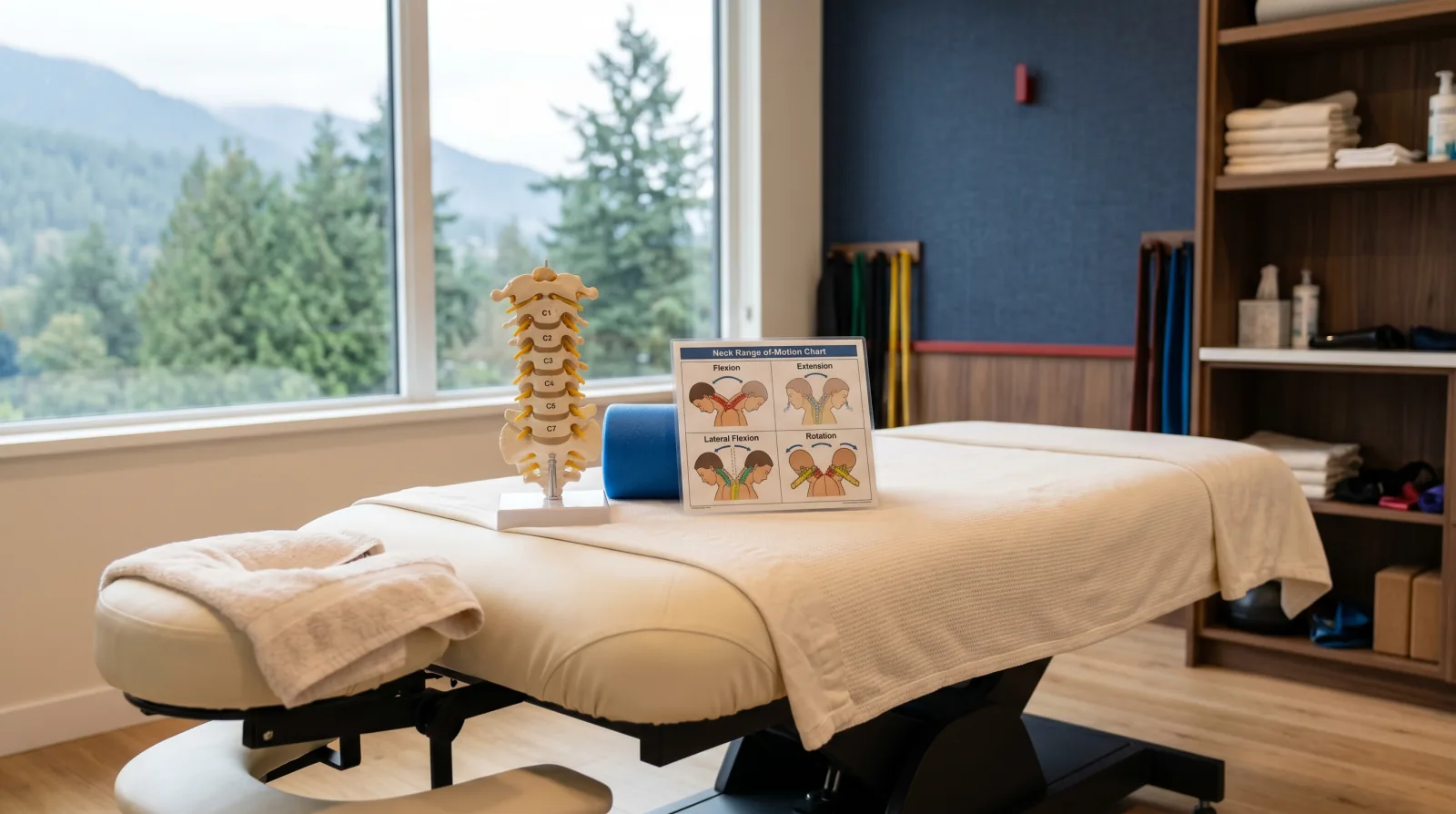 Conditions
Headaches From Your Neck: When a Desk Job Is the Cause
Some headaches start in the neck, not the head. For desk workers, that distinction changes what actually treats them.
READ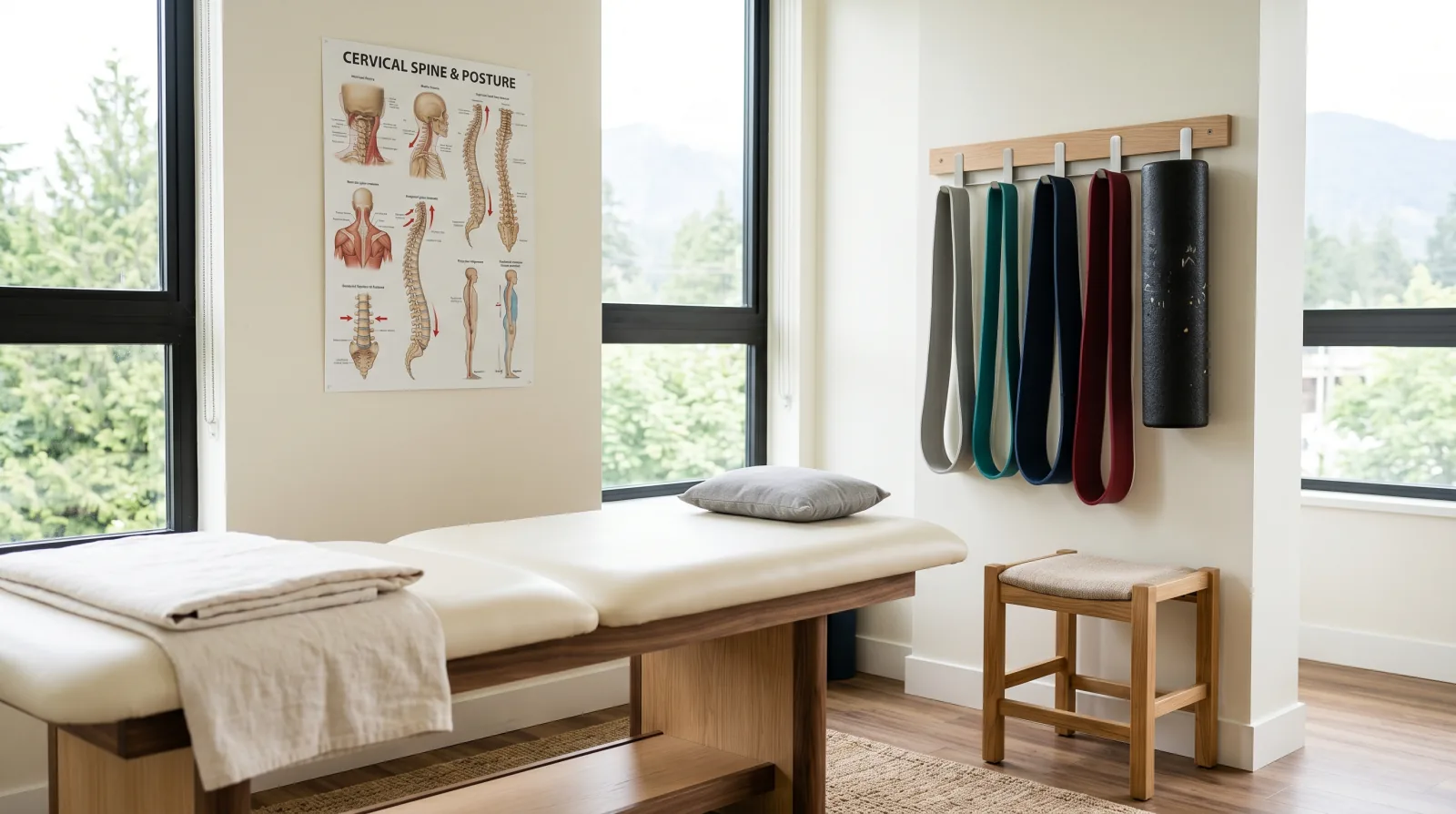 Conditions
Whiplash Recovery: Why Moving Your Neck Beats Resting It
After a rear-end crash, the instinct is to rest the neck and reach for a collar. The evidence points the other way, and the gap matters for long-term recovery.
READ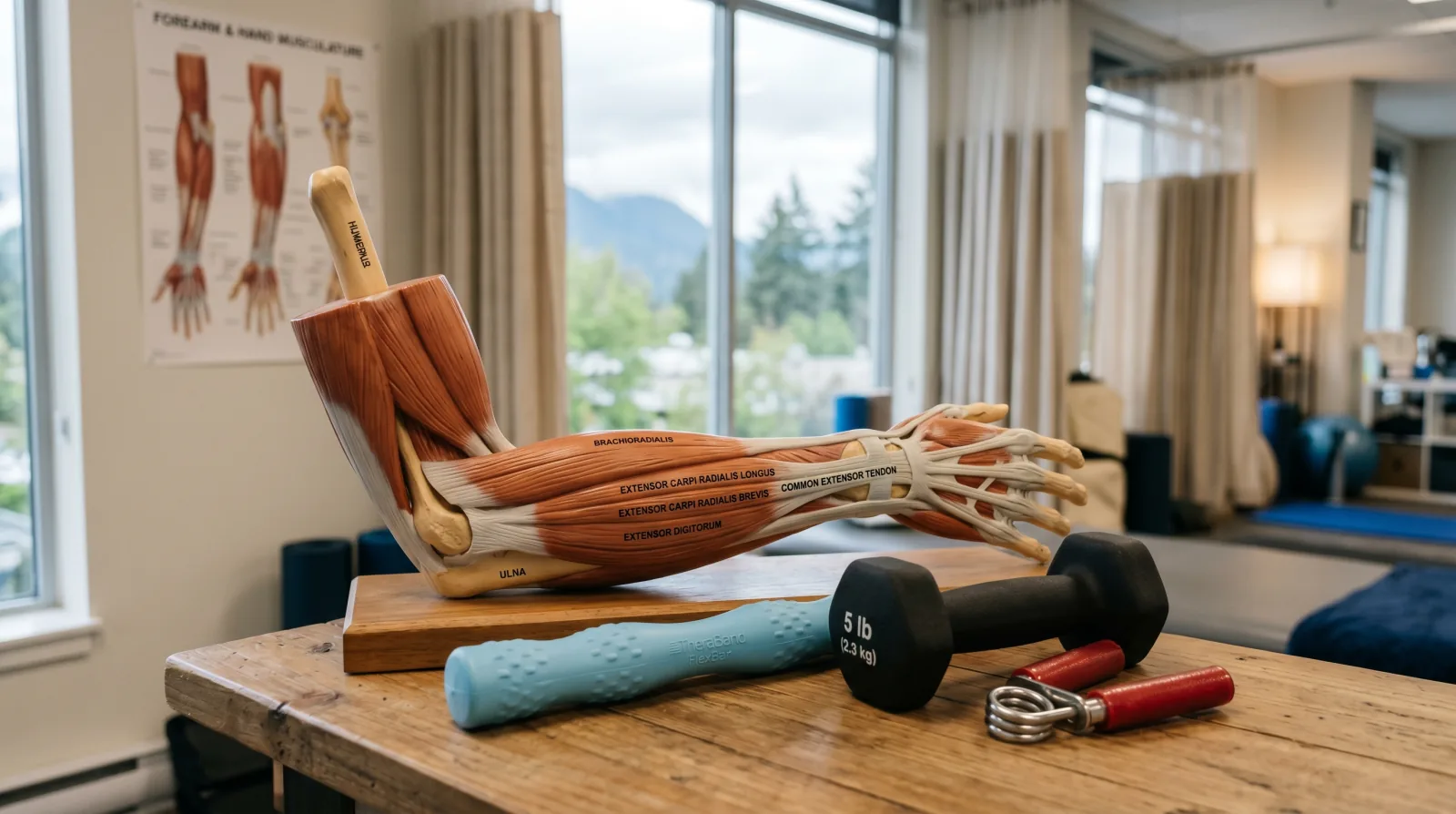 Conditions
Tennis Elbow: Why a Cortisone Shot Can Cost You Later
A cortisone shot can settle tennis elbow for a few weeks. The trade-off shows up a year later, and the evidence on it is hard to ignore.
READ Conditions
Rotator Cuff Shoulder Pain: Why Exercise Usually Comes Before Surgery
Most rotator cuff shoulder pain responds to a structured loading program. Surgery has a narrower role than people expect, and the evidence is clear on where it sits.
READ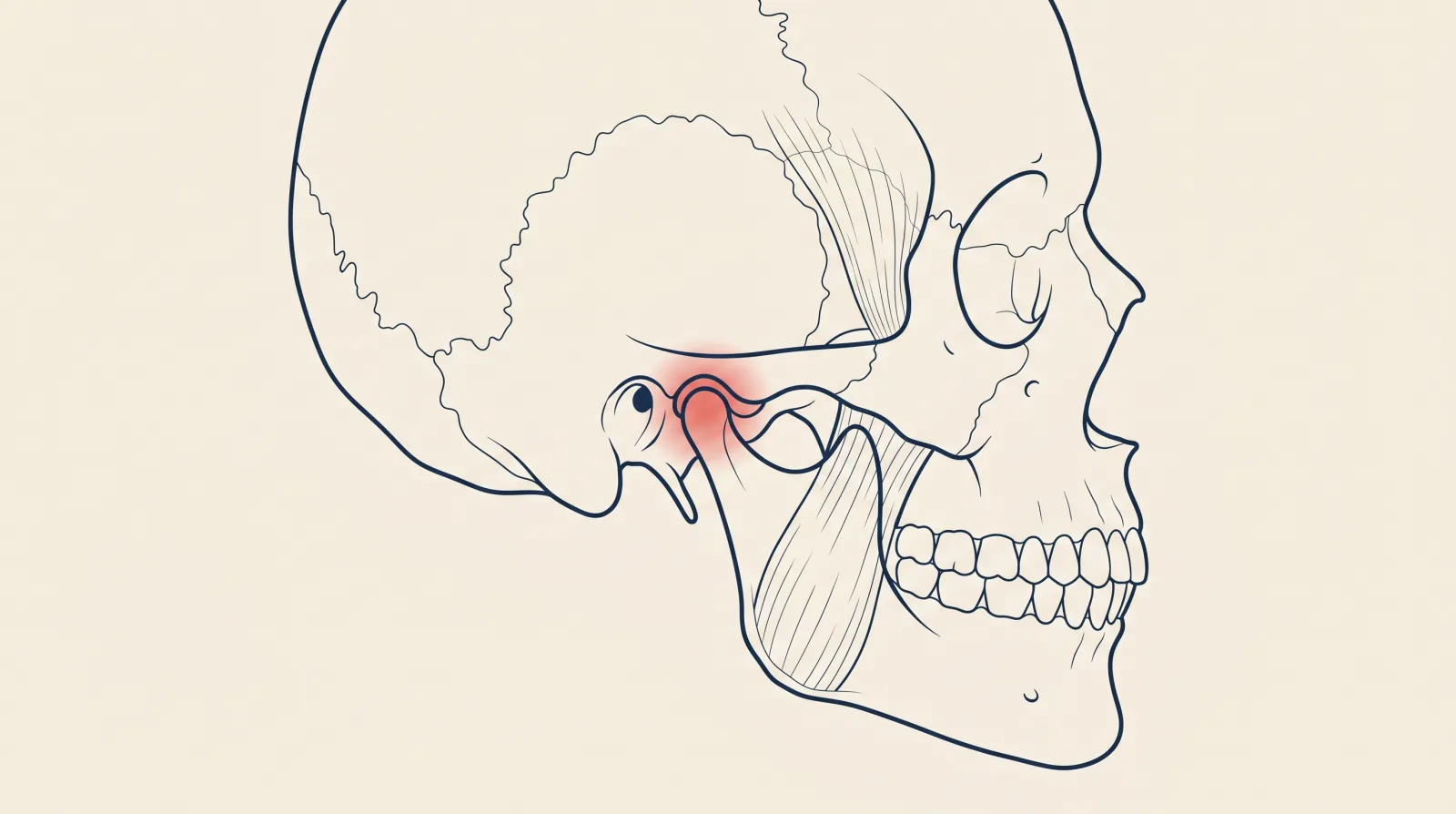 Jaw & TMJ
TMJ Physiotherapy: How Physio Helps Jaw Pain
Jaw pain, clicking, and limited opening are common, and most cases are not a dental problem. Manual therapy and jaw exercise are an evidence-based first-line option for temporomandibular disorders, and the neck is involved more often than people expect.
READ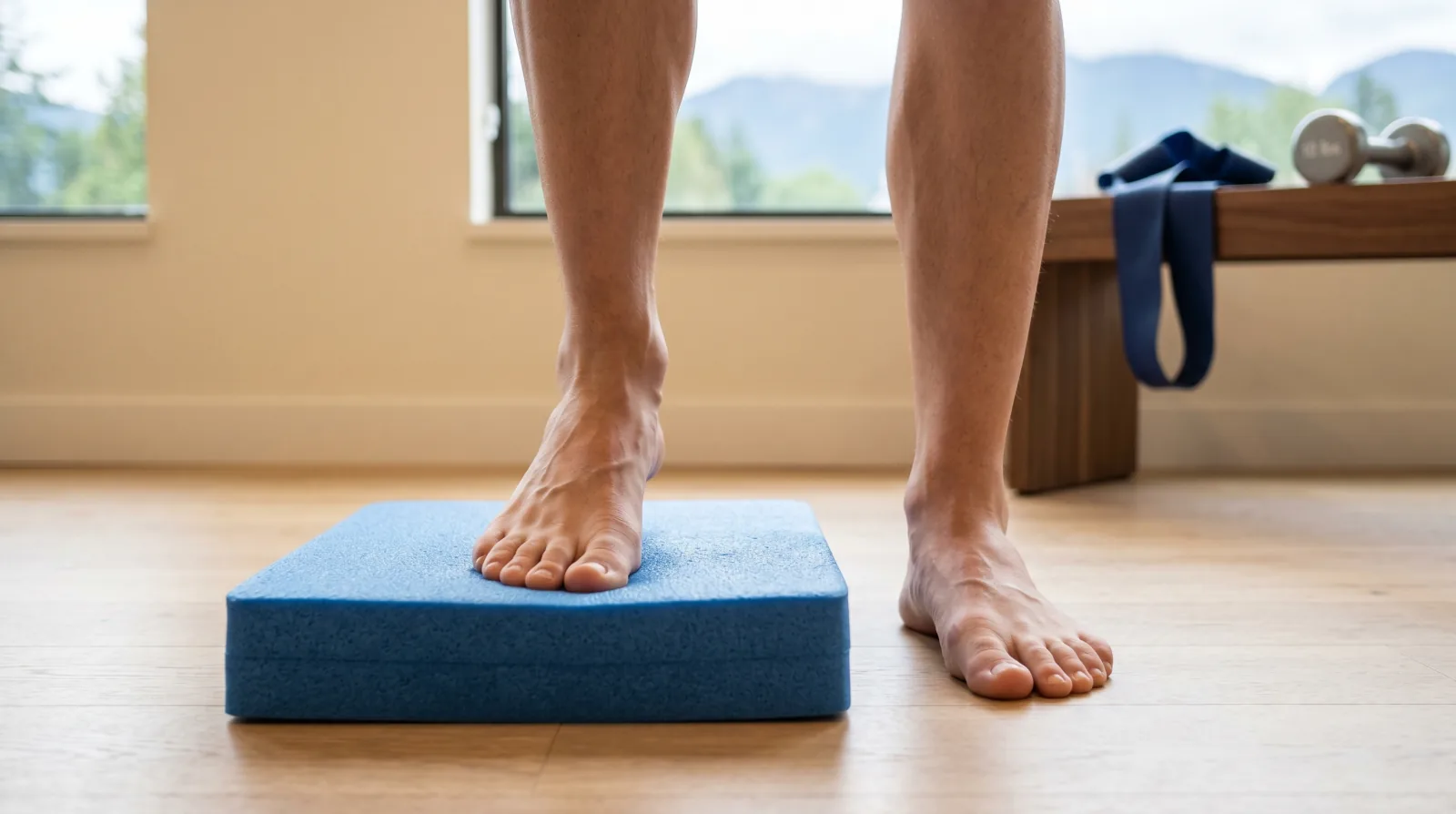 Ankle and Foot
Ankle Sprain Rehab Beyond RICE: Balance Retraining and Why Reinjury Is the Real Risk
Most ankle sprains get a tensor bandage, a few days of rest, and a return to activity once the swelling settles. The reinjury rate tells us that pathway is leaving most patients functionally underprepared. Here is what we add.
READ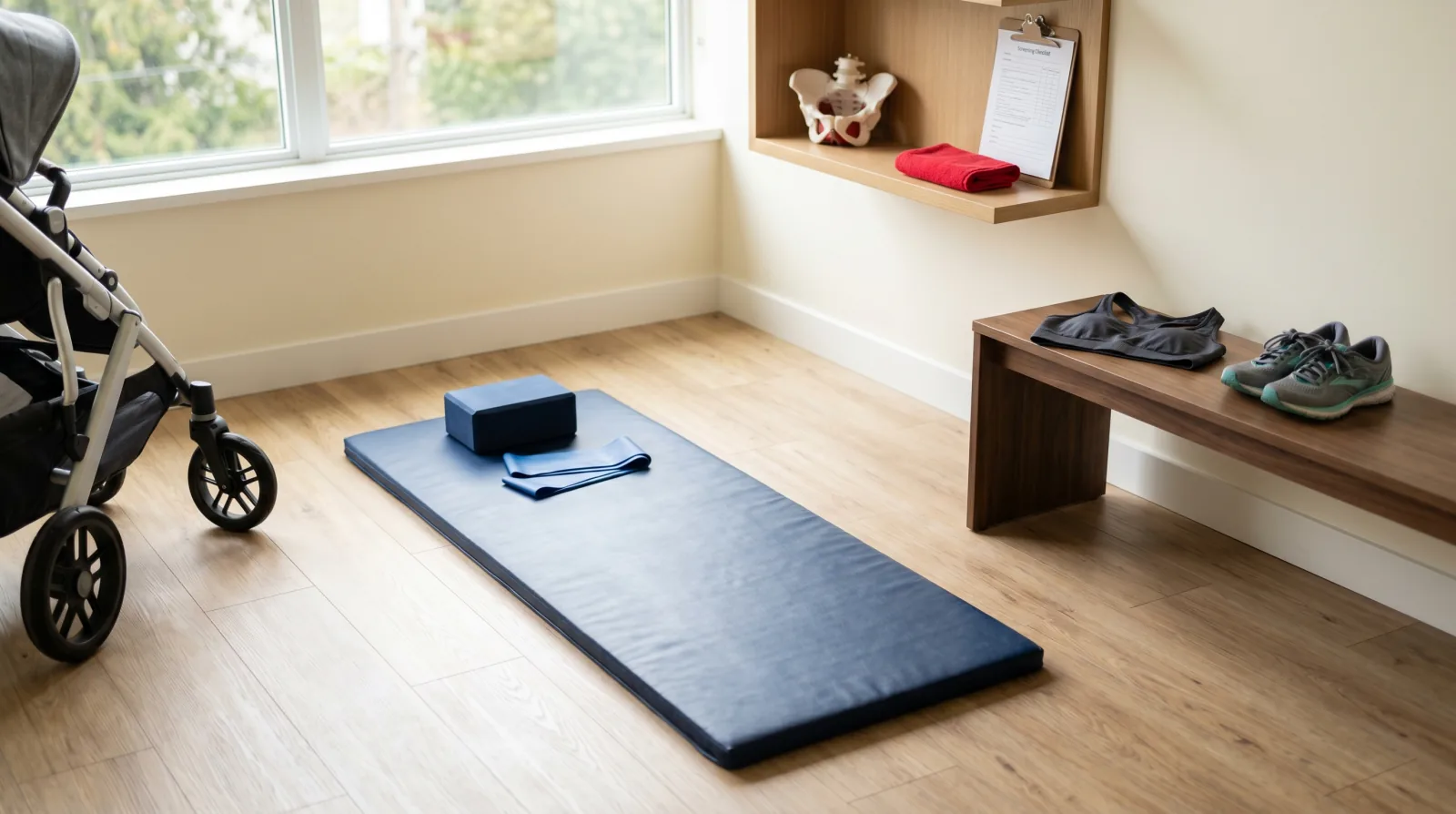 Pelvic Health and Return to Sport
Postpartum Return to Running: The 12-Week Readiness Screen and Why It Matters
The 6-week obstetric clearance confirms the uterus has involuted and the wound has healed. It does not confirm the pelvic floor and trunk are ready to absorb running ground reaction forces. Here is the screen that does.
READ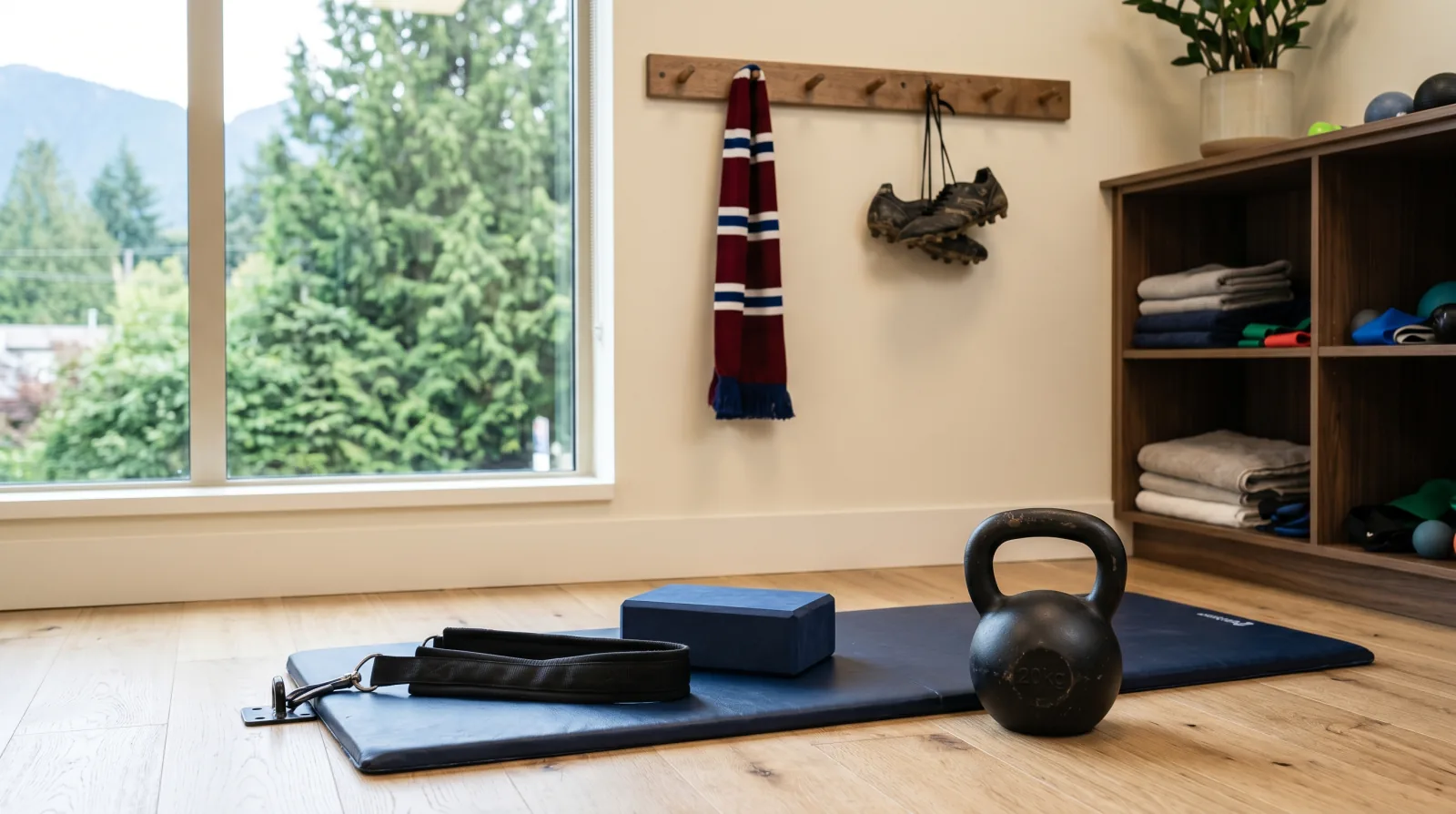 Return to Sport
Hamstring Strains in BC Soccer and Rugby: Nordic Curls, the L-Protocol, and What the Evidence Supports
Hamstring strains are the most common time-loss injury in soccer and rugby. They also have one of the highest reinjury rates. The Askling L-protocol and Nordic hamstring program change both numbers, but only when the dose is right.
READ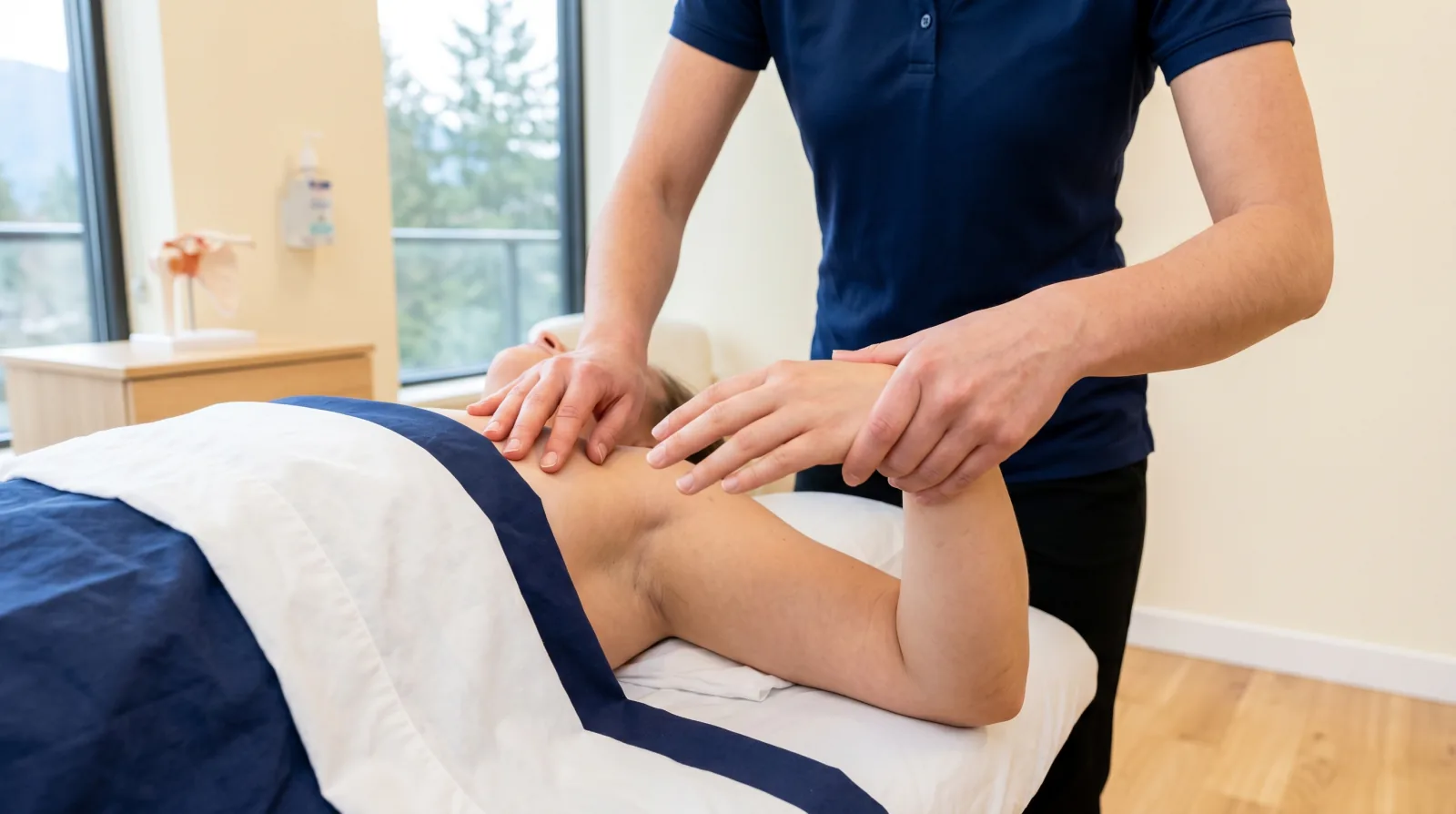 Shoulder
Frozen Shoulder Stages: Why the Right Treatment Changes Each Phase
Frozen shoulder is one of the few conditions where treating it aggressively early makes it worse. Knowing which phase you are in determines whether you should be stretching, moving, or waiting for irritability to settle.
READ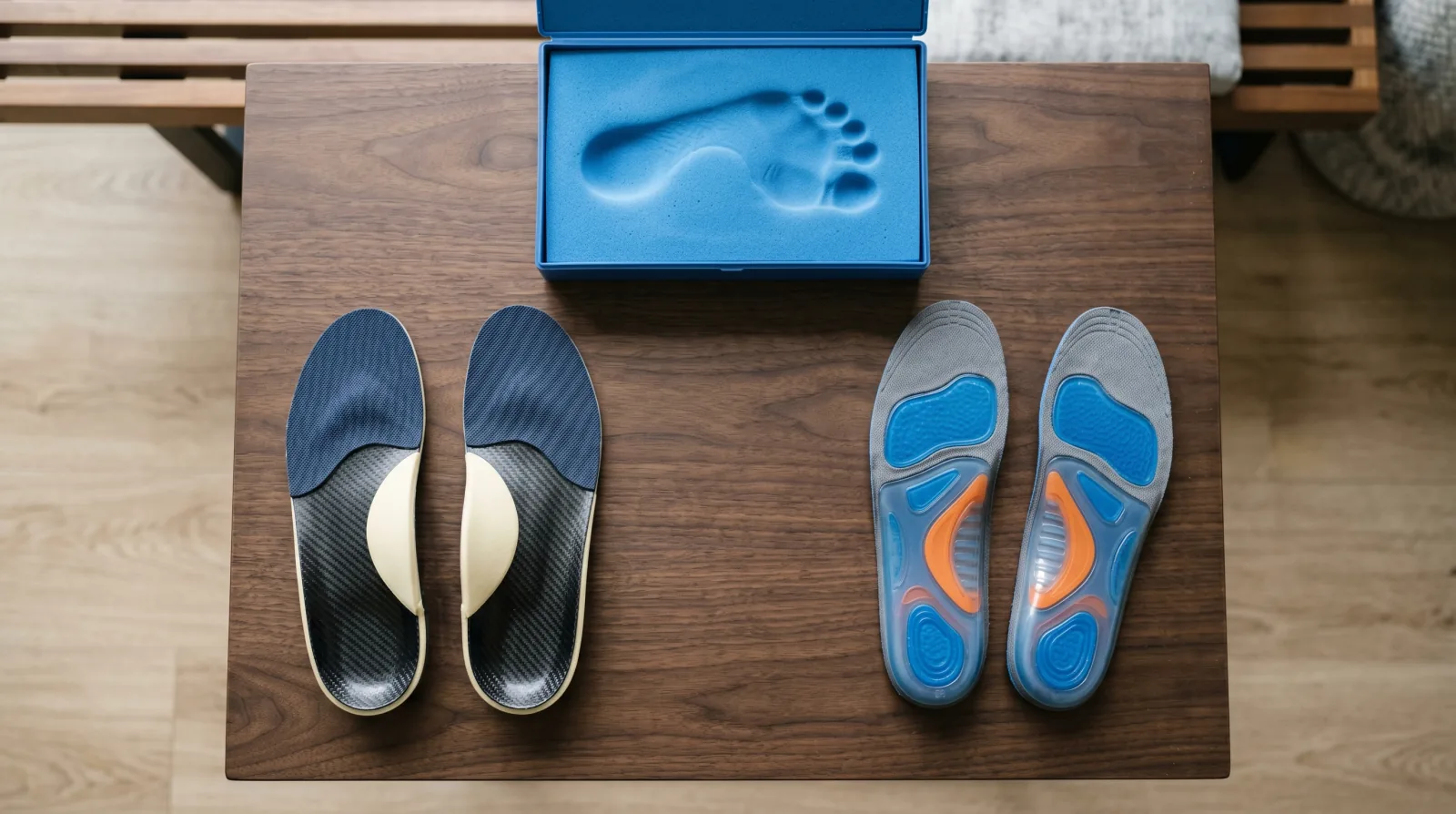 Custom Orthotics
Custom Orthotics vs. Off-the-Shelf Inserts: When the Extra Cost Is Worth It
Custom orthotics and the $40 insole at the drugstore are different tools for different problems. Here is how we decide which one is right for you at our North Vancouver clinic.
READ Vestibular Rehabilitation
Vestibular Rehab for BPPV: When the Epley Maneuver Solves It in a Single Visit
BPPV is the most common cause of vertigo. It is also the most treatable. A correctly performed positional maneuver resolves it in a single visit for most patients, but only after the involved canal is identified.
READ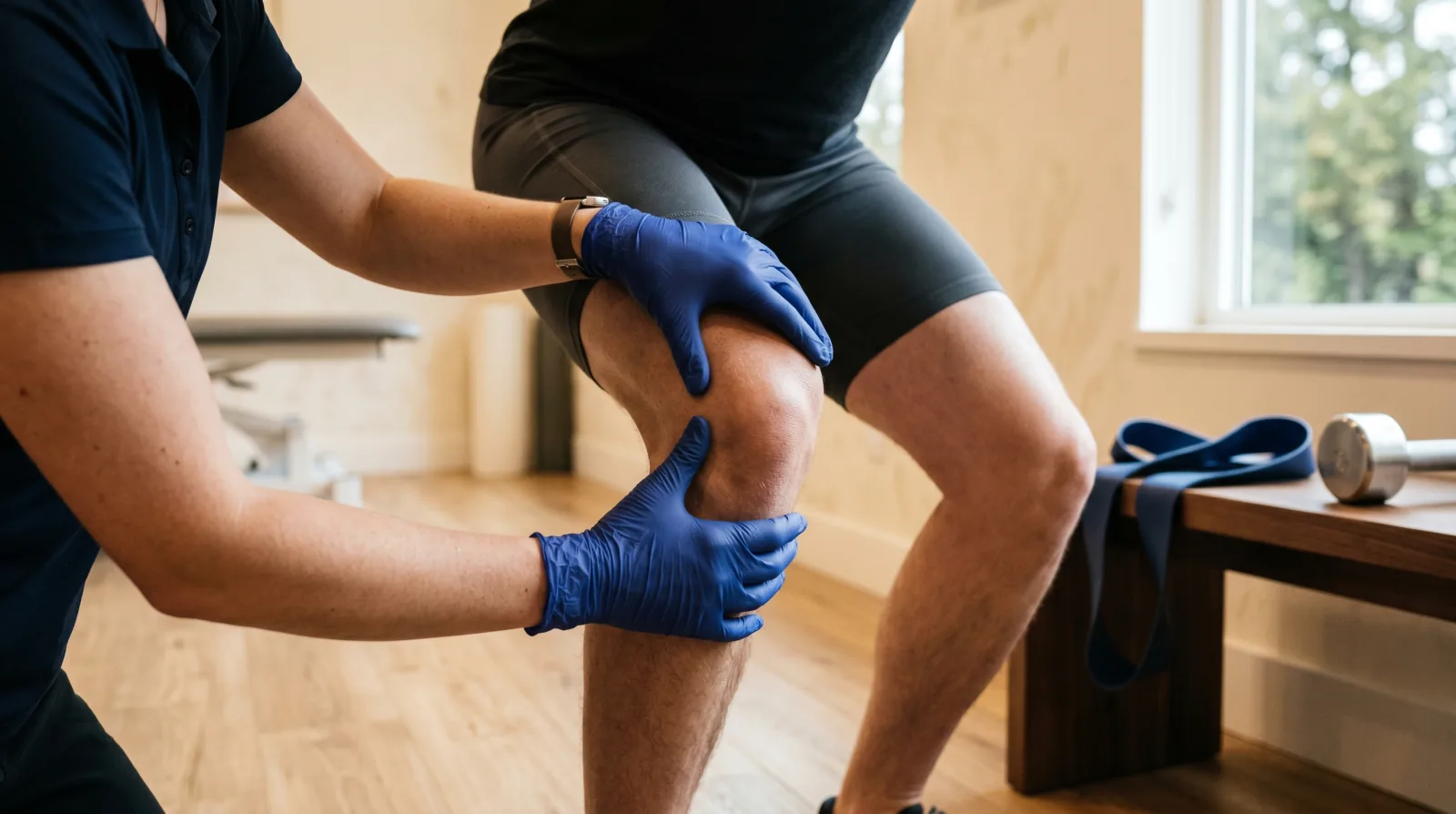 Tendinopathy
Patellar Tendinopathy (Jumper's Knee): Why Heavy Slow Resistance Beats Stretching and Rest
Patellar tendinopathy does not respond to rest. It responds to heavy, slow, controlled loading. Here is the evidence behind it, what the protocol looks like, and the mistakes that send people back to square one.
READ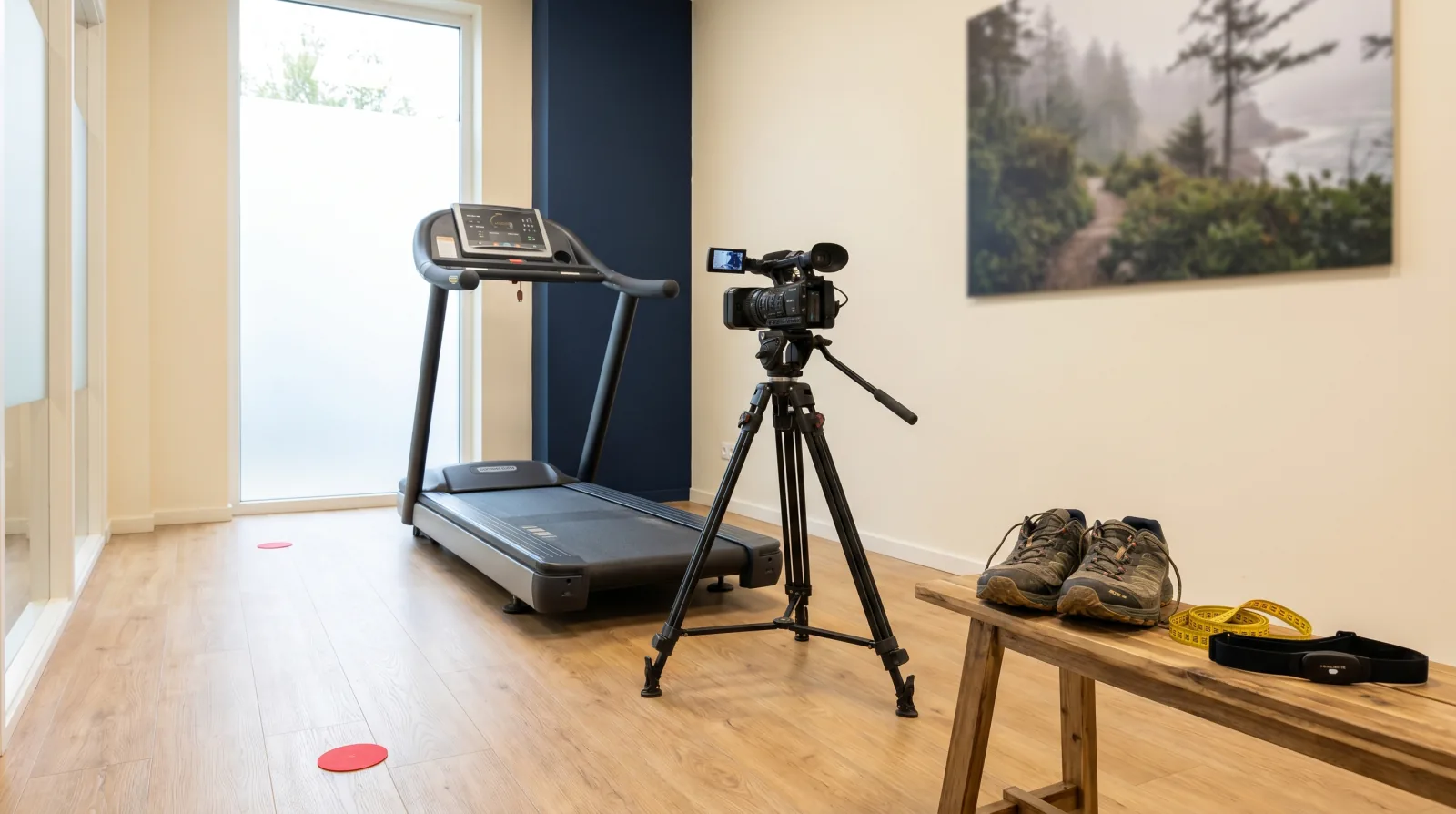 Return to Sport
Running Gait Analysis for North Shore Trail Runners: What It Catches and What It Misses
A gait analysis is most useful for the runner who keeps getting injured in the same spot. Here is what a clinical analysis at Medstar looks for, what the evidence supports changing, and the trail-specific patterns we see most on the North Shore.
READ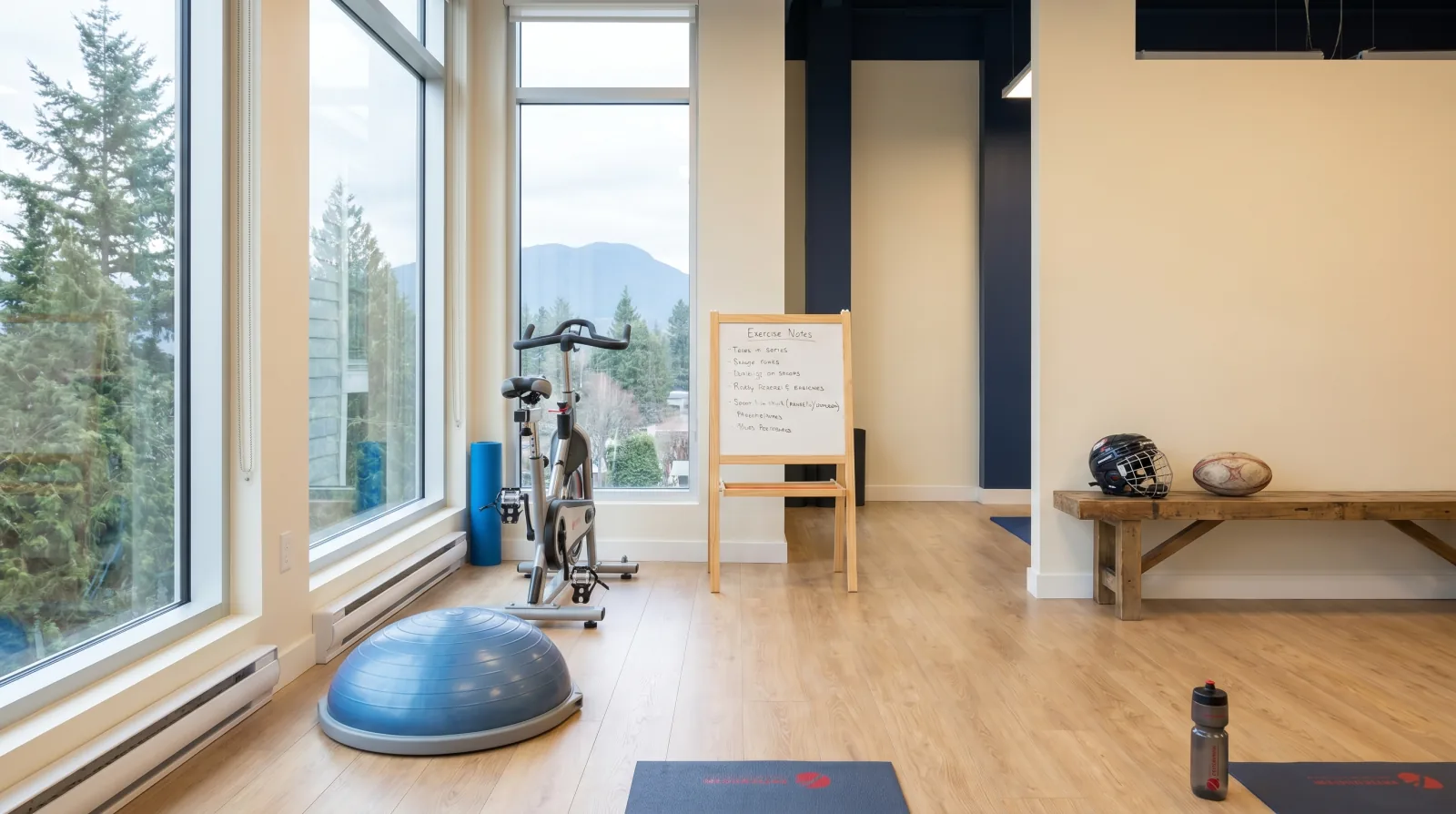 Return to Sport
Concussion Return-to-Play: The Six-Step Protocol and What Each Step Means
The current concussion return-to-play framework is six graded steps with a medical clearance in the middle. Here is how each step looks in practice for a North Shore athlete, plus the steps people most often skip.
READ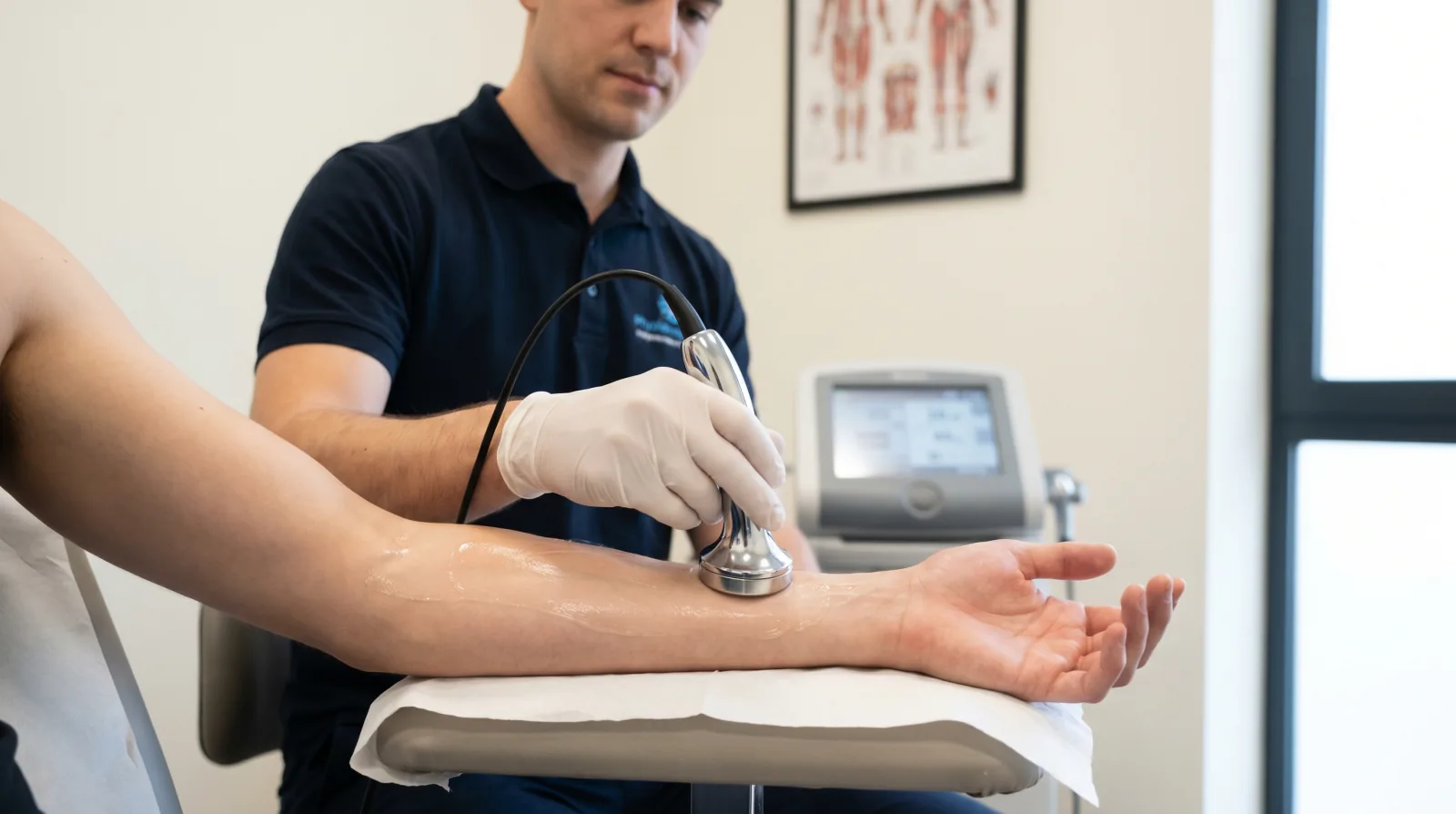 Treatment Modalities
TECAR Therapy for Tendinopathy: What the Modality Actually Does
TECAR is one of the newer adjunct modalities in tendinopathy care. The mechanism is real, the evidence is early, and the role is supportive alongside the loading work.
READ Coverage & Paperwork
WorkSafeBC Physiotherapy: How a Claim Actually Moves Through Treatment
WorkSafeBC physiotherapy moves on a tighter reporting cadence than ICBC or private extended health. Here is what your physiotherapist is actually filing, how the phase system works, and what tends to get a claim into trouble.
READ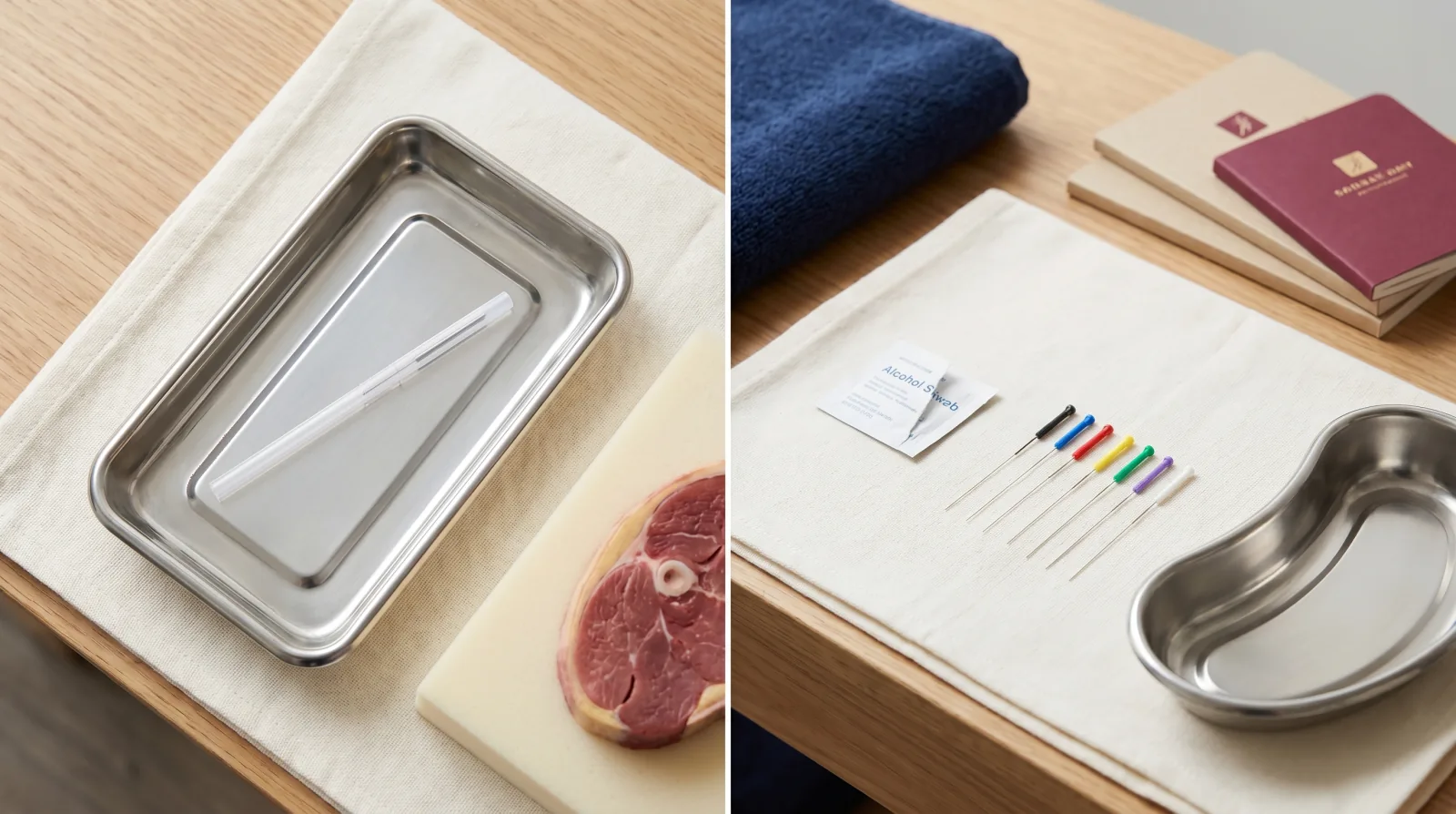 Choosing Care
IMS Dry Needling vs. Acupuncture in BC: Different Tools, Different Scopes
IMS dry needling and acupuncture both use a thin filament needle. Everything else differs: training, regulator, scope, and clinical reasoning. Here is how to pick the right one for your symptom.
READ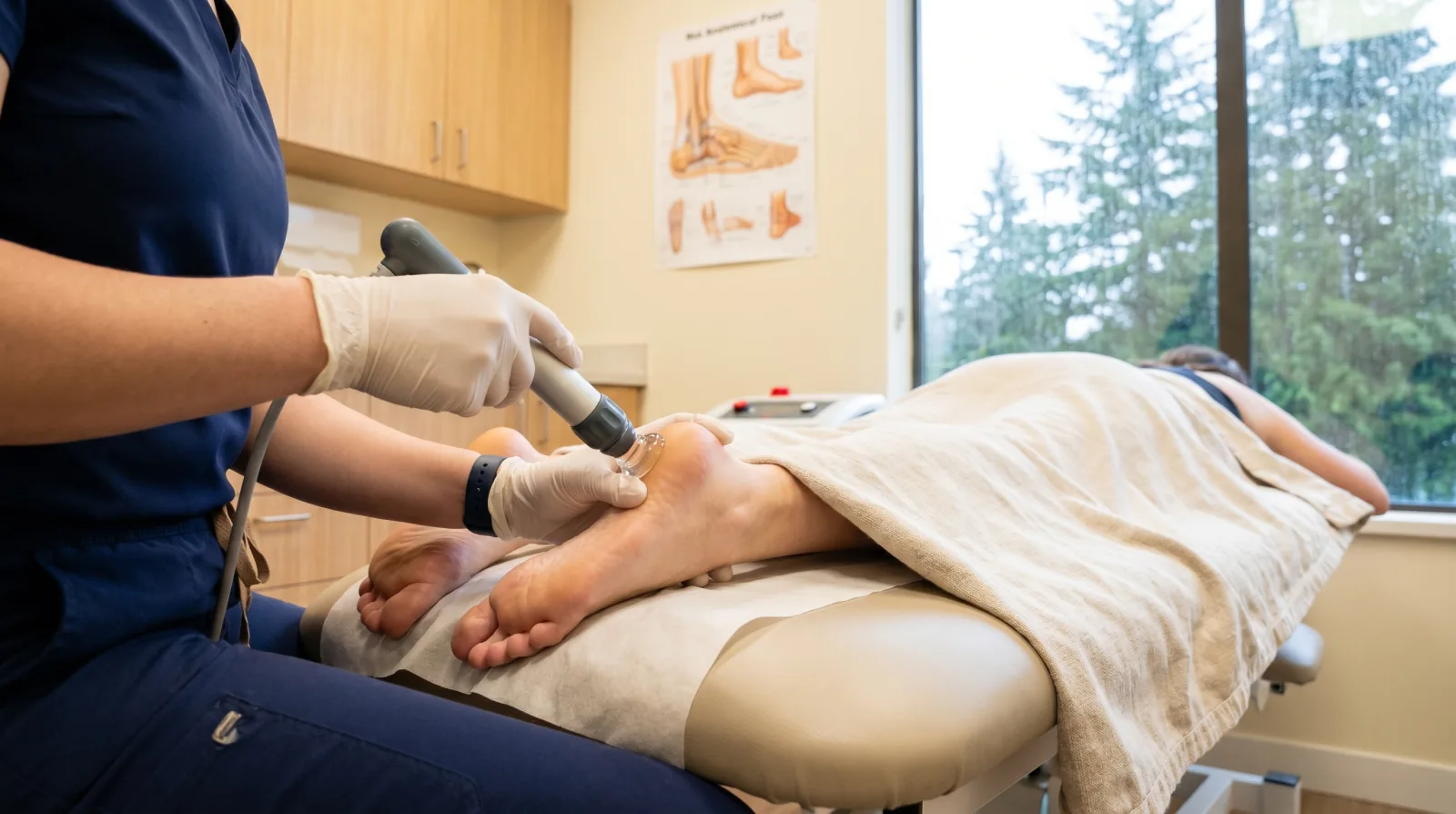 Treatment Modalities
Shockwave Therapy for Plantar Fasciitis: When It Helps and When It Doesn't
Shockwave is one of the better-supported modalities for stubborn plantar fasciitis, but it is not a first-line treatment and it is not a fix for everyone. Here is when we use it at Medstar, and the cases where we don't.
READ Choosing Care
When MRI Is Actually Needed for Low Back Pain, and When It Isn't
Most low back pain does not need imaging in the first six weeks. The cases that do are defined by red flags, not by pain intensity. Here is how the decision is made, and what a positive MRI does and doesn't mean.
READ- Return to Sport
Criteria-Based Return to Sport: Why the Calendar Is Not Your Coach
Two athletes with the same injury can be in completely different places at six weeks. Here is how sport physiotherapy makes the return-to-play decision, and why the calendar is the wrong tool for the job.
READ 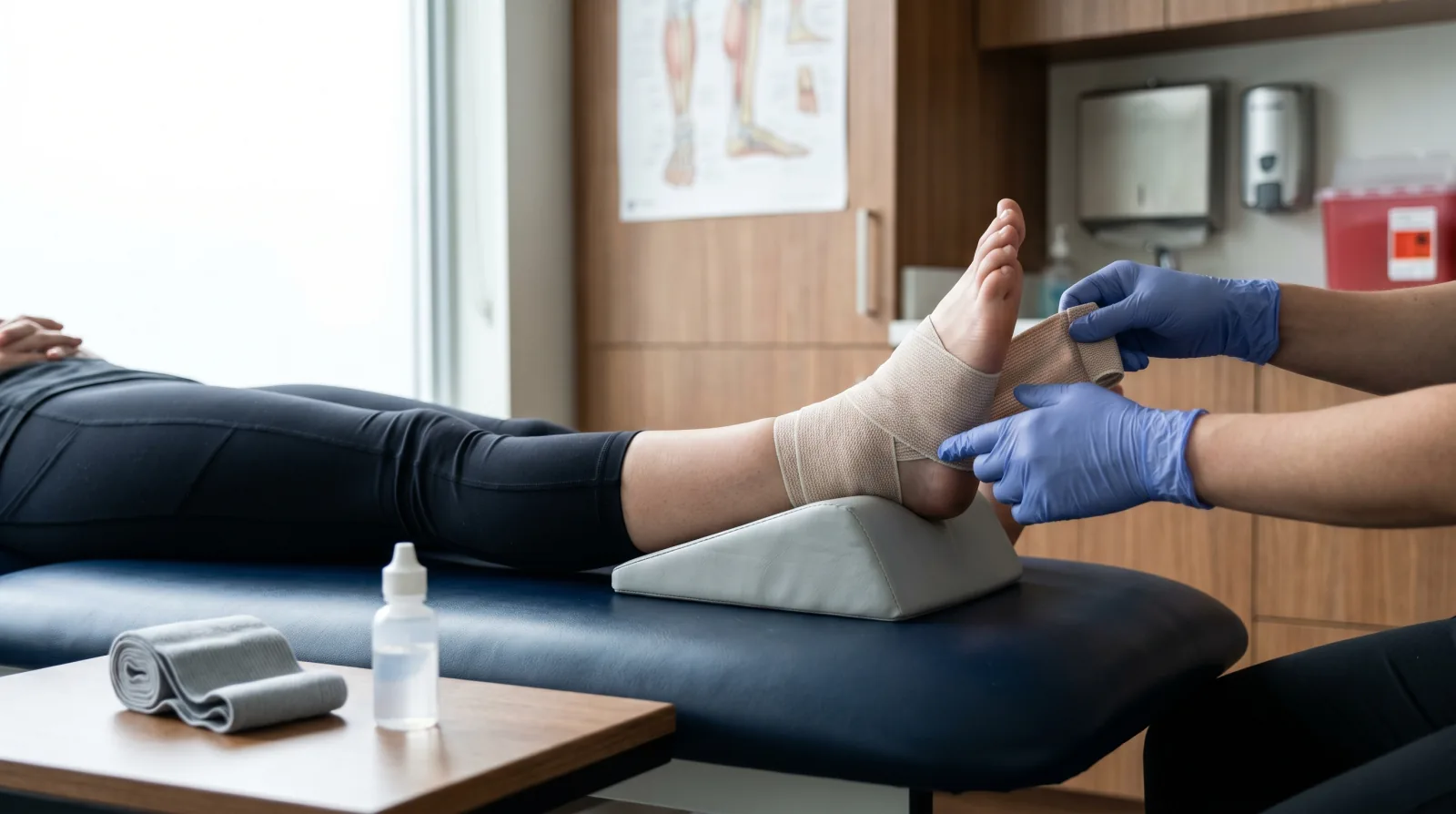 Rehab Frameworks
PEACE & LOVE: Why Sport Physiotherapy Replaced the RICE Protocol
Rest, Ice, Compression, Elevation was the standard for decades. Current sports-medicine consensus has moved on. Here's what replaced it, and why the change matters for your recovery.
READ Choosing Care
Physiotherapy vs. Manual Osteopathy in BC: What's the Difference?
Manual osteopathy is not a regulated profession in British Columbia. Understanding that difference, and what manual osteopathic practitioners actually do, is how you make an informed choice.
READ Choosing Care
Physiotherapy vs. RMT: Which One Is Right for Your Injury?
Both are regulated in BC. The real difference is scope. Knowing which to book first can save you a month of the wrong treatment.
READ Choosing Care
Physiotherapy vs. Chiropractic: When to Choose Which in BC
Both are regulated in BC. Both treat musculoskeletal pain. The difference is in how each profession approaches the problem, and that difference matters for specific presentations.
READ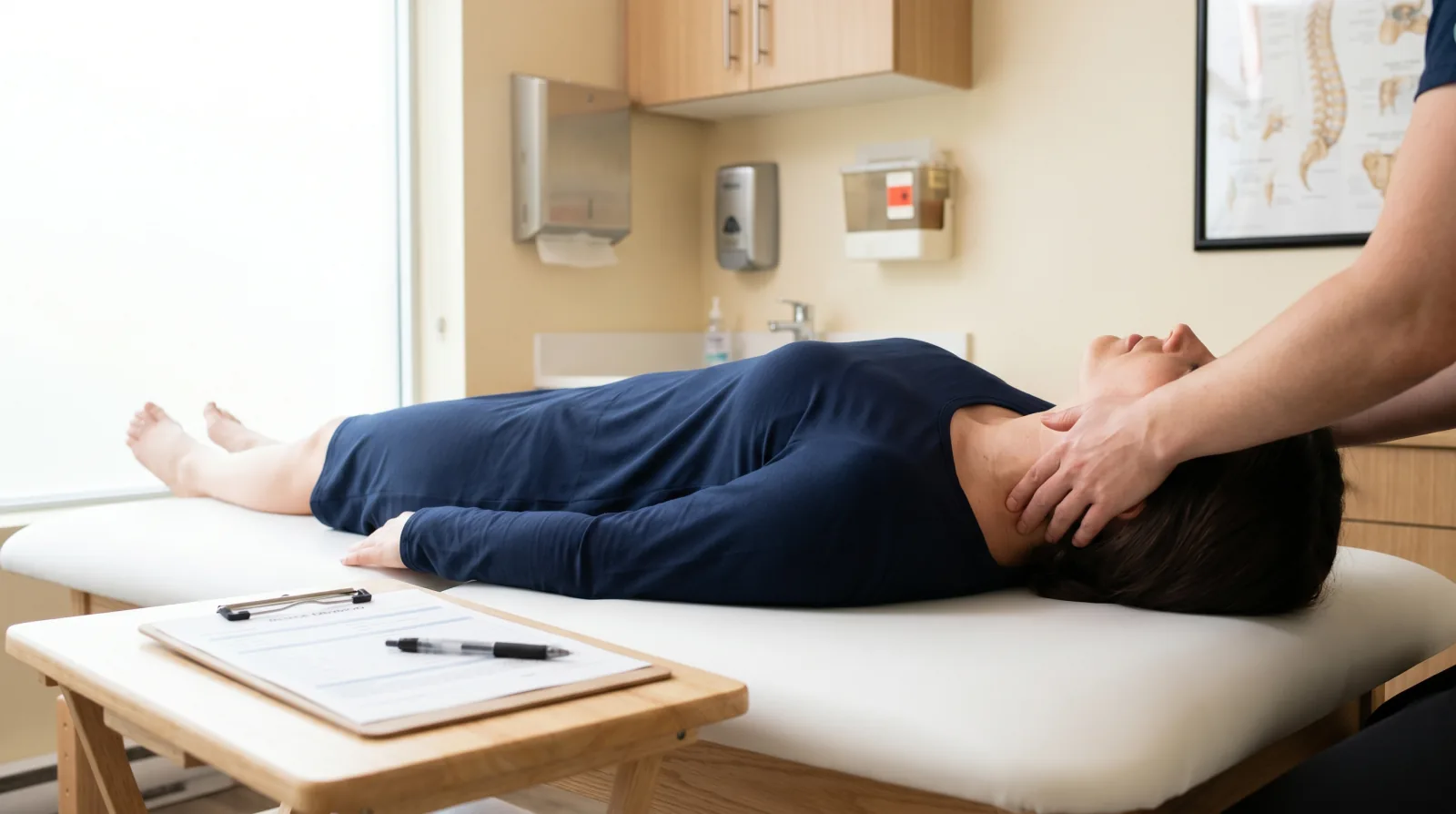 Coverage & Paperwork
ICBC Pre-Approved Physiotherapy: Your First 12 Weeks After a BC Car Accident
Under ICBC Enhanced Care, you do not need a referral or ICBC approval to start physiotherapy in the first 12 weeks after a BC car accident. Here is how the coverage actually works, what to bring, and what to expect at Medstar in North Vancouver.
READ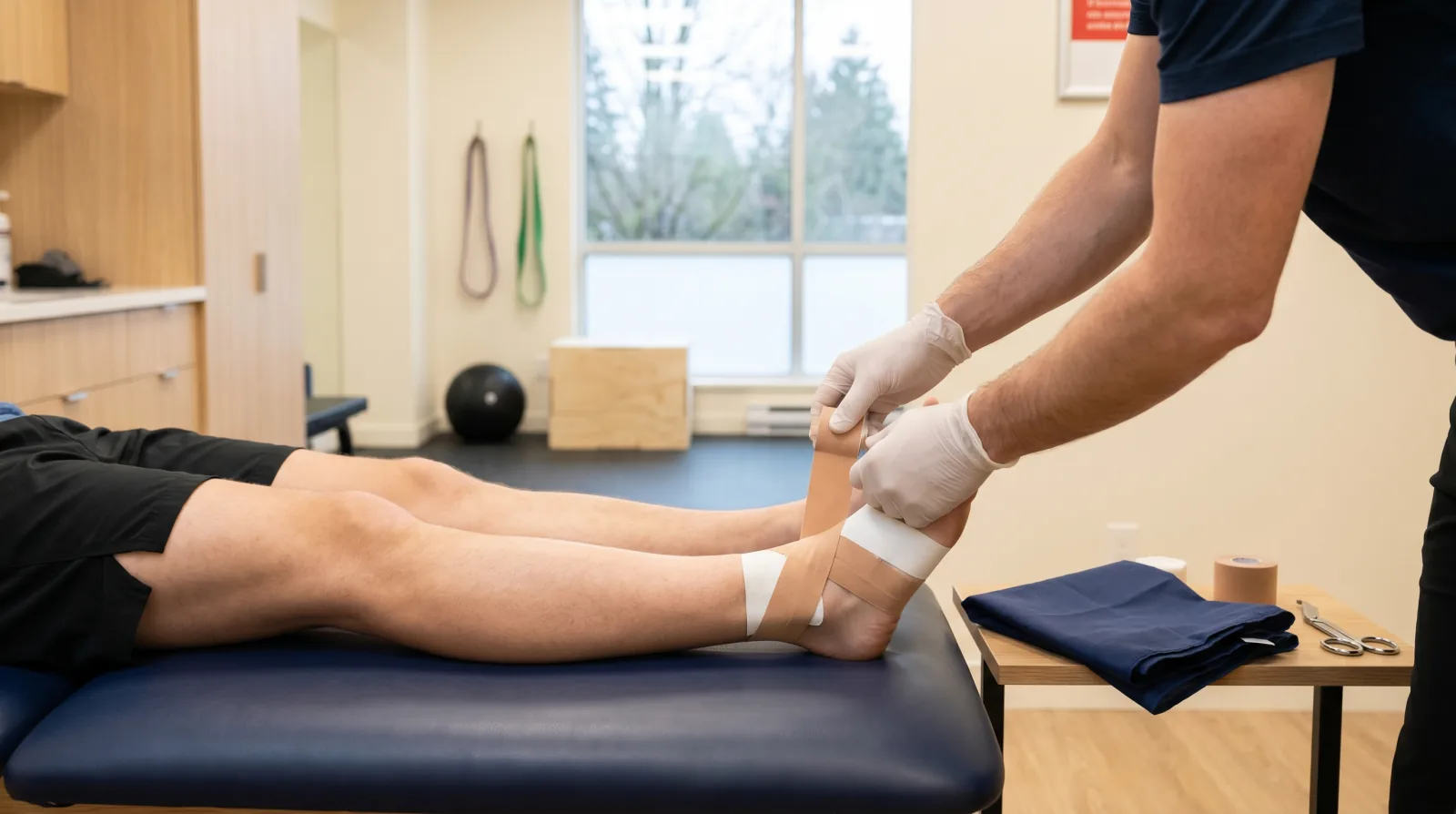 Choosing Care
Sport Physiotherapy vs. General Physiotherapy: When the Difference Matters
Every sport physiotherapist is a physiotherapist. Not every physiotherapist is a sport physiotherapist. Here is when the difference matters for your recovery, and when it doesn't.
READ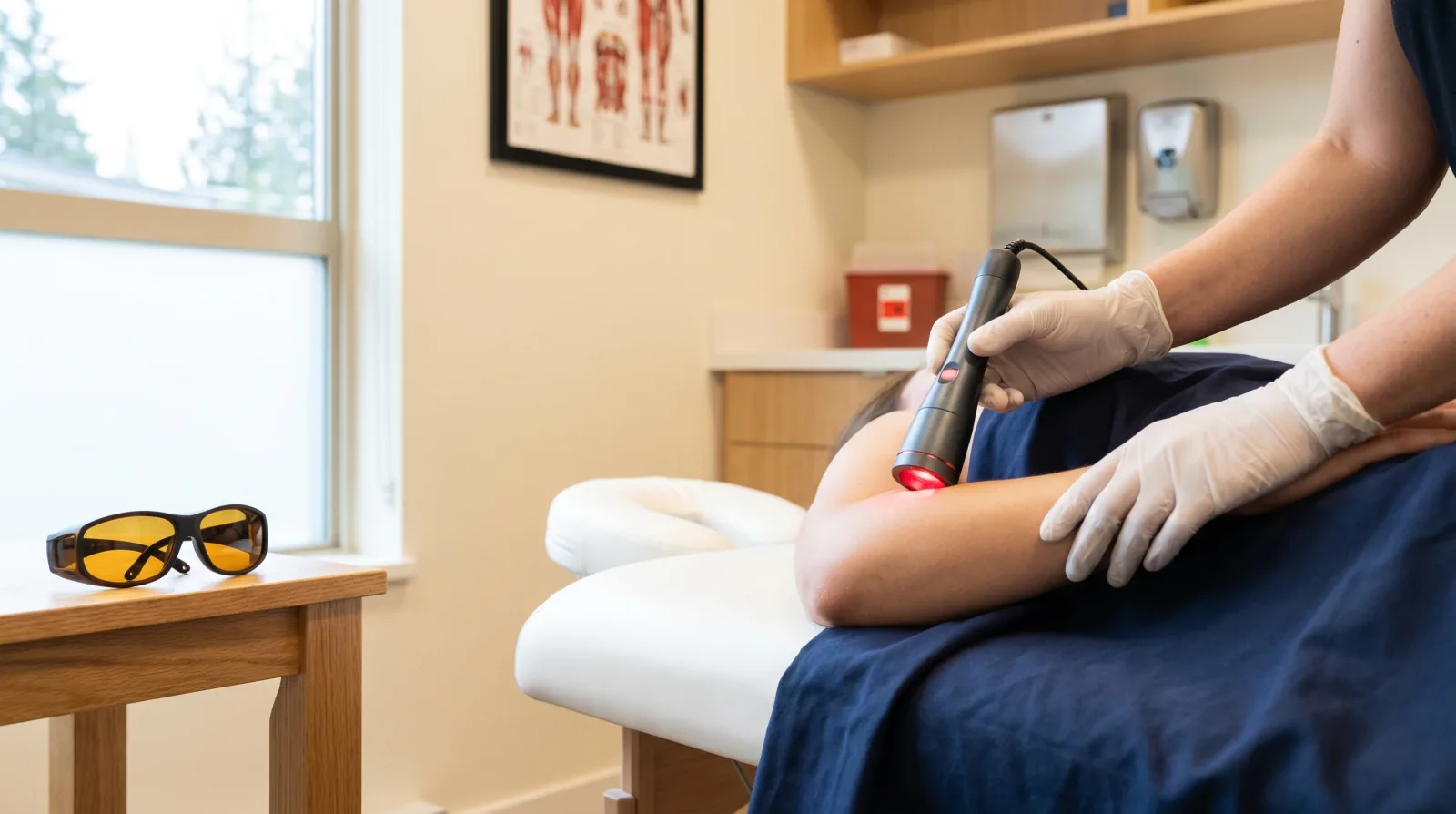 Treatment Modalities
Does High-Power Laser Therapy Actually Work? What the Evidence Shows
Plain-English notes on what high-power (Class 4) laser therapy is, where the evidence supports it, where it doesn't, and how we use it alongside hands-on care and active rehab at Medstar.
READ