Physiotherapy vs. Manual Osteopathy in BC: What's the Difference?
Manual osteopathy is not a regulated profession in British Columbia. Understanding that difference, and what manual osteopathic practitioners actually do, is how you make an informed choice.
BY AMIN NOROUZI, DOMP
Physiotherapy is a regulated health profession in BC, governed by the College of Physical Therapists of BC, with a public registry, mandatory national exams, and a formal complaints process. Manual osteopathy is not regulated under BC health professions legislation. There is no provincial college, no public registry, and no standardised entry credential enforced by law. That does not mean the treatment has no value, but it changes what you can verify before booking. At Medstar Sport Physio in North Vancouver, our manual osteopathic practitioner holds a DOMP and works within a coordinated team alongside regulated physiotherapists and registered massage therapists. What determines which approach is right for you depends on your condition, your insurance coverage, and whether you need the diagnostic and direct-billing scope that only a regulated physiotherapist provides.
Regulation: why the distinction matters
In BC, a regulated health profession means a statutory college sets minimum training standards, operates a public registry, investigates complaints, and can revoke registration. Physiotherapy has that structure through CPTBC. Manual osteopathy does not.
The title "osteopath" carries different legal meanings depending on where you are. In the United States, a Doctor of Osteopathic Medicine (DO) is a licensed physician with prescribing rights, equivalent in scope to an MD. In the United Kingdom and several European countries, osteopathy is regulated. In British Columbia, neither of those frameworks applies. A practitioner calling themselves a "manual osteopathic practitioner" or "osteopathic manual practitioner" in BC may hold a diploma from a private training institution, but there is no provincial college setting the standard for that credential or verifying the holder's competency.
When choosing a manual osteopathic practitioner in BC, ask directly about their training institution, credential level, and whether they hold professional liability insurance. You cannot verify their registration through a public provincial registry the way you can with a physiotherapist (CPTBC), a chiropractor (CCHPBC), or a registered massage therapist (CCHPBC). Both manual osteopathy and physiotherapy are available at Medstar.
What physiotherapy does
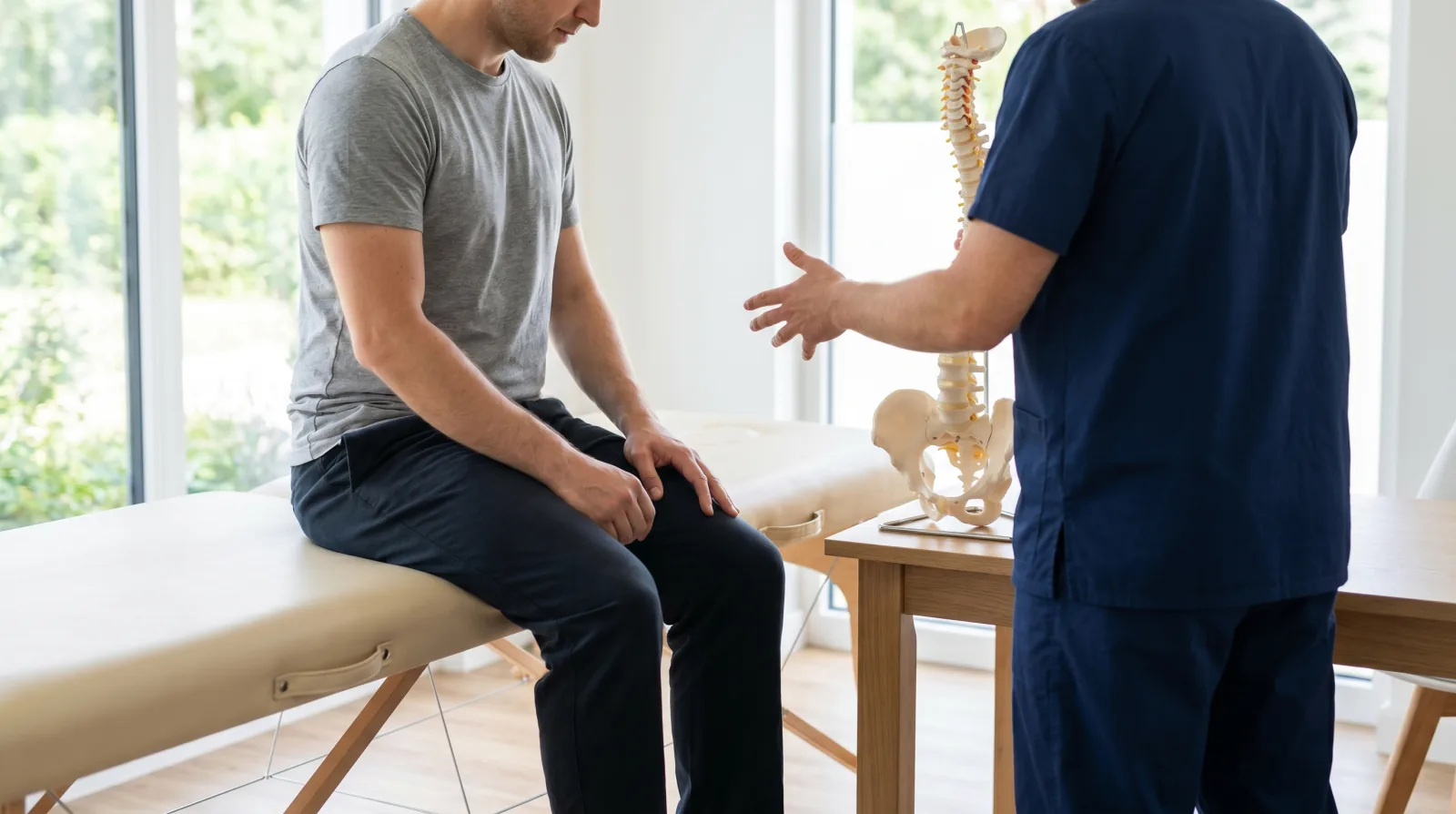
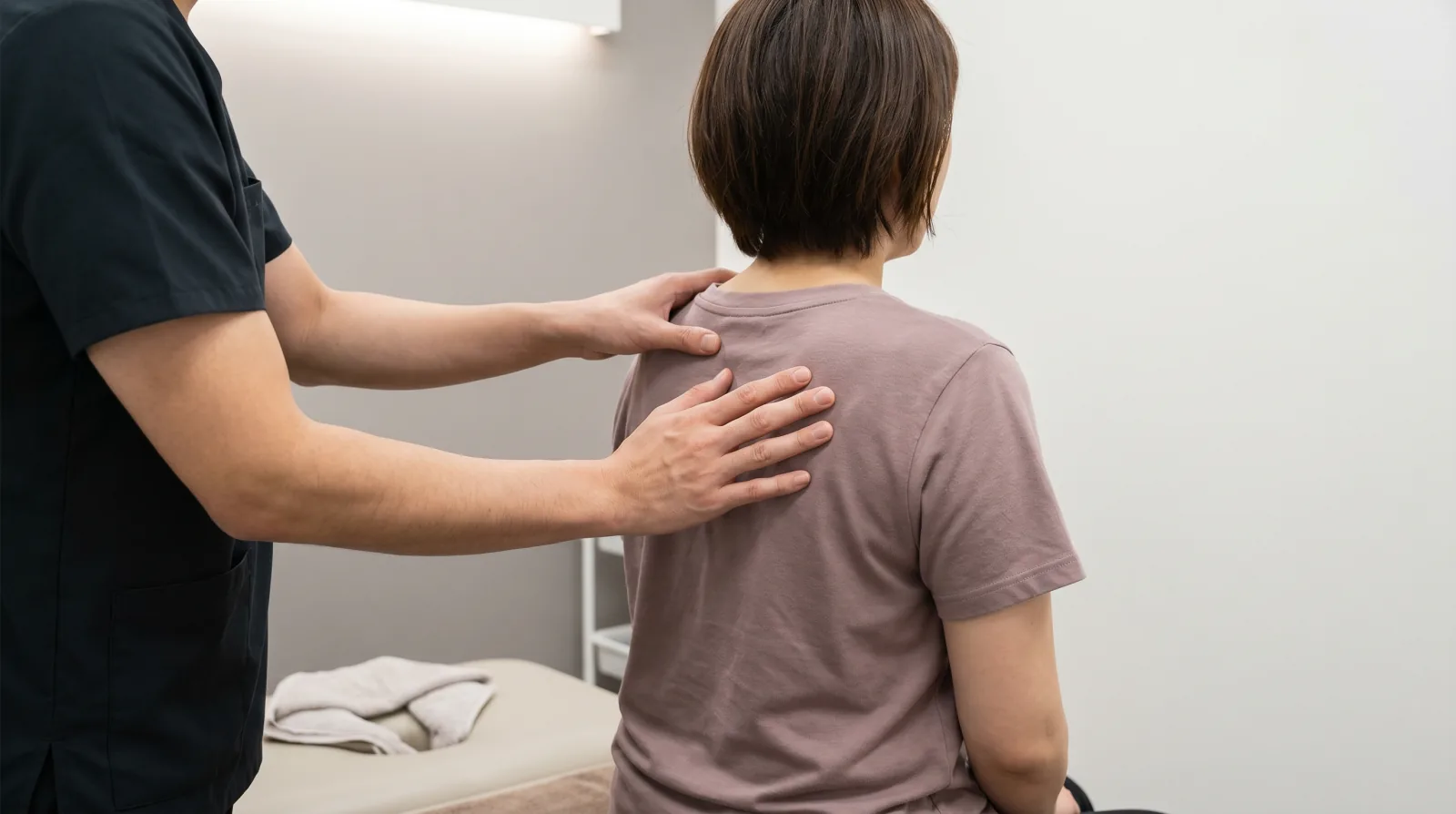
Physiotherapy is built on assessment, clinical reasoning, and rehabilitation. A first physiotherapy assessment covers the full clinical picture: history, range of motion, strength, movement quality, neurological screening where indicated, and load tolerance. The physiotherapist diagnoses within their scope, builds a rehabilitation plan, and adjusts it as the case progresses.
Treatment combines hands-on work (joint mobilization, manual therapy, intramuscular stimulation (IMS) where indicated, and passive modalities as adjuncts) with an active rehabilitation component. The active component is what the patient does between visits: a structured loading program designed to rebuild capacity and reduce the likelihood of recurrence. The goal is discharge with the patient managing their own load.
Physiotherapy scope in BC covers orthopaedic and musculoskeletal cases, neurological rehabilitation, vestibular disorders, cardiopulmonary conditions, and paediatric and geriatric presentations. For most patients at Medstar, the relevant scope is sport injury, musculoskeletal pain, post-surgical rehab, return-to-sport programming, and a wide range of conditions.
What manual osteopathic practitioners do
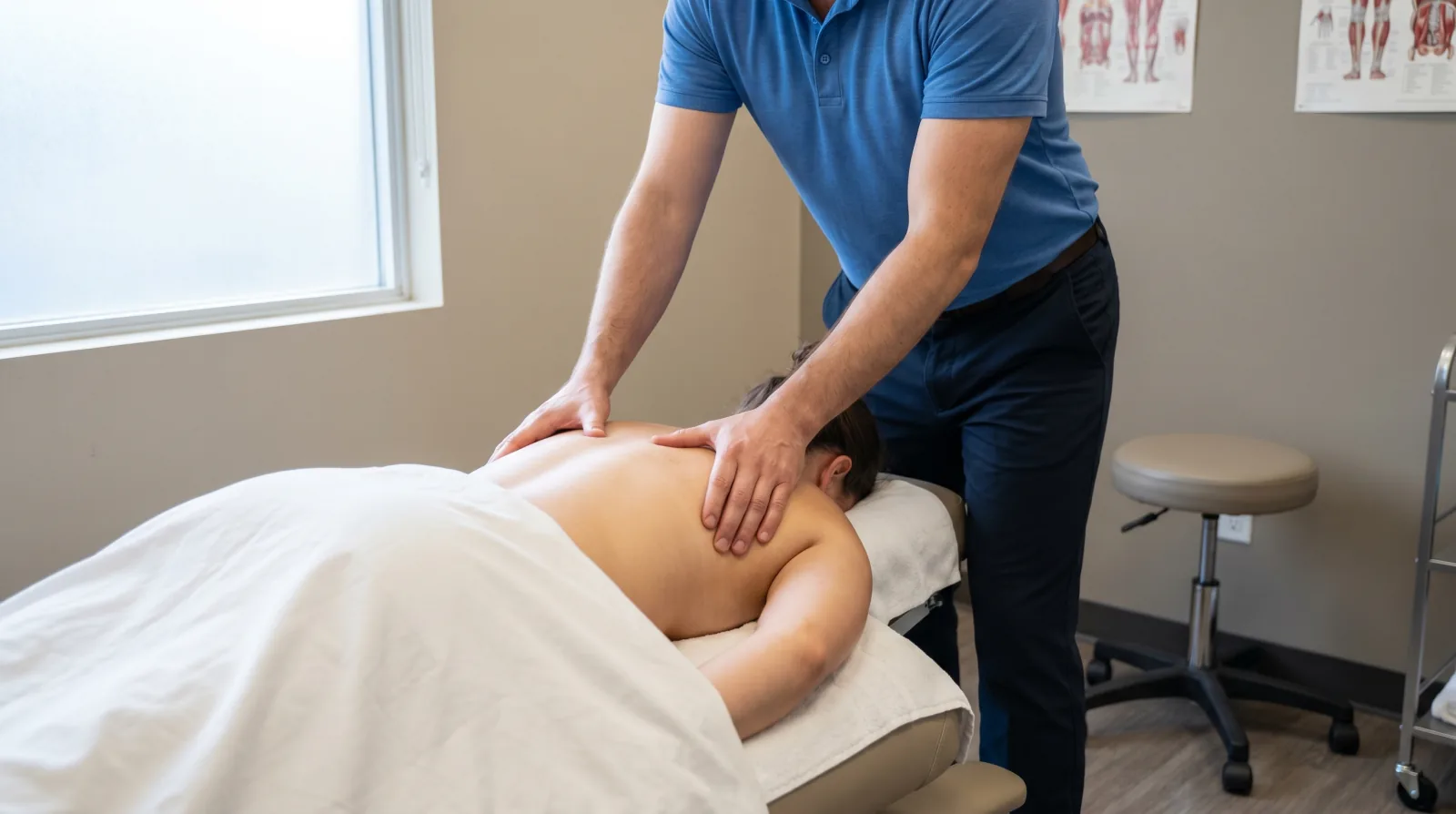
Manual osteopathy as practised in Canada is a hands-on physical therapy approach. Practitioners typically use soft-tissue techniques, joint mobilization and articulation, myofascial release, craniosacral techniques, and visceral manipulation. The philosophical framework centres on the relationship between the body's structure and function, and the premise that improving structural alignment and mobility supports the body's own healing processes.
In clinical practice, the treatment often resembles a combination of gentle manual therapy, soft-tissue work, and passive joint techniques. The hands-on work tends to be slower and lower-force than some physiotherapy techniques. Patients recovering from complex or chronic presentations, where tissue irritability is high and heavy loading is not appropriate, sometimes find the gentler manual approach useful as part of a broader care plan.
The training pathway in Canada typically runs through private institutions offering two- to five-year programs. The National Academy of Osteopathy is one of the more prominent Canadian training institutions and publishes its curriculum publicly. Because there is no provincial regulatory standard, program quality varies across institutions.
| Dimension | Physiotherapy | Manual Osteopathy (BC) |
|---|---|---|
| Regulatory college (BC) | CPTBC (regulated) | None (unregulated) |
| Public registry | Yes, verifiable at chcpbc.alinityapp.com | No public registry |
| Entry credential | Master of Physical Therapy + national exam | Diploma from private institution (varies) |
| Diagnosis within scope | Yes | No, this sits within physiotherapy or physician scope |
| ICBC billing | Yes | Not pre-approved |
| Extended health coverage | Most plans cover physio | Varies. Some plans include "osteopathy"; verify your plan |
| Active rehab prescription | Core of the model | Not typically the primary focus |
The ICBC and insurance question
This is where the regulatory gap becomes practically significant. ICBC's treatment pre-approval framework covers physiotherapy, chiropractic, registered massage therapy, and psychology. Manual osteopathy is not in ICBC's pre-approved treatment list. If you have an ICBC claim and want to use manual osteopathy, you would need separate insurer approval, and that approval is not guaranteed.
Extended health plans differ. Some plans include a benefit category labelled "osteopathy" or "osteopathic manual therapy." Check your plan's specific wording before booking. At Medstar, the administrative team can confirm which services your plan covers before your appointment.
When physiotherapy is the clearer first choice
Structural injury and unclear diagnosis belong with physiotherapy. A physiotherapist can assess, screen for red flags, and establish a clinical diagnosis within scope. Manual osteopathy does not carry diagnostic scope in BC, so a practitioner cannot tell you whether you have a ligament rupture or a grade I sprain.
Post-surgical recovery is physiotherapy by default. Surgical referrals go to physiotherapy, not manual osteopathy. There is no clinical pathway for post-op rehab that runs through an unregulated manual therapy.
ICBC and WorkSafeBC claims favour physiotherapy. Both are pre-approved for physiotherapy under their standard frameworks. Manual osteopathy is not in either pre-approved list as a standalone treatment.
Neurological symptoms change the triage. Numbness, tingling, weakness, or bowel and bladder changes alongside musculoskeletal pain require physiotherapy or physician screening before any manual therapy is applied.
A measurable return-to-sport goal goes with physiotherapy too. Progressive load programming with documented return-to-play criteria is physiotherapy territory, because it requires the diagnostic scope and exercise-prescription training that the profession is built on.
When manual osteopathy fits into the plan
Manual osteopathy can be a useful complement to physiotherapy, particularly for patients where gentler hands-on work suits the irritability level of the case, or where craniosacral and visceral techniques address aspects of the presentation that standard physiotherapy manual therapy does not focus on. At Medstar, the manual osteopathic practitioner works alongside the physiotherapy and RMT team.
The patients who tend to get the most from manual osteopathy in their rehab: chronic or complex presentations where multiple tissues are involved, cases where previous aggressive treatment has not resolved symptoms, and patients who respond better to low-force manual work as a sensitisation step before progressing to higher-load rehabilitation.
How manual osteopathy fits into Medstar's model
Every manual osteopathic practitioner at Medstar is introduced to patients as a "manual osteopathic practitioner." The terms "osteopath" and "DO" would imply a regulated credential or medical scope that does not exist in BC. We are clear with patients about how the profession is defined in this province.
When the physiotherapist and manual osteopathic practitioner share a patient, they communicate directly. If the physiotherapy assessment identifies a structural injury that needs load-based rehabilitation, that is the primary plan. Manual osteopathy runs as a complement, handling the hands-on work that supports tissue tolerance, while the physiotherapist manages the rehabilitation progression.
If you are unsure whether manual osteopathy is the right service for your situation, book a 30-minute physiotherapy initial assessment. The physiotherapist will review your history and presentation, explain the treatment options at the clinic, and triage you to the right combination.
This article is general information, not personal medical advice. A regulated practitioner can confirm whether the patterns described apply to you.
Sources
- College of Physical Therapists of BC (CPTBC): public registry and standards
- BC Government: Health Professions and Occupations Act (HPOA)
- College of Complementary Health Professionals of BC (CCHPBC)
- National Academy of Osteopathy: FAQ on the osteopathic manual practice profession in Canada
- ICBC: treatment benefits
Common questions
Frequently asked questions.
Is manual osteopathy regulated in BC?
No. Manual osteopathy is not a regulated health profession in British Columbia. There is no provincial college, no public registry, and no standardised entry credential enforced by law. Practitioners hold diplomas from private institutions whose quality varies across programs. Physiotherapy, by contrast, is regulated, with a public registry and a formal complaints process. That difference changes what you can verify before you book, so ask a manual osteopathic practitioner directly about their training and insurance.
Can a manual osteopathic practitioner diagnose my injury?+
No. Clinical diagnosis of structural injury in BC falls within physiotherapy or physician scope. A manual osteopathic practitioner can assess and treat within their training, but they cannot provide a regulated clinical diagnosis. That means a practitioner cannot tell you whether you have a ligament rupture or a grade I sprain. If your diagnosis is unclear, book a physiotherapy initial assessment first and add manual osteopathy once the clinical picture is settled.
Does ICBC cover manual osteopathy?+
Manual osteopathy is not covered under ICBC's standard pre-approval framework. ICBC pre-approves physiotherapy, chiropractic, registered massage therapy, and psychology. Manual osteopathy sits outside that pre-approved list, so using it on an ICBC claim would need separate insurer approval, and that approval is not guaranteed. Verify with ICBC directly if you have an active claim and want to explore whether an exception applies to your situation.
Is a 'DO' in BC the same as in the US?+
No. In the United States, a Doctor of Osteopathic Medicine (DO) is a fully licensed physician with prescribing rights, equivalent in scope to an MD. That title and scope do not transfer to BC. A manual osteopathic practitioner in BC is not a physician and does not hold prescribing rights, regardless of any credential they hold.
What should I ask a manual osteopathic practitioner before booking?+
Ask a manual osteopathic practitioner where they trained, how long the program ran, whether it was full-time or part-time, whether they carry professional liability insurance, and whether they belong to a professional association. Ask how they coordinate with a physiotherapist or physician when a case needs a diagnosis. Manual osteopathy has no provincial college or public registry in BC, so these questions are the practical way to check a practitioner's background before you book.
Who tends to get the most benefit from manual osteopathy?+
Patients with chronic or complex presentations involving multiple tissues, cases where previous aggressive treatment has not resolved symptoms, and people who respond better to low-force manual work as a step before progressing to higher-load rehabilitation. It works best as a complement to physiotherapy, not a replacement for it.
Does WorkSafeBC cover manual osteopathy?+
Manual osteopathy is not covered under the standard WorkSafeBC pre-approved framework. Like ICBC, WorkSafeBC pre-approves physiotherapy for accepted claims, and manual osteopathy sits outside that pre-approved list as a standalone treatment. If you have an active WorkSafeBC claim, physiotherapy is the clearer first booking, and Medstar handles that billing directly. Verify with WorkSafeBC directly before assuming manual osteopathy will be funded on your claim.
How does Medstar coordinate physiotherapy and manual osteopathy for the same patient?+
When a physiotherapist and manual osteopathic practitioner share a patient at Medstar, they communicate directly. If the physiotherapy assessment finds a structural injury needing load-based rehabilitation, that is the primary plan, and manual osteopathy runs as a complement handling hands-on work that supports tissue tolerance while the physiotherapist manages the rehab progression.
Share this post
Copies a ready-to-publish LinkedIn post to your clipboard and opens the LinkedIn share dialog. Paste the text into the composer and publish.
Written by
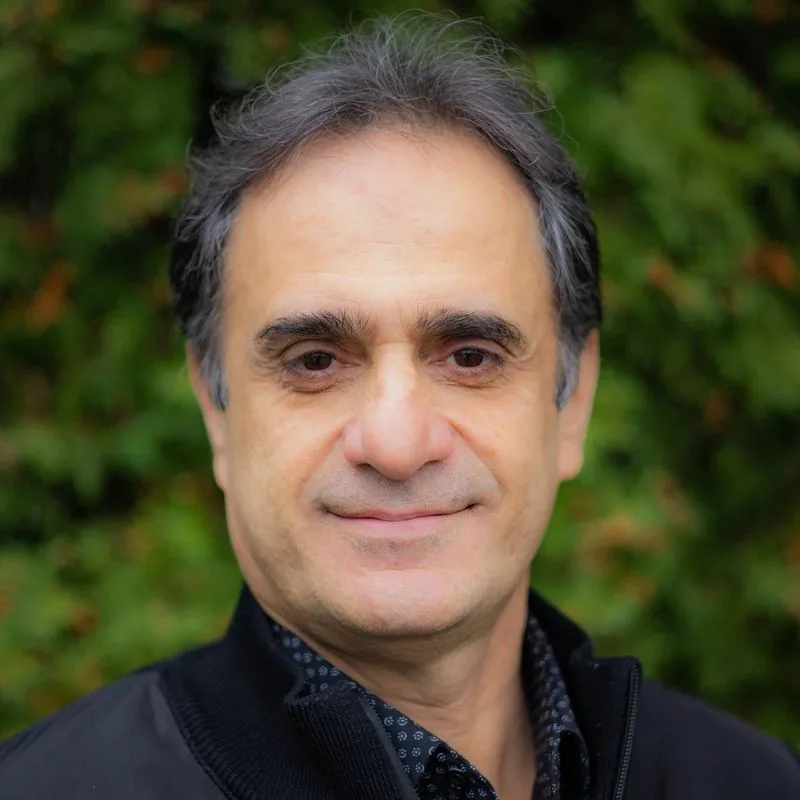
Amin Norouzi, DOMPAmin Norouzi holds a DOMP and a PhD in Physical Therapy, with a background in elite sports medicine. Osteopathic manual practice in North Vancouver.
This article is for general information only and does not constitute medical advice, diagnosis, or treatment. Individual presentations vary, and assessment findings and treatment plans differ from person to person. If you are experiencing severe symptoms, neurological changes (numbness, weakness, bowel or bladder changes), or a significant trauma, contact your physician or emergency services. Care at Medstar Sport Physio & Health is provided by practitioners registered with their respective British Columbia regulatory colleges.
Filed under
- physiotherapy
- manual-osteopathy
- osteopathy
- choosing-care
- north-vancouver
- multidisciplinary