Getting Back to Lifting After Low Back Pain: Why Loading Is the Cure, Not the Risk
After a back injury, the instinct is to stop lifting forever. That fear keeps backs weak. The spine is built to load, and getting back to lifting is part of the recovery.
BY AMIR AHMADI, PHD
After a back injury, almost everyone arrives at the same conclusion: lifting is dangerous and they should avoid it from now on. It is an entirely understandable response to a frightening experience. It is also one of the most counterproductive beliefs in all of back care, because the avoidance it creates keeps backs weak and primed for the next flare. The truth is more encouraging: returning to lifting is usually part of the recovery, not a threat to it.
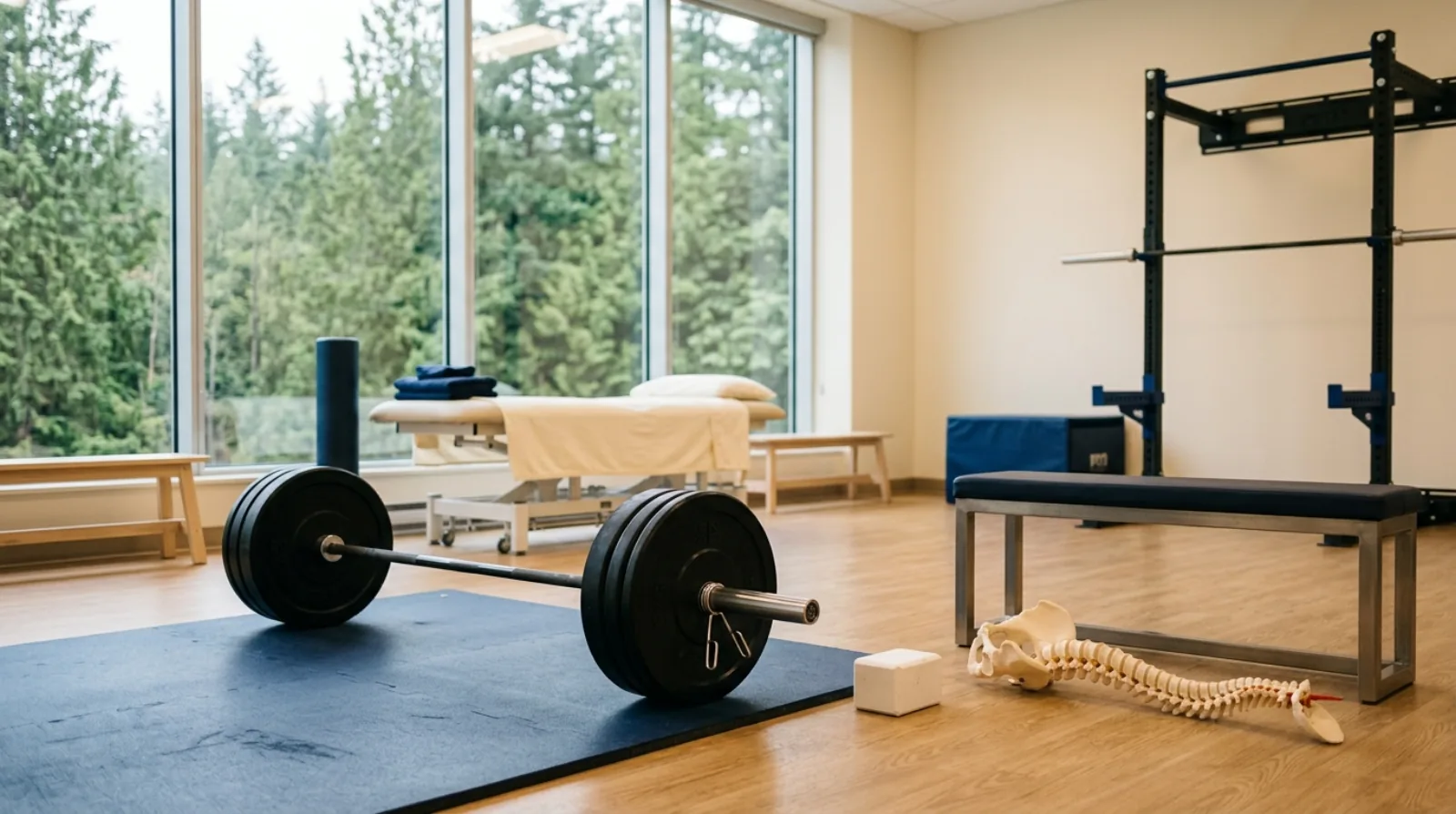
Returning to lifting after a back injury is, for most people, safe and often part of the recovery. The spine is a load-bearing structure built to handle weight, and avoiding it tends to leave the back weaker over time. At Medstar Sport Physio in North Vancouver, we use a graded loading approach: we start with manageable weights, watch how your back responds over the next day, and progress from there. We do not wait for zero discomfort before starting. We reintroduce hinging and squatting patterns at a level you can handle, then build. The idea that one wrong movement will permanently damage your back is usually not supported by the evidence. What determines the pace is how your back responds at each step, not a fixed calendar date.
The spine is built to load
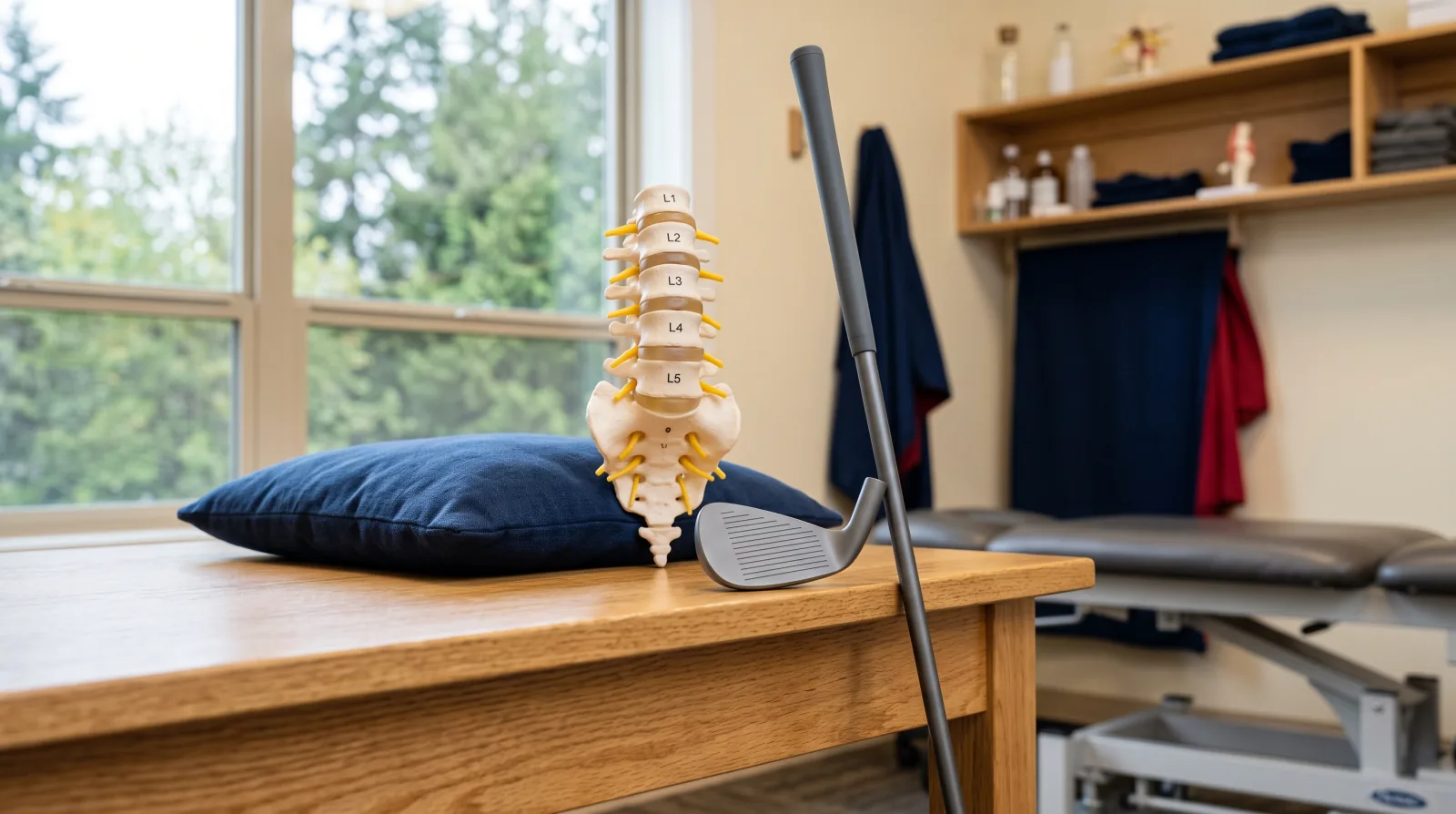
The mental image many people hold of the spine is of a fragile, easily damaged structure, a stack of delicate discs waiting to slip. That image is wrong. The spine is a robust, load-bearing column designed to handle substantial weight and a wide range of movement. People lift, carry, twist, and bend all day, and the spine is built for exactly that.
When back pain strikes, especially during lifting, it is natural to interpret it as evidence of fragility. But pain and damage are not the same thing, and most back pain is not a sign that something has been broken. This understanding underpins how we approach all low back pain, and it is the starting point for getting back to lifting.
Most back pain is not permanent damage
This is the reassuring core of the topic. Most low back pain, including pain that flares with lifting, is not a marker of permanent or structural damage, and most episodes settle over time. Imaging often shows age-related changes that are present in plenty of pain-free people, which is one reason we are cautious about over-relying on scans, as we discuss in our piece on when MRI is actually needed for low back pain.
Permanent or structural problems exist, and we screen for the features that warrant more concern. But they are less common than the fear around back pain suggests. Treating every back as fragile leads to avoidance, and avoidance leads to a weaker, less capable back, which is the opposite of what helps.
Why loading is the cure
A back that is avoided gets weaker. Its tolerance to load drops, so the threshold at which everyday tasks, picking up a child, carrying groceries, moving furniture, trigger pain gets lower. The way out is to rebuild the back's capacity, and you rebuild capacity by loading.
This is the same principle that runs through nearly everything we treat. Tendons, muscles, and bones all adapt to the demands placed on them, and the spine and its supporting muscles are no exception. Reintroducing loaded movements like hinging and squatting, at an appropriate level, is precisely what rebuilds the strength and confidence the back needs.
How to come back safely
The answer is not to go from a flare to a heavy deadlift in a week, and it is not to avoid lifting forever. It is graded loading. The process looks like this:
- Settle the acute symptoms and restore comfortable movement.
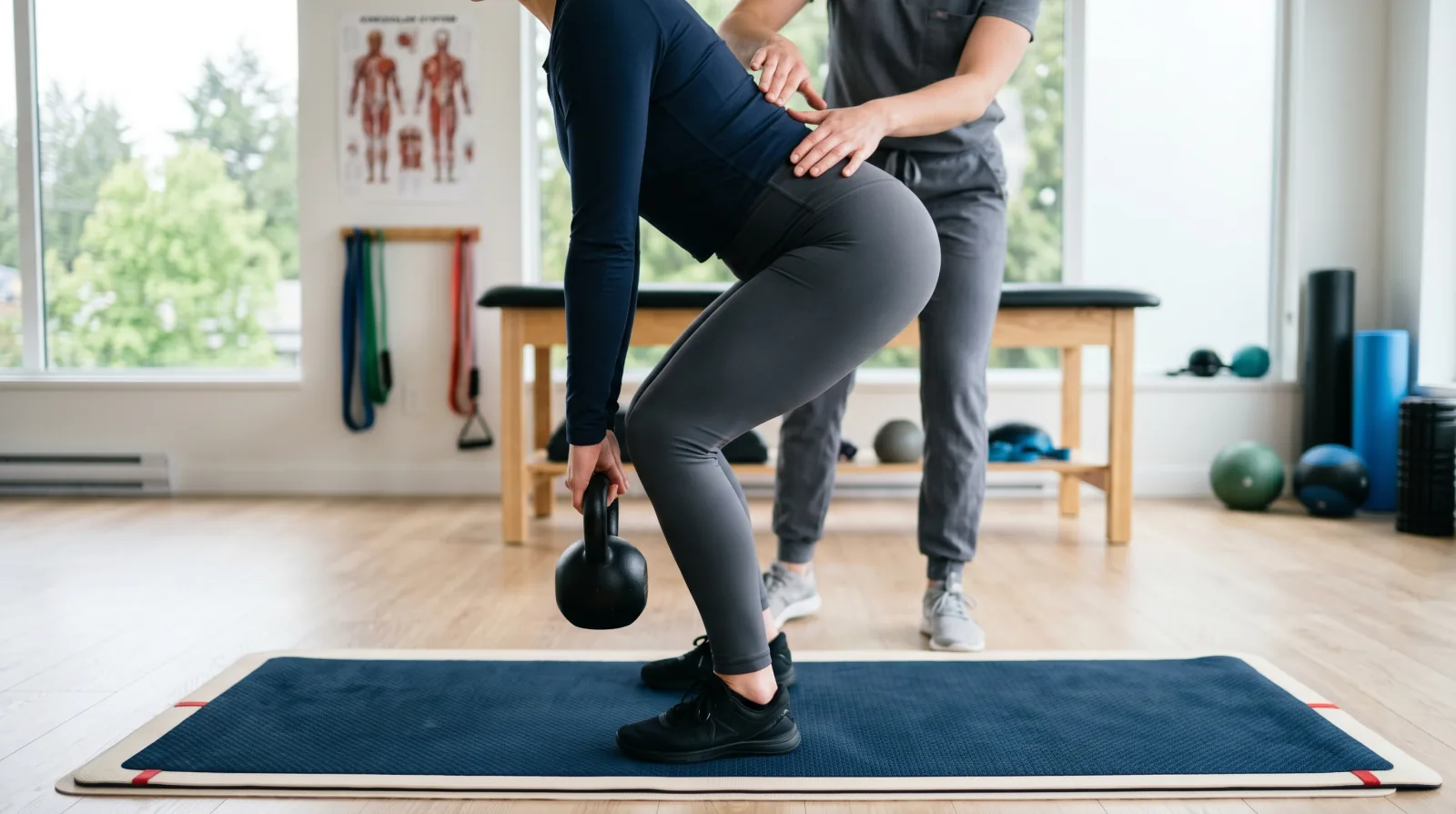
- Reintroduce the movement patterns with light, manageable loads, watching how the back responds over the following day.
- Progress the load when each step is well tolerated, building back toward, and often beyond, your previous capacity.
The guiding rule is the same one we use across loading programs: a mild response that settles by the next day is acceptable, while symptoms that climb mean we have progressed too fast and need to ease back. We do not wait for zero discomfort before doing anything, because that often means waiting forever. We start where you are and build.
The technique myth
There is a widespread belief that there is one perfect, safe way to lift, and that any deviation from it causes injury. This is overstated. The spine tolerates a range of postures, and the idea that a slightly rounded back during a lift inevitably causes harm is not well supported. Plenty of strong, healthy people lift in a variety of ways without trouble.
What actually protects the back is building strength and capacity and progressing load sensibly, far more than rigidly policing a single technique. We coach sound, comfortable movement, and we pay attention to how you load, but the bigger lever is building a back that can handle the demands you place on it. Anxious over-focus on perfect form can itself feed the fear that keeps people from loading at all.
When to get it assessed
If back pain has you avoiding lifting, or you are unsure how to get back to it safely, an assessment gives you a clear, graded plan and the confidence to follow it. We screen for the features that warrant more caution, then build you back toward full capacity. Back pain with red-flag features, such as significant or progressive leg weakness, numbness around the groin, or loss of bladder or bowel control, needs urgent medical attention rather than a loading program, and we always check for those.
Book a 30-minute appointment and we will assess your back, address the fear that drives avoidance, and build a graded plan to get you lifting again.
This article is general information about returning to lifting after low back pain. It is not personal medical advice. Red-flag features such as progressive leg weakness or loss of bladder or bowel control require urgent medical attention. A regulated practitioner can confirm whether the patterns described apply to you.
Sources
- Steffens et al., Prevention of Low Back Pain: A Systematic Review and Meta-analysis, JAMA Internal Medicine (2016)
- Saraceni et al., To Flex or Not to Flex? Is There a Relationship Between Lumbar Spine Flexion During Lifting and Low Back Pain? A Systematic Review, Journal of Orthopaedic & Sports Physical Therapy (2020)
- College of Physical Therapists of BC (CPTBC)
Common questions
Frequently asked questions.
Is it safe to lift weights after back pain?
For most people, yes, and it is often part of the recovery rather than a risk to avoid. The spine is a robust, load-bearing structure designed to handle weight. After back pain settles, gradually returning to lifting rebuilds the strength and confidence the back needs. The key is progressing the load sensibly rather than either avoiding it forever or rushing straight back to heavy weights.
Did I injure my back permanently by lifting?+
Usually not. Most low back pain, including pain that flares with lifting, is not a sign of permanent damage, and most episodes settle. The back is more resilient than the fear around it suggests. Permanent or structural problems exist but are less common than people assume, which is why we focus on rebuilding capacity rather than treating the back as fragile.
Should I avoid deadlifts and squats if I have had back pain?+
Not as a rule. These movements load the back, which is exactly what makes them useful for rebuilding it, when introduced at an appropriate level and progressed gradually. Avoiding them entirely tends to leave the back weaker and less able to handle daily life. We reintroduce loaded hinging and squatting in a graded way as part of recovery for most people.
How do I know when I am ready to lift again?+
Readiness is based on your symptoms settling and your ability to perform the movement with lighter loads comfortably, then building from there. There is no fixed date. We start with manageable loads, monitor how the back responds over the following day, and progress when each step is well tolerated, rather than waiting for zero discomfort before doing anything.
Will lifting with good technique prevent back pain?+
Technique matters, but the idea that there is one perfect, safe way to lift and that any deviation causes injury is overstated. The spine tolerates a range of postures. Building strength and capacity, and progressing load sensibly, protects the back more than rigidly policing a single technique. We coach sound, comfortable movement while building tolerance.
What happens at a physiotherapy assessment before returning to lifting?+
The physiotherapist asks about the history of the back pain, what movements provoke it now, and your lifting goals, then screens for red-flag features and assesses your current movement and strength. From there, the assessment builds a graded loading plan, starting with a manageable weight, and sets the pace based on how your back responds after each session rather than a fixed schedule.
What back symptoms mean I should not start a lifting program yet?+
Significant or progressive weakness in the leg, numbness around the groin or inner thighs, or loss of bladder or bowel control are red-flag symptoms that need urgent medical attention rather than a lifting program. Pain that is severe, that is getting rapidly worse, or that came with a significant fall or trauma also warrants medical assessment first. Most back pain does not involve these features, but a physiotherapist screens for them before building a loading plan.
Is physiotherapy for return-to-lifting covered by extended health insurance?+
Most BC extended health plans that include a physiotherapy benefit cover assessment and a graded loading program for low back pain the same as any other physiotherapy treatment. Direct billing means the clinic bills your insurer directly rather than you paying upfront and claiming it back. If the back pain followed a workplace injury or a motor vehicle accident, WorkSafeBC or ICBC coverage may apply instead.
Share this post
Copies a ready-to-publish LinkedIn post to your clipboard and opens the LinkedIn share dialog. Paste the text into the composer and publish.

Written by
Amir Ahmadi, PhDDr. Amir Ahmadi is a Registered Physiotherapist, Certified IMS Therapist and former Associate Professor. 20+ years of clinical practice in North Vancouver.
This article is for general information only and does not constitute medical advice, diagnosis, or treatment. Individual presentations vary, and assessment findings and treatment plans differ from person to person. If you are experiencing severe symptoms, neurological changes (numbness, weakness, bowel or bladder changes), or a significant trauma, contact your physician or emergency services. Care at Medstar Sport Physio & Health is provided by practitioners registered with their respective British Columbia regulatory colleges.
Filed under
- low-back-pain
- lifting
- deadlift
- strength
- north-vancouver