IMS Dry Needling vs. Acupuncture in BC: Different Tools, Different Scopes
IMS dry needling and acupuncture both use a thin filament needle. Everything else differs: training, regulator, scope, and clinical reasoning. Here is how to pick the right one for your symptom.
BY AMIR AHMADI, PHD
IMS dry needling and acupuncture both use a fine filament needle, but they are different practices governed by different regulators in BC. IMS, intramuscular stimulation, is a physiotherapy technique that targets shortened, irritable muscle tissue using Western neuroanatomy. Acupuncture is rooted in traditional Chinese medicine and treats symptom patterns through meridian-based principles. At Medstar Sport Physio in North Vancouver, certified physiotherapists use IMS when assessment identifies neurogenic, load-related muscle patterns as a driver of pain. Acupuncture may be more appropriate for systemic or stress-related presentations outside physiotherapy scope. Some patients benefit from both in the same week, for different reasons. Which approach fits depends on the symptom pattern and the clinical assessment.
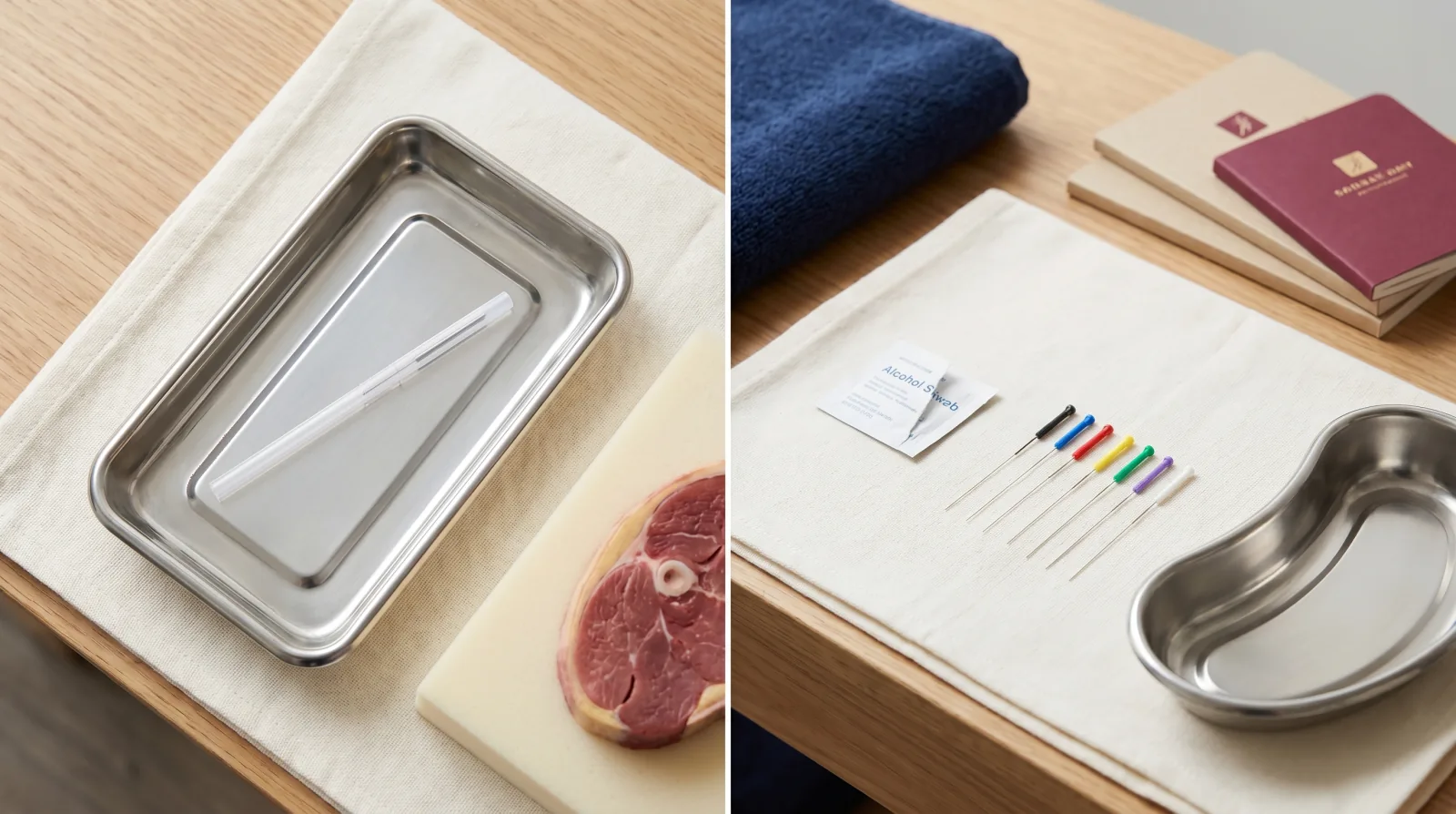
The visual is what catches people first. The needle in your physiotherapist's hand looks identical to the one in the acupuncturist's hand down the hall. That visual sameness makes the two techniques feel interchangeable. They are not. The training, the framework, the regulator, the scope of practice, and the goal of the treatment are all different.
The needle is the same; the practice is not
Both IMS and acupuncture use a thin, sterile, single-use filament needle, typically 0.25 mm in diameter and 30 to 60 mm long. After that, the practice splits.
IMS dry needling, short for intramuscular stimulation, was developed by the Vancouver-based physician Dr. Chan Gunn in the 1970s. It is grounded in Western neuroanatomy. The technique targets a shortened, irritable band of muscle tissue, commonly called a trigger point, and looks for a local twitch response that signals it has been engaged. Needle retention is brief, usually seconds to a minute or two per insertion. Treatment is repeated at multiple points within the same session.
Acupuncture in its primary BC form is rooted in traditional Chinese medicine. Needles are placed at specific points along the meridian system based on a diagnostic framework that includes pulse, tongue, symptom pattern, and constitutional factors. Needles are typically retained 15 to 30 minutes per session. The treatment plan often unfolds across a series of visits with adjuncts like cupping, moxibustion, or electroacupuncture.
Who regulates each practice in BC
In BC the two professions are regulated separately.
Physiotherapists, including those performing IMS, are regulated by the College of Physical Therapists of BC (CPTBC). The college's practice standard requires additional accredited certification before a physiotherapist can perform dry needling, and the technique sits inside the physiotherapy scope of restricted activities. CPTBC's restricted activities standard defines the boundaries.
Acupuncturists, traditional Chinese medicine practitioners, and doctors of TCM are regulated by the College of Complementary Health Professionals of BC (CCHPBC), which absorbed the former College of Traditional Chinese Medicine Practitioners and Acupuncturists in 2023. CCHPBC sets the entry-to-practice education standard, the registration categories, and the discipline process.
When in doubt about a clinician's scope, the public registry of each college is the authoritative source. Both colleges publish searchable registers.
When IMS is the right tool
We reach for IMS when the symptom pattern is muscular, neurogenic, and load-related. Typical cases at Medstar:
- A North Shore trail runner with a stubborn lateral gastrocnemius trigger point that refers to the medial knee on downhill descents.
- A desk-bound patient with chronic upper trapezius and levator scapulae irritability that has not budged with stretching and manual work alone.
- A return-to-sport hockey player with a hip flexor and tensor fasciae latae complex that keeps resetting their stride mechanics.
- A patient with a recent acute low back episode where the lumbar paraspinals are in protective spasm and a brief deactivation lets the active rehab progress faster.
IMS in our clinic is rarely a standalone treatment. It is usually one component of a 30 or 60-minute physiotherapy session that also includes assessment, manual therapy, and exercise prescription. The needle is the lever that gets the muscle to a state where the loading work can succeed.
When acupuncture is the right tool
Acupuncture in its TCM form treats a broader symptom set than dry needling. We refer to acupuncture when the patient's needs include:
- Chronic tension headaches or migraine prevention.
- Sleep disturbance, particularly post-injury sleep disruption that is interfering with recovery.
- Stress-related symptoms that are layered on top of a physical injury and are not responding to physical treatment alone.
- Cycle-related pain where TCM patterns have produced reliable symptom modulation in the literature.
- Digestive or systemic complaints accompanying a musculoskeletal complaint.
We do not treat these conditions inside our physiotherapy practice, because they sit outside our scope. Where they coexist with the patient's physical complaint, we coordinate with a registered acupuncturist whose framework is designed for those patterns.
What the evidence says
Both practices have a meaningful evidence base, and both have specific conditions where the literature is stronger.
For myofascial trigger points and chronic neck and shoulder pain, dry needling has been studied in dozens of randomised trials. The Cochrane review on acupuncture and dry needling for low back pain found low to moderate-quality evidence of short-term symptom improvement, with the effect more pronounced when needling is combined with conventional care. For tension-type headache and chronic neck pain, both techniques perform similarly in the short term against sham.
For TCM acupuncture more broadly, condition-specific evidence is strongest for chronic primary low back pain, chronic neck pain, knee osteoarthritis symptom modulation, and migraine prophylaxis. The WHO and NICE guidelines on chronic primary pain include acupuncture as a recommended option for chronic primary pain in adults. The effect is real but is rarely curative on its own. It sits alongside exercise, education, and lifestyle change in the chronic-pain plan.
How we choose at Medstar
The practical decision tree in our clinic:
- A clear muscular trigger point pattern, an irritable shortened muscle, or a sport-related load-driven symptom: IMS, delivered by a physiotherapist as part of the rehab plan.
- A systemic pattern, a sleep or stress overlay, or a chronic primary pain condition where the patient has already tried physiotherapy and active rehab: acupuncture with a registered acupuncturist.
- Mixed presentation: both, coordinated across the week, with the rehab loading scheduled around the treatment days.
The wrong move is to pick the practice based on which needle was in the room. The right move is to match the framework to the symptom pattern. A physiotherapist using IMS for a tension headache without a clear muscular driver is overreaching. A registered acupuncturist treating a sport-related calf trigger point in isolation without a return-to-sport loading plan is leaving the rehab piece on the table.
A note on scope and safety
Both practices are safe when delivered by a regulated practitioner under their college's standards. The most common adverse events for both are minor: localised soreness, occasional bruising at the insertion site, and brief lightheadedness in a small subset of patients. Serious adverse events such as pneumothorax are rare and almost always associated with deep needling near the thorax. Both colleges require specific training in safe depth and direction for those regions.
If a clinician without an accredited certification is offering "dry needling" or "acupuncture", that is the time to ask which college regulates the practice and where the registration sits. Both colleges' public registers will tell you in 30 seconds.
This article is general information about IMS dry needling and acupuncture in BC. It is not personal medical advice. A regulated practitioner can confirm whether the patterns described apply to you.
Sources
- College of Physical Therapists of BC (CPTBC)
- CPTBC standard on restricted activities
- College of Complementary Health Professionals of BC (CCHPBC)
- Cochrane review: acupuncture and dry needling for low back pain
- NICE guideline NG193: chronic pain in over 16s
Common questions
Frequently asked questions.
Is IMS the same as Western acupuncture?
IMS, short for intramuscular stimulation, was developed by Dr. Chan Gunn in Vancouver and is the trade name for one specific dry needling system. Dry needling is the broader category. Western medical acupuncture is yet another framework that overlaps with both but uses a slightly different rationale. Most patients use IMS and dry needling interchangeably; in BC the more common term inside physiotherapy clinics is IMS.
Who can perform IMS in BC?+
IMS is performed by physiotherapists in BC who have completed accredited dry needling certification beyond their base degree. The College of Physical Therapists of BC sets the practice standard. Other regulated professions in BC also have scope for some forms of dry needling under their own colleges; the certification pathway is what differs.
Who can perform acupuncture in BC?+
Acupuncture in BC is regulated by the College of Complementary Health Professionals of BC under the CCHPBC umbrella. Registered acupuncturists, traditional Chinese medicine practitioners, and doctors of TCM are the primary providers. Some physiotherapists also hold acupuncture certifications, but the framework they use is typically Western medical acupuncture rather than full TCM.
Does extended health cover both?+
Most extended health plans cover both, but under separate benefit categories. Physiotherapy benefits cover IMS dry needling delivered inside a physiotherapy visit. Acupuncture is typically a separate benefit pool with its own annual limit. Check your plan before booking back-to-back if you intend to use both.
Can I do IMS and acupuncture in the same week?+
Yes, when the clinical reasoning supports it. The two techniques are not in competition. A common pattern in our clinic is dry needling on a sport-related trigger point during a physiotherapy session and a separate acupuncture session for stress, sleep, or systemic symptoms. The two clinicians coordinate so the loading day and the treatment intensity match up.
Does IMS hurt more than acupuncture?+
Most patients describe IMS as producing a brief, distinct ache or cramping sensation when the needle finds the irritable muscle band and triggers a local twitch response, which fades within seconds. Acupuncture needling is typically described as a lighter sensation, since it does not aim to provoke a twitch response. Both use the same thin filament needle, so any difference in sensation comes from what the technique is trying to achieve, not the needle itself.
What should I expect at a first IMS session?+
A physiotherapist first assesses which muscles are driving your symptoms through strength, range of motion, and palpation, since IMS is applied only where the assessment points to an irritable trigger point. The needling itself is brief, often a few insertions lasting seconds each, and is usually followed by manual therapy or exercise in the same visit. Mild soreness for a day or two afterward is common and expected.
Is dry needling covered by extended health benefits?+
IMS dry needling delivered inside a physiotherapy visit is billed under your physiotherapy benefit, the same category as the rest of the session, rather than as a separate charge. Acupuncture performed by a registered acupuncturist is typically billed to a separate acupuncture benefit with its own annual limit. Check your specific plan, since benefit structures vary between insurers.
Share this post
Copies a ready-to-publish LinkedIn post to your clipboard and opens the LinkedIn share dialog. Paste the text into the composer and publish.
Written by
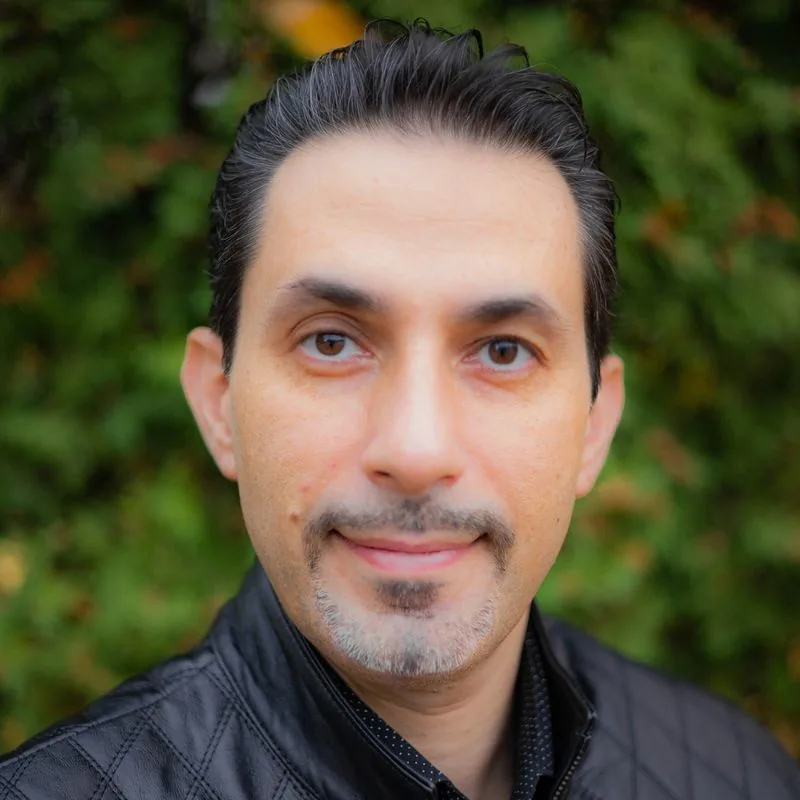
Amir Ahmadi, PhDDr. Amir Ahmadi is a Registered Physiotherapist, Certified IMS Therapist and former Associate Professor. 20+ years of clinical practice in North Vancouver.
This article is for general information only and does not constitute medical advice, diagnosis, or treatment. Individual presentations vary, and assessment findings and treatment plans differ from person to person. If you are experiencing severe symptoms, neurological changes (numbness, weakness, bowel or bladder changes), or a significant trauma, contact your physician or emergency services. Care at Medstar Sport Physio & Health is provided by practitioners registered with their respective British Columbia regulatory colleges.
Filed under
- ims
- dry-needling
- acupuncture
- north-vancouver
- choosing-care