Sport Physiotherapy vs. General Physiotherapy: When the Difference Matters
Every sport physiotherapist is a physiotherapist. Not every physiotherapist is a sport physiotherapist. Here is when the difference matters for your recovery, and when it doesn't.
BY AMIR AHMADI, PHD
A sport physiotherapist in Canada is a licensed physiotherapist who has completed additional credentialled training through Sport Physiotherapy Canada (SPC). The most common credential is the SPC Diploma, which covers field-of-play care, sport-specific concussion protocols, and high-load return-to-sport programming. A physiotherapist without that credential is still fully qualified to assess and treat sport injuries. The credential matters most for competitive athletes, complex return-to-play timelines, or cases involving on-field decisions. Medstar Sport Physio in North Vancouver is a sport-focused practice, and several team members hold SPC credentials. Whether the sport credential is the deciding factor for your case depends on your goals and the complexity of what you are returning to.
Every physiotherapist in British Columbia is licensed and regulated by the College of Physical Therapists of BC (CPTBC). That license is the floor. Sport physiotherapy is a credential layered on top, not a separate profession. This piece is the practical version of how we tell patients to think about the choice.
What is a sport physiotherapist in Canada?
A sport physiotherapist is a licensed physiotherapist who has completed credentialled post-graduate training through Sport Physiotherapy Canada (SPC), a division of the Canadian Physiotherapy Association founded in 1977. Per SPC's public-facing description, SPC offers two credential levels: the Sport Physiotherapy Certificate and the higher Sport Physiotherapy Diploma. SPC describes a "Sport Physiotherapist" as a physiotherapist who has completed the Diploma; over 350 clinicians in Canada also hold the Certificate. The title itself is not legally protected in BC, so ask which specific credential the clinician holds if it matters to you.
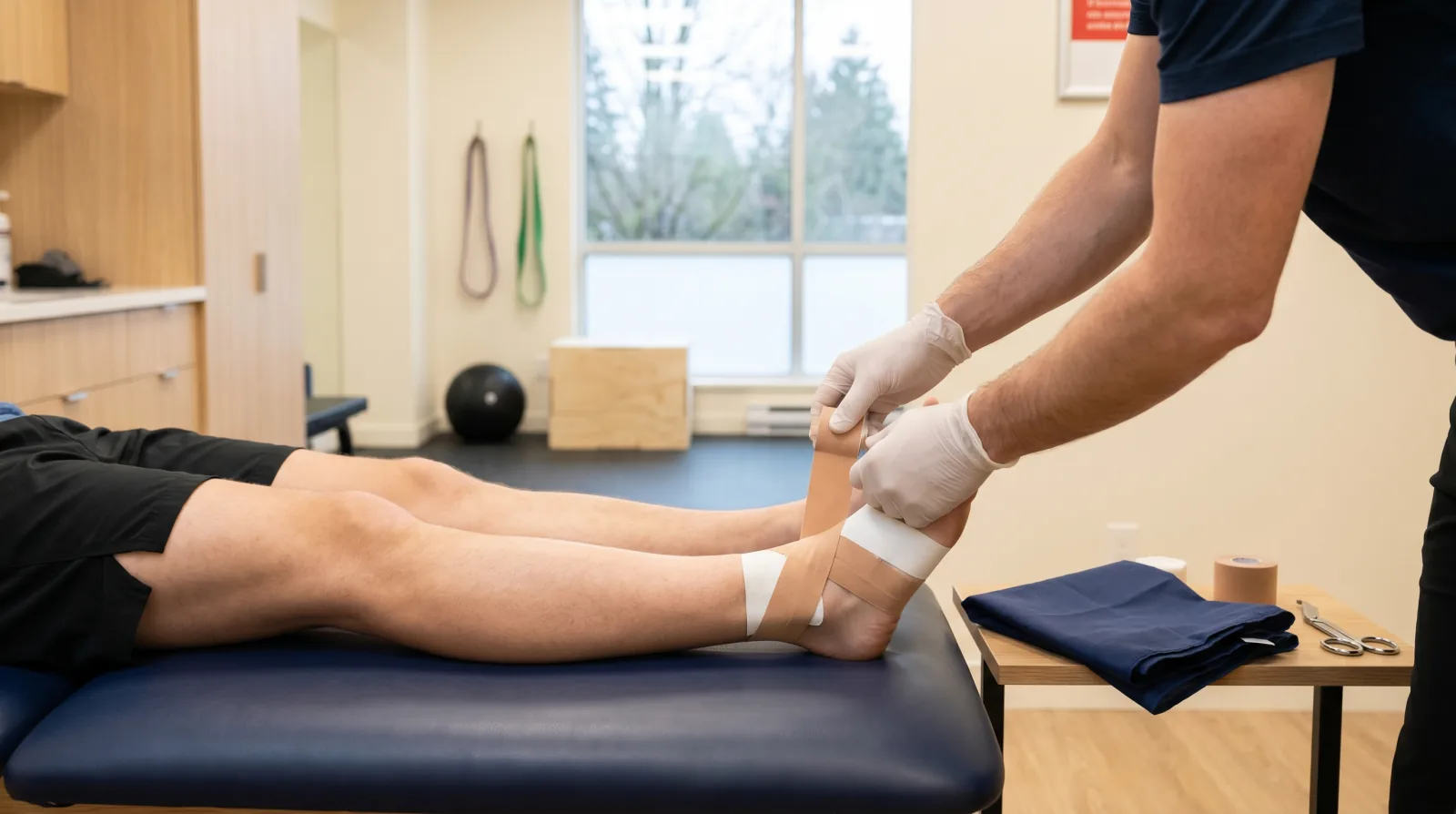
The SPC pathway adds clinical scope that general entry-to-practice training does not require: pitch-side and rink-side emergency care, athletic taping and protective equipment, sport-specific concussion management, and high-load return-to-sport progressions. Per the SPC Credential Program Handbook, Diploma holders are also eligible for international recognition as a Registered International Sports Physical Therapist (RISPT) through the International Federation of Sports Physical Therapy.
A general physiotherapist holds a Master's degree in physiotherapy, has passed the national Canadian Physiotherapy Examination (CPTE) administered by the Canadian Alliance of Physiotherapy Regulators, and is registered with the provincial college (in BC, CPTBC). That qualification covers every body region and every population: orthopaedic, neurological, cardiopulmonary, paediatric, geriatric. The breadth is built into the training by design.
How is sport physiotherapy different from general physiotherapy?
The honest answer is: in scope of training and in case mix, not in license. A sport physiotherapist and a general physiotherapist can both treat your ACL tear, your rotator cuff strain, or your sprained ankle. The difference is what each clinician was specifically trained to handle at the high-load end of the spectrum.
| Dimension | General physiotherapist | Sport physiotherapist (SPC Diploma) |
|---|---|---|
| License | CPTBC registration required (BC) | CPTBC registration required (BC) |
| Foundational training | Master's in physiotherapy + national competency exam | Master's + national exam + SPC pathway |
| Concussion management | Trained at entry-to-practice level | Sport-specific protocols, return-to-play decision frameworks |
| Field-of-play care | Not part of entry-to-practice scope | Pitch-side / rink-side emergency response, taping, equipment |
| Return-to-sport programming | Can deliver effectively for most cases | Specifically trained for high-load and competitive timelines |
| Mentorship in sport setting | Not required | Required as part of the SPC credential |
A general physiotherapist with years of post-graduate orthopaedic and tendinopathy experience can be the right clinician for a competitive runner with a chronic Achilles. A sport physiotherapist with a fresh Diploma may be the right call for a U18 hockey player working through return-to-play after a concussion. Credential is one input. Experience and case fit are the others.
When does the difference actually matter?
Five situations where the SPC Diploma credential changes the call:
- Concussion in a sport context. Return-to-play decisions for a contact sport are protocol-driven and time-sensitive. Sport-specific concussion training matters here.
- Field-of-play coverage. If a team is hiring a clinician to cover practices and games, the SPC pathway is the standard.
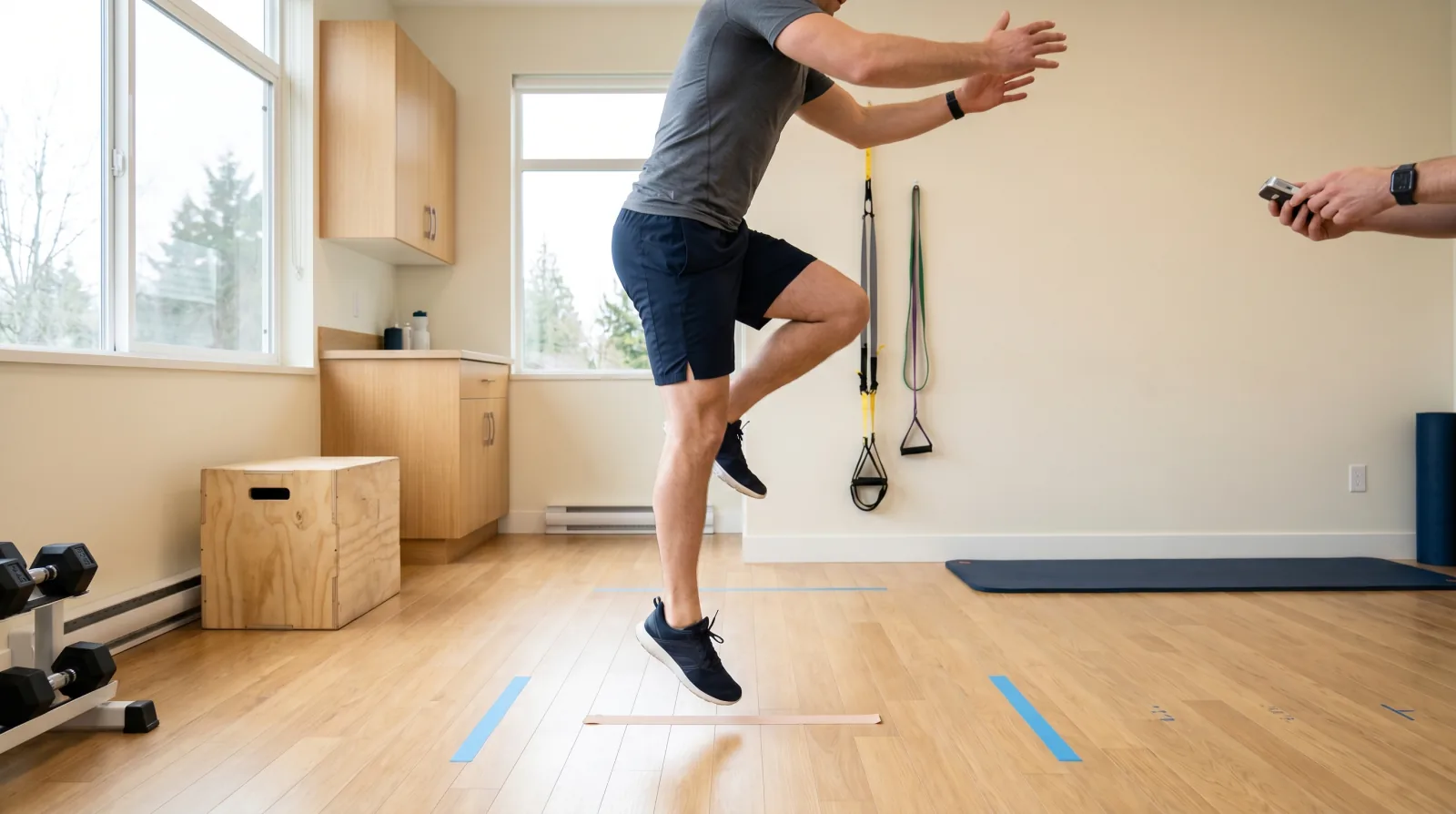
- High-load return-to-sport timelines. Competitive athletes returning to high-velocity, change-of-direction, or contact load benefit from a clinician trained in the staged progressions and return-to-play criteria the SPC pathway emphasises.
- Complex multi-system sport injuries. A rugby player with a concussion, an AC joint sprain, and a hamstring strain in the same incident is the kind of case the SPC training is built for.
- Master's-level athlete with race or competition pressure. Where the rehab decision needs to balance load progression with a specific competition date, sport-trained clinicians tend to be more comfortable with that risk-return calculus.
Situations where general physiotherapy is fully appropriate (and adding "sport" to the search doesn't change much): a desk-worker's neck pain, post-operative knee rehab without a competitive return goal, plantar fasciitis in a recreational walker, a low-back flare that does not involve sport demands. The treatment plan is the same. The clinician's title is not the deciding factor.
What should you look for when choosing a sport physio in BC?
Start with CPTBC registration, verifiable on the public CPTBC registry. Anyone calling themselves a physiotherapist in BC must be registered. That is the legal floor.
If your case demands it, ask which SPC credential the clinician holds: the Certificate or the higher SPC Diploma. Per SPC's own credential overview, the Diploma is the level SPC describes as a "Sport Physiotherapist" and is recognised internationally by the IFSPT.
The third filter is the one most people skip: case experience that matches yours. A clinician with the Diploma but no recent ACL rehab cases may not be a better fit than a general physiotherapist who treats five ACLs a month. Ask about case volume in your specific injury.
A note on titles. "Sports medicine," "sport rehab," and "sport injury clinic" are marketing terms that do not carry a regulated meaning. The credential that carries meaning is the SPC Diploma, with CPTBC registration underneath it.
How sport physiotherapy is delivered at Medstar
At Medstar Sport Physio & Health, every physiotherapist on the team holds CPTBC registration. The clinic's North Vancouver location sits in a busy sport demographic. North Shore trail runners, hockey clubs, recreational climbers, and competitive masters athletes are the case mix we see most. The physiotherapy program covers the spectrum from acute injury through return-to-activity. The team works alongside registered massage therapists, manual osteopathic practitioners, and kinesiologists, which means the loading and recovery side of rehab can run in parallel with hands-on care.
If you are not sure which clinician fits your case, book a 30-minute initial physiotherapy assessment via Jane App and the physiotherapist will triage from there. The strongest outcomes happen when the credential matches the case demands, not when the credential is the most impressive one on the wall.
This article is general information, not personal medical advice. A regulated practitioner can confirm whether the patterns described apply to you.
Sources
- Sport Physiotherapy Canada: For the Public
- Sport Physiotherapy Canada: a Division of the Canadian Physiotherapy Association
- SPC Credential Program Handbook (April 2023)
- College of Physical Therapists of BC (CPTBC): public registry and standards
- Canadian Alliance of Physiotherapy Regulators: the Canadian Physiotherapy Examination (CPTE)
Common questions
Frequently asked questions.
Is a sport physiotherapist the same as a physiotherapist?
A sport physiotherapist is typically a physiotherapist who has also completed Sport Physiotherapy Canada (SPC) credentialled training. The most common credential is the SPC Diploma, the level SPC describes as a 'Sport Physiotherapist.' The base license is identical. The added training covers field-of-play care, sport-specific concussion management, athletic taping, and competitive return-to-sport programming.
Do I need a referral to see a sport physio in BC?+
No referral is needed to see a sport physiotherapist in BC. Physiotherapy here is a primary-contact profession regulated by the College of Physical Therapists of BC, so you can book an initial assessment directly without going through a family physician first. Some extended health plans still ask for a doctor's referral on file before they reimburse a visit, which is an insurance rule rather than a clinical one. Check your plan wording before your first appointment.
Is sport physiotherapy more expensive than general physiotherapy?+
Sport physiotherapy at Medstar is not billed at a higher rate than general physiotherapy. The fee for an initial physiotherapy assessment is the same whatever credential the clinician holds, because the appointment type is what sets the fee. Sport physiotherapy is added training layered on the same physiotherapy licence, so it is billed on the same physiotherapy line. Current rates and direct-billing options are shown when you book at https://medstar.janeapp.com/.
Do all physiotherapists at Medstar hold the SPC Diploma?+
Not every physiotherapist at Medstar holds the Sport Physiotherapy Canada (SPC) Diploma. The clinic is a sport-focused practice and several team members hold SPC credentials, while others bring orthopaedic or post-operative experience that fits many sport cases just as well. Credential details for each clinician are listed on the team page. If you want to see someone holding a specific credential, say so when you book and we will match you.
Can I see a sport physiotherapist for a non-sport injury?+
Yes. A sport physiotherapist can treat any injury a general physiotherapist treats, because both work under the same physiotherapy scope of practice in BC. The SPC Diploma is training added on top of that licence, and it opens no doors that close others. A neck strain from desk work, a post-operative knee, or plantar fasciitis in a non-athlete all follow the same assessment and loading plan whatever sport credential the clinician holds.
How do I verify a physiotherapist's credentials in BC?+
Check the clinician's registration on the public CPTBC registry. Anyone calling themselves a physiotherapist in BC must be registered, so registration is the legal floor. If your case demands sport-specific training, also ask which SPC credential they hold, the Certificate or the higher SPC Diploma, since the Diploma is the level Sport Physiotherapy Canada describes as a 'Sport Physiotherapist.'
Does the term 'sports medicine clinic' mean the clinicians have special credentials?+
No. 'Sports medicine,' 'sport rehab,' and 'sport injury clinic' are marketing terms that do not carry a regulated meaning in BC. The credential that actually carries meaning is the SPC Diploma, with CPTBC registration underneath it. Check those directly rather than relying on a clinic's name.
When does the SPC Diploma credential actually change the treatment decision?+
It matters most for concussion in a sport context, field-of-play coverage for a team, high-load return-to-sport timelines for competitive athletes, complex multi-system sport injuries, and cases balancing rehab progression against a specific competition date. For a desk-worker's neck pain, post-operative knee rehab without a competitive goal, or a recreational plantar fasciitis case, general physiotherapy is fully appropriate and the treatment plan does not change.
Share this post
Copies a ready-to-publish LinkedIn post to your clipboard and opens the LinkedIn share dialog. Paste the text into the composer and publish.

Written by
Amir Ahmadi, PhDDr. Amir Ahmadi is a Registered Physiotherapist, Certified IMS Therapist and former Associate Professor. 20+ years of clinical practice in North Vancouver.
This article is for general information only and does not constitute medical advice, diagnosis, or treatment. Individual presentations vary, and assessment findings and treatment plans differ from person to person. If you are experiencing severe symptoms, neurological changes (numbness, weakness, bowel or bladder changes), or a significant trauma, contact your physician or emergency services. Care at Medstar Sport Physio & Health is provided by practitioners registered with their respective British Columbia regulatory colleges.
Filed under
- sport-physiotherapy
- physiotherapy
- choosing-care
- north-vancouver
- return-to-sport