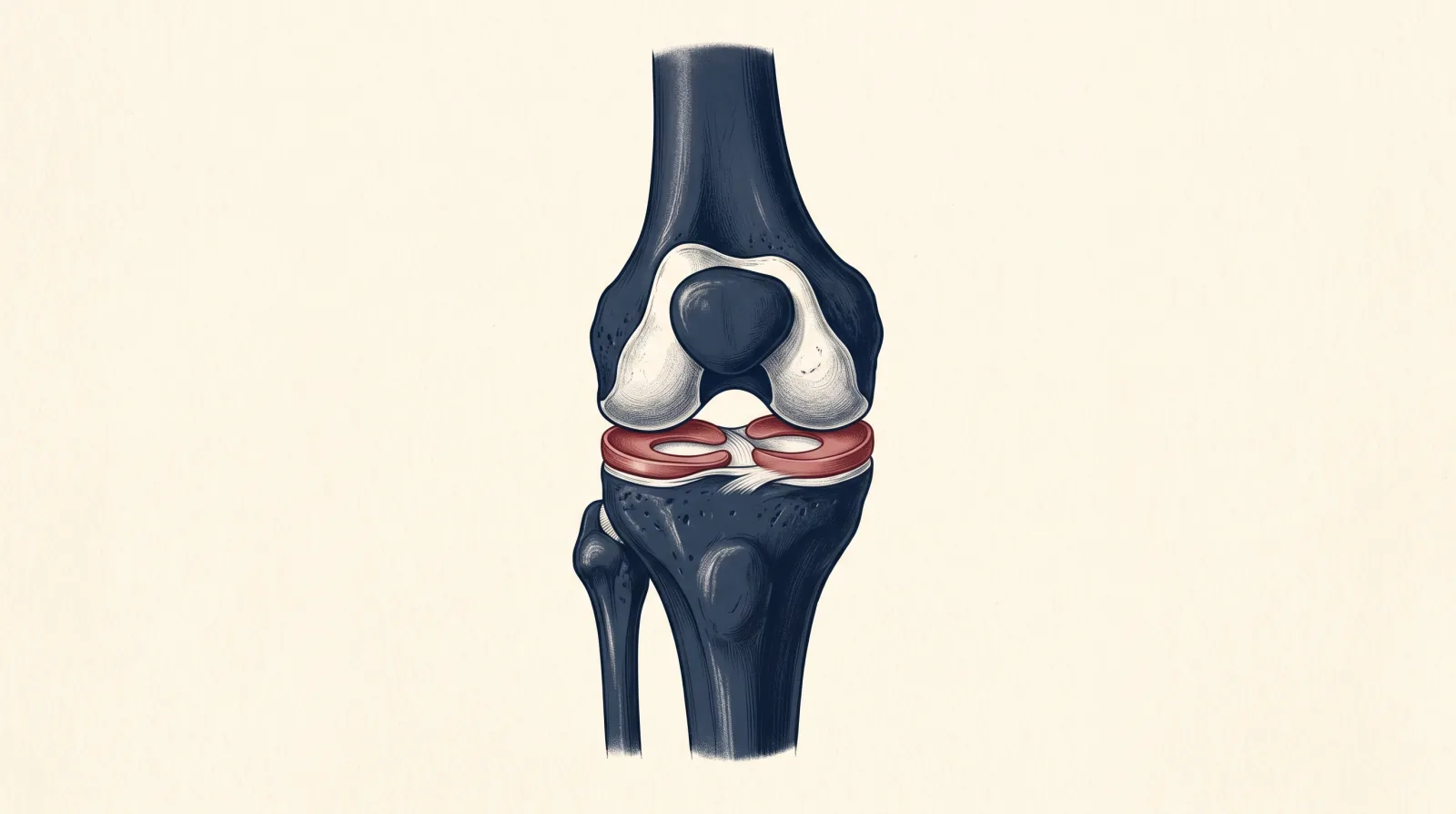

ACL Prehab: Why the Weeks Before Surgery Shape Your Recovery
The weeks before ACL surgery are working time. Restoring the knee's movement and strength first measurably improves how you recover afterward.
BY ALI SHAFIEI, RPT
An ACL tear is one of the more daunting injuries an active person can face, partly because of the long recovery ahead. But there is a part of that recovery people routinely underuse: the weeks before surgery. Far from being dead time, that window is one of the most valuable stretches of the whole process.
Completing a targeted strength and mobility program in the weeks before ACL surgery, known as prehabilitation, often improves post-surgical recovery outcomes. The approach focuses on three goals: settling the swelling, restoring full knee movement, and rebuilding quadriceps strength. Research consistently shows that the knee's strength and range of motion before surgery predict how well it functions after. Entering surgery with a stiff, weak knee tends to make the early recovery harder. At Medstar Sport Physio in North Vancouver, we start this program from the day of assessment. The timeline is goal-driven, not calendar-driven, and depends on how quickly the swelling settles and strength returns.
What the ACL does and what happens when it tears
The anterior cruciate ligament is one of the main stabilizers of the knee, controlling forward movement and rotation of the lower leg. It often tears during a sudden pivot, deceleration, or awkward landing, common in sports like soccer, basketball, and skiing, which is why we see it alongside other knee injuries on the North Shore. The tear typically produces immediate swelling and a sense that the knee is unstable.
A torn ACL does not heal back together on its own, which is why reconstruction surgery is common in people who want to return to pivoting sports. But the path from tear to recovery runs through several decisions, and prehab is the first.
What prehab actually is
Prehab is the physiotherapy done before reconstruction surgery, and it has three main jobs:
- Settle the swelling. A swollen knee is a stiff, weak knee, because swelling shuts down the quadriceps and limits movement.
- Restore full range of motion. Getting the knee to straighten fully and bend well before surgery matters, because a knee that goes into surgery stiff tends to come out stiff.
- Rebuild strength. Particularly quadriceps strength, which is the muscle most affected by an ACL injury and the one most predictive of recovery.
The goal is to reach surgery with a knee that moves well and is as strong as possible, rather than a swollen, locked-up, deconditioned one.
Why it improves outcomes
The evidence consistently shows that knee function and strength before surgery predict function after surgery. Quadriceps strength and full range of motion going into the operation are among the best predictors of how well the knee performs months later. In other words, the better shape the knee is in beforehand, the better the destination.
That makes prehab a genuine investment rather than a formality. The time spent restoring movement and strength before surgery pays off in a smoother, often faster early recovery, and a better strength baseline to build from. Entering surgery with a stiff, weak knee does the opposite, making the first post-surgical weeks harder than they need to be.
Not every ACL tear needs surgery
It is worth saying clearly: surgery is not automatic. Some people, particularly those who do not need to return to high-demand pivoting sports, function well with a structured rehabilitation program and no reconstruction. The knee can be stabilized through strength and control even without the ligament, depending on the individual.
The decision depends on your knee's stability, your activity goals, and whether there are associated injuries such as a meniscus tear, which connects to how we manage knee meniscal injuries. A surgeon and physiotherapist help you weigh the surgical and non-surgical paths against what you actually want to get back to, rather than defaulting to an operation. For those who do proceed, the whole process is a form of post-surgical rehab with a long horizon.
How prehab fits the timeline
Prehab is goal-driven rather than calendar-driven. The targets are minimal swelling, full or near-full range of motion, and good quadriceps activation and strength. Many people benefit from a few focused weeks before surgery, and the timing is coordinated with the surgeon around the swelling settling and the knee being ready. Operating on a hot, swollen, stiff knee can increase the risk of stiffness afterward, so this readiness genuinely matters.
What comes after
Post-surgical ACL rehab is a long, staged process. It moves from restoring movement and quadriceps control, through progressive strengthening and balance work, to running, agility, and eventually sport-specific training. Return to pivoting sport is based on objective strength and control criteria, the same criteria-based return to sport philosophy we apply across injuries, and it often lands around nine months or more rather than on a fixed date. Returning too early on the calendar alone is a known risk factor for re-injury.
Prehab gives this whole process a stronger starting point. A knee that enters surgery moving well and firing well comes out ahead, and stays ahead through the months of rebuilding.
When to get it assessed
If you have torn your ACL, or think you may have, get assessed early, even before any surgical decision is made. We can settle the knee, start restoring movement and strength, and help you and your surgeon weigh the options with a clear picture. The worst use of the time before surgery is to wait passively.
Book a 30-minute appointment and we will assess the knee, build a prehab plan, and coordinate with your surgical team so you enter any operation in the best shape possible, or pursue a non-surgical path if that fits your goals.
This article is general information about ACL injuries and prehabilitation. It is not personal medical advice. Surgical decisions belong with an orthopaedic surgeon. A regulated practitioner can confirm whether the patterns described apply to you.
Sources
- Eitzen et al., Preoperative quadriceps strength is a significant predictor of knee function two years after anterior cruciate ligament reconstruction, British Journal of Sports Medicine (2009)
- Grindem et al., Simple decision rules can reduce reinjury risk by 84% after ACL reconstruction, British Journal of Sports Medicine (2016)
- College of Physical Therapists of BC (CPTBC)
Common questions
Frequently asked questions.
What is ACL prehab?
Prehab is the physiotherapy you do before ACL reconstruction surgery. It focuses on calming the swelling, restoring full knee movement, and rebuilding quadriceps and leg strength before the operation. The goal is to enter surgery with a knee that moves well and is as strong as possible, because that strongly influences how the post-surgical recovery goes.
Does prehab really improve ACL surgery outcomes?+
The evidence supports it. Studies show that better knee function and strength before surgery, particularly quadriceps strength and full range of motion, predict better function after surgery. Entering the operation with a stiff, weak, swollen knee makes the early recovery harder, so prehab is a genuine investment, not a formality.
How long should prehab last before ACL surgery?+
It varies, but the priority is reaching specific goals rather than hitting a set number of weeks: minimal swelling, full or near-full range of motion, and good quadriceps activation and strength. Many people benefit from a few weeks of focused prehab. Your surgeon and physiotherapist coordinate the timing around the swelling settling and the knee being ready.
Does every ACL tear need surgery?+
No. Some people, particularly those who do not return to high-demand pivoting sports, function well with a structured rehabilitation program and no reconstruction. The decision depends on your knee stability, your activity goals, and any associated injuries. A surgeon and physiotherapist help you weigh surgical and non-surgical paths rather than assuming surgery is automatic.
What does ACL rehab after surgery involve?+
Post-surgical rehab progresses from restoring movement and quadriceps control, through strengthening and balance work, to running, agility, and eventually sport-specific training. Return to pivoting sport is based on objective strength and control criteria, often around nine months or more, not a fixed date. Prehab gives this whole process a stronger starting point.
What does a first ACL assessment at Medstar involve?+
A first ACL assessment checks how much swelling is present, how far the knee bends and straightens, and how well the quadriceps activates and fires. The physiotherapist builds a prehab plan around whichever of those three areas needs the most work. If a meniscus tear or other associated injury is suspected, that gets screened at the same visit, since it can change both the surgical decision and the rehab plan.
Does a meniscus tear change the ACL surgery decision?+
It can. An associated meniscus tear is one of the injuries a surgeon and physiotherapist weigh alongside knee stability and activity goals when deciding between surgery and a structured rehab program. A torn meniscus does not automatically mean surgery is required, but it is part of the full picture your surgical team considers, not a separate decision made in isolation.
What if my knee is still very swollen close to the surgery date?+
Tell your surgeon and physiotherapist promptly. Operating on a knee that is still hot and swollen can increase the risk of stiffness afterward, which is why prehab targets settling the swelling before the operation date. Your care team may adjust the prehab plan or discuss timing with the surgeon rather than proceeding on the original schedule regardless of how the knee looks.
Share this post
Copies a ready-to-publish LinkedIn post to your clipboard and opens the LinkedIn share dialog. Paste the text into the composer and publish.
Written by
Ali Shafiei, RPTAli Shafiei is a Registered Physiotherapist with 10+ years of clinical experience in musculoskeletal, neurological and sports rehabilitation. North Vancouver.
This article is for general information only and does not constitute medical advice, diagnosis, or treatment. Individual presentations vary, and assessment findings and treatment plans differ from person to person. If you are experiencing severe symptoms, neurological changes (numbness, weakness, bowel or bladder changes), or a significant trauma, contact your physician or emergency services. Care at Medstar Sport Physio & Health is provided by practitioners registered with their respective British Columbia regulatory colleges.
Filed under
- acl
- prehab
- knee
- surgery
- north-vancouver