Youth Sport Concussion: A North Shore Parent's Guide to the First Two Weeks
When your child gets a concussion in sport, the old advice was a dark room and total rest. That has changed. Here is what the current guidance says to do.
BY SANAZ DAVARIAN, PHD
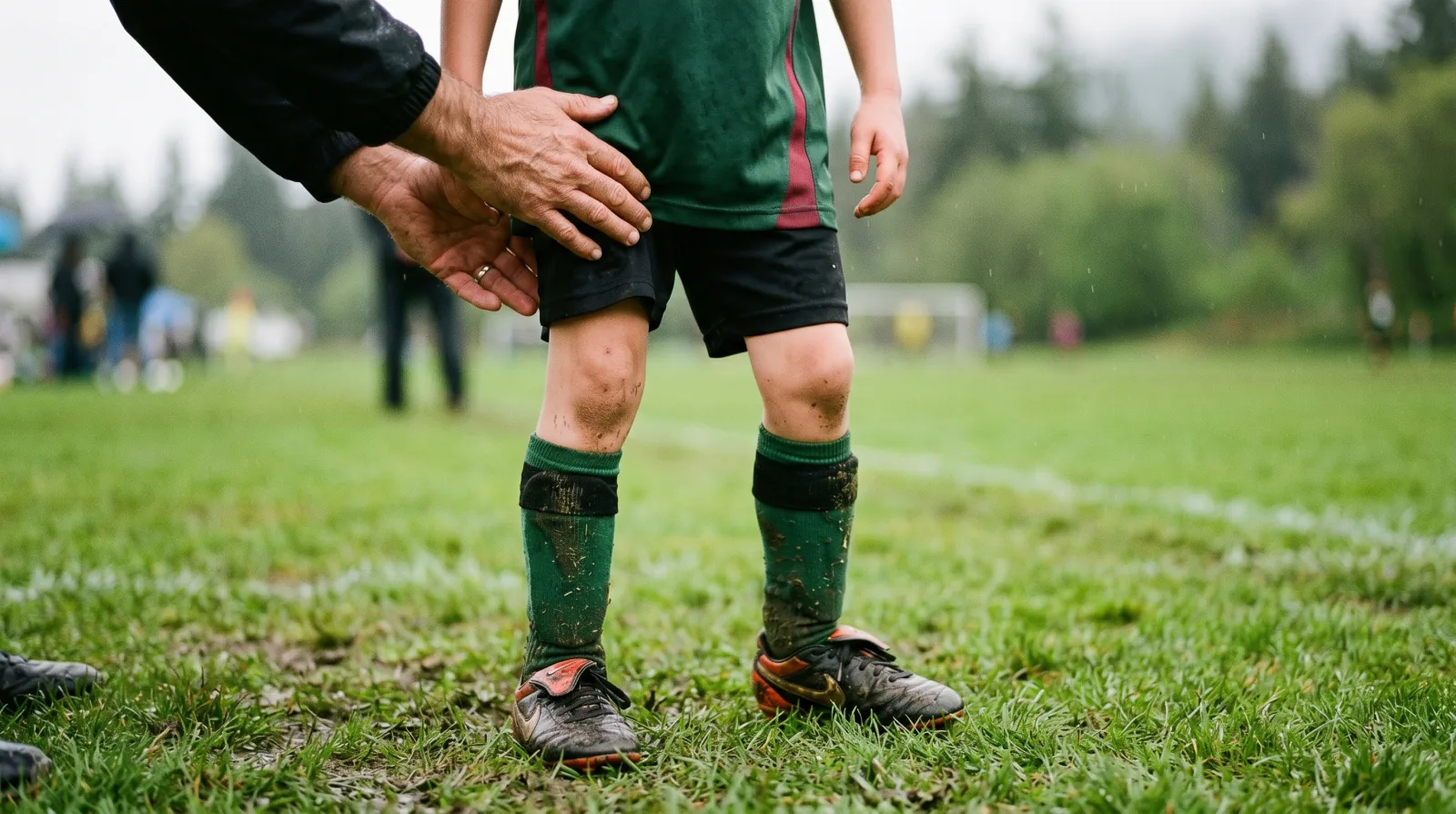
A child takes a knock to the head during a soccer game, a hockey shift, or a fall on the trail, comes off looking dazed, and every parent's mind races. The advice many of us grew up with, a dark room and complete rest until the symptoms pass, has been revised significantly. Here is what the current guidance actually says to do in the first two weeks, and when to head straight to the emergency room.
After a suspected concussion in a child, complete rest is no longer the recommended approach. Current guidelines support removing the child from play immediately, watching for red-flag symptoms that need emergency care, and then allowing a brief initial rest of a day or two. After that, a gradual and symptom-guided return to light activity, school, and eventually sport is encouraged. Prolonged total rest may slow recovery. Return happens in stages: return-to-learn generally comes before the later stages of return-to-play, and full-contact sport is the final step after medical clearance. At Medstar Sport Physio in North Vancouver, we guide North Shore families through this process. How quickly a child moves through the stages depends on how their symptoms respond at each step.
The first priority: remove and observe
If you suspect a concussion, the first rule is simple and non-negotiable: remove the child from play immediately and do not let them return the same day, even if they insist they feel fine. The phrase used across youth sport is, when in doubt, sit them out. A child who returns to play while concussed is at risk of a second, potentially more serious injury.
Then observe for red-flag symptoms that signal a more serious head injury and require emergency care. These include a worsening or severe headache, repeated vomiting, increasing confusion or unusual behaviour, a seizure, weakness or numbness, slurred speech, unequal pupils, or becoming increasingly drowsy or hard to wake. If any of these appear, go to the emergency department. Most concussions do not involve these features, but every parent should know them.
The rest advice has changed
For years, the standard advice was strict rest in a dark room with no screens, no school, and no activity until symptoms resolved. That is no longer recommended. The current guidance favours a brief initial period of relative rest, a day or two, followed by a gradual, symptom-guided return to light activity, learning, and eventually sport.
This is one of the most important updates for parents to absorb. Prolonged complete rest can actually slow recovery and worsen mood and symptoms. The brain recovers better with a careful, progressive return to activity than with extended isolation. The aim is to keep advancing through stages without significantly provoking symptoms, not to wait in the dark for them to vanish. This reflects the same evidence base that informs our broader approach to concussion and the staged work in our piece on concussion return-to-play and the six-step protocol.
Return-to-learn comes first
Two parallel processes guide recovery, and for a school-aged child, getting back to learning generally leads.
Return-to-learn is the staged process of returning to school and cognitive activity. It might begin with short periods of light mental activity at home, progress to partial school days with accommodations, and build toward full school days. Cognitive activity, like physical activity, is reintroduced gradually and guided by symptoms.
A child should be managing school reasonably well before progressing to the later, more demanding stages of returning to sport. Getting this order right matters, because the brain handles physical and cognitive load from the same recovering reserves.
Return-to-play is stepwise
Return-to-play is the staged process of getting back to physical activity and sport. It begins only after the initial symptoms have settled and the child has returned to light activity and learning. The progression moves through light aerobic activity, then sport-specific exercise, then non-contact training, then full-contact practice after medical clearance, and finally return to competition.
Each step is held for a period and advanced only if symptoms do not significantly worsen. If a step provokes symptoms, the child drops back to the previous level and tries again later. Full-contact sport is the final step and should follow medical clearance, because that is where the risk of a second impact is highest.
Why rushing is the real danger
The single greatest risk in youth concussion is returning to contact sport too soon. A second head injury before the brain has recovered can be considerably more serious, which is why the entire staged framework exists. Children and teenagers, who are often eager to get back to their team and may downplay symptoms, need adults to hold the line on the progression.
This is also why we use objective, staged criteria rather than a child's report that they feel okay, the same philosophy that runs through our approach to criteria-based return to sport. Feeling fine is not the same as being recovered, and the stages protect against the gap between the two.
Where physiotherapy fits
Physiotherapists trained in concussion management help guide the staged return, assess and treat the neck and balance contributions to symptoms, which are common after the kind of impacts that cause concussion, and coordinate with the family, school, and physician. Persistent symptoms that are not settling on the expected timeline particularly benefit from targeted assessment, because lingering issues often have specific, treatable drivers in the neck or vestibular system.
When to get it assessed
If your child has had a concussion, an assessment helps you navigate the return-to-learn and return-to-play stages safely and addresses any neck or balance symptoms. Seek emergency care immediately if any of the red-flag features described appear. For everything else, guided management beats waiting it out alone.
Book a 30-minute appointment and we will assess your child, guide the staged recovery, and coordinate with their school and physician so they return to learning and sport safely.
This article is general information about youth sport concussion. It is not personal medical advice. The red-flag features described require emergency medical care. Concussion management should involve a physician, and a regulated practitioner can confirm whether the patterns described apply to your child.
Sources
- Patricios et al. Consensus statement on concussion in sport: the 6th International Conference on Concussion in Sport, Amsterdam 2022, British Journal of Sports Medicine (2023)
- Parachute Canada: Canadian Guideline on Concussion in Sport
- College of Physical Therapists of BC (CPTBC)
Common questions
Frequently asked questions.
What should I do immediately after my child gets a concussion?
Remove them from play right away and do not let them return the same day, even if they say they feel fine. Watch for red-flag symptoms that need emergency care, such as worsening headache, repeated vomiting, increasing confusion, seizures, weakness, or unusual drowsiness. If none of those are present, arrange assessment and begin a guided recovery rather than waiting it out alone.
Should my child rest completely after a concussion?+
No. The old advice of strict rest in a dark room is no longer recommended. Current guidance favours a brief initial rest of a day or two, then a gradual, symptom-guided return to light activity, learning, and eventually sport. Prolonged complete rest can actually slow recovery. The key is progressing through stages without significantly provoking symptoms.
When can my child return to sport after a concussion?+
Return to sport follows a stepwise progression that only begins after symptoms have settled and the child has returned to learning and light activity. Each step is held for a period and advanced only if symptoms do not significantly worsen. Return to full-contact sport is the final step and should follow medical clearance. Rushing this raises the risk of a second injury.
What is the difference between return-to-learn and return-to-play?+
Return-to-learn is the staged process of getting back to school and cognitive activity, which usually comes before full return to sport. Return-to-play is the staged process of getting back to physical activity and sport. A child should be managing school reasonably before progressing to the later stages of return-to-play. Both are guided by symptoms.
When is a concussion an emergency?+
Seek emergency care if your child has a worsening or severe headache, repeated vomiting, increasing confusion or unusual behaviour, a seizure, weakness or numbness, slurred speech, unequal pupils, or becomes increasingly drowsy or difficult to wake. These can signal a more serious head injury that needs urgent medical assessment, not a wait-and-see approach.
Should my child avoid screens completely after a concussion?+
Not for an extended period. A brief reduction in screen use during the first day or two of rest can help, but prolonged avoidance of all screens is not the current guidance. Screen use, like schoolwork, is reintroduced gradually as part of the symptom-guided return, and it is stopped or reduced again only if it clearly provokes symptoms. Your child's physiotherapist or physician can help set a reasonable pace.
Is a second concussion more dangerous than the first?+
Sustaining a second head injury before the brain has recovered from the first carries more risk than a single, well-managed concussion. This is the main reason the staged return-to-play framework exists and why a child should never return to contact sport the same day as a suspected concussion. Children with a history of multiple concussions are usually monitored more closely during their return-to-sport progression.
What does a physiotherapy visit for concussion actually involve?+
A physiotherapist trained in concussion management assesses the neck and the balance and eye-movement systems, which are common contributors to concussion symptoms like dizziness and headache. They also track where the child sits in the return-to-learn and return-to-play stages and adjust the pace based on how symptoms respond. Treatment often includes gentle neck and vestibular exercises alongside guidance for the family and school.
Share this post
Copies a ready-to-publish LinkedIn post to your clipboard and opens the LinkedIn share dialog. Paste the text into the composer and publish.

Written by
Sanaz Davarian, PhDDr. Sanaz Davarian is a Registered Physiotherapist with a PhD and 20+ years of experience. Certified IMS Therapist, former Assistant Professor of Physiotherapy. North Vancouver.
This article is for general information only and does not constitute medical advice, diagnosis, or treatment. Individual presentations vary, and assessment findings and treatment plans differ from person to person. If you are experiencing severe symptoms, neurological changes (numbness, weakness, bowel or bladder changes), or a significant trauma, contact your physician or emergency services. Care at Medstar Sport Physio & Health is provided by practitioners registered with their respective British Columbia regulatory colleges.
Filed under
- concussion
- youth-sport
- return-to-play
- parents
- north-vancouver