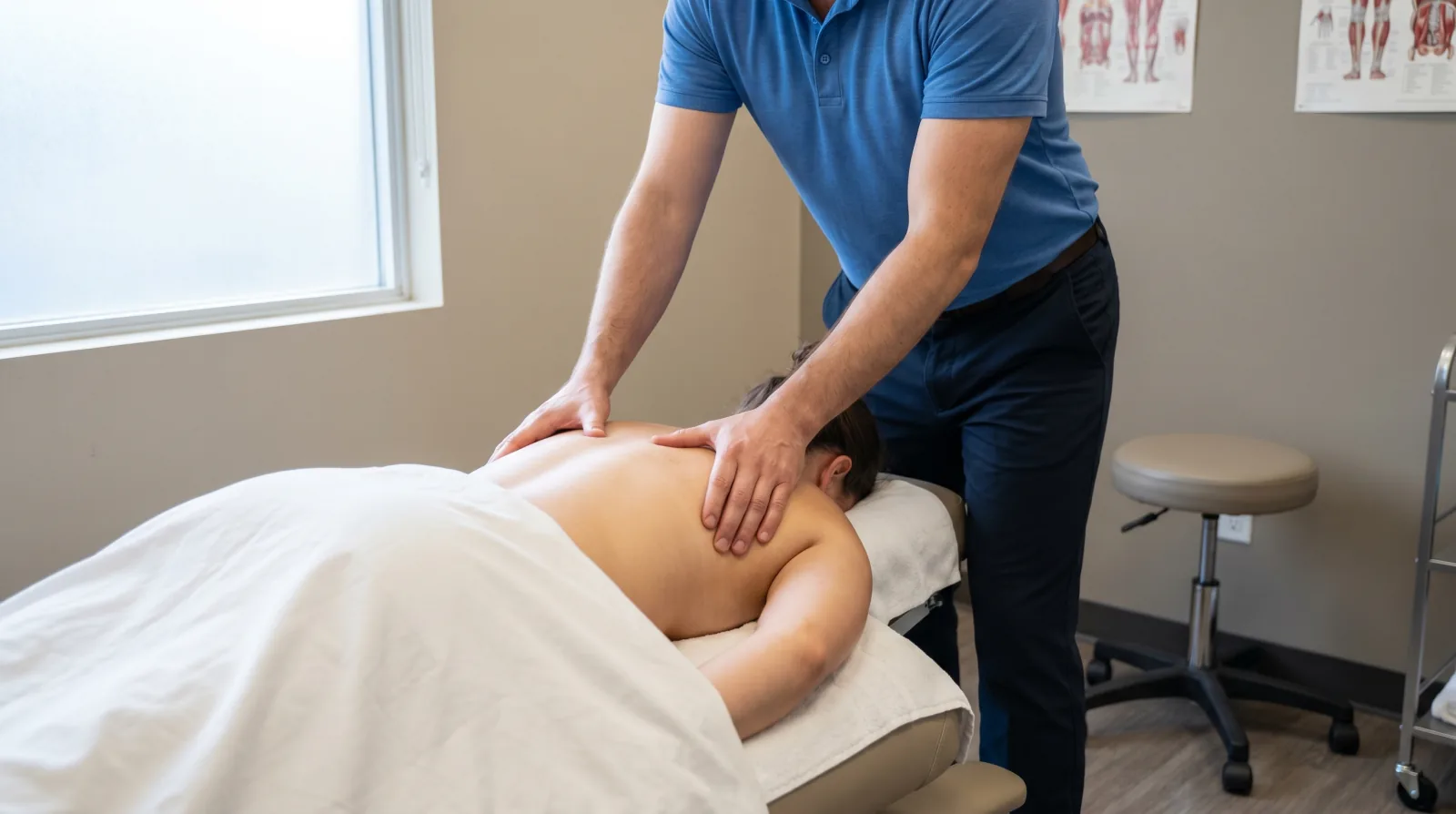

Physiotherapy vs. Chiropractic: When to Choose Which in BC
Both are regulated in BC. Both treat musculoskeletal pain. The difference is in how each profession approaches the problem, and that difference matters for specific presentations.
BY SANAZ DAVARIAN, PHD
Physiotherapy and chiropractic are both regulated health professions in BC that can help with musculoskeletal pain, but they follow different training pathways and treatment approaches. Neither is categorically better. Physiotherapy focuses on assessment, clinical reasoning, and progressive rehabilitation through exercise and loading. Chiropractic centres on spinal manipulative therapy, which may be the better starting point for certain acute spinal presentations. Many people benefit from both at different stages of recovery. At Medstar Sport Physio in North Vancouver, if chiropractic is the more appropriate fit for your situation, the physiotherapist will say so and can point you toward a North Vancouver chiropractor. Which profession suits your case best depends on what is driving your symptoms and what the treatment goal is.
How each profession is regulated in BC
Physiotherapists in BC are regulated by the College of Physical Therapists of BC (CPTBC). The entry-level credential is a Master of Physical Therapy from an accredited Canadian university program. Physiotherapists are primary-contact providers. You can book directly without a physician referral, though some extended health plans require one for reimbursement.
Chiropractors in BC are regulated by the College of Complementary Health Professionals of BC (CCHPBC), the same college that oversees registered massage therapists, naturopathic physicians, and traditional Chinese medicine practitioners. The chiropractic program in Canada is a four-year Doctor of Chiropractic (DC) degree, typically preceded by at least two years of undergraduate science prerequisites. Chiropractors are also primary-contact providers.
Both professions operate under the Health Professions and Occupations Act (HPOA), which replaced the former Health Professions Act on April 1, 2026. Both are eligible for direct billing with most extended health insurers and ICBC.
| Dimension | Physiotherapy | Chiropractic |
|---|---|---|
| Regulatory college (BC) | CPTBC | CCHPBC |
| Entry-level credential | Master of Physical Therapy | Doctor of Chiropractic (DC) |
| Primary-contact status | Yes | Yes |
| ICBC pre-approval | Yes | Yes |
| WorkSafeBC billing | Yes | Yes |
What physiotherapy focuses on
At Medstar, physiotherapy is the clinical anchor of the practice. The model is built around assessing movement, identifying the tissue or pattern driving symptoms, and designing a rehabilitation program that restores function. A first physiotherapy assessment covers the full clinical picture: mechanism of injury, range of motion, strength testing, neurological screening where indicated, and load tolerance. Treatment usually combines hands-on work (joint mobilization, manual therapy, intramuscular stimulation (IMS) where indicated) with an active rehab component that the patient carries between visits.
That active component is what separates physiotherapy most clearly from passive-only treatment. A physiotherapist's goal is to build capacity so the problem does not return after discharge. For a North Shore trail runner with IT band syndrome, that means settling the irritation and building the hip and glute strength that set it off.
Physiotherapy also covers a broader scope than musculoskeletal cases: neurological rehabilitation, cardiopulmonary conditions, vestibular disorders, paediatric and geriatric presentations. For sport and orthopaedic cases, you are unlikely to encounter that breadth in a session. It does mean the profession's training covers a wide clinical range, which matters when a straightforward-looking injury turns out to have a neurological component.
What chiropractic focuses on
Chiropractic training centres on the diagnosis and treatment of neuromusculoskeletal conditions, with a particular emphasis on spinal health and spinal manipulative therapy (SMT). The DC program includes clinical sciences, anatomy, pathology, diagnostic imaging, and extensive training in manipulation techniques.
In BC, chiropractors can order and interpret X-ray imaging when clinically indicated, a scope that physiotherapists do not share. For presentations where imaging is a genuine clinical question (suspected fracture, osseous pathology, structural deformity), that diagnostic capacity is relevant.
Per CCHPBC's standards for chiropractors, chiropractic treatment in BC commonly includes spinal and extremity manipulation, mobilization, soft-tissue therapy, therapeutic exercise, and patient education. Modern chiropractic practice often looks similar to physiotherapy in terms of the exercise prescription and active rehab components; the philosophical foundation and the primary intervention differ.
One boundary matters: per CCHPBC's published standards, registrants must not represent to patients that chiropractic can treat systemic diseases or conditions such as infections, cancer, or diabetes. Chiropractic is a musculoskeletal profession.
How the treatment approaches differ in practice
The clearest difference is the primary intervention. Chiropractic has historically led with spinal manipulative therapy, the adjustment. Physiotherapy has historically led with assessment, manual therapy, and progressive exercise. By 2026, both professions have shifted toward more exercise-based and patient-active models. The practical gap between a modern chiropractic session and a modern physiotherapy session is smaller than it was twenty years ago.
Where the two diverge most visibly:
| Clinical scenario | Physiotherapy leaning | Chiropractic leaning |
|---|---|---|
| Acute low back pain with load intolerance | Active rehab, graded exposure, IMS if indicated | SMT for short-term symptom relief, then exercise |
| Neck pain with headache component | Manual therapy, postural correction, exercise | Cervical adjustment, mobilization |
| Sport injury (ankle sprain, shoulder) | Staged return-to-sport programming | Manipulation of affected joint, soft tissue work |
| Post-surgical rehab | Physiotherapy protocol is standard | Not typically indicated post-op |
| Radiculopathy (nerve root) | Nerve mobilization, traction, exercise | Manipulation with caution; imaging first |
Post-surgical rehabilitation is almost always physiotherapy. Hospitals and surgeons issue physiotherapy referrals, not chiropractic referrals, for post-op care. That is a practical clinical norm, not a scope restriction.
The ICBC and WorkSafeBC question
Both physiotherapists and chiropractors are pre-approved ICBC treatment providers. After a motor vehicle accident, ICBC's pre-approval framework covers initial sessions with either profession without requiring insurer sign-off in advance, though the specific pre-approved visit counts and billing structure are set by ICBC and may change. Check ICBC's current treatment guidelines for current counts before assuming coverage.
WorkSafeBC also covers both professions for accepted claims. If you have an active WorkSafeBC claim, both physiotherapy and chiropractic are eligible, but the treating provider must be registered with WorkSafeBC. At Medstar, we handle WorkSafeBC billing directly.
When physiotherapy is the clearer call
Post-surgical recovery is one situation. Surgeons issue physiotherapy referrals for a reason: staged rehabilitation protocols require the exercise-prescription depth and return-to-load sequencing that physiotherapy training builds. Chiropractic is not typically part of a post-op protocol.
Return-to-sport with a specific load target is another. If the goal is competing again, whether that is a hockey tryout, a trail race, or a climbing grade, the progressive programming and return-to-play criteria framework fits physiotherapy closely. For cases involving a competitive athletic context or a sport-specific return-to-play protocol, sport physiotherapy vs. general physiotherapy covers when the additional credential matters and when it doesn't.
Complex or multi-tissue presentations also lean toward physiotherapy. A shoulder with both rotator cuff irritation and scapular control issues needs a rehabilitation plan, not primarily a passive treatment intervention.
Neurological screening adds a fourth reason. When numbness, tingling, or weakness accompany musculoskeletal pain, physiotherapy entry-to-practice covers that assessment more broadly than chiropractic training does.
And when the condition falls outside musculoskeletal scope (vestibular rehab, pelvic floor physiotherapy, cardiopulmonary cases) physiotherapy is the only applicable option.
When chiropractic is worth considering
Start with chiropractic if manipulation has worked for you before. Some patients have a documented, positive history with spinal manipulative therapy. Starting with what has worked is a reasonable clinical decision, not a compromise.
If imaging is a genuine question, chiropractic is worth considering. A DC can order and interpret X-rays within the same clinical episode, which physiotherapists cannot do. For presentations where structural change is suspected and imaging would change the treatment plan, that capacity matters.
Acute spinal pain where you want short-term relief before committing to exercise is another reasonable entry point. The evidence for SMT in acute low back pain for short-term pain reduction is adequate. Some patients find that settling pain first makes the active rehab phase easier to engage with.
Headaches with a cervicogenic component round out the list. Cervical manipulation and mobilization have reasonable evidence for that specific presentation, enough to make chiropractic a legitimate option alongside physiotherapy manual therapy.
Quick decision guide: which to book first
| Your situation | Start with | Why |
|---|---|---|
| Post-surgical recovery | Physiotherapy | Hospitals and surgeons issue physio referrals; this is a clinical norm, not a restriction |
| Complex sport injury (multi-tissue, return-to-competition goal) | Physiotherapy | Staged programming and load sequencing require exercise-prescription depth |
| Neurological symptoms alongside musculoskeletal pain | Physiotherapy | Broader entry-to-practice screening scope |
| Conditions outside musculoskeletal scope (vestibular, pelvic floor, cardiopulmonary) | Physiotherapy | Chiropractic scope is musculoskeletal only |
| Acute low back or neck pain, manipulation has helped before | Chiropractic | Documented positive history with SMT is a reasonable starting point |
| Imaging is a clinical question (suspected fracture, structural deformity) | Chiropractic | DCs can order and interpret X-rays; physiotherapists cannot |
| Cervicogenic headache | Chiropractic or Physiotherapy | Both have reasonable evidence for this presentation |
| Acute spinal pain, want short-term relief before committing to exercise | Chiropractic | SMT has adequate evidence for short-term pain reduction in acute low back pain |
| Ongoing rehab after symptom settling | Both concurrently or sequentially | Manipulation for symptom control; physio for progressive rehabilitation |
How we work with chiropractors at Medstar
Medstar Sport Physio & Health refers to and from chiropractors in North Vancouver. The two professions sit well beside each other for a lot of cases, particularly where a patient wants both spinal manipulation and a structured rehabilitation program running at the same time. The most common pattern we see: a patient attends a chiropractor for short-term symptom settling while carrying a physiotherapy active-rehab program between visits. Each profession is doing a different job.
If you book at Medstar and have a history with a chiropractor, bring that history to the first assessment. The physiotherapist will screen and plan. If a referral or co-management makes clinical sense for your case, we will say so directly.
This article is general information, not personal medical advice. A regulated practitioner can determine which profession and treatment approach fits your specific presentation.
Sources
- College of Physical Therapists of BC (CPTBC): public registry and standards
- College of Complementary Health Professionals of BC (CCHPBC): chiropractors
- CCHPBC: registered massage therapists
- BC Government: Health Professions and Occupations Act (HPOA)
- ICBC: treatment benefits
- WorkSafeBC: health care provider information
Common questions
Frequently asked questions.
Is physiotherapy better than chiropractic?
Neither is categorically better. The right choice depends on the presentation, the patient's history, and what the treatment goal is. Post-surgical rehab, complex sport injuries, and load-based return-to-sport programs tend to favour physiotherapy. Acute spinal pain where manipulation has a history of helping, or cases where imaging is a clinical question, often point to chiropractic. Many patients benefit from both.
Can I see both a physiotherapist and a chiropractor at the same time?+
Yes, you can see a physiotherapist and a chiropractor at the same time. There is no clinical or billing conflict with attending both concurrently, provided each provider knows the full picture. A common pattern is a chiropractor handling short-term symptom settling while the patient carries a physiotherapy active-rehab program between visits. Each profession is doing a different job. Bring both providers up to date at each visit so the two plans support each other.
Do both professions bill ICBC directly?+
Yes, both professions bill ICBC directly. Physiotherapists and chiropractors are both pre-approved ICBC treatment providers, so after a motor vehicle accident you can start with either one without insurer sign-off in advance. The specific visit counts covered under ICBC pre-approval are set by ICBC and subject to change, so verify current counts at icbc.com before assuming a number. Bring your ICBC claim number to the first visit.
Which is covered by extended health insurance?+
Physiotherapy and chiropractic are both covered by most Canadian extended health plans, though benefit limits differ by plan. Registered massage therapy, physiotherapy, and chiropractic are typically separate benefit categories with their own annual limits, so using one does not draw down another. Check your plan's physiotherapy and chiropractic limits separately in your plan booklet. Bringing your plan details to the first visit is the reliable way to confirm what applies.
Does Medstar Sport Physio offer chiropractic?+
No. Medstar is a physiotherapy, RMT, manual osteopathy, and kinesiology clinic. We do not have a chiropractor on staff. If chiropractic is the right call for your case, the physiotherapist will say so at assessment and can refer you to a North Vancouver chiropractor they work with.
Can a chiropractor order an X-ray but a physiotherapist cannot?+
Yes, a chiropractor in BC can order and interpret X-ray imaging when clinically indicated, and physiotherapists do not share that scope. For presentations where structural change is suspected, such as a possible fracture, osseous pathology, or structural deformity, that diagnostic capacity is a real reason to start with chiropractic. If imaging would not change the treatment plan, the scope difference matters less and either profession can assess you.
Is chiropractic covered by WorkSafeBC as well as ICBC?+
Yes, WorkSafeBC covers chiropractic as well as physiotherapy. Both professions are eligible for accepted WorkSafeBC claims, but the treating provider must be registered with WorkSafeBC before billing, so confirm that when you book anywhere. At Medstar Sport Physio we handle WorkSafeBC billing directly for the physiotherapy side of a claim. Bring your claim number and any paperwork from your employer or physician to the first visit.
Why do surgeons refer to physiotherapy rather than chiropractic after surgery?+
Surgeons refer to physiotherapy after surgery because staged rehabilitation protocols require the exercise-prescription depth and return-to-load sequencing that physiotherapy training builds. Hospitals and surgeons issue physiotherapy referrals for post-op care as a practical clinical norm. Chiropractic is a musculoskeletal profession and is not typically part of a post-op protocol. If you have been discharged from Lions Gate Hospital with a referral, bring that paperwork to your first physiotherapy assessment.
Share this post
Copies a ready-to-publish LinkedIn post to your clipboard and opens the LinkedIn share dialog. Paste the text into the composer and publish.

Written by
Sanaz Davarian, PhDDr. Sanaz Davarian is a Registered Physiotherapist with a PhD and 20+ years of experience. Certified IMS Therapist, former Assistant Professor of Physiotherapy. North Vancouver.
This article is for general information only and does not constitute medical advice, diagnosis, or treatment. Individual presentations vary, and assessment findings and treatment plans differ from person to person. If you are experiencing severe symptoms, neurological changes (numbness, weakness, bowel or bladder changes), or a significant trauma, contact your physician or emergency services. Care at Medstar Sport Physio & Health is provided by practitioners registered with their respective British Columbia regulatory colleges.
Filed under
- physiotherapy
- chiropractic
- choosing-care
- north-vancouver
- back-pain
- sport-injury