Concussion Return-to-Play: The Six-Step Protocol and What Each Step Means
The current concussion return-to-play framework is six graded steps with a medical clearance in the middle. Here is how each step looks in practice for a North Shore athlete, plus the steps people most often skip.
BY AMIR AHMADI, PHD
Returning to sport after a concussion must follow the six-step graduated return-to-play protocol, with at least 24 hours at each step and a medical clearance before full contact. If symptoms return at any step, the athlete drops back to the previous step before trying again. That rule is not optional. At Medstar Sport Physio in North Vancouver, we apply this protocol for every athlete regardless of age or sport, and we coordinate with the family physician who makes the final clearance decision. Most adolescent athletes take two to four weeks before returning to full contact. What determines the pace is symptom stability at each step, not how long the athlete has been off the field.
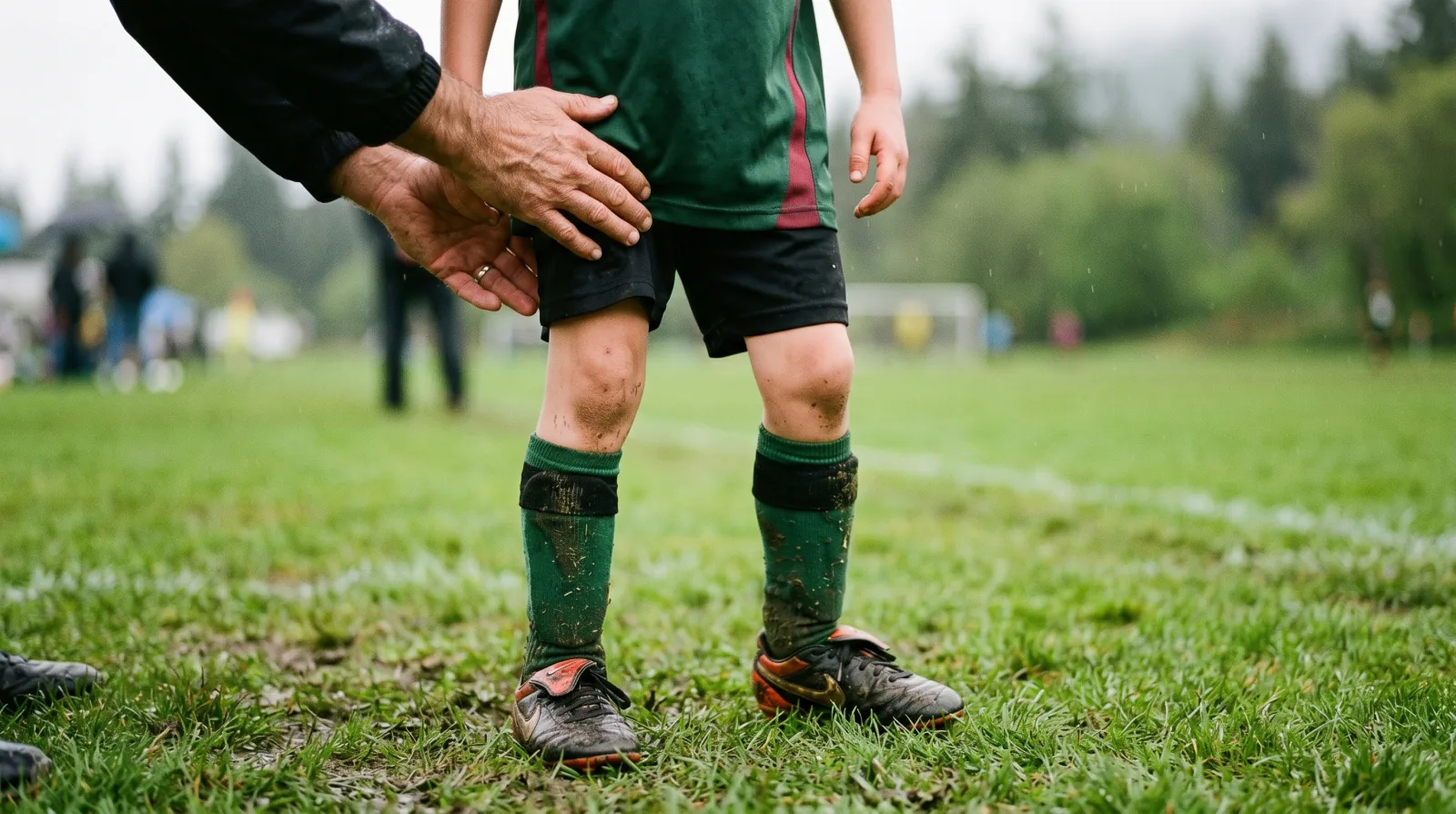
If your North Shore athlete (a high school hockey player, a rugby flanker at Capilano, a soccer midfielder in the Lower Mainland Soccer League, a club rower) has had a concussion in the last week, the next two to four weeks should look more structured than "rest until it feels okay".
The six steps of return to sport
The framework most commonly used in Canada is the six-step Graduated Return to Sport progression from the Consensus Statement on Concussion in Sport, 6th International Conference (Amsterdam, 2022), published in BJSM. Each step is described as taking a minimum of 24 hours, with progression contingent on symptom stability.
Step 1. Symptom-limited activity. The first 24 to 48 hours after the concussion. Daily activities are tolerated within symptom limits. Brief, low-intensity walking is encouraged. Screen exposure is moderated based on symptom response. Prolonged dark-room rest is no longer the standard.
Step 2. Light aerobic exercise. Walking and stationary cycling at low intensity, sub-symptom threshold. Heart rate typically below 70% of maximum. Goal is to introduce cardiovascular activity without provoking symptoms. No resistance training, no head impact.
Step 3. Sport-specific exercise. Running drills or skating drills in the case of hockey. No head impact, no contact. Movement patterns are sport-specific but the cognitive and collision load is low.
Step 4. Non-contact training drills. Progression to harder training drills such as passing patterns, set plays, and more complex movement. Resistance training can be reintroduced. The athlete is in a team practice context but the contact element is held back. This step often takes longer than 24 hours in adolescent athletes.
Step 5. Full-contact practice. Following medical clearance, the athlete returns to normal training activities. This is the first step where the head can take impact. Coaches monitor for changes in performance, behaviour, or symptoms.
Step 6. Return to sport. Normal game play.
The 24-hour minimum at each step means a fully smooth progression is at least a week. Real recoveries rarely move that fast, particularly in adolescents and in athletes with prior concussion history.
The symptom-based step-back rule
The protocol's most important detail is not the steps themselves but the rule that governs them: if symptoms return when load is added at any step, the athlete drops back to the previous step and waits until symptoms settle before re-attempting the progression.
This is where the framework most often gets eroded in practice. A symptom flare on step 3 is not a signal to push through. It is a signal that the tissue or the brain's processing capacity is not ready for that level of load yet. The right move is the same as in any other rehab: back off, settle, retry. Pushing through with symptoms can prolong recovery and, in the case of a second impact during a symptomatic window, carries a small but real risk of more serious injury.
We tell every athlete the same thing on day one: the protocol is not a race. The athlete who progresses smoothly through is back faster than the athlete who pushes step 4 too soon and bounces back to step 2.
Return-to-learn runs in parallel
For students and student-athletes, the cognitive recovery side runs in parallel. The same Amsterdam consensus describes a Graduated Return to Learn protocol: daily activities at home, then school work at home in short blocks, then partial school day with academic accommodations, then full school day with accommodations, then full participation.
The principle that connects the two protocols: cognitive load is reintroduced before high-intensity physical load. A North Shore high school student returning to a full day of class with screen-heavy coursework while also pushing toward step 4 of return-to-sport is overloading both systems. We coordinate the rate of school progression with the rate of sport progression. School-based concussion accommodations are commonly arranged through the school's counsellor or learning support teacher.
What testing the physiotherapist actually contributes
The physiotherapist's contribution in return-to-play testing is in three areas:
- Cervical assessment. A significant portion of post-concussion symptoms (headache, dizziness, sense of disorientation) overlap with cervical spine dysfunction from the same impact. We screen the upper cervical joints, the cervical proprioception, and the suboccipital tone. The cervical contribution is sometimes the missing piece in a recovery that has stalled.
- Vestibular-ocular and balance testing. A standardised VOMS-style screen identifies vestibular and ocular motor symptoms that benefit from targeted exercise. Athletes who fail the smooth pursuit, saccade, or convergence components often progress faster with vestibular rehab than with continued rest.
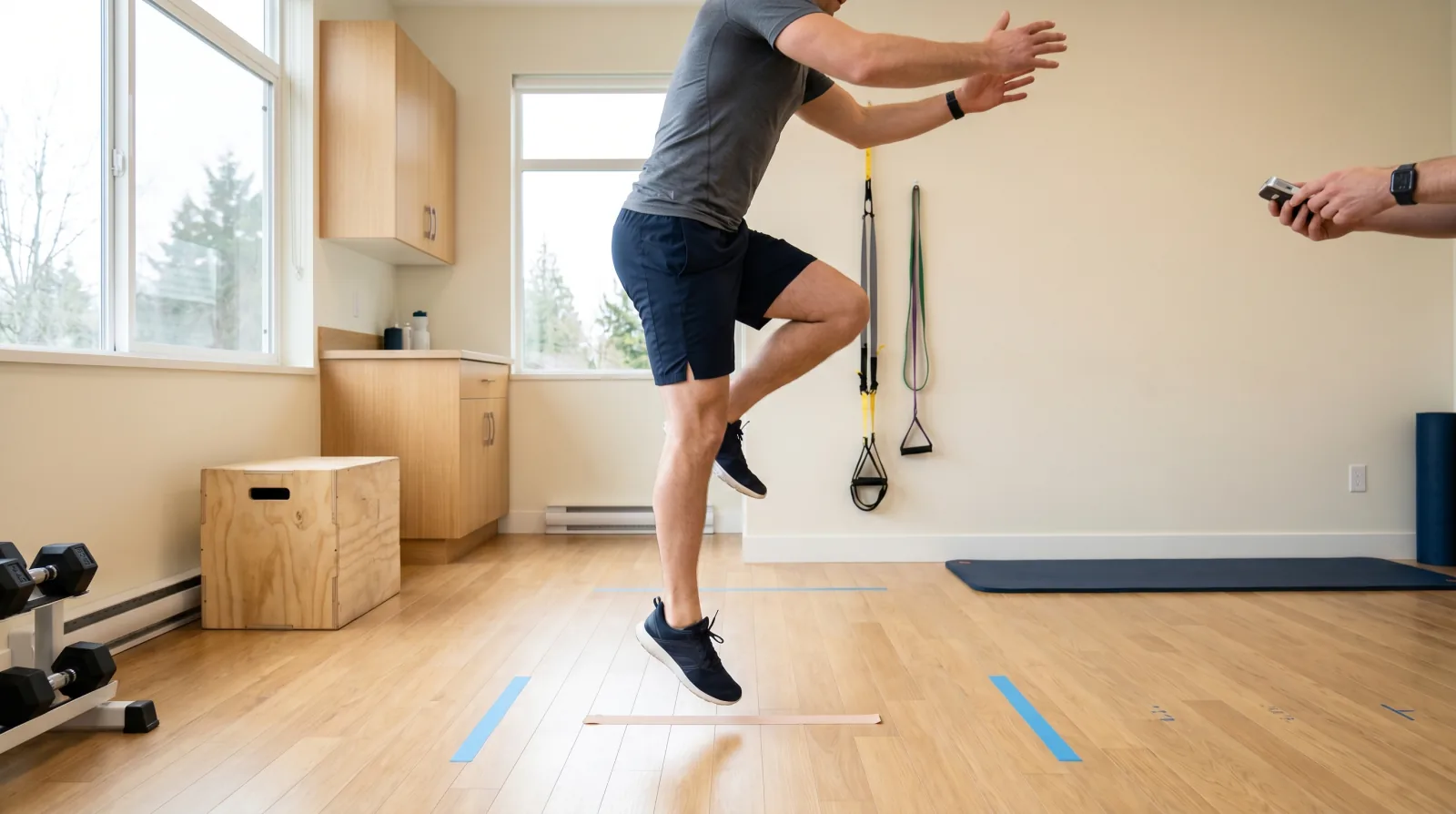
- Sub-symptom-threshold exertion testing. A graded treadmill or stationary bike test, modelled on the Buffalo Concussion Treadmill Test, identifies the heart rate at which symptoms increase. That heart rate becomes the ceiling for sub-symptom-threshold aerobic activity in steps 2 and 3.
Sport Concussion Assessment Tool (SCAT6) symptom tracking is the spine of the clinical record. We score it at intake and at progression steps so the family physician and the athlete have an objective record of change.
Where the physician fits
The medical clearance before step 5 (full-contact practice) is not optional. A family physician with concussion experience, a sport medicine physician at a centre like the University of British Columbia Sport Medicine Clinic, or a designated medical officer for a regulated sport is the appropriate decision-maker. The clearance reflects the full picture: symptom resolution, exertion testing, prior history, and the athlete's specific sport context.
For minor amateur sport in BC, organisations such as Hockey Canada and Rugby Canada have published their own concussion protocols that align with the Amsterdam consensus. The Parachute Canada Canadian Guideline on Concussion in Sport is the national reference document used by many BC sport bodies.
What changes for kids
Adolescent athletes recover more slowly than adults on average. The literature recommends a minimum of 14 days symptom-free at rest and seven days symptom-free with exertion before return to contact in youth sport, which functionally lengthens the protocol. The clinical reasons (ongoing brain maturation, less developed reporting of subtle symptoms, school-day cognitive load) all push toward a more conservative timeline.
The honest version we share with families at Medstar: a clean adolescent concussion in our clinic averages closer to three to four weeks before full contact, not seven days. The patient who reports symptom resolution on day three is rarely the patient who is back to full contact on day seven.
This article is general information about concussion return-to-play. It is not personal medical advice. Concussion management requires a physician's involvement, and clearance for full contact must come from a physician.
Sources
- Consensus Statement on Concussion in Sport, 6th International Conference (Amsterdam, 2022), BJSM
- Parachute Canada: Canadian Guideline on Concussion in Sport
- UBC Sport Medicine Clinic / British Columbia College of Sport Medicine
- College of Physical Therapists of BC (CPTBC)
Common questions
Frequently asked questions.
How long does the concussion return-to-play protocol take?
The minimum is roughly a week if symptoms resolve quickly, with at least 24 hours between each progression step. In practice, most adolescent and adult amateur athletes take two to four weeks before returning to full contact. Symptom recurrence at any step pauses progression and may require dropping back a step before resuming.
Can my child return to school while still in the return-to-play protocol?+
Yes. School and sport recovery run as two parallel protocols after a concussion, and return-to-learn usually comes first, because cognitive load is reintroduced before high-intensity physical load. The graduated steps move from activities at home, to school work in short blocks, to a partial day with accommodations, then a full day. A symptom flare at school, such as a headache during a test, is a signal to ease academic demands before increasing sport intensity.
Does my child need imaging after a concussion?+
Routine imaging is not part of standard concussion management. CT or MRI is reserved for red-flag presentations: worsening headache, repeated vomiting, neurological signs, loss of consciousness beyond a brief window, or a deteriorating exam. Those decisions are made by the physician at the time, not retroactively.
Is full physical rest still recommended after a concussion?+
No, not in the current framework. Brief relative rest in the first 24 to 48 hours is reasonable, after which sub-symptom-threshold activity is encouraged. Prolonged complete rest is associated with worse recovery in the literature. Light walking and gentle activity are typically reintroduced earlier than they used to be.
Who can clear an athlete to return to contact?+
Medical clearance to return to full contact in BC sits with a physician. That is most commonly a family physician with concussion experience, a sport medicine physician, or for some sport bodies a designated medical officer. A sport physiotherapist supports the protocol, contributes the vestibular and exertion testing, and tracks symptom load, but does not provide the medical clearance.
What does a first concussion assessment at Medstar involve?+
A first visit includes cervical assessment for neck-related contributors to headache and dizziness, a standardised vestibular-ocular and balance screen, and symptom tracking with the Sport Concussion Assessment Tool (SCAT6). The physiotherapist uses these findings to grade where the athlete sits in the six-step protocol and coordinates the plan with the family physician who provides medical clearance.
Can my child use screens while recovering from a concussion?+
Screen exposure is moderated based on how symptoms respond rather than banned outright, especially past the first 24 to 48 hours. Prolonged dark-room rest is no longer the standard approach. If screen use brings on symptoms such as headache or brain fog, that is a signal to reduce it and reintroduce it gradually, the same symptom-based logic that governs every step of the return-to-play and return-to-learn protocols.
What are the warning signs that need urgent medical attention after a head injury?+
Worsening headache, repeated vomiting, neurological signs, loss of consciousness beyond a brief window, or a deteriorating exam are red-flag presentations that need immediate medical assessment rather than the standard return-to-play protocol. Routine imaging is not part of typical concussion management, but these signs are exactly when a physician will consider a CT or MRI.
Share this post
Copies a ready-to-publish LinkedIn post to your clipboard and opens the LinkedIn share dialog. Paste the text into the composer and publish.
Written by
Amir Ahmadi, PhDDr. Amir Ahmadi is a Registered Physiotherapist, Certified IMS Therapist and former Associate Professor. 20+ years of clinical practice in North Vancouver.
This article is for general information only and does not constitute medical advice, diagnosis, or treatment. Individual presentations vary, and assessment findings and treatment plans differ from person to person. If you are experiencing severe symptoms, neurological changes (numbness, weakness, bowel or bladder changes), or a significant trauma, contact your physician or emergency services. Care at Medstar Sport Physio & Health is provided by practitioners registered with their respective British Columbia regulatory colleges.
Filed under
- concussion
- return-to-play
- north-vancouver
- sport-physiotherapy
- youth-sport