Osgood-Schlatter: Knee Pain Below the Kneecap in Growing Teens
A sore bump below the kneecap in an active teenager is usually Osgood-Schlatter. It is common, it settles with growth, and the aim is to keep sport going, not stop it.
BY MEDSTAR SPORT PHYSIO TEAM
An active teenager comes in with a sore, sometimes swollen bump just below the kneecap that hurts with running, jumping, and kneeling. The word most parents hear is "disease," which sounds frightening. Osgood-Schlatter is common, it is not damage to the joint, and in most teenagers it settles with time. The useful question is how to keep them in sport while it does.
Osgood-Schlatter is a common cause of knee pain in growing teenagers who run and jump, where the strong tendon from the kneecap pulls on a growth area at the top of the shin bone and irritates it, giving a tender bump below the kneecap. It is an overuse strain of a growth area, not damage to the joint, and it almost always settles once that growth area matures near the end of puberty. At Medstar Sport Physio in North Vancouver, the plan is usually load management rather than full rest: we keep the teenager active at a level the knee can handle, build strength in the thigh and hip, and adjust jumping and sprinting around flares while growth does its part.
What Osgood-Schlatter actually is
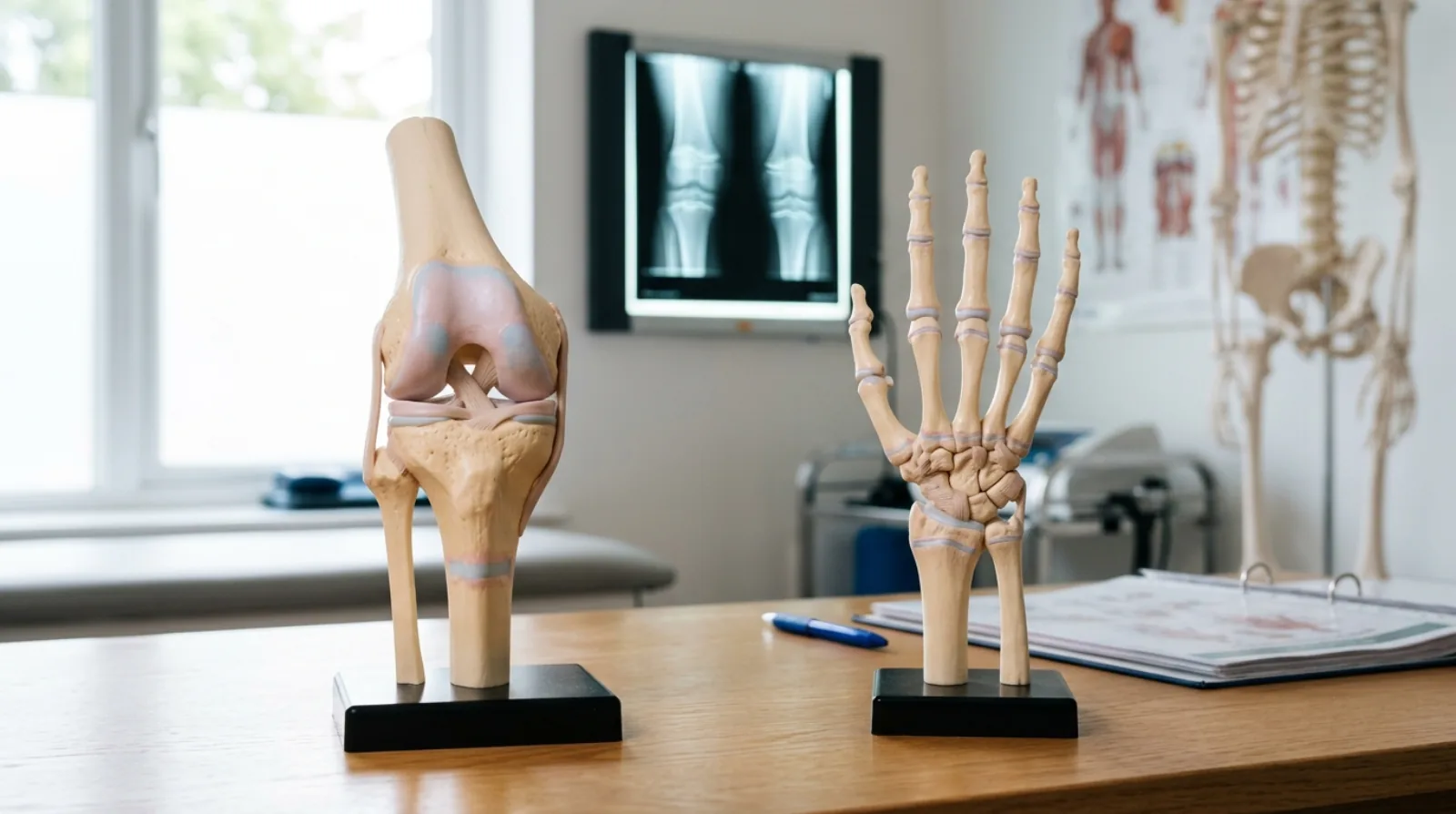
The kneecap connects to the top of the shin bone through a strong tendon. In a growing teenager, the point where that tendon attaches to the shin is not solid bone yet. It is a growth area, and it is softer and more sensitive than adult bone. When a teenager runs, jumps, and does a lot of deep-knee loading, the tendon pulls on that growth area over and over, and it gets irritated. That irritation is Osgood-Schlatter.
This is why it turns up in active kids during their growth years and not in adults. It is described as one of the most common causes of knee pain in the skeletally immature athlete, with a reported prevalence of about 9.8 percent in young people aged 12 to 15. It tends to appear in boys around 12 to 15 and in girls a little earlier, and it affects both knees in a meaningful share of cases. The name includes the word "disease," but that word oversells it. This is an overuse strain of a growth area, not a joint problem.
Why it happens during the growth years
During a growth spurt, the long bones lengthen faster than the muscles and tendons around them can keep up. That makes the thigh muscles and the tendon feel tight, and it increases the pull on the growth area at the top of the shin. Add the repeated loading from running and jumping sports, and the growth area gets more traction than it can comfortably handle for a while.
That is why Osgood-Schlatter often flares during busy sport seasons and around growth spurts, then eases in quieter periods. It is also why it settles on its own eventually. Once the growth area finishes maturing and fills in with adult bone near the end of puberty, the sensitive spot is no longer there to be irritated. The same growth-area pattern shows up at the heel in younger active kids, which we cover in our piece on Sever's disease and heel pain in active children.
What it feels like
The classic picture is pain and tenderness right over the bony bump below the kneecap, on the front of the shin. It usually builds up over weeks rather than starting with a single injury. The pain is worse with running, jumping, going up and down stairs, squatting, and kneeling, and it often eases with rest. Pressing directly on the bump is tender, and the bump itself can become more prominent over time.
One reassuring feature is that the pain is activity-related. It flares with loading and settles with rest, and it does not usually hurt badly at rest or wake a teenager at night. Pain at rest, night pain, a hot or swollen joint, or pain that started with a sudden twist or fall are different patterns and deserve a proper assessment, because those are not the usual Osgood-Schlatter picture.
Why full rest is rarely the answer
The first instinct for many families is to stop sport completely until the pain goes away. That is understandable, but it is usually not the best plan. Osgood-Schlatter can last a while during the growth period, sometimes up to about two years until the growth area fuses, and asking a teenager to sit out sport for that long is neither realistic nor helpful. Long periods of full rest tend to leave the knee stiffer, the leg weaker, and the teenager more anxious about their own knee.
The more useful approach is load management. That means keeping the teenager active at a level the knee can tolerate, rather than switching sport off entirely. We adjust the amount of jumping, sprinting, and deep-knee loading up and down around how the knee feels, so it stays sore-but-manageable rather than either flared or completely rested. This is the same load-based thinking we use for tendon problems in adults, such as patellar tendinopathy managed with heavy slow resistance.
What load management looks like in practice
A plan for Osgood-Schlatter usually pulls together a few practical pieces.
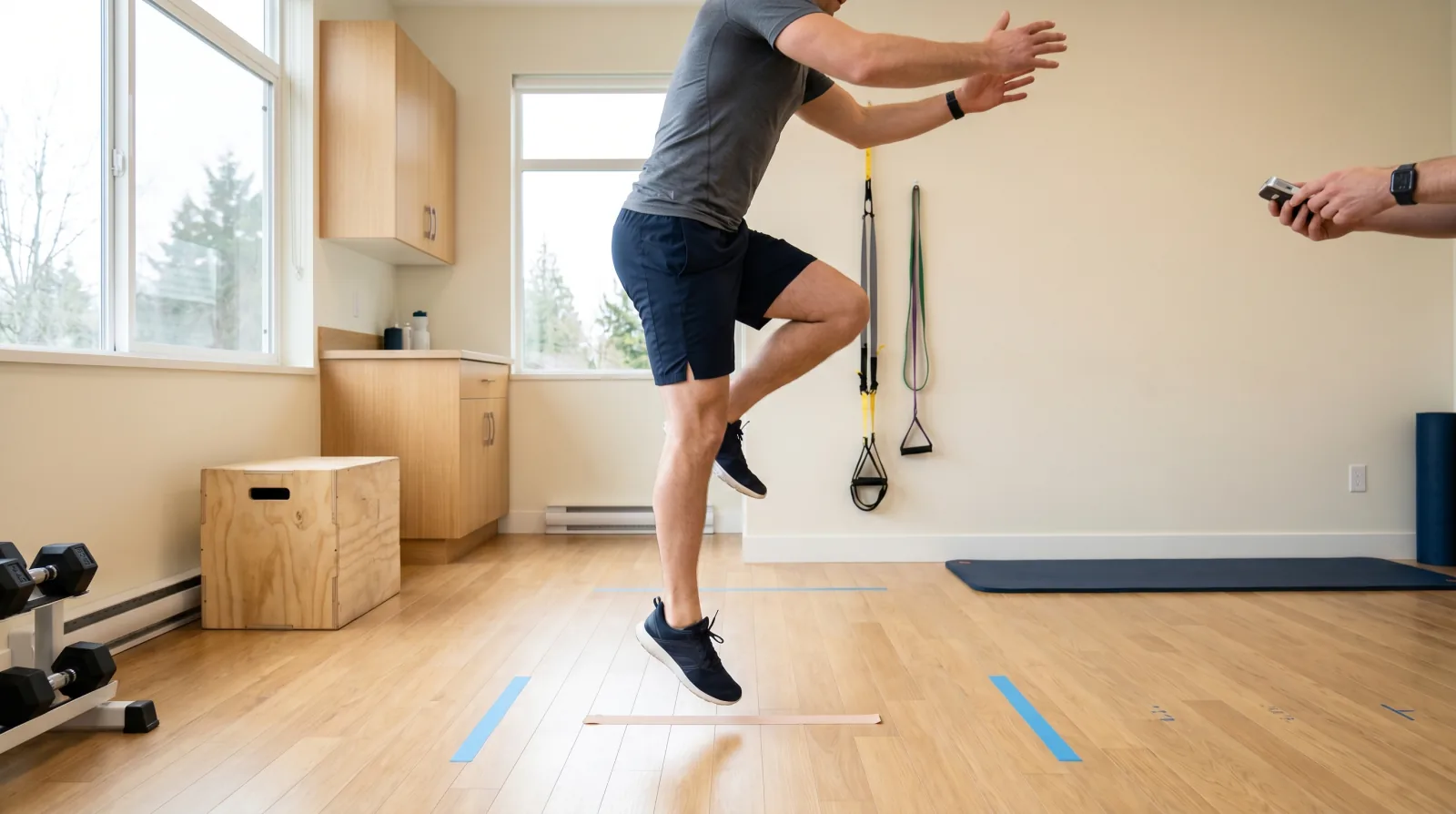
Adjusting training load, not stopping it. We look at how much running, jumping, and change-of-direction the teenager is doing across all their sports and adjust the total. Often the fix is trimming the spikes, the extra tournament weekend or the doubled-up training days, rather than removing sport altogether.
Strengthening the thigh and hip. Building strength in the quadriceps, hamstrings, and hip muscles gives the tendon and the knee more capacity, so the same amount of sport pulls on the growth area with less relative strain. This is the part that tends to make the biggest difference over a season.
Managing tightness. Gentle work on the tightness that comes with a growth spurt can make the knee more comfortable. This helps symptoms but is not a cure on its own, so it sits alongside the strength and load work rather than replacing it.
Symptom tools for flares. A patellar tendon strap, ice after activity, and short easier periods can help settle a flare enough to keep training. These manage the soreness rather than fix the underlying growth-area sensitivity, which time and load management address.
Honest reassurance for families
The most useful thing we can give a worried family is an accurate picture. Osgood-Schlatter almost always settles with maturity. Conservative care manages the large majority of cases well, and the pain resolves for most teenagers once the growth area finishes maturing. A small share of people, around 10 percent, keep some symptoms into adulthood, most often a bit of discomfort with kneeling, and that risk appears higher when the problem is ignored rather than managed.
Two points reassure families the most. First, this is not doing lasting damage to the knee joint, so continuing to play a manageable amount of sport is safe. Second, the bump that sometimes stays after the pain is gone is usually just a cosmetic reminder and does not cause problems for most people. Knowing that up front takes a lot of the fear out of a long growth season. This calm, informed framing is the same approach we take with families around youth concussion, where clear information changes how the whole recovery goes.
When to get it assessed
Most Osgood-Schlatter settles with load management, strengthening, and time, and does not need scans or specialist care. It is still worth an assessment to confirm the diagnosis, set up a load plan the teenager will actually follow, and rule out the patterns that are not Osgood-Schlatter.
Get it looked at sooner if the pain is severe, if the knee is swollen, hot, or red, if there is pain at rest or at night, if the teenager is limping or cannot fully straighten the knee, or if the pain started with a single fall or twist rather than building up over weeks. Those features can point to something other than a simple growth-area strain and need a proper look.
Book a 30-minute appointment and we will assess your teenager's knee, confirm whether it fits the Osgood-Schlatter pattern, and build a load-management and strengthening plan that keeps them in sport rather than sidelined for a season. You can reach the clinic here or read more about what we treat.
This article is general information about knee pain in growing teenagers. It is not personal medical advice. A regulated practitioner can confirm whether the patterns described apply to your child.
Sources
- Osgood-Schlatter Disease - StatPearls, NCBI Bookshelf (NIH)
- HealthLinkBC - Knee Problems and Injuries
- College of Physical Therapists of BC (CPTBC)
Common questions
Frequently asked questions.
What is Osgood-Schlatter disease?
Osgood-Schlatter is a common cause of knee pain in growing teenagers who play running and jumping sports. The strong tendon from the kneecap pulls on a growth area at the top of the shin bone, and that spot gets irritated and sore. It usually shows up as a tender bump just below the kneecap. The word disease sounds alarming, but it is really an overuse strain of a growth area, not a lasting injury to the joint.
Does Osgood-Schlatter go away on its own?+
In most teenagers, yes. The pain almost always settles once the growth area at the top of the shin finishes maturing near the end of puberty. Symptoms can last a while during that period, sometimes up to about two years, but conservative care manages most cases well. A small share of people, around 10 percent, keep some symptoms into adulthood, often with kneeling.
Should my teenager stop playing sport with Osgood-Schlatter?+
Usually not completely. The goal is to keep them active while managing the load so the knee stays tolerable. That often means adjusting how much jumping, sprinting, and deep-knee loading they do for a while rather than resting fully. Complete rest is rarely needed and can make a teenager stiffer and less confident, so we aim to keep them in sport at a level the knee can handle.
Is the bump below the kneecap permanent?+
Sometimes a small bony bump stays even after the pain is gone, because the growth area lays down extra bone during the flare. That bump is usually just a cosmetic reminder and does not cause problems for most people. The pain almost always settles with maturity even when the bump remains.
When should Osgood-Schlatter knee pain be checked by a professional?+
Get it assessed if the pain is severe, if the knee is swollen, hot, or red, if there is pain at rest or at night, if the teenager limps or cannot straighten the knee, or if the pain followed a fall or a twist rather than a build-up over weeks. Those patterns can point to something other than Osgood-Schlatter and deserve a proper look before assuming it is a simple growth-area strain.
Can Osgood-Schlatter affect both knees?+
Yes, it is common for both knees to be affected, though usually one side is more irritated than the other. Managing each knee is the same process: adjust the jumping, sprinting, and deep-knee load on the sore side while keeping the teenager active within what each knee can tolerate.
Does kneeling hurt with Osgood-Schlatter, and does that mean something is wrong?+
Kneeling directly on the tender bump below the kneecap is commonly painful with Osgood-Schlatter and is expected, not a sign of a more serious problem. A simple knee pad or avoiding hard kneeling surfaces during a flare is often enough to manage it while the growth area settles.
Are certain sports more likely to trigger Osgood-Schlatter?+
Sports with a lot of running, jumping, and sudden direction changes, such as soccer, basketball, and volleyball, are more commonly associated with it, since these movements load the tendon that pulls on the growth area repeatedly. It can still happen in other active sports, and the underlying cause, a growth spurt plus repetitive loading, stays the same.
Share this post
Copies a ready-to-publish LinkedIn post to your clipboard and opens the LinkedIn share dialog. Paste the text into the composer and publish.
Written by
Medstar Sport Physio Team
Registered clinician at Medstar Sport Physio & Health, North Vancouver.
This article is for general information only and does not constitute medical advice, diagnosis, or treatment. Individual presentations vary, and assessment findings and treatment plans differ from person to person. If you are experiencing severe symptoms, neurological changes (numbness, weakness, bowel or bladder changes), or a significant trauma, contact your physician or emergency services. Care at Medstar Sport Physio & Health is provided by practitioners registered with their respective British Columbia regulatory colleges.
Filed under
- osgood-schlatter
- teen-knee-pain
- apophysitis
- load-management
- youth-sport
- north-vancouver