Heel Pain in Active Kids: What Sever's Disease Is and Why It Settles
Your active child limps after sport and complains their heel hurts. It is often Sever's disease, and the reassuring part is that it settles as they grow.
BY MEDSTAR SPORT PHYSIO TEAM
Your active child comes off the field limping and rubbing the back of their heel. It flares with running and jumping, then eases with rest. Most of the time this is Sever's disease, and while the name sounds alarming, the reassuring truth is that it settles as the child grows. Knowing why it happens takes the worry out of it.
Sever's disease, properly called calcaneal apophysitis, is irritation of the growth plate at the back of the heel bone in growing children, and it is the most common cause of heel pain in active kids. During a growth spurt the growth plate is softer than the Achilles tendon that pulls on it, so repeated running and jumping irritate the area. It does not cause lasting damage and settles for good once the growth plate matures into solid bone. At Medstar Sport Physio in North Vancouver, the plan is about managing the load, using activity changes, calf stretching, and cushioning, rather than stopping sport entirely, and it keeps the child as active as comfort allows.
What Sever's disease actually is
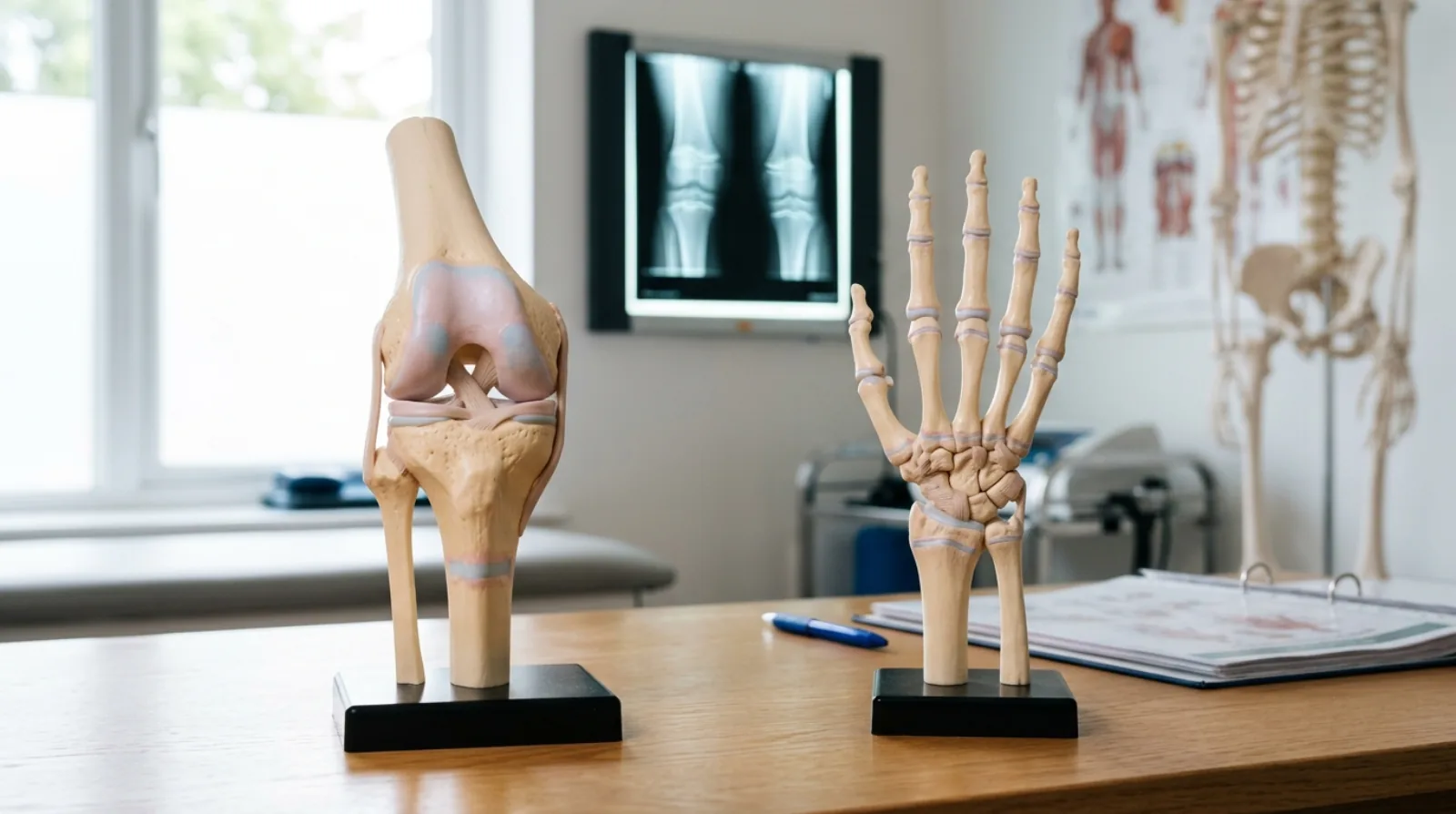
At the back of the heel bone, growing children have a growth plate, a band of softer cartilage where the bone is still developing. The Achilles tendon, the strong cord that runs down the back of the calf, attaches at that same area. Sever's disease is irritation of that growth plate, and its medical name is calcaneal apophysitis.
The AAOS describes it as inflammation of the growth plate in the heel, at the point where the Achilles tendon connects to the bone. Despite the word disease, it is not an illness and it is not damage to the bone. It is an overload of a growing area, the kind that comes from active children doing a lot of running and jumping while their bones are still maturing.
Why it happens during growth
The reason this shows up in a specific window of childhood comes down to timing. During a growth spurt, the bones lengthen quickly, and the growth plate at the heel is softer and more vulnerable than the tendon pulling on it. The AAOS notes that the condition most often occurs during growth spurts, when the bones, muscles, and tendons are all changing quickly.
Two things make the pull on that growth plate worse. The first is high-impact activity: running and jumping send force through the heel and load the growth plate repeatedly. The second is tight calf muscles, which increase the tension the Achilles tendon puts on its attachment. Put a growth spurt, a busy sport schedule, and tight calves together and you have the classic setup for a sore heel.
The age range to expect
Sever's disease has a fairly predictable window because it is tied to growth. A clinical review of calcaneal apophysitis describes it appearing in boys roughly between ages 8 and 15 and in girls roughly between ages 7 and 12, with girls often affected a little earlier because they tend to hit their growth spurt sooner. These are general ranges, and every child is different.
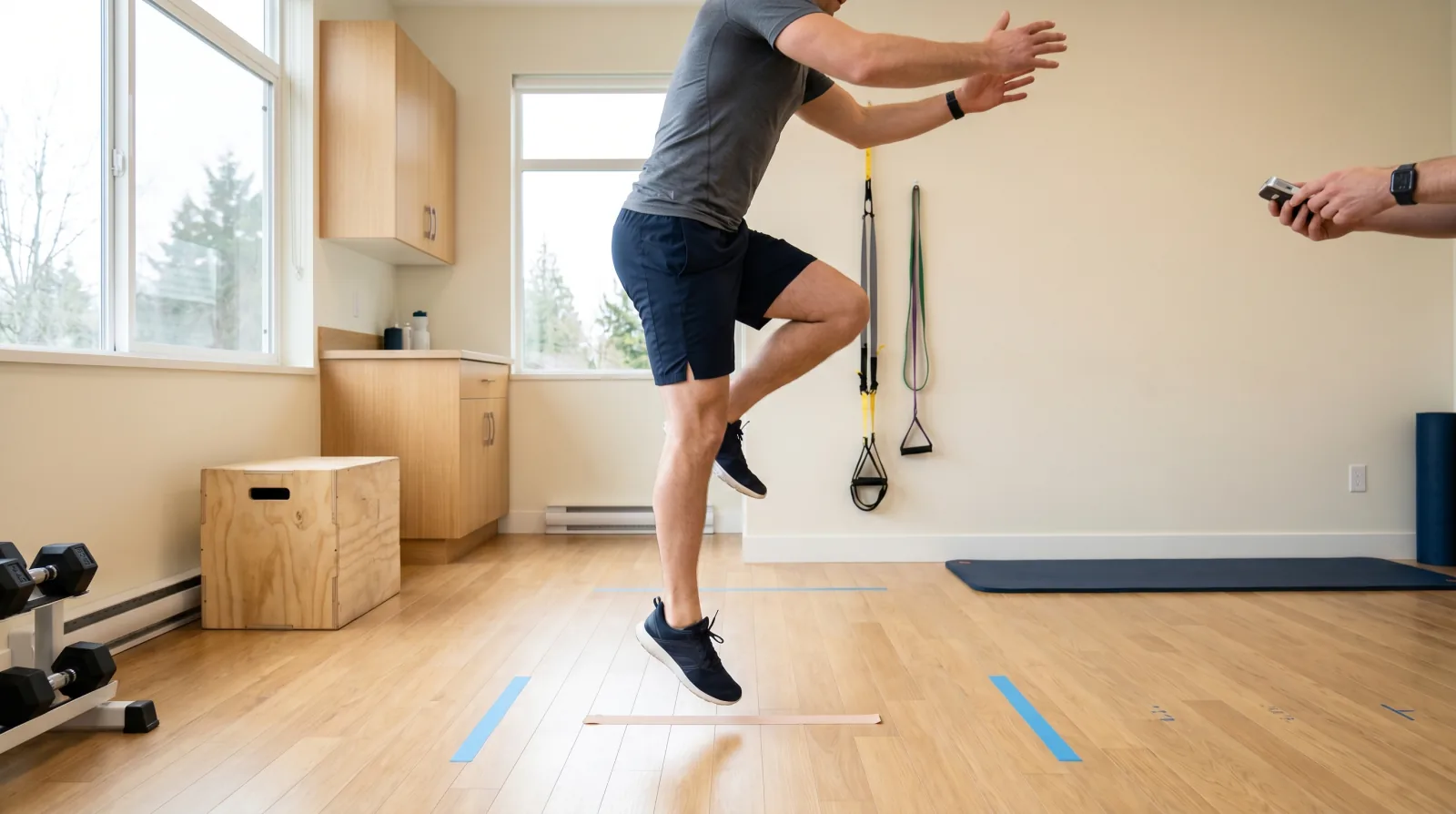
The pattern usually fits an active child who runs and jumps a lot, and the pain often turns up when activity increases, such as the start of a new sports season, or during a phase of fast growth. It typically affects one or both heels and eases with rest, then returns with the next hard session.
The part that reassures parents
Here is what most parents want to know first, and it is good news. Sever's disease does not cause lasting damage. The AAOS states that it will not return once the child is fully grown and the growth plate in the heel has matured into solid bone. It does not lead to later foot or ankle problems, and it is not a sign of a serious underlying condition.
That changes how you think about treatment. The aim is not to fix something broken or to prevent future harm. It is to control the pain and keep the child active and happy while they grow through a temporary, self-limiting phase. This is the same reassuring logic that applies to Osgood-Schlatter, the equivalent growth-plate irritation at the knee, which many active teenagers get around the same age.
Managing the load, not stopping sport
Because the problem is overload of a growing area, the treatment is mostly about managing how much load goes through the heel, not about complete rest. Most children do not need to stop sport entirely.
Adjust the activity. When the heel is sore, reduce the amount of running and jumping and keep activity to a level the heel tolerates. As symptoms settle, build back up gradually. Using the child's own pain to guide how much they do works better than a fixed rule.
Stretch the calves. Because tight calves increase the pull on the heel, gentle calf stretching can lower the tension on the growth plate. This is a simple daily habit that helps over time.
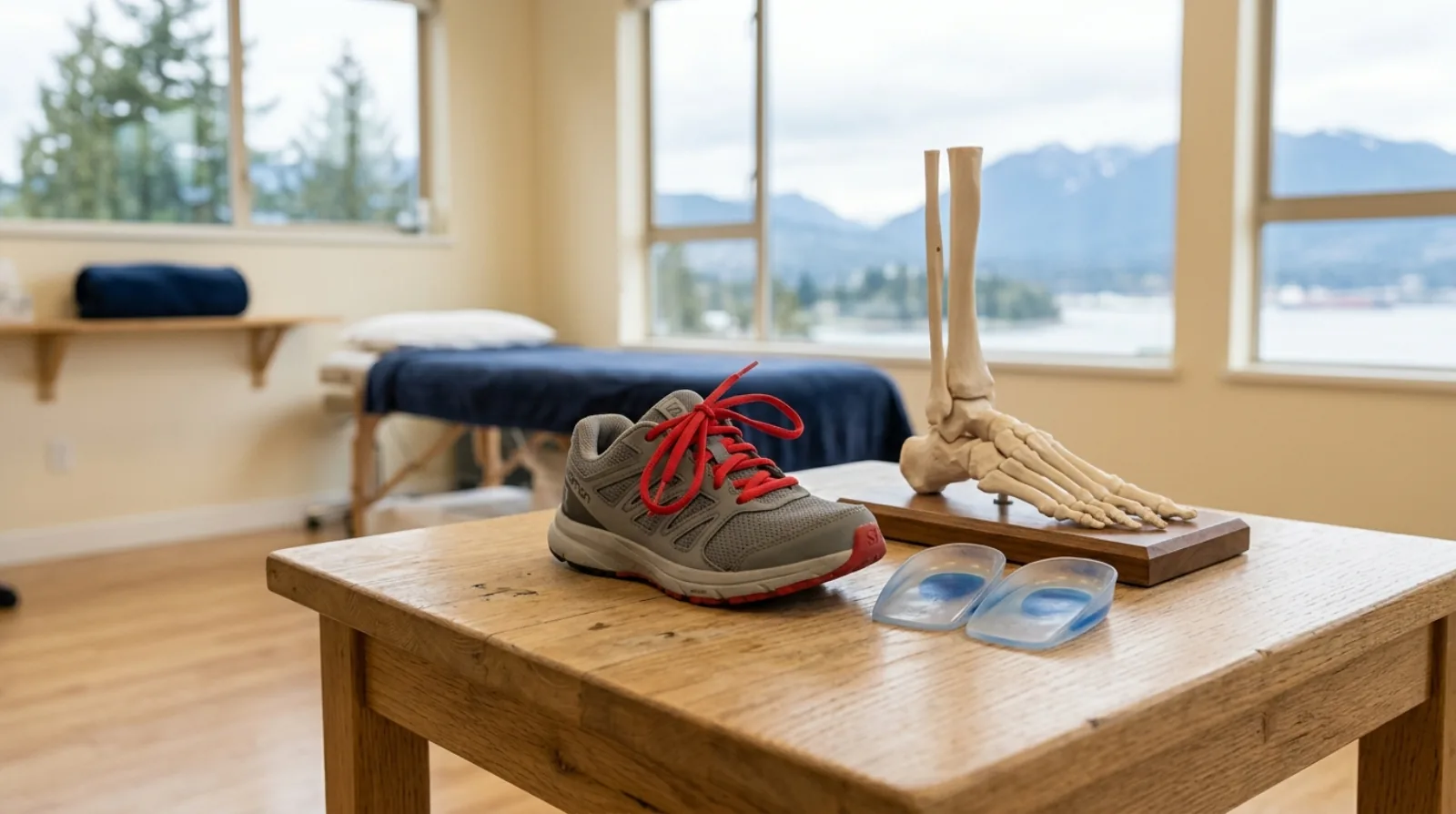
Cushion and support the heel. A cushioning heel cup or supportive, well-fitting footwear can reduce the impact through the heel during activity. Worn-out or flat shoes tend to make it worse.
Ice after activity. Applying ice to the sore heel after sport can help settle the irritation on a flare day. This is for comfort and does not change the underlying process.
What recovery looks like
Sever's disease is self-limiting, which means it resolves on its own once the growth plate matures, but the timeline varies a lot from child to child. Some children settle within a few weeks, while others have symptoms that come and go over many months, often flaring with busy sports periods and easing during quieter stretches. There is no single timeline, and a flare after a heavy week does not mean anything has gone wrong.
The practical goal through that period is to keep the pain manageable and the child active. Most children stay in their sport throughout, with the load dialled up or down according to how the heel feels. Framing it this way, as a temporary phase to manage rather than an injury to fear, tends to keep both the child and the parents calmer, which itself makes the whole thing easier. The same steady, load-based thinking guides how we help young athletes return safely after other issues, including our guidance for parents managing youth concussion.
When to get it assessed
Most heel pain in active children is Sever's disease and settles with load management. It is worth an assessment to confirm the diagnosis and set up a clear plan, especially if the pain is limiting a sport the child loves or dragging on across a season.
Some features are not typical of Sever's disease and need a proper assessment rather than self-management. See a physiotherapist or doctor if the heel is swollen, red, or hot, if the pain is severe or present at rest and at night, if it follows a specific injury or fall, if the child is unwell or feverish, or if the pain is not settling at all with reduced activity. Those point away from a simple growth-plate irritation and should be checked. Persistent heel pain in an adult is a different problem, which we cover in plantar fasciitis and morning heel pain.
Book a 30-minute appointment and we will assess your child's heel, confirm whether the pattern fits Sever's disease, rule out the features that need more attention, and give you a simple load-management plan that keeps your child active while they grow through it.
This article is general information about heel pain in children. It is not personal medical advice. A regulated practitioner can confirm whether the patterns described apply to your child.
Sources
- Sever's Disease (Heel Pain) - OrthoInfo, AAOS
- Sever Disease (Calcaneal Apophysitis) - StatPearls, NCBI Bookshelf
- College of Physical Therapists of BC (CPTBC)
Common questions
Frequently asked questions.
What is Sever's disease?
Sever's disease, also called calcaneal apophysitis, is irritation of the growth plate at the back of the heel bone in growing children. It is the most common cause of heel pain in active kids. During growth, the growth plate is softer than the tendon that pulls on it, so the repeated pull of the Achilles tendon during running and jumping irritates it. Despite the name, it is an overload of a growing area, not a disease, and it does not cause lasting harm.
What age does Sever's disease affect?+
It usually affects children during a growth spurt, roughly around ages 8 to 15 in boys and 7 to 12 in girls, though the timing varies with each child. It tends to show up in active children who run and jump a lot, and it often appears when activity increases or during a rapid growth phase. It stops once the growth plate at the heel finishes maturing.
Will Sever's disease cause permanent damage?+
No. This is the most reassuring part for parents. Sever's disease does not cause lasting damage to the heel and does not lead to later foot or ankle problems. It settles for good once the growth plate at the back of the heel matures into solid bone. The aim of treatment is to control the pain and keep the child as active as comfort allows while they grow through it.
Should my child stop playing sport with Sever's disease?+
Usually they do not need to stop completely. The goal is to manage the load rather than to rest entirely. That means reducing the amount of running and jumping when the heel is sore, keeping activity to a level the heel tolerates, and building back up as symptoms settle. Complete rest is rarely needed, and staying active within comfort is generally encouraged.
How is Sever's disease treated?+
Treatment is about calming the irritated growth plate and managing load. Common measures include reducing high-impact activity when sore, calf stretching to lower the pull on the heel, a cushioning heel cup or supportive footwear, and ice after activity. Symptoms are used to guide how much the child does. Most children stay active through treatment and fully recover as they grow.
Can Sever's disease affect both heels at once?+
Yes. It commonly affects one heel more than the other, but it can show up in both at the same time, especially in a child who is very active in a running or jumping sport. Treating each side is the same: manage the load on the sore heel, keep the child active within comfort, and let it settle as the growth plate matures.
Does footwear really make a difference for Sever's disease?+
It can. Worn-out shoes with little cushioning at the heel, or shoes that do not support the foot well, add extra impact through an already irritated growth plate. A supportive shoe with some heel cushioning, or a heel cup added to an existing shoe, is a simple, low-effort change that many families find helps day to day.
Why does a growth spurt specifically trigger this, and not just being active?+
During a growth spurt the bones lengthen faster than the surrounding tendons can stretch to match, so the Achilles tendon is relatively tighter and pulls harder on the growth plate at the heel. An active child who was fine at the same activity level a few months earlier can suddenly develop symptoms once a growth spurt starts, even with no real change in their sport.
Share this post
Copies a ready-to-publish LinkedIn post to your clipboard and opens the LinkedIn share dialog. Paste the text into the composer and publish.
Written by
Medstar Sport Physio Team
Registered clinician at Medstar Sport Physio & Health, North Vancouver.
This article is for general information only and does not constitute medical advice, diagnosis, or treatment. Individual presentations vary, and assessment findings and treatment plans differ from person to person. If you are experiencing severe symptoms, neurological changes (numbness, weakness, bowel or bladder changes), or a significant trauma, contact your physician or emergency services. Care at Medstar Sport Physio & Health is provided by practitioners registered with their respective British Columbia regulatory colleges.
Filed under
- severs-disease
- calcaneal-apophysitis
- heel-pain
- youth-sport
- growth-plate
- north-vancouver