Rotator Cuff Repair Rehab: The Phases From Sling to Strength
After rotator cuff repair, rehab moves from a sling to gentle movement, then strength, then work and sport. Your surgeon's protocol sets the dates. Here is what the research says about each phase.
BY AMIR AHMADI, PHD
A rotator cuff repair is surgery that reattaches a torn shoulder tendon to the upper arm bone. The tendon needs time to heal onto the bone, so rehabilitation moves through four phases: protection, early movement, strengthening and return to activity. This guide explains each phase, who sets the timing, and when driving, sleep, work and sport usually come back.
At Medstar Sport Physio in North Vancouver, rehab after rotator cuff repair follows your surgeon's written protocol: a sling for the first weeks, gentle movement, active movement, strengthening that the American therapists' consensus places from week 12, and a staged return to work and sport over the following months. The surgeon sets the dates, and the physiotherapist guides the exercises inside them.
Your surgeon's protocol sets the timing
Your surgeon knows how large the tear was, how healthy the tendon tissue looked and how the repair was done. Those facts decide how much stress the repair can take and when. The surgeon writes the plan down as a rehabilitation protocol. A physiotherapist follows that protocol, guides the exercises inside its limits and tells the surgeon if something looks wrong. The repair sits inside the shoulder where nobody can see it, so a physiotherapist does not move the schedule forward.
Published guidance gives a general framework. The American Society of Shoulder and Elbow Therapists' consensus statement covers rehabilitation after arthroscopic repair, which is surgery through small cuts using a camera. Its philosophy is the gradual application of controlled stresses to the healing repair, with attention to tear size, tissue quality and patient factors. The framework has 2 weeks of strict immobilization, protected passive movement in weeks 2 to 6, then active movement, then progressive strengthening from week 12. A 2026 international consensus of 97 surgeons from 15 countries also supports individualized treatment based on tissue quality and patient goals. It is expert opinion, which is the lowest level of evidence.
Real protocols differ from one another. A 2020 review of 96 published protocols found that most recommended a sling for the first 4 or 6 weeks (78.1%). The week when resistance strengthening began varied widely, even among protocols written for the same tear size. A 2021 review of 20 randomized trials also reported substantial variation in time in the sling and timing of exercise progression. The weeks in this article are reference points from the research. Your own dates come from your surgeon.
If you are still deciding whether to have surgery, read our guide on why exercise usually comes before surgery. Sudden, severe shoulder pain from a calcium deposit in the tendon is a different problem, covered in our calcific tendinitis article. This article starts after the repair is done.
Phase 1 protects the repair in a sling
In the first weeks the stitches hold the tendon against the bone while it begins to heal. The sling keeps the arm still and takes the weight of the arm off the repair. The consensus framework uses 2 weeks of strict immobilization. Many protocols keep the sling longer. In the 2021 review of trials, 8 of 20 used a 6-week period in both study groups. A 2023 survey of 499 shoulder surgeons reported average sling times of 4.5 to 5.9 weeks after cuff repair, depending on region and on whether the tear was smaller or larger than 3 cm.
Surgeons also differ on the device. Some use a plain sling, and some use a brace that holds the arm out from the body. A 2025 randomized trial of 142 patients kept both groups immobilized for 6 weeks. Sleep quality at 6 weeks was better with the sling, and anxiety and pain were lower. Tendon healing on ultrasound at 1 year was 91% with the brace and 88% with the sling, a difference the authors judged comparable. Your surgeon chooses the device for your repair.
In this phase, ask your surgeon three things. May you move your hand, wrist and elbow? When may you take the sling off? How should you dress and wash? A physiotherapist can show you how to do each safely.
Phase 2 adds movement, passive first
Passive movement means another person, a machine or your other arm moves the shoulder while the repaired muscles stay relaxed. Active movement means your own shoulder muscles lift the arm. Range of movement means how far the shoulder moves. The consensus framework introduces protected passive movement in weeks 2 to 6 and active movement after that. In the 2021 trial review, almost all trials allowed only passive exercises in the first few weeks.
Researchers have studied whether to start movement earlier, and the reviews disagree. The 2021 review of 20 trials found no clear difference in pain or function at most follow-up times. Early rehabilitation gave better shoulder flexion, which is lifting the arm forward, at 6 weeks, 3 months, 6 months and 1 year. It showed no clear increase in repairs that tore again. A 2021 review of early active movement pooled 8 studies with 756 participants. Early active movement gave more range of movement at 6 weeks and a worse shoulder-specific quality-of-life score at 6 weeks. The authors judged the differences not clinically important, and the repairs held up equally in both groups.
Two 2017 reviews of earlier reviews reached a more careful view. Saltzman and colleagues found no clear difference in clinical scores and better range of movement with early motion for up to 1 year. They also raised concern that early motion may increase re-tears in larger tears. Houck and colleagues concluded that early motion improves range of movement and increases the risk of the tendon tearing again.
This split is the reason surgeons choose by tear size and tissue quality. Your surgeon settles it case by case. The physiotherapist teaches the passive exercises, checks that your shoulder muscles stay relaxed during them, measures how far the shoulder moves at each visit and reports to the surgeon. Our post-surgical rehabilitation page explains how this fits with other operations.
Phase 3 builds strength, usually from week 12
The consensus framework begins progressive strengthening at week 12. In the 2020 review of protocols, the most common start for resistance strengthening was 12 weeks (27 of 96 protocols, or 28.1%), and the timing changed with tear size. Before that, active movement restores your ability to lift and reach without added weight.
Strengthening starts with light resistance for the rotator cuff muscles and the muscles around the shoulder blade. The physiotherapist raises the load when the shoulder tolerates the last level and the protocol allows the next one. A mild ache that settles by the next morning usually allows progress. Sharp pain, or pain that grows from day to day, means the load is too high, and the physiotherapist lowers it and may contact the surgeon. Our shoulder rotator cuff page describes the muscles involved.
Driving and sleep return in stages
Driving needs both arms and fast reactions, so surgeons often restrict it during sling use. A 2022 study in the Journal of Bone and Joint Surgery tested this on real roads. Twenty-seven patients with an average age of 58.6 years drove a 24 km course with a safety monitor before surgery and again at 2, 4, 6 and 12 weeks after repair. All 13 driving measures showed no clinically important change from the pre-surgery drive, starting at week 2. The study was small. It did not test a sudden emergency stop, and the patients were not taking opioid pain medicine during the drives. The authors state that many surgeons advise no driving during the 4 to 6 weeks of sling use. Your surgeon decides, and your own pain and strength matter as well.
Sleep takes longer. Shoulder pain disturbs sleep before surgery, and the repair adds sling discomfort and a limited choice of positions. A 2025 review of 13 studies found that sleep improved by 3 months in studies using a yes or no question about sleep problems. Studies using sleep scores showed improvement at 6 months. Ask your surgeon whether to wear the sling at night and which positions protect the repair.
Phase 4 returns you to work and sport
The consensus framework ends with a functional progression for return to athletic or demanding work activities. Time since surgery is the most common return criterion. A 2022 review of 24 studies found that 78% of them used time from surgery, and 54% used time as the only criterion. Strength and range of movement were the next most reported, at 25%. Time alone says little about whether your shoulder can carry a load, so a physiotherapist tests strength and movement against your job or sport.
Return rates vary with the work. A 2021 review of return to work pooled 13 studies with 1,224 patients. An average of 62.3% returned to their previous level of work, at 8.15 months on average. Return rates fell as the physical intensity of the work rose. Over 35% could not go back to their previous level. A 2023 review of return to activities pooled 15 studies with 1,065 patients. It reported 83.8% back at work, 88.2% back in sport and 97.3% back to daily activities, with a mean of 6.59 months. The two reviews counted different patients, so the figures differ.
Plan the return with your surgeon and employer early. A staged return can start with light duties and add lifting, overhead work or sport as tests allow.
Warning signs, and when to book
Call your surgeon the same day for a fever, redness or fluid coming from the wound, a swollen and sore calf, or a sudden loss of arm strength or a pop after a fall. Call 911 or go to the Lions Gate Hospital emergency department for chest pain or trouble breathing. These signs need a doctor first.
You do not need a referral to book physiotherapy in British Columbia. The clinic is at 1325 Marine Drive, North Vancouver, BC V7P 3E5. You can book at medstar.janeapp.com or call (604) 988-5411. Bring your surgeon's written protocol and the surgeon's report of the operation to the first visit. Our physiotherapy service page describes what an assessment includes. Physiotherapists in BC are licensed by the College of Health and Care Professionals of BC, and you can check any name in its public registry.
A physiotherapist who has your surgeon's protocol and a name to contact at the surgeon's office can plan each phase with you from the first visit.
This article is general information, not personal medical advice, and is not a substitute for assessment by a regulated practitioner. A regulated practitioner can confirm whether the patterns described apply to you.
Sources
- Thigpen CA, et al. The American Society of Shoulder and Elbow Therapists' consensus statement on rehabilitation following arthroscopic rotator cuff repair. J Shoulder Elbow Surg, 2016
- Mazuquin B, et al. Effectiveness of early versus delayed rehabilitation following rotator cuff repair: systematic review and meta-analyses. PLoS One, 2021
- Silveira A, et al. The effect of early active movement on clinical outcomes following rotator cuff repair: a systematic review with meta-analysis. J Orthop Sports Phys Ther, 2021
- Saltzman BM, et al. Does early motion lead to a higher failure rate or better outcomes after arthroscopic rotator cuff repair? A systematic review of overlapping meta-analyses. J Shoulder Elbow Surg, 2017
- Houck DA, et al. Early versus delayed motion after rotator cuff repair: a systematic review of overlapping meta-analyses. Am J Sports Med, 2017
- Coda RG, et al. A review of online rehabilitation protocols designated for rotator cuff repairs. Arthrosc Sports Med Rehabil, 2020
- Freehill MT, et al. Shoulder surgery postoperative immobilization: an international survey of shoulder surgeons. Biology (Basel), 2023
- Li X, et al. Sling results in better sleep quality and less anxiety early after arthroscopic rotator cuff repair: a randomized single-blinded trial. Am J Sports Med, 2025
- Badger AE, et al. Patients who undergo rotator cuff repair can safely return to driving at 2 weeks postoperatively. J Bone Joint Surg Am, 2022
- Daher M, et al. Improvement of sleep disturbance after rotator cuff repair occurs at 3 months. Orthop J Sports Med, 2025
- Haunschild ED, et al. Return to work after primary rotator cuff repair: a systematic review and meta-analysis. Am J Sports Med, 2021
- Kholinne E, et al. Return to physical activities after arthroscopic rotator cuff repair: a systematic review and meta-analysis. Eur J Orthop Surg Traumatol, 2023
- Bravi M, et al. Criteria for return-to-play after rotator cuff surgery: a systematic review of literature. J Clin Med, 2022
- Hurley ET, et al. Rotator cuff tears part I: diagnosis, nonoperative management, and repair of posterosuperior tears, an international expert consensus statement. Arthroscopy, 2026
- College of Health and Care Professionals of BC: public registry
Common questions
Frequently asked questions.
How long do I wear the sling after rotator cuff repair?
Your surgeon decides. A 2020 review of 96 published protocols found that 78.1% recommended a sling for the first 4 or 6 weeks. A 2023 survey of 499 shoulder surgeons reported average sling times of 4.5 to 5.9 weeks after cuff repair, depending on region and tear size. The American therapists' consensus framework uses 2 weeks of strict immobilization. Follow the instructions your surgeon gave you.
When does physiotherapy start after rotator cuff repair?+
The surgeon's written protocol sets the start. The American therapists' consensus framework describes 2 weeks of strict immobilization, then protected passive movement in weeks 2 to 6, where the shoulder is moved for you. Protocols differ between surgeons, so bring yours to the first physiotherapy visit. The physiotherapist works inside its limits and contacts your surgeon with any question.
Does starting movement early tear the repair again?+
Reviews disagree. A 2021 review of 20 randomized trials with 1,841 patients found no clear increase in repairs that tore again with early rehabilitation. A 2017 review of earlier reviews raised concern that early motion may raise that risk, mainly in larger tears. Because of this split, surgeons choose the timing by tear size and tissue quality.
When can I drive after rotator cuff repair?+
Ask your surgeon first. In a 2022 study, 27 patients aged 43 to 68 drove a 24 km route on public roads with a safety monitor. Their driving showed no clinically important change as early as 2 weeks after repair. The study was small and the authors note that many surgeons advise no driving during 4 to 6 weeks of sling use. Your surgeon's advice applies to you.
How long will my sleep be disturbed after surgery?+
Sleep problems are common early and improve over months. A 2025 review found that, in studies using a yes or no question, sleep was better at 3 months. In studies using sleep scores, the improvement appeared at 6 months. A 2025 trial of 142 patients found better sleep quality at 6 weeks with a sling than with an abduction brace. Ask your surgeon which device and sleeping position suit your repair.
When can I go back to work after rotator cuff repair?+
It depends on your job. A 2021 review of 13 studies and 1,224 patients found that 62.3% returned to their previous work, on average 8.15 months after surgery, and heavier jobs had lower return rates. A 2023 review of 15 studies reported a mean of 6.59 months for return to all activities. Your surgeon sets lifting limits, and your physiotherapist plans a staged return.
When can I return to sport after rotator cuff repair?+
A 2023 review of 15 studies with 1,065 patients found that 88.2% returned to sport. The mean time for return to all activities was 6.59 months. A 2022 review of 24 studies found that time since surgery was the most common return criterion (78% of studies), followed by strength and range of movement. Your physiotherapist tests both, and your surgeon gives clearance.
Why is my protocol different from my friend's?+
Protocols vary between surgeons and between tears. A 2020 review of 96 published protocols found wide variation in when resistance strengthening began, even for the same tear size. A 2021 review of 20 trials reported substantial variation in time in the sling and timing of exercise progression. Tear size, tissue quality and the repair method all play a part. Follow your own surgeon's written plan.
What are the warning signs after rotator cuff repair surgery?+
Call your surgeon the same day for a fever, redness or fluid coming from the wound, a calf that is swollen and sore, or a sudden loss of arm strength or a pop after a fall. Call 911 or go to Lions Gate Hospital emergency for chest pain or trouble breathing. These signs need a doctor first, and a physiotherapy visit comes after.
Do I need a referral to book physiotherapy after surgery?+
No. In British Columbia you can book physiotherapy without a referral. At Medstar Sport Physio, 1325 Marine Drive in North Vancouver, you can book at medstar.janeapp.com or call (604) 988-5411. Bring your surgeon's written protocol and the surgeon's report of the operation. Some extended health plans ask for a referral before they reimburse you, so read your policy.
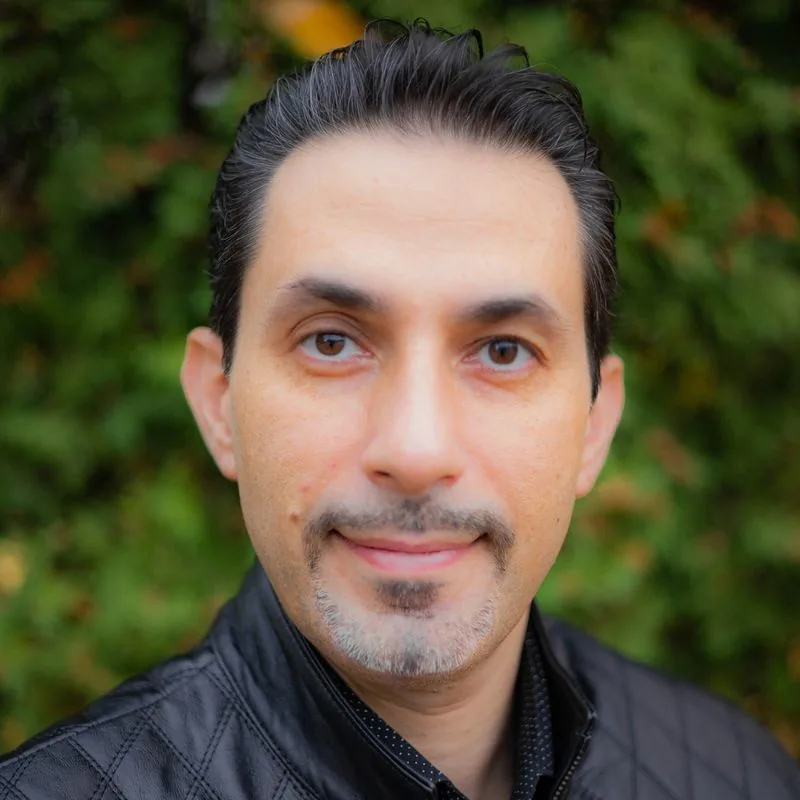
Written by
Amir Ahmadi, PhDDr. Amir Ahmadi is a Registered Physiotherapist, Certified IMS Therapist and former Associate Professor. 20+ years of clinical practice in North Vancouver.
This article is for general information only and does not constitute medical advice, diagnosis, or treatment. Individual presentations vary, and assessment findings and treatment plans differ from person to person. If you are experiencing severe symptoms, neurological changes (numbness, weakness, bowel or bladder changes), or a significant trauma, contact your physician or emergency services. Care at Medstar Sport Physio & Health is provided by practitioners registered with their respective British Columbia regulatory colleges.
Filed under
- rotator-cuff-repair
- post-surgical-rehab
- shoulder-surgery
- sling
- return-to-work
- north-vancouver