
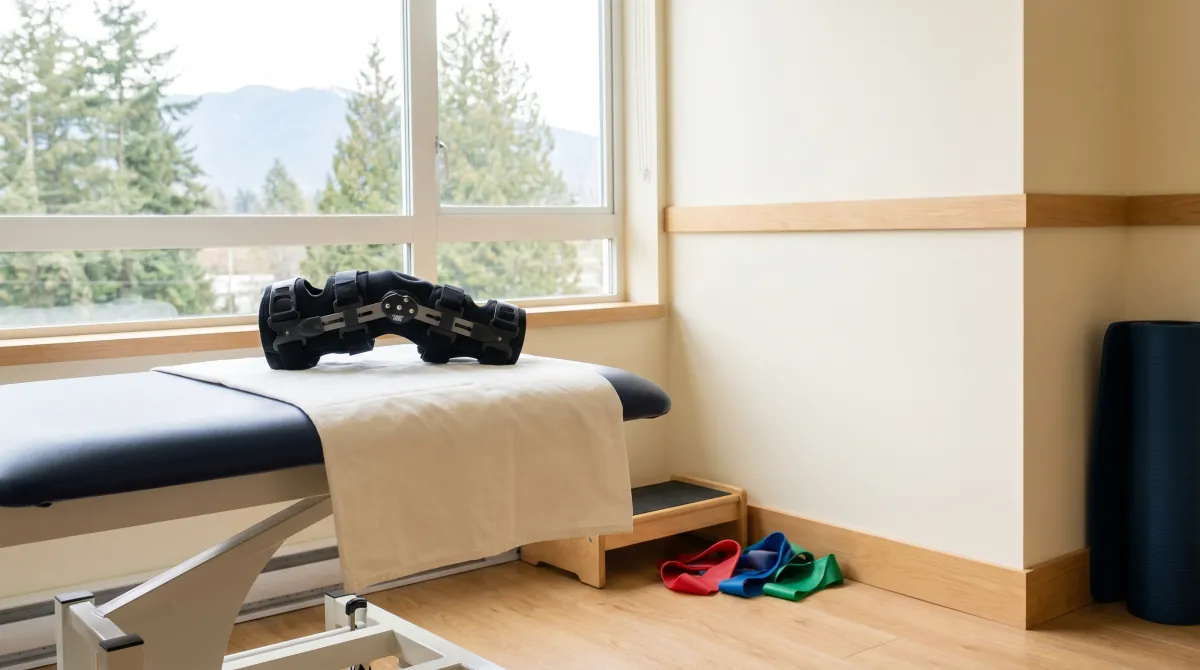
After surgery: what to expect
What to Expect After Surgery | Recovery Timeline
Surgery fixes the structure; rehab restores the function. This page covers what a normal post-surgical recovery looks like, week by week, so you know what's expected and what to flag with your surgeon.
What it is
Understanding your post-surgical rehab.
After surgery, the body needs help getting back to normal, and that's what post-surgical rehabilitation is for. Whatever the procedure, the recovery period brings a predictable mix of pain, stiffness, swelling, reduced strength, and limited movement around the surgical site, affecting muscles, joints, tendons, ligaments, or other soft tissues depending on what was operated on. Even routine tasks like walking, climbing stairs, lifting, or bending can feel hard while the area heals. Scar tissue, changed movement patterns, and general fatigue are all part of it. At Medstar Sport Physio in North Vancouver, we assess and treat this through a one-on-one physiotherapy appointment, confirming the pattern and building a plan from there. We see patients from across Vancouver and the North Shore, many of whom cross Lions Gate Bridge or take the SeaBus for treatment here.
These limitations are the body's healing process at work. Surgery is a controlled trauma; it triggers inflammation, temporary weakness, and stiffness. The immobilization needed for proper healing leaves muscles deconditioned and nearby joints tight, and the natural instinct to guard a sore area creates compensations that ripple out to your posture and the rest of the limb.
Where rehab earns its place is in turning that healing into function. Left to chance, a recovery can stall: scar tissue tightens, strength doesn't return, and movement habits set in that cause problems down the line. A structured program restores range, rebuilds strength, and retrains movement, all paced to the surgeon's protocol so the repair is protected while you progress.
What to expect
Post-surgical recovery follows the surgeon's timeline, and the protocol comes first. Early phases protect the repair with gentle, permitted movement, and we add range, strength, and function as your tissue is cleared for it. Depending on the procedure, full rehab can run from a couple of months to the better part of a year, and progress rarely moves in a straight line. We coordinate with your surgeon and family doctor, follow their protocol to the letter, and never advance load ahead of their clearance. Our job is to make sure you get the full benefit of the surgery you went through.
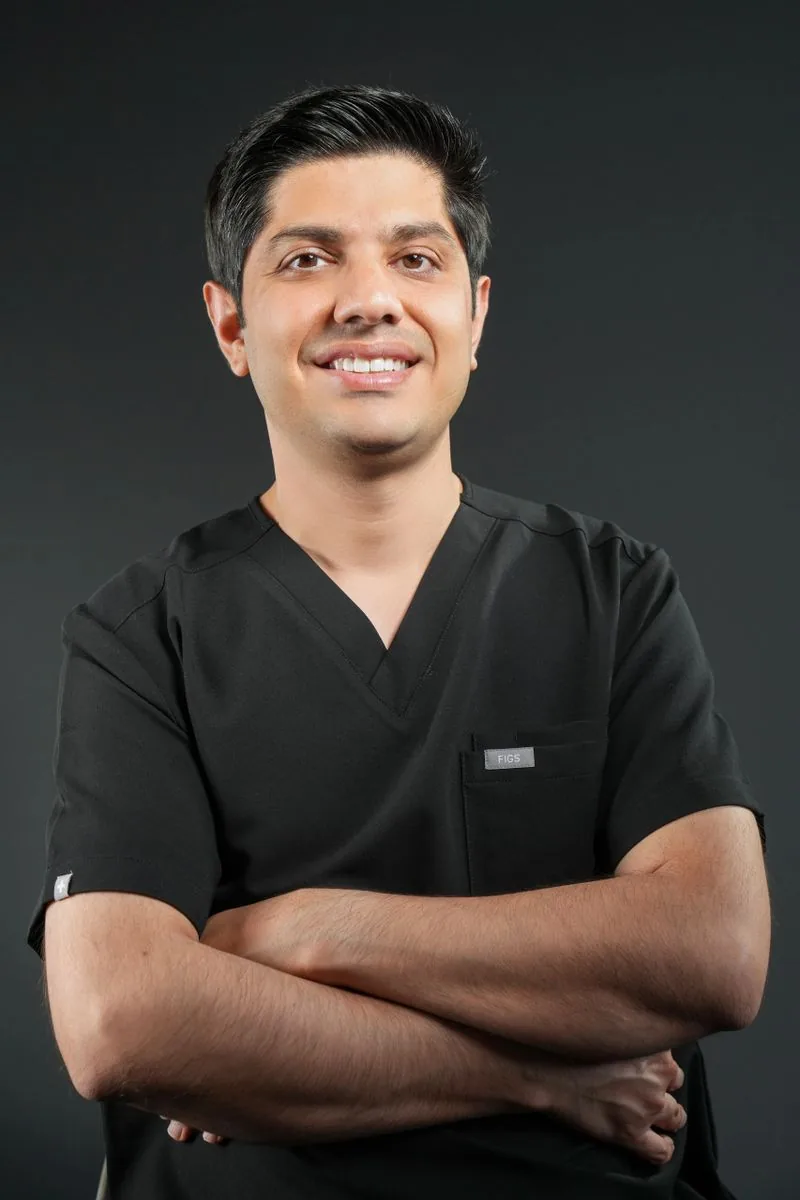
Book a sports assessment with Ali Shafiei
Ali leads sport and orthopaedic physiotherapy at the clinic: manual therapy, IMS dry needling, and exercise-based rehab built around getting you back to your sport, with pain relief along the way. He is taking new patients with same-week availability.
Get a plan
Not sure if we're the right fit?
Send us a quick note about what's going on. A physiotherapist will read it personally and reply with what they'd recommend. No commitment to book.
Common questions
About post-surgical rehab.
Do you follow my surgeon's rehab protocol?
Yes. That's the foundation of everything we do. Each procedure comes with a protocol setting out what range, weight-bearing, and loading is safe at each stage, and we work strictly within it. If you have written instructions from your surgeon, bring them; if anything is unclear, we'll coordinate with their office rather than guess.
I had surgery at Lions Gate Hospital. Can I do my rehab with you?+
Yes. We regularly take on post-operative patients recovering from procedures done at Lions Gate Hospital and other Lower Mainland centres. We rehab to your surgeon's protocol and keep your care coordinated with their follow-up. Being close to home on the North Shore just makes the frequent early visits easier to keep.
When should I start rehab after my operation?+
It depends entirely on the procedure and your surgeon's instructions. Some protocols call for gentle movement within days to prevent stiffness; others require a protected period first. The safest answer is to start when your surgeon directs, so book early and we can plan your program to begin exactly when they clear it.
Why is rehab necessary if the surgery already fixed the problem?+
Surgery repairs the structure, but it can't restore the range, strength, and movement control that fade during healing and immobilization, and that recovery has to be trained. Skipping or rushing rehab is a common reason people end up with lasting stiffness, weakness, or re-injury despite a technically successful operation. Rehab is how you actually get the outcome the surgery made possible.
Is it normal to feel this stiff and weak after surgery?+
Yes. Post-surgical stiffness, swelling, pain, and reduced strength around the surgical site are a predictable part of healing, not a sign something went wrong. Surgery is a controlled trauma that triggers inflammation and temporary weakness, and the immobilization needed for proper healing leaves muscles deconditioned and nearby joints tight. That's exactly what a structured rehab program is built to address.
How long does post-surgical rehab take?+
It depends on the procedure. Full rehab can run from a couple of months to the better part of a year, and progress rarely moves in a straight line. Early phases protect the repair with gentle, permitted movement, and range, strength, and function get added only as your tissue is cleared for it under your surgeon's protocol.
What does treatment actually involve after surgery?+
It combines early range-of-motion work to prevent stiffness, manual therapy and IMS to keep scar tissue mobile and stop it tethering surrounding structures, and a staged strengthening program that rebuilds the muscle lost to immobilization. We also retrain normal movement patterns and gait so the compensations you adopted while guarding the area don't become permanent habits.
What if my recovery feels like it's stalled?+
That's something rehab is designed to catch early. Left to chance, scar tissue can tighten, strength can fail to return, and compensation habits can set in that cause problems later. If progress stalls, we can add adjuncts like TECAR, laser, or shockwave alongside the strengthening program, always staying within what your surgeon's protocol allows.
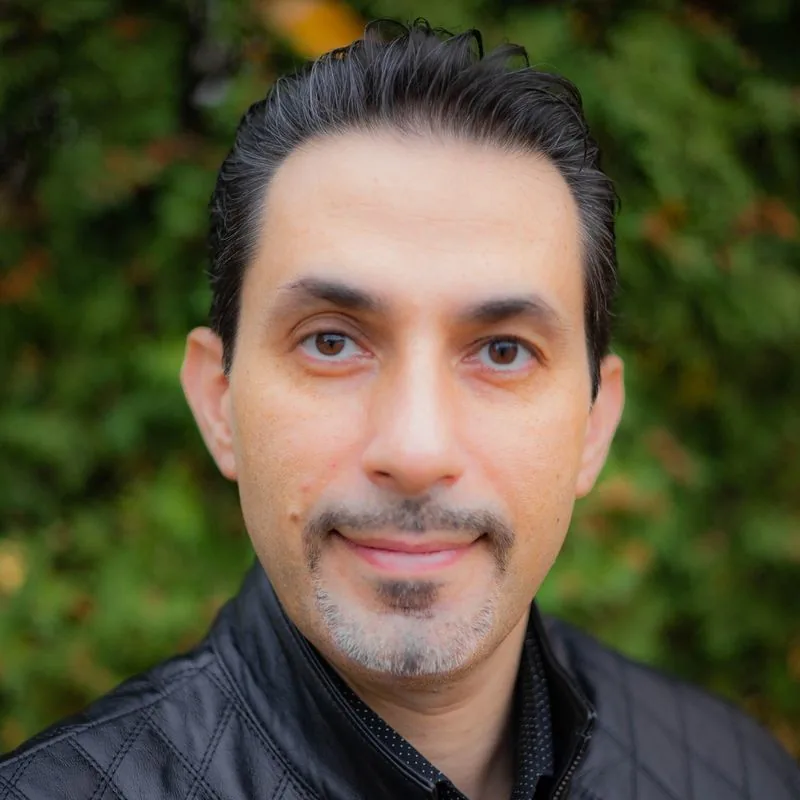
Reviewed by Amir Ahmadi, PhD, MSc PT, Registered Physiotherapist, Certified IMS Therapist, College of Physical Therapists of British Columbia (CPTBC). Last reviewed July 2026.
This page is for general information only and does not constitute medical advice, diagnosis, or treatment. Individual presentations vary, and assessment findings and treatment plans differ from person to person. If you are experiencing severe symptoms, neurological changes (numbness, weakness, bowel or bladder changes), or a significant trauma, contact your physician or emergency services. Physiotherapy at Medstar Sport Physio & Health is provided by physiotherapists registered with the College of Physical Therapists of British Columbia (CPTBC).
Sources
- Thomeé R et al.: Self-reported outcomes after anterior cruciate ligament reconstruction using the Swedish national registry, American Journal of Sports Medicine (2014)
- van Grinsven S et al.: Evidence-based rehabilitation following anterior cruciate ligament reconstruction, Knee Surgery, Sports Traumatology, Arthroscopy (2010)
- College of Physical Therapists of British Columbia (CPTBC)
Related reading