Rib Pain in Rowers and Paddlers: When an Ache Is a Stress Injury
Rib pain in a rower gets blamed on a strained muscle far more often than it should. Some of it is bone, and bone behaves differently.
BY MEDSTAR SPORT PHYSIO TEAM
Rib pain in a rower usually gets a soft-tissue explanation first, because that is the least alarming one available and because rowers are practised at continuing through discomfort.
At Medstar Sport Physio in North Vancouver, rib pain in rowers and paddlers that builds gradually over weeks of training, sits in one small spot you can cover with a fingertip, and hurts with deep breathing or rolling over in bed fits a rib stress injury rather than a muscle strain. Rib stress injury is defined as pain from bone swelling caused by overload along the rib shaft, and the middle ribs, roughly the fifth through ninth, are the ones most commonly affected in rowing. Because this is a bone-loading problem, it does not settle by training through it the way a minor soft-tissue niggle sometimes does, and the plan involves reducing the loading that caused it before rebuilding it in stages.
Here is how a rib stress injury behaves, what else can cause rib pain in these sports, and why the usual athlete instinct is the wrong one for this particular problem.
What a rib stress injury actually is
The Great Britain Rowing Team's own guideline development paper, published in BMC Sports Science, Medicine and Rehabilitation, defines rib stress injury as the development of pain due to bone swelling caused by overload along the rib shaft.
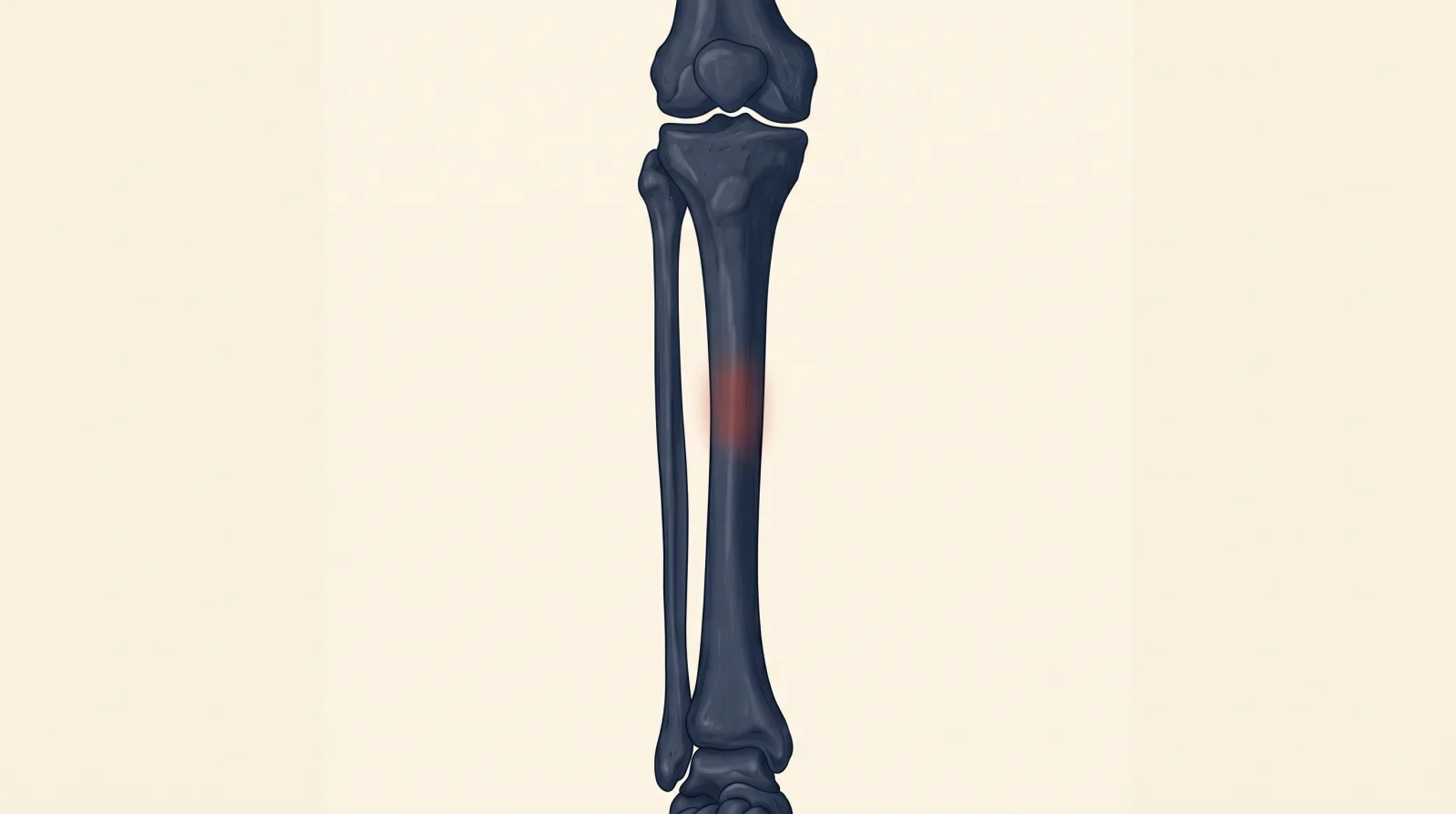
That definition is worth reading twice, because it names the mechanism. This is bone responding to repeated load faster than it can adapt, which is the same underlying process behind a stress fracture anywhere else in the body.
The reason ribs feature so prominently in rowing is the direction of the forces. Large muscles attach to the rib cage and pull it in competing directions during the stroke, and the middle ribs sit where that bending stress concentrates. The incidence in rowing has been estimated at approximately 9 percent, though the authors of that estimate note that larger prospective studies with rigorous injury surveillance are still needed to confirm it.
The pattern that should make you stop guessing
A few features tend to separate this from the soft-tissue explanations.
It builds gradually. There is usually no single stroke or session anyone can point to. The athlete describes it as something that crept in over a few weeks of higher volume, a new training block, or a change in equipment or technique.
It is small and specific. Someone with a rib stress injury can usually place a single fingertip on the sore spot. A strained muscle is more diffuse and harder to localise that precisely.
It reacts to breathing. Deep breaths, coughing, sneezing, laughing, and rolling over in bed all load the rib cage without any rowing involved. Pain in those situations tells you the problem is structural rather than a muscle that only complains when you work it.
It does not settle with a few easy days. This is the one that catches people out, because a soft-tissue niggle often does.
What else causes rib pain in these athletes
Rib pain in rowing has a genuine differential, and the alternatives matter because they are managed differently. Reported causes include costochondritis, intercostal muscle strain, costovertebral joint irritation, and stress fractures.
Costochondritis involves the cartilage joining the ribs to the breastbone at the front. Intercostal strain involves the muscles running between the ribs. Costovertebral joint problems involve where the ribs meet the spine at the back, and these often travel with a stiff mid-back, which is why the thoracic spine is worth attention in anyone with recurring rib complaints.
None of these can be reliably separated by an athlete guessing from symptoms alone, which is the point. If you want more on how rib and chest-wall pain gets assessed generally, our chest and rib pain page covers that ground.
Why "back off a bit and keep going" fails here
Most training niggles respond reasonably well to the standard athlete adjustment: reduce the volume slightly, warm up more carefully, keep going and monitor.
Bone overload does not work that way. The tissue is already failing to keep up with the load it is getting, so a modest reduction often keeps it right at the edge without giving it what it needs. This is the same principle we describe for bone stress injuries in runners, where a stress reaction caught early behaves very differently from one that has been trained through for another month.
The gap between a stress reaction and a stress fracture is largely a question of how long the loading continued after the warning signs. That is the whole argument for getting rib pain assessed early rather than managing it privately for five weeks.
What recovery generally involves
The first phase is unloading the rib. That means stepping away from the specific movement that caused it, which in practice means the rowing or paddling stroke, while keeping whatever fitness work does not provoke symptoms. Most people can maintain a surprising amount of conditioning through this period, and working out what is still available is a useful thing to do with a physiotherapist rather than alone.
Reported cases have often needed several weeks of rest, rehabilitation, and a gradual return before a full return to rowing was possible. Treat that as a general indication rather than your personal schedule, since how early it was caught changes the picture considerably.
The rehabilitation phase looks at why the load concentrated where it did. Thoracic mobility, scapular and trunk control, technique, equipment setup, and the training progression that preceded the injury all belong in that conversation. Returning to the same stroke pattern and the same weekly build that produced the injury is how people end up here twice.
The return itself is staged, with load reintroduced gradually and symptoms guiding the pace rather than the calendar. That principle is the same one behind criteria-based return to sport in every other tissue.
Prevention is mostly load management
The risk factors described in the rowing literature include both intrinsic factors and extrinsic ones, and the extrinsic ones are the ones under your control.
Big jumps in training volume, sudden shifts in the balance between water and ergometer work, changes in rigging or technique, and returning to full load after a layoff all raise the demand on the rib cage quickly. Low energy availability and bone health matter here too, as they do for any bone stress injury, particularly for athletes managing weight for a boat class.
In our clinic, rib complaints in North Shore rowers and paddlers cluster around the periods when training changes character rather than the periods when it is simply hard. That is consistent with what the sport's own guidelines describe.
When to get it checked
Rib pain that has lasted more than a week or two, that you can localise with a fingertip, or that hurts with deep breathing deserves an assessment rather than another training block.
Some symptoms need urgent medical attention rather than a physiotherapy appointment: significant shortness of breath, chest pain that feels crushing or radiates, rib pain following a significant fall or collision, coughing blood, or fever. Those are calls to your physician, to Lions Gate Hospital, or to 911, depending on severity.
If you row, paddle, or coach on the North Shore and have rib pain that is not behaving like a muscle, book a 30-minute assessment and we will work out what it is, what still loads safely, and what needs to change in the training that produced it. You can see what we treat or reach the clinic here.
This article is general information, not personal medical advice. A regulated practitioner can confirm whether the patterns described apply to you.
Sources
- Development of a new guideline to facilitate diagnosis and management of rib stress injuries in rowers, BMC Sports Science, Medicine and Rehabilitation (2015)
- Rib stress fractures in rowers, PMC
- Rib Stress Injuries in Rowers, Aspetar Sports Medicine Journal
- College of Health and Care Professionals of BC public registry
Common questions
Frequently asked questions.
How is a rib stress injury different from a pulled muscle?
A muscle strain usually has a clear moment it happened and eases as the tissue settles over a couple of weeks. A rib stress injury tends to build gradually over weeks of training, hurts in one small spot you can point to with a fingertip, and often hurts with deep breathing, coughing, or rolling over in bed. Only an assessment and sometimes imaging can tell them apart properly.
Can I keep training through rib pain?+
Not through pain that fits the stress-injury pattern. Bone overload does not respond to pushing through the way a muscle niggle sometimes does, and continuing to load it is how a stress reaction becomes a stress fracture. A physiotherapist or physician can help you find what you can still do while it settles.
How long does a rib stress injury take to heal?+
Reported cases have often needed several weeks of relative rest, rehabilitation, and a graded return before full rowing was possible. Your own timeline depends on how early it was caught and how much training load was involved, so treat any number you read as a rough guide rather than a promise.
Which ribs are usually affected in rowers?+
The middle ribs, roughly the fifth through ninth, are the ones most commonly reported in rowers. That is the region where the muscles attaching to the rib cage pull in opposing directions during the stroke, which creates the most bending stress through the bone. Pain in that band that you can point to with one fingertip, and that builds over weeks of training rather than starting in one moment, is the pattern worth having assessed.
Does this happen in sports other than rowing?+
Rib stress injury happens in sports beyond rowing. Rowing is where it is best documented, but the same repeated trunk loading through the rib cage exists in paddling, canoeing, and kayaking, so rib pain in any of those sports deserves the same care and the same caution about training through it. Golf and throwing sports have their own reported rib injury patterns. What matters is the pattern of the pain rather than the name of the sport.
What happens at a physiotherapy assessment for suspected rib stress injury?+
The physiotherapist asks about your recent training volume, when the pain started, and what provokes it, including breathing and rolling over in bed, then examines the rib cage, thoracic spine, and scapular and trunk control to look for the pattern that fits a bone stress injury versus a muscle strain or joint problem. Because a stress injury can need imaging to confirm, the physiotherapist may refer you to a physician for that step.
What can I still do while a rib stress injury heals?+
Most people can maintain a surprising amount of conditioning during the unloading phase by avoiding the specific rowing or paddling stroke while keeping up fitness work that does not provoke the rib. Working out exactly what is available, cycling, some forms of running, or specific strength work, is worth doing with a physiotherapist rather than guessing alone, since some movements can load the rib cage in ways that are not obvious.
Is physiotherapy for a rib stress injury covered by extended health insurance?+
Most BC extended health plans that include a physiotherapy benefit cover assessment and rehabilitation for a rib stress injury the same as any other sport injury. Direct billing means the clinic bills your insurer directly instead of you paying upfront and waiting for reimbursement. If imaging or a physician referral is needed to confirm the diagnosis, that step is coordinated alongside the physiotherapy plan.
Share this post
Copies a ready-to-publish LinkedIn post to your clipboard and opens the LinkedIn share dialog. Paste the text into the composer and publish.
Written by
Medstar Sport Physio Team
Registered clinician at Medstar Sport Physio & Health, North Vancouver.
This article is for general information only and does not constitute medical advice, diagnosis, or treatment. Individual presentations vary, and assessment findings and treatment plans differ from person to person. If you are experiencing severe symptoms, neurological changes (numbness, weakness, bowel or bladder changes), or a significant trauma, contact your physician or emergency services. Care at Medstar Sport Physio & Health is provided by practitioners registered with their respective British Columbia regulatory colleges.
Filed under
- rib-stress-injury
- rowing
- paddling
- bone-stress-injury
- north-vancouver