After ACL Reconstruction: The Rehab Stages From Surgery to Return to Sport
The surgery rebuilds the ligament. What happens over the following nine to twelve months decides whether the new graft holds up to sport. Here is what that process actually looks like, stage by stage.
BY AMIR AHMADI, PHD
Surgery rebuilds the ligament in an afternoon. Rehab is the part that decides whether that new ligament can actually hold up to cutting, pivoting, and landing again, and it is a longer process than most people expect going in.
At Medstar Sport Physio in North Vancouver, ACL reconstruction rehab moves through staged phases, restoring movement and quadriceps control first, then progressive strengthening, then running, agility, and sport-specific training, guided by measurable criteria at each step rather than a fixed calendar. Current guidance treats nine months as a minimum before returning to pivoting sport, since a 2020 study found athletes who returned before that point had a rate of new injury seven times higher than those who waited longer. Return-to-sport clearance is based on a battery of tests, including strength symmetry between legs, hop performance, movement quality under fatigue, and psychological readiness, not on time alone.
This is the rehab after surgery, not before it
It is worth being clear about which phase this article covers. The weeks before ACL reconstruction, known as prehab, are their own distinct stage focused on calming swelling and building strength and range of motion ahead of the operation, which we cover in our post on ACL prehab before surgery. What follows here starts once the graft is in place. It is a longer process, generally running nine to twelve months or more, and it follows a different set of goals at each stage.
The first weeks: restoring movement and switching the quadriceps back on
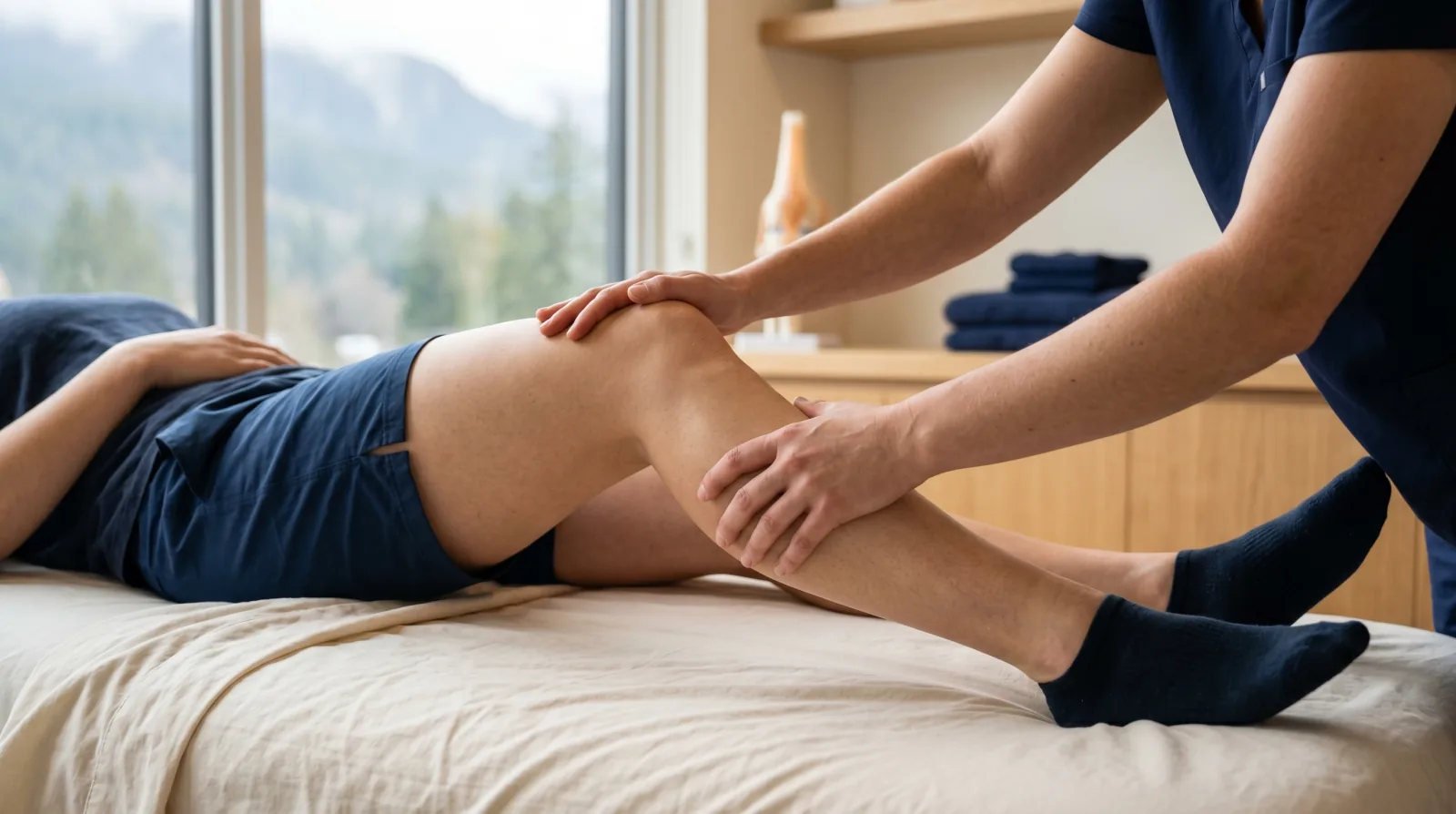
Physiotherapy typically starts within the first few days after surgery, and the goals here are narrow and specific rather than about building strength yet. Controlling swelling, restoring a knee that fully straightens, and reactivating the quadriceps muscle are the priorities.
Full knee extension matters more than people expect. A knee that settles into a slightly bent resting position after surgery, because that position feels more comfortable, changes how a person walks and can create problems that persist well into later stages. Quadriceps activation gets early, deliberate attention too, since post-surgical swelling and pain naturally inhibit the muscle from firing at full strength, a similar mechanism to what happens after knee replacement surgery, even though the underlying operation is different. Without addressing that inhibition early, the muscle has a harder time responding to strength work introduced later.
The middle months: strength becomes the priority
Once the acute swelling and pain settle, the focus shifts to rebuilding strength through the leg, with the quadriceps and hamstrings both getting sustained attention. This phase also introduces balance and control work, since the knee needs to relearn how to stabilize under load, not just how to move through range.
Quadriceps weakness deserves specific mention here because it is one of the most consistent and stubborn deficits after ACL reconstruction. Part of it comes from the graft harvest itself, particularly when the graft is taken from the patellar or quadriceps tendon, and part of it comes from the same post-surgical inhibition mentioned above. Strength symmetry between the surgical and non-surgical leg becomes one of the central measures tracked through the rest of rehab, because it is one of the strongest predictors used later when deciding whether an athlete is ready to return to sport.
Running, agility, and the return to sport-specific training
Later stages introduce running, then direction changes, then increasingly sport-specific movements, each one added once the previous stage has been tolerated well. This progression follows what the 2022 evidence-based clinical practice update on ACL rehabilitation describes as a criterion-based structure: prehabilitation followed by three postoperative phases, an impairment-based phase, a sport-specific training phase, and a return-to-play phase, with specific clinical milestones required before advancing between them regardless of how many weeks have passed.
That last point is worth repeating because it is where most of the risk in this whole process sits. Meeting all of the milestones for a phase, not simply reaching a certain week number, is what determines when someone moves forward. An athlete who is technically eight weeks into a program that "usually" allows running at that point, but has not yet met the strength and control targets for that stage, is not ready to run just because the calendar says so.
Why nine months is a floor, not a target
The timeline for returning to pivoting sport after ACL reconstruction is longer than most non-surgical injuries, and the reason is partly biological. The graft needs time to mature and integrate as living tissue, a process that strength training accelerates only so much, since tissue remodeling follows its own timeline regardless of how strong the surrounding muscles get.
The evidence on rushing this is specific and sobering. A 2020 study in JOSPT found that young athletes who returned to sport before nine months after ACL reconstruction had a rate of new injury seven times higher than those who delayed their return. Related research has also found that the reinjury rate decreases as return is delayed up to that nine-month mark. This is why nine months functions as a floor built into the timeline rather than a target to reach as fast as possible. A graft that tests well at four months is not the same tissue, biologically, as one that tests well at twelve months, even if the strength numbers look similar on paper.
The testing that actually decides readiness
Time alone is a poor predictor of whether a knee can handle the demands of pivoting sport, which is why return-to-sport decisions rely on a battery of measurable tests rather than the calendar. This is the same criteria-based return to sport model used across sport physiotherapy, and after ACL reconstruction specifically it typically covers a few areas.
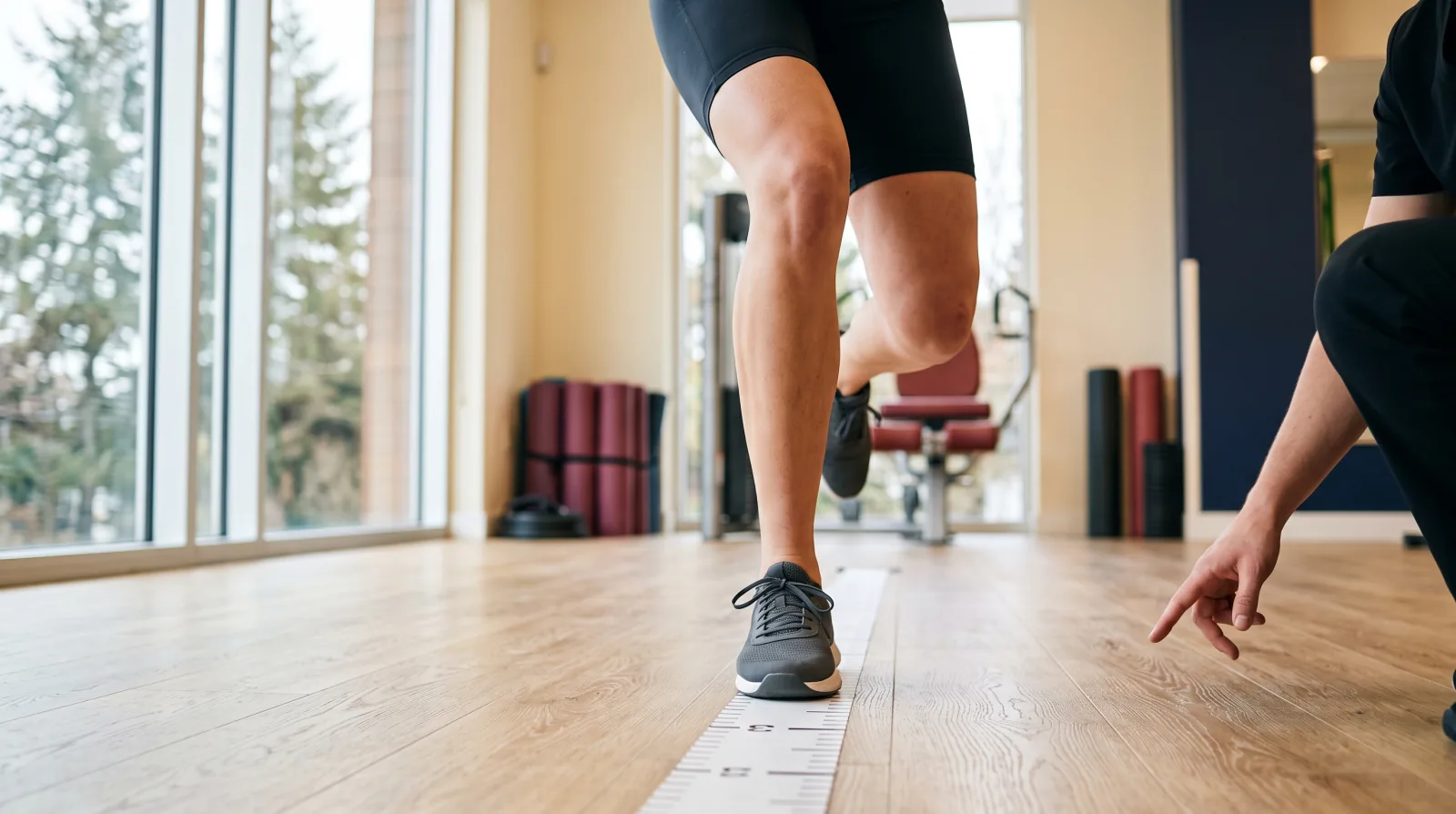
Strength symmetry compares the surgical leg against the non-surgical leg, most importantly for the quadriceps, since a meaningful deficit here is one of the more consistent predictors of reinjury risk. A hop-test battery, usually including single-leg hop for distance, triple hop, and a timed hop, gives an objective, comparable measure of power and control on each leg. Movement quality gets assessed again once the athlete has been fatigued, since a knee that looks well-controlled fresh can behave very differently late in a training session, which is closer to the real conditions of a game. Agility testing that includes unanticipated direction changes checks whether the knee holds up when the athlete has to react rather than execute a planned movement. Psychological readiness is checked too, often with a validated questionnaire, because fear of reinjury is itself an independent predictor of a second injury, and an athlete who passes every physical test but still hesitates or braces awkwardly is not fully ready.
When the timeline needs to shift
Not every recovery follows the same pace, and that is expected rather than a problem to solve by pushing harder. Associated injuries at the time of the original tear, such as meniscus damage, covered in our post on degenerative versus traumatic meniscus tears, can change what the early rehab phases look like. Persistent swelling, a knee that does not regain full strength symmetry on schedule, or ongoing feelings of instability are all reasons to revisit the plan with your surgeon and physiotherapist rather than continuing to advance on the original timeline regardless.
When to get reassessed
A knee that gives way, swells significantly without a clear cause, or develops new pain during any phase of ACL rehab is worth having reassessed rather than pushed through. This is different from the expected, manageable soreness that comes with a progressing strengthening program.
If you are recovering from ACL reconstruction, whether you are a few weeks in or approaching a return-to-sport decision, book a 30-minute assessment and we will check where your strength and control actually are against the stage you are meant to be at, and build the next phase of the plan around real measurements rather than a generic timeline. You can also read about what we treat or reach the clinic here.
This article is general information about ACL reconstruction rehabilitation. It is not personal medical advice. Surgical and graft decisions belong with an orthopaedic surgeon, and a regulated practitioner can confirm whether the patterns described apply to you.
Sources
- Evidence-based clinical practice update: practice guidelines for anterior cruciate ligament rehabilitation based on a systematic review and multidisciplinary consensus, British Journal of Sports Medicine
- Young Athletes Who Return to Sport Before 9 Months After Anterior Cruciate Ligament Reconstruction Have a Rate of New Injury 7 Times That of Those Who Delay Return, JOSPT (2020)
- Grindem et al., Simple decision rules can reduce reinjury risk by 84% after ACL reconstruction, British Journal of Sports Medicine (2016)
- College of Physical Therapists of BC (CPTBC)
Common questions
Frequently asked questions.
How is ACL reconstruction rehab different from ACL prehab?
Prehab happens before surgery and focuses on calming swelling, restoring range of motion, and building quadriceps strength so the knee enters the operation in the best shape possible, covered in our post on [ACL prehab before surgery](/journal/acl-prehab-before-surgery). Post-surgical rehab starts after the graft is in place and is a longer, staged process moving through movement restoration, strengthening, running, agility, and sport-specific training, guided by measurable criteria at each step rather than a calendar date.
How soon after ACL surgery does physiotherapy start?+
Very early, often within the first few days after the operation, focused on controlling swelling, restoring a fully straight knee, and reactivating the quadriceps. Early physiotherapy does not involve heavy loading. It targets the specific impairments that, if left unaddressed, slow down every later stage of the recovery.
How long until an athlete can return to sport after ACL reconstruction?+
Current guidance points to a minimum of nine months, and often longer, based on both the biological healing timeline of the graft and objective testing rather than the calendar alone. A 2020 study found athletes who returned to sport before nine months had a rate of new injury seven times higher than those who waited longer, which is why time is treated as a floor, not a target to rush toward.
What tests decide when someone can return to sport after ACL surgery?+
A battery of measurable tests, not a single check. This typically includes limb symmetry testing comparing quadriceps and hamstring strength between the surgical and non-surgical leg, a hop-test battery, movement quality assessed under fatigue, agility testing with unanticipated direction changes, and a psychological readiness questionnaire. Our post on [criteria-based return to sport](/journal/criteria-based-return-to-sport) covers this testing model in detail.
Why does quadriceps strength matter so much after ACL surgery?+
Quadriceps weakness is one of the most consistent and persistent deficits after ACL reconstruction, partly from the graft harvest itself and partly from post-surgical inhibition, where a swollen or painful knee makes it hard for the muscle to fire fully. Strength symmetry between legs is one of the strongest predictors used in return-to-sport testing, which is why quadriceps strengthening gets sustained attention throughout the whole rehab timeline, not just early on.
Is it normal to still feel unsteady on the knee months after ACL surgery?+
It can be part of a normal recovery, especially if strength and control have not yet been retested and rebuilt to match the other leg. It is worth flagging to your physiotherapist rather than assuming it will resolve on its own, since persistent instability can reflect a strength deficit, a control issue, or in some cases a graft or other structural concern that needs a closer look.
Does everyone need a graft from their own body for ACL reconstruction?+
Graft choice, whether from the patellar tendon, hamstring tendon, or a donor graft, is a decision made with the orthopaedic surgeon based on age, activity goals, and other factors. It is a surgical decision outside physiotherapy scope, though the graft type can influence certain aspects of the early rehab timeline, which is why the surgeon's specific post-operative protocol always guides the early stages.
What happens if an athlete does not pass the return-to-sport testing?+
Rehab continues, targeting the specific gap the testing identified, whether that is a strength asymmetry, a hop-test deficit, or low psychological readiness, and the athlete is retested rather than cleared on partial results. This is a normal part of the process for many athletes rather than a sign that something has gone wrong, since the whole point of criteria-based testing is catching gaps before they turn into a second injury.
Share this post
Copies a ready-to-publish LinkedIn post to your clipboard and opens the LinkedIn share dialog. Paste the text into the composer and publish.
Written by
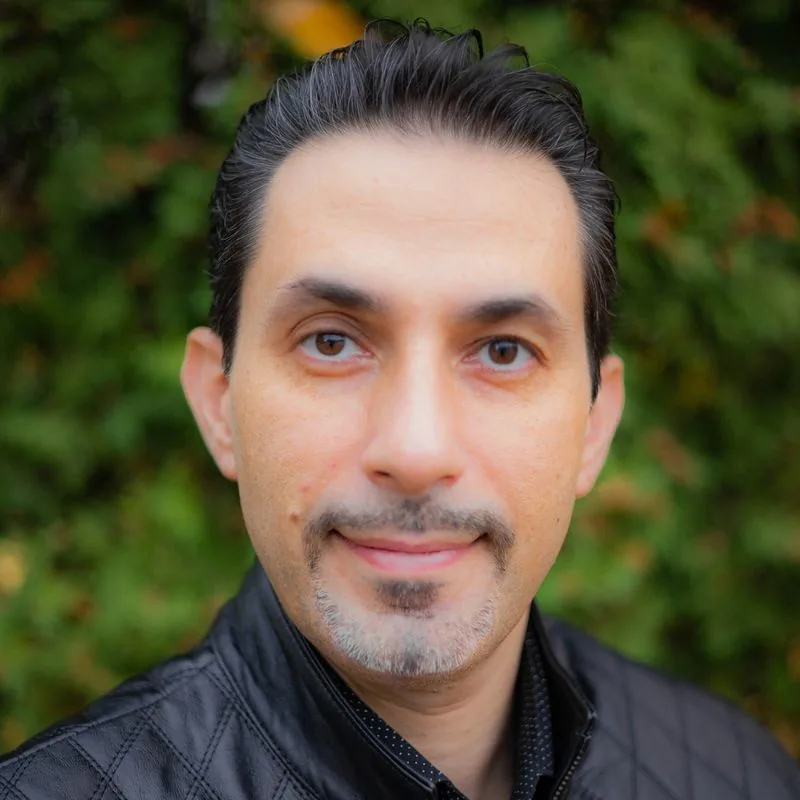
Amir Ahmadi, PhDDr. Amir Ahmadi is a Registered Physiotherapist, Certified IMS Therapist and former Associate Professor. 20+ years of clinical practice in North Vancouver.
This article is for general information only and does not constitute medical advice, diagnosis, or treatment. Individual presentations vary, and assessment findings and treatment plans differ from person to person. If you are experiencing severe symptoms, neurological changes (numbness, weakness, bowel or bladder changes), or a significant trauma, contact your physician or emergency services. Care at Medstar Sport Physio & Health is provided by practitioners registered with their respective British Columbia regulatory colleges.
Filed under
- acl-reconstruction
- post-surgical-rehab
- return-to-sport
- knee
- north-vancouver