Shovelling Snow Without Hurting Your Back on the North Shore
A heavy North Shore snowfall sends people out with a shovel and, often, into a sore back. A few changes to how you shovel take most of the strain off your spine.
BY MEDSTAR SPORT PHYSIO TEAM
A heavy snowfall on the North Shore sends people out with a shovel and, often enough, into a sore back the next day. Shovelling is one of the most predictable causes of winter back strains, and most of that risk comes down to how the shovelling is done.
Snow shovelling strains backs because it combines bending forward, lifting a load out in front of you, and twisting to throw it, often repeated many times in cold, stiff muscles. The safest approach is to push the snow rather than lift it where possible, and when lifting, to bend at the hips and knees, keep the load small and close, and turn your whole body instead of twisting the spine. At Medstar Sport Physio in North Vancouver, we also flag the heart risk, shovelling is intense work in cold air, so those with heart conditions or low fitness should go slowly and stop at any chest pain, breathlessness, or dizziness.
Why shovelling is so hard on the back
Snow shovelling looks simple, but it asks the back to do several things it does not love, all at once. You bend forward to reach the snow, you lift a load that sits out in front of your body, and then you often twist to throw the snow off to the side. Each of those, on its own, is manageable. Combined and repeated many times, they add up to real strain on the low back.
The low back handles bending and lifting best when the load is close to the body and the spine is not twisting under load. Shovelling tends to break both of those, with the snow held out in front and the trunk rotating to unload it. Add cold, stiff muscles on a winter morning, often after months of less activity, and it is easy to see why the low back is the most common site of shovelling injuries.
Push, do not lift, whenever you can
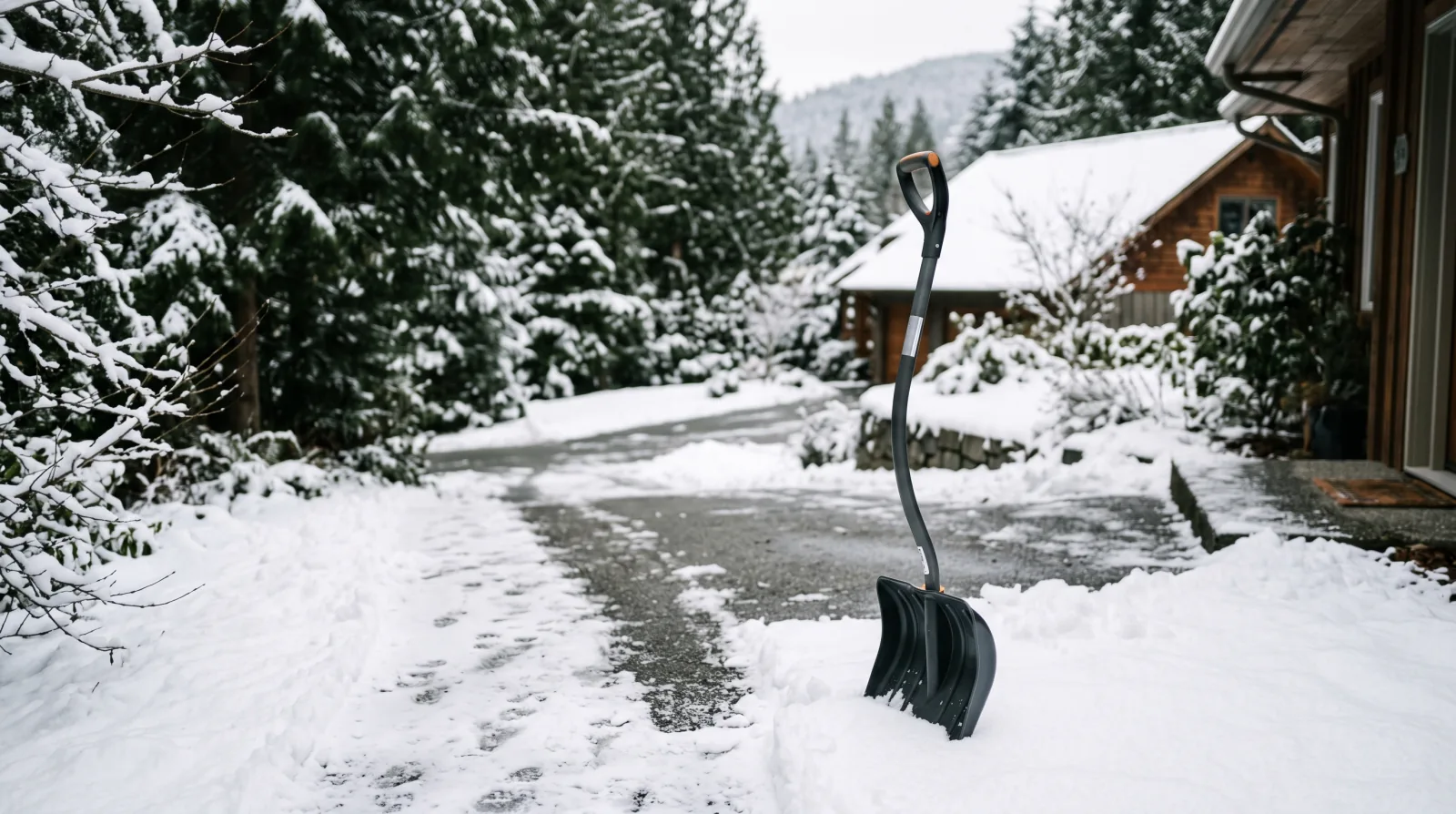
The single most useful change is to push the snow rather than lift and throw it. Pushing keeps the load low and close and takes most of the bending, lifting, and twisting out of the movement, which is where the strain comes from.
A shovel or pusher designed to move snow forward, rather than scoop and toss it, makes this easier. On a driveway or path where the snow can be pushed to the edge, this alone removes much of the risk. Save the lifting for when there is genuinely no other option, such as clearing a bank the pusher cannot move.
When you have to lift, lift well
Sometimes lifting is unavoidable. When it is, a few habits protect the back:
Bend at the hips and knees, not the low back. Hinging at the hips and bending the knees shifts the work to the legs, which are far better built for lifting than the low back. This is the same principle behind safe lifting after back pain.
Keep the load small. Smaller scoops mean less weight on the spine each time. Clearing snow in more, lighter passes is safer than fewer, heavier ones, even though it feels slower.
Keep the shovel close. Holding the load near your body dramatically reduces the strain on the low back compared with reaching out in front. The further the weight is from your spine, the harder your back has to work.
Turn your whole body, do not twist. Instead of twisting your trunk to throw snow to the side, pivot your feet and turn your whole body to face where the snow is going. Twisting the spine while it is loaded is one of the most common ways people hurt their back shovelling.
Warm up first
Going straight from a warm house into heavy shovelling with cold, stiff muscles is a common setup for a strain. A short warm-up helps more than static stretching.
A few minutes of walking and some gentle movements to get the hips, back, and shoulders moving raises your body temperature and prepares the muscles for the work ahead. Treat shovelling like the workout it is, not a chore to rush through, and take a short rest every ten to fifteen minutes rather than trying to clear everything in one continuous effort.
The heart risk worth taking seriously
Back strains are the common injury, but shovelling carries a more serious risk for some people, and it is worth naming plainly. Shovelling is intense work that combines heavy exertion, arm work above waist height, a tendency to hold the breath while lifting, and cold air, all of which raise the strain on the heart.
Emergency visits for heart problems rise during heavy snowfalls, and health authorities consistently caution that people with heart conditions, older adults, and those who are not very active should be careful. If that describes you, check with your doctor, pace yourself, consider asking for help or using a snow blower, and stop immediately with any chest pain or tightness, shortness of breath out of proportion to the effort, lightheadedness, or nausea, and seek emergency care if those appear.
If you have already hurt your back
Most back strains from shovelling settle over days to a few weeks. The most helpful approach is gentle movement and staying as active as comfort allows, rather than long bed rest, which tends to stiffen things up. Keep moving within a comfortable range and let the pain settle gradually. This fits the wider PEACE and LOVE approach to soft-tissue injury that favours early, gentle movement over total rest.
Some back pain needs more than self-management. See a physiotherapist or doctor if the pain is severe, if it spreads down the leg with numbness, tingling, or weakness, if it followed a heavy fall, or if it is simply not improving over a couple of weeks. Those features are worth an assessment to be sure of what is going on and to build a recovery plan.
When to book
If a bout of shovelling has left you with back pain that is not settling, or if you want to get ahead of it before winter, an assessment can sort out what is going on and build a plan, whether that is recovering from a strain or strengthening your back and legs so the next snowfall is less of a risk.
Book a 30-minute appointment and we will assess your back, guide your recovery if you are already sore, and give you a practical plan to get through a North Shore winter without paying for it with your spine.
This article is general information about back care and snow shovelling. It is not personal medical advice. A regulated practitioner can confirm whether the patterns described apply to you, and any chest symptoms during exertion are a medical emergency.
Sources
- OrthoInfo (American Academy of Orthopaedic Surgeons) - Prevent Snow Shoveling and Snowblowing Injuries
- HealthLinkBC - Low Back Pain
- College of Physical Therapists of BC (CPTBC)
Common questions
Frequently asked questions.
What is the safest way to shovel snow?
Push the snow rather than lifting it whenever you can, because pushing puts far less strain on the back than lifting and throwing. When you do lift, bend at the hips and knees rather than rounding the low back, keep the load small, hold the shovel close to your body, and turn your whole body to unload the snow rather than twisting your spine. Warm up first and take breaks.
Why does shovelling snow hurt my back?+
Shovelling combines several things the back does not love at once: bending forward, lifting a load out in front of you, and twisting to throw it to the side, often repeated many times in cold muscles. That combination of bending, loading, and twisting is a common way to strain the low back. Doing it after months of less activity, on a cold morning, adds to the risk.
Is shovelling snow bad for your heart?+
It can be a real risk for some people. Shovelling is intense work that combines heavy exertion, arm work, breath-holding, and cold air, which raises the strain on the heart. Emergency visits for heart problems rise during heavy snowfalls. If you have a heart condition, are inactive, or are older, check with your doctor, take it slowly, and stop immediately with any chest pain, shortness of breath, or lightheadedness.
Should I stretch before shovelling snow?+
A short warm-up helps more than static stretching. Walking for a few minutes and doing some gentle movements to get the hips, back, and shoulders moving raises your body temperature and prepares the muscles for the work. Going straight from a warm house into heavy shovelling with cold, stiff muscles is when strains tend to happen.
I already hurt my back shovelling. What should I do?+
Most shovelling back strains settle over days to a few weeks with gentle movement, staying as active as comfort allows, and avoiding long bed rest. Keep moving within a comfortable range rather than freezing up. See a physiotherapist or doctor if the pain is severe, spreads down the leg with numbness, tingling, or weakness, follows a heavy fall, or is not improving, as those need an assessment.
Share this post
Copies a ready-to-publish LinkedIn post to your clipboard and opens the LinkedIn share dialog. Paste the text into the composer and publish.
Written by
Medstar Sport Physio Team
Registered clinician at Medstar Sport Physio & Health, North Vancouver.
This article is for general information only and does not constitute medical advice, diagnosis, or treatment. Individual presentations vary, and assessment findings and treatment plans differ from person to person. If you are experiencing severe symptoms, neurological changes (numbness, weakness, bowel or bladder changes), or a significant trauma, contact your physician or emergency services. Care at Medstar Sport Physio & Health is provided by practitioners registered with their respective British Columbia regulatory colleges.
Filed under
- snow-shovelling
- back-pain
- injury-prevention
- winter
- north-shore
- north-vancouver