Back on the Ice: Returning to Hockey After a Shoulder Injury
A shoulder dislocation on the ice does not just heal on a calendar. Here is how staged criteria, not the date on your phone, decide when you are ready for contact again.
BY MEDSTAR SPORT PHYSIO TEAM
A shoulder that comes out of joint during a hockey game is a frightening moment, and the first question most players ask is how many weeks until they can play again. The more useful question is a different one. A shoulder injury does not heal on a calendar, and going back to contact hockey is decided by what the shoulder can actually do, not by the date on your phone.
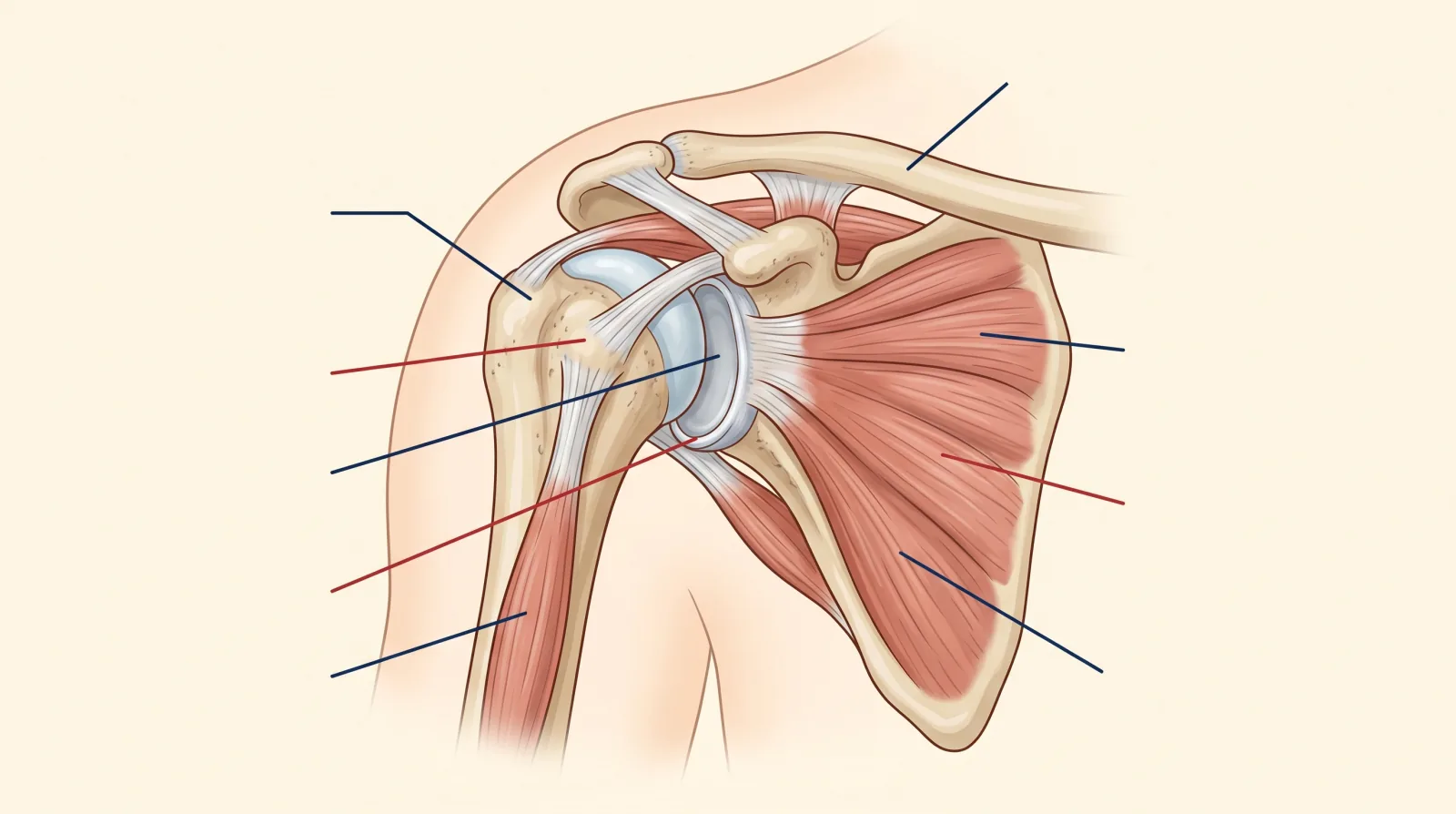
Returning to hockey after a shoulder injury or dislocation is decided by staged criteria, not by a fixed number of weeks. Time off the ice lets tissue settle, but it does not build the strength, control, and contact tolerance the shoulder needs for board battles and falls. In younger players, a shoulder that has dislocated once has a high chance of doing it again, so a proper rehabilitation program matters. At Medstar Sport Physio in North Vancouver, we clear players by meeting objective targets and passing sport-specific and contact drills, and we treat the confidence side as part of readiness, not an afterthought.
Why the calendar does not decide it
It is tempting to want a clean answer like "six weeks and you are back." The problem is that two players injured in the same game can be ready weeks apart. Recovery depends on how the shoulder was injured, whether it fully dislocated or partly slipped, whether you needed surgery, your age, and how the shoulder responds to loading during rehabilitation.
Time by itself is a poor guide because rest does not build capacity. A shoulder that has been sore and guarded for weeks is often weaker and less controlled than it looks, and simply feeling better is not the same as being ready for a collision. This is the same reason we use objective markers rather than a countdown across sports, which we explain in our guide to criteria-based return to sport.
The recurrence problem in younger players
There is one fact about shoulder dislocations that changes how seriously we take the rehabilitation, especially for teenage and young adult players. Age is a major factor in whether the shoulder comes out again.
In people under 20 who have a first-time anterior shoulder dislocation treated without surgery, recurrence rates are high, reported in the range of about 75 to 80 percent in some studies. That is a large number, and it is one reason a young player on a North Shore club or rep team should not treat a dislocation as a minor setback. It does not automatically mean surgery, but it does mean the decision deserves proper review and that the rehabilitation and return-to-play plan should be careful rather than rushed.
Older recreational players tend to have a lower recurrence risk, but the same principle holds. Rebuilding the shoulder properly and returning in stages gives the joint the best chance of staying in.
Surgery or rehabilitation first
A common worry is whether the shoulder needs surgery before hockey is possible at all. The honest answer is that it depends, and it is a shared decision between you, your doctor, and your physiotherapist.
Some players, particularly older recreational players or those whose shoulder has come out only once, do well with a structured rehabilitation program and no operation. Others, especially younger contact athletes who have dislocated more than once, may be advised to consider surgical stabilization because of the high recurrence risk. The type of damage inside the joint, how many times it has happened, and your goals for the season all feed into the choice. Whatever the path, rehabilitation is part of it, because even after surgery the shoulder needs to rebuild strength and control before contact. We weigh a similar exercise-versus-surgery decision for other shoulder problems in our piece on rotator cuff pain and whether to choose exercise or surgery.
The stages back to contact
The return is built in steps, and each step has a purpose. We do not jump from resting the arm to a board battle.
Settle and protect. Early on, the goal is to calm the injured shoulder and protect the healing tissue while keeping the rest of the arm and body moving. This overlaps with the early work covered in our piece on first-time shoulder dislocation rehab.
Rebuild strength and control. Next we build the rotator cuff and shoulder-blade muscles and restore range, working toward strength that is close to the uninjured side. This stage is where a shoulder often looks fine at rest but is still not ready for load.
Add sport-specific load. Then we bring in the movements hockey actually demands: overhead reaching, pushing and pulling under load, and the arm positions that happen in a stick battle or a fall.
Test contact tolerance. Finally, before full return, we build up through progressively harder contact drills so the first hard hit in a game is not the first hard load the shoulder has felt since the injury.
Contact readiness is more than gym strength
A shoulder can look strong in a controlled gym exercise and still not be ready for hockey. Contact readiness means the joint can handle unexpected, forceful loads in awkward positions, which is exactly what a collision or a fall onto the ice delivers.
Before we clear a player for contact, we want near-full strength and range compared to the other side, good control of the shoulder blade, and the ability to hold overhead and reaching positions under load without the shoulder feeling like it might slip. We also build up the speed and unpredictability of the drills, because a slow, planned movement in the clinic is not the same as a fast, surprise load in a game.
The confidence side of returning
Physical readiness is only part of the picture. Many players are physically cleared well before they trust the shoulder again, and a shoulder that the athlete does not trust changes how they play. They protect it, avoid battles, and move differently, which can lead to other problems.
That gap between a ready shoulder and a confident player is normal, and it deserves attention rather than being brushed off. Progressing through realistic drills and seeing the shoulder handle load is often what rebuilds trust, not reassurance alone. If fear is holding a player back even after the strength targets are met, that is a signal to keep working on graded contact exposure, not to push them into a game and hope.
When to get it assessed
If you have dislocated or badly injured a shoulder playing hockey, get it assessed rather than waiting to see if it settles, especially if you are a younger player or it has happened more than once. Early assessment sorts out how the shoulder was injured, whether imaging or a specialist opinion is needed, and what the rehabilitation should look like. Get urgent care right away if the shoulder will not go back into place, if there is numbness or a cold, pale hand, or if there is a lot of weakness in the arm, because those need immediate attention.
Book a 30-minute appointment and we will assess your shoulder, set the strength and control targets that fit hockey, and guide a staged return through sport-specific and contact drills so you go back when the shoulder is ready, not just when the calendar says so.
This article is general information about shoulder injuries. It is not personal medical advice. A regulated practitioner can confirm whether the patterns described apply to you.
Sources
- Approach to Treating Patients after First-time Anterior Shoulder Instability: What Does the Evidence Say? (PMC)
- Return to Sports After Shoulder Stabilization Surgery for Anterior Shoulder Instability (PMC)
- College of Physical Therapists of BC (CPTBC)
Common questions
Frequently asked questions.
How long after a shoulder dislocation can I play hockey again?
There is no fixed date that fits everyone, and time off the ice by itself does not decide readiness. Recovery depends on how the shoulder was injured, whether you had surgery, your age, and how well the shoulder handles load and contact demands during testing. What matters is meeting staged criteria, meaning your strength, control, and confidence are close to the other side and you can handle sport-specific and contact drills, rather than counting weeks on a calendar.
Will my shoulder dislocate again if I go back to hockey?+
The risk of another dislocation is real, especially in younger players and contact sports. In people under 20 who have a first dislocation treated without surgery, recurrence rates are high, reported in the range of about 75 to 80 percent in some studies. That does not mean surgery is always needed, but it does mean a proper rehabilitation program and a staged return matter, and it is a reason to have the decision reviewed by a doctor and physiotherapist rather than rushing back.
Do I need surgery on my shoulder before returning to hockey?+
Not always. Some players do well with a structured rehabilitation program and no surgery, while others, especially younger contact athletes with repeated dislocations, may be advised to consider surgical stabilization. The right choice depends on your age, how many times the shoulder has come out, the type of damage, and your goals. This is a shared decision between you, your doctor, and your physiotherapist, not something to decide alone.
What does contact readiness mean for hockey?+
Contact readiness means the shoulder can handle the specific demands of hockey collisions, board battles, and falls, not just gym exercises. Before returning to contact, we want near-full strength and range compared to the other side, good control of the shoulder blade, and confidence in overhead and reaching positions under load. We build up through progressively harder drills so the first hit in a game is not the first hard load the shoulder has felt since the injury.
Can physiotherapy help me return to hockey after a shoulder injury?+
Yes. Physiotherapy after a shoulder injury or dislocation rebuilds the strength and control the joint needs, then guides a staged return through sport-specific and contact drills. A criteria-based approach, where you meet objective targets before each step up, is designed to lower the risk of another injury compared to simply resting and hoping. It also addresses the confidence side, which is often what holds players back even when the shoulder is physically ready.
Can I keep skating and doing conditioning while my shoulder recovers?+
Often yes, with modifications. Lower-body conditioning, skating without contact drills, and other activities that do not load the injured shoulder can usually continue early in rehab. Your physiotherapist will identify which parts of training are safe to keep doing and which need to wait for later stages, so deconditioning does not add another setback on top of the shoulder injury.
What tests decide if my shoulder is ready for contact again?+
Readiness is judged against a set of criteria rather than a single test, typically including strength comparisons against the uninjured shoulder, control of the shoulder blade during movement, tolerance of overhead and reaching positions under load, and confidence during progressively harder simulated-contact drills. Meeting these benchmarks matters more than how many weeks have passed since the injury.
Is it normal to feel nervous about contact even after my shoulder feels strong?+
Yes, and it is common even in players whose shoulder has met all the physical benchmarks. Confidence often lags behind physical readiness after a dislocation, which is why a staged return through progressively harder drills, rather than jumping straight back into full-contact play, helps rebuild trust in the shoulder alongside its strength.
Share this post
Copies a ready-to-publish LinkedIn post to your clipboard and opens the LinkedIn share dialog. Paste the text into the composer and publish.
Written by
Medstar Sport Physio Team
Registered clinician at Medstar Sport Physio & Health, North Vancouver.
This article is for general information only and does not constitute medical advice, diagnosis, or treatment. Individual presentations vary, and assessment findings and treatment plans differ from person to person. If you are experiencing severe symptoms, neurological changes (numbness, weakness, bowel or bladder changes), or a significant trauma, contact your physician or emergency services. Care at Medstar Sport Physio & Health is provided by practitioners registered with their respective British Columbia regulatory colleges.
Filed under
- shoulder-injury
- shoulder-dislocation
- hockey
- return-to-sport
- contact-sport
- north-vancouver