Acute Low Back Pain: What to Do in the First 72 Hours of a Flare
A sudden back flare feels alarming, and the instinct is to lie down and wait it out. That is usually the wrong move. Here is what to do in the first three days.
BY MEDSTAR SPORT PHYSIO TEAM
A back flare can arrive out of nowhere. You bend to lift something, or you stand up after sitting too long, and suddenly your low back locks and every movement hurts. The pain is real and can be intense, and the instinct is to lie down and wait it out. For most flares, that is the wrong move, and the first three days set the tone for how the whole thing goes.
In the first 72 hours of an acute low back pain flare, the most useful things are to keep moving gently within what the pain allows, to pace your activity rather than either freezing or pushing hard, and to avoid bed rest, which tends to make a stiff back slower to settle. Heat can help with comfort, and most flares improve over days to a few weeks. At Medstar Sport Physio in North Vancouver, we also make sure you know the small number of red flag warning signs, such as loss of bladder or bowel control or numbness around the groin, that mean urgent medical care rather than wait and see.
Why moving beats resting
The old advice for a bad back was bed rest. That advice has been reversed for years, because it did not help and often made things worse. Current clinical guidelines for acute low back pain advise staying active and continuing ordinary activity within the limits of the pain, and they specifically recommend against bed rest as a treatment. The Alberta clinical practice guideline for the primary care management of low back pain reflects this, and if rest is unavoidable, it should be kept short, ideally no more than a day or two.
The reason is straightforward. A back that is held still gets stiffer, the muscles around it tighten up and guard, and the whole area becomes more sensitive. Gentle movement does the opposite. It keeps the joints and muscles moving, reduces the guarding, and tells your nervous system that the back is safe to use. You do not need to move a lot. You need to keep moving a little, often.
Pacing your first three days
The trap in the first 72 hours is going to one of two extremes. Some people freeze completely, terrified that any movement will cause damage. Others try to power through a full day and end up in a worse flare that evening. Neither works.
Pacing is the middle path. Do a small amount of activity, rest before the pain builds too much, then do a little more. Break tasks into shorter chunks with position changes in between. A short walk, then sit or lie down for a bit, then another short walk. Standing up and moving every twenty to thirty minutes instead of staying frozen in a chair or bed. The goal is steady, gentle activity spread across the day rather than one big effort or total shutdown.
Finding comfortable positions to ease off between activity is fine. Lying on your back with your knees bent and supported, or on your side with a pillow between your knees, can take the edge off. Use those positions as short breaks, not as where you spend the whole day.
Heat, ice, and medication
People often ask what to put on it. For a stiff, achy back flare, many find heat more soothing, and it can help the muscles relax enough to move, which is really the point. Ice is fine too if it feels better to you. Neither speeds up healing in a meaningful way, so the honest answer is to use whichever makes it easier to keep moving. We go into the general choice in our post on heat versus ice and when to use each, and the same theme applies here: the modern approach to soft tissue and back flares is gentle loading and movement, not prolonged rest and heavy anti-inflammatory use.
Simple pain relief can have a place in the first days, mainly to take enough edge off the pain that you can move and sleep. Any medication question, including what is safe for you, is a conversation for your pharmacist or doctor. Medication is a tool to help you stay active, not a fix on its own.
What not to do
A few things reliably make a flare last longer:
Do not go to bed for days. Long bed rest is one of the clearest things to avoid. It stiffens the back and slows recovery.
Do not freeze in one position out of fear. Holding yourself rigid and guarding every movement keeps the muscles tense and the area sensitive. Gentle movement is safer than it feels.
Do not push hard through sharp, spiking pain. Some discomfort with movement is expected and fine. A sharp spike that makes things clearly worse for hours afterward means you have gone past the current limit, so ease back and pace it.
Do not assume your spine is damaged. This one matters more than people think. Believing the back is fragile or wrecked increases fear, and fear increases guarding and pain. Backs are strong and built to move.
Why the "damaged spine" belief hurts recovery
Most acute low back pain is not a sign of serious structural damage, even when it hurts a lot. The intensity of the pain does not match the seriousness of what is going on the way people expect. A muscle spasm and a sensitised back can produce severe pain with no dangerous cause behind it.
The belief that something is broken or slipped is one of the biggest obstacles to recovery. It makes people avoid movement, brace constantly, and stay fearful, all of which prolong the pain. Understanding that the back is strong and that hurt does not equal harm is part of the treatment, not a side note. This is also why scans are usually not needed early on and can sometimes make things worse by labelling normal age-related changes as damage, which we cover in our post on when an MRI is actually needed for low back pain.
The red flags that change everything
Almost all acute low back pain is safe to manage with movement and time. A small number of warning signs are different, and they mean urgent medical care rather than wait and see.
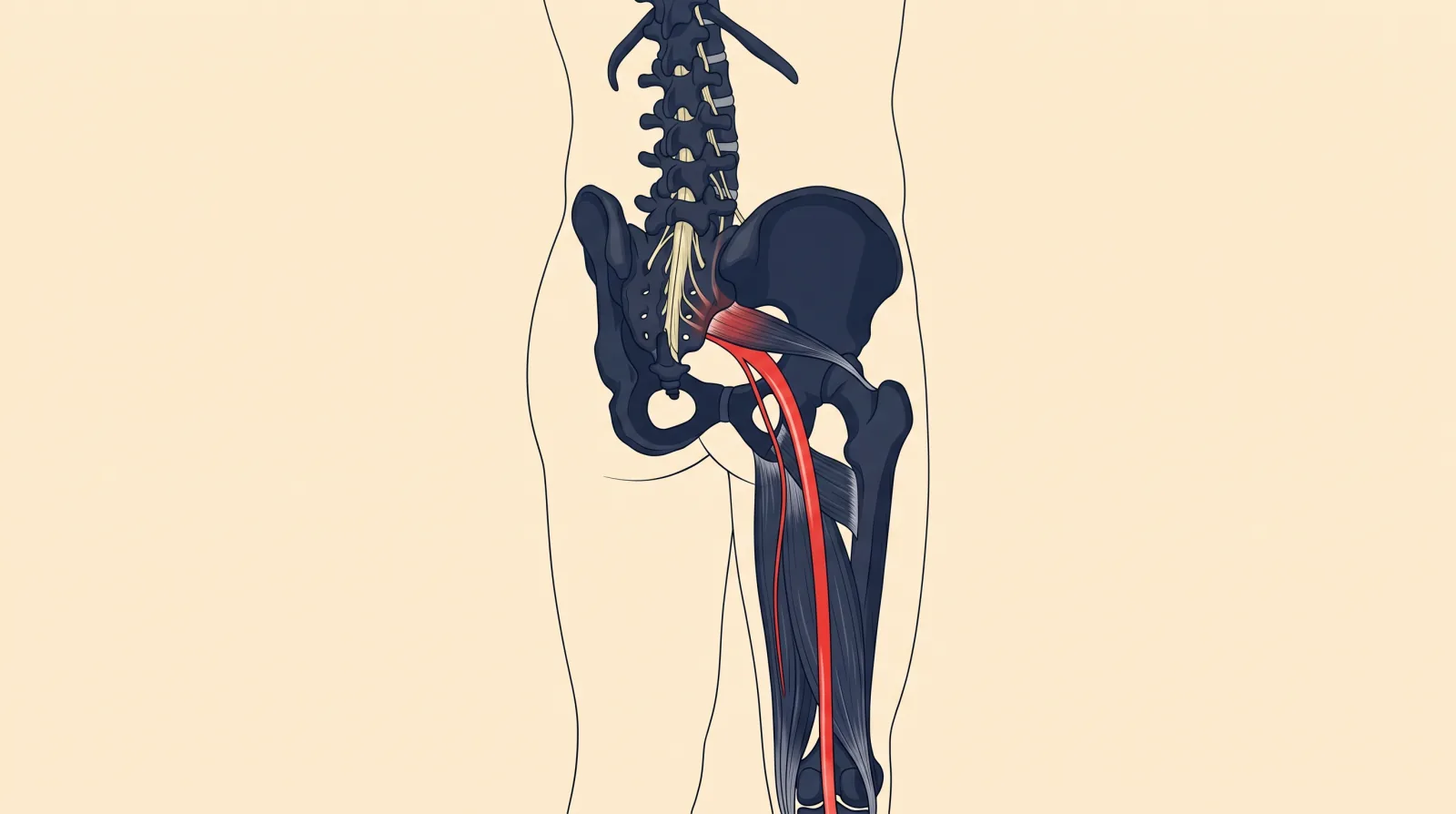
Go to an emergency department or call 911 if you develop loss of bladder or bowel control, numbness around the groin, buttocks, or inner thighs in a saddle-shaped pattern, or new weakness in both legs. Together these can point to a rare but serious condition called cauda equina syndrome, where nerves at the bottom of the spine are compressed, and it needs emergency assessment. HealthLinkBC's low back pain information lists these same warning signs.
Also seek prompt medical review, though not necessarily emergency, for back pain that comes with fever, unexplained weight loss, a history of cancer, a recent significant injury or fall, or pain that is severe and steadily getting worse rather than easing. These features are uncommon, but they are worth knowing so you can act quickly if they show up.
Getting back to normal activity
Once the sharpest pain starts to ease, usually within the first several days for most flares, the aim is a gradual return to your normal activities rather than a cautious, permanent step down. Recovery is not a straight line. A bad day after a good one is normal and does not mean you have reinjured anything. It usually just means the load was a bit much that day.
If your flare involves lifting, or you are worried about getting back to the gym, the path back is the same idea applied to load: start below your previous level and build up. We lay this out in our post on returning to lifting after back pain. Avoiding lifting forever is not the goal and tends to leave the back weaker and more flare-prone.
When to get it assessed
If your back flare is not improving at all over a couple of weeks, if it keeps coming back, or if pain travels down a leg with numbness, tingling, or weakness, an assessment can sort out what is driving it and build a plan to settle it and stop it returning. And if any of the red flag signs above appear, that is emergency care, not physio.
Book a 30-minute appointment and we will assess your back, rule out the warning signs, give you a clear pacing and movement plan for the flare, and help you get back to normal activity without the fear that keeps so many backs sore for longer than they need to be.
This article is general information about low back pain. It is not personal medical advice. A regulated practitioner can confirm whether the patterns described apply to you.
Sources
- Evidence-Informed Primary Care Management of Low Back Pain, 3rd Edition - Institute of Health Economics (Alberta clinical practice guideline)
- HealthLinkBC - Low Back Pain
- College of Physical Therapists of BC (CPTBC)
Common questions
Frequently asked questions.
Should I rest or stay active with acute low back pain?
Stay active within what the pain allows. Current guidelines advise against bed rest for acute low back pain, because lying still for long periods tends to make it stiffer and slower to settle. Keep doing gentle, normal movement, walk a little, change positions often, and avoid the movements that sharply spike the pain. If you must rest, keep it short, ideally no more than a day or two, and get moving again as soon as you can.
How long does an acute low back pain flare last?+
Most acute low back pain flares settle over days to a few weeks, though the exact timeline depends on the person and the cause. The sharp early pain often eases within the first several days once you keep moving and manage the load. Recovery is rarely a straight line, and a bad day after a good one does not mean something is wrong. If the pain is not improving at all over a couple of weeks, it is worth an assessment.
Should I use heat or ice for a back flare?+
Either can be used for short-term comfort, and there is no strong reason to fear getting it wrong. Many people find heat more soothing for a stiff, achy back, and it can help muscles relax enough to move. Ice is fine if it feels better to you. Neither speeds up the actual healing much, so use whichever makes it easier to keep moving, which is the part that matters.
What are the red flags with low back pain that mean I should go to emergency?+
Go to emergency or call 911 if you develop loss of bladder or bowel control, numbness around the groin, buttocks, or inner thighs (a saddle pattern), or new weakness in both legs. These can be signs of a rare but serious problem called cauda equina syndrome that needs urgent care. Also seek prompt medical review for back pain with fever, unexplained weight loss, a recent significant injury, or pain that is severe and steadily worsening.
What should I avoid doing during a back flare?+
Avoid long periods of bed rest, staying frozen in one position out of fear, and pushing hard through movements that sharply spike the pain. Avoid the belief that your spine is damaged or fragile, because fear and guarding tend to make back pain worse and last longer. You do not need to avoid all movement or bending forever. The aim is gentle, paced activity, not total shutdown.
Share this post
Copies a ready-to-publish LinkedIn post to your clipboard and opens the LinkedIn share dialog. Paste the text into the composer and publish.
Written by
Medstar Sport Physio Team
Registered clinician at Medstar Sport Physio & Health, North Vancouver.
This article is for general information only and does not constitute medical advice, diagnosis, or treatment. Individual presentations vary, and assessment findings and treatment plans differ from person to person. If you are experiencing severe symptoms, neurological changes (numbness, weakness, bowel or bladder changes), or a significant trauma, contact your physician or emergency services. Care at Medstar Sport Physio & Health is provided by practitioners registered with their respective British Columbia regulatory colleges.
Filed under
- low-back-pain
- acute-back-pain
- back-flare
- back-pain-red-flags
- stay-active
- north-vancouver