Runner's Knee (Patellofemoral Pain): What It Is and What Actually Settles It
Runner's knee is a vague ache around or behind the kneecap that flares with running, stairs, and long sits. Here is how it differs from other running knee pain, and what actually helps.
BY MEDSTAR SPORT PHYSIO TEAM
Runner's knee is one of the most common reasons runners come in with a sore knee. The pain sits around or behind the kneecap, it is often hard to point to exactly, and it flares with running, stairs, squatting, and long sits. People usually arrive worried that something is torn or worn out. In most cases it is a load problem, not a damage problem, and that changes what actually helps.
Runner's knee, also called patellofemoral pain, is a vague ache around or behind the kneecap that gets worse with running, stairs, squatting, and sitting for a long time with the knee bent. It is usually a load problem, meaning the knee is being asked to do more than it can currently handle, rather than a sign of lasting damage. At Medstar Sport Physio in North Vancouver, the plan that works best combines managing how much you run in the early weeks with strengthening the hip and the knee together, which the evidence supports over knee exercises alone.
What runner's knee actually is
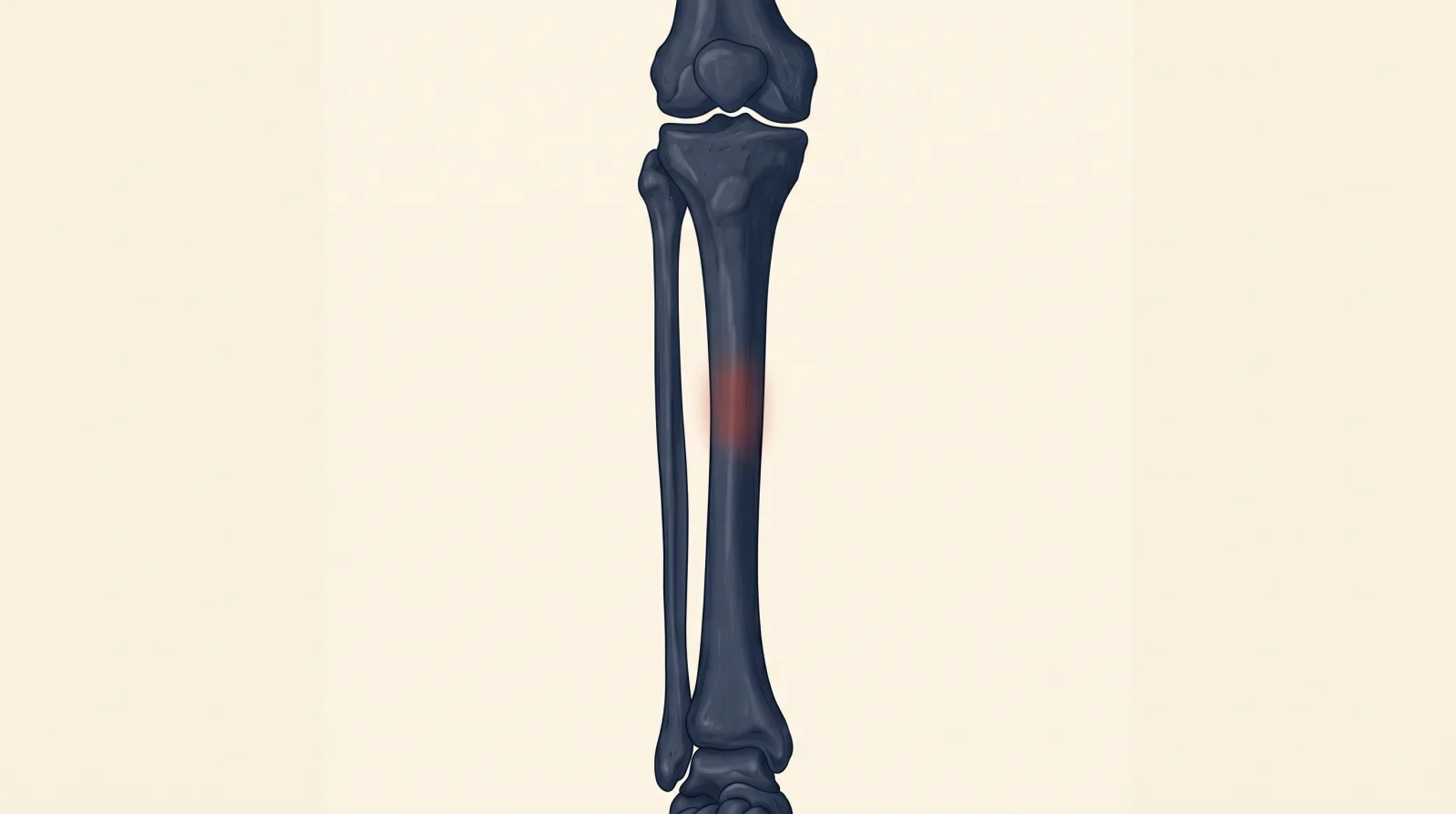
Runner's knee is the everyday name for patellofemoral pain. The patellofemoral joint is where the kneecap (the patella) glides in a groove at the end of the thigh bone (the femur) every time you bend and straighten the knee. When that area gets irritated, you feel pain around the front of the knee or behind the kneecap.
The pain is usually a dull ache rather than a sharp point, and it is often hard to put one finger on. It tends to show up when the joint is under load with the knee bent: running, especially downhill, going up or down stairs, squatting, and sitting for a long time with the knee bent, which some people call the "theatre sign." The knee often feels fine at rest and then complains when you ask it to work.
The key idea is that this is usually a problem of load and capacity, not structural damage. The joint is being asked to do more than it can currently tolerate. That framing matters, because it points the treatment toward building capacity rather than protecting a knee that is not actually injured.
Why it is not IT band syndrome
Runners often mix up runner's knee with iliotibial band syndrome, because both are common and both hurt with running. The pain location is the main thing that separates them. Runner's knee is felt at the front of the knee or behind the kneecap, and it is often vague. IT band syndrome gives sharp pain on the outer side of the knee, often coming on at a fairly set point into a run and easing when you stop.
They are different problems with different pain patterns, but they share a lot of the same background factors, including how the hip controls the leg during running. That is why an assessment sorts out which one you are dealing with, and why the plans overlap more than you might expect. If your pain sits clearly on the outer knee rather than the front, our write-up on IT band syndrome in runners and cyclists is the better starting point.
Why it is not patellar tendinopathy
The other common mix-up is with patellar tendinopathy, sometimes called jumper's knee. Again, location is the clue. Patellar tendon pain is very localised, felt right at the tendon just below the kneecap, and you can usually press on that exact spot and reproduce it. Runner's knee is more diffuse and sits around or behind the kneecap rather than in one pinpoint spot below it.
Tendinopathy also tends to be linked to jumping and heavy loading sports more than steady-distance running, and it responds to a specific kind of slow, heavy strengthening. If your pain is a sharp point just below the kneecap that lights up with jumping or heavy squats, read our post on treating patellar tendinopathy with heavy slow resistance. Telling these apart matters because the loading programs are set up differently.
Load management: the part people skip
The most common mistake with runner's knee is trying to fix it with rest alone. Rest lowers the pain in the short term, but it also lowers how much load the knee can tolerate. So when you return to the same running volume, the knee is now less capable than before and flares even faster. That cycle convinces people the knee is fragile, when the real issue was the swing between too little and too much.
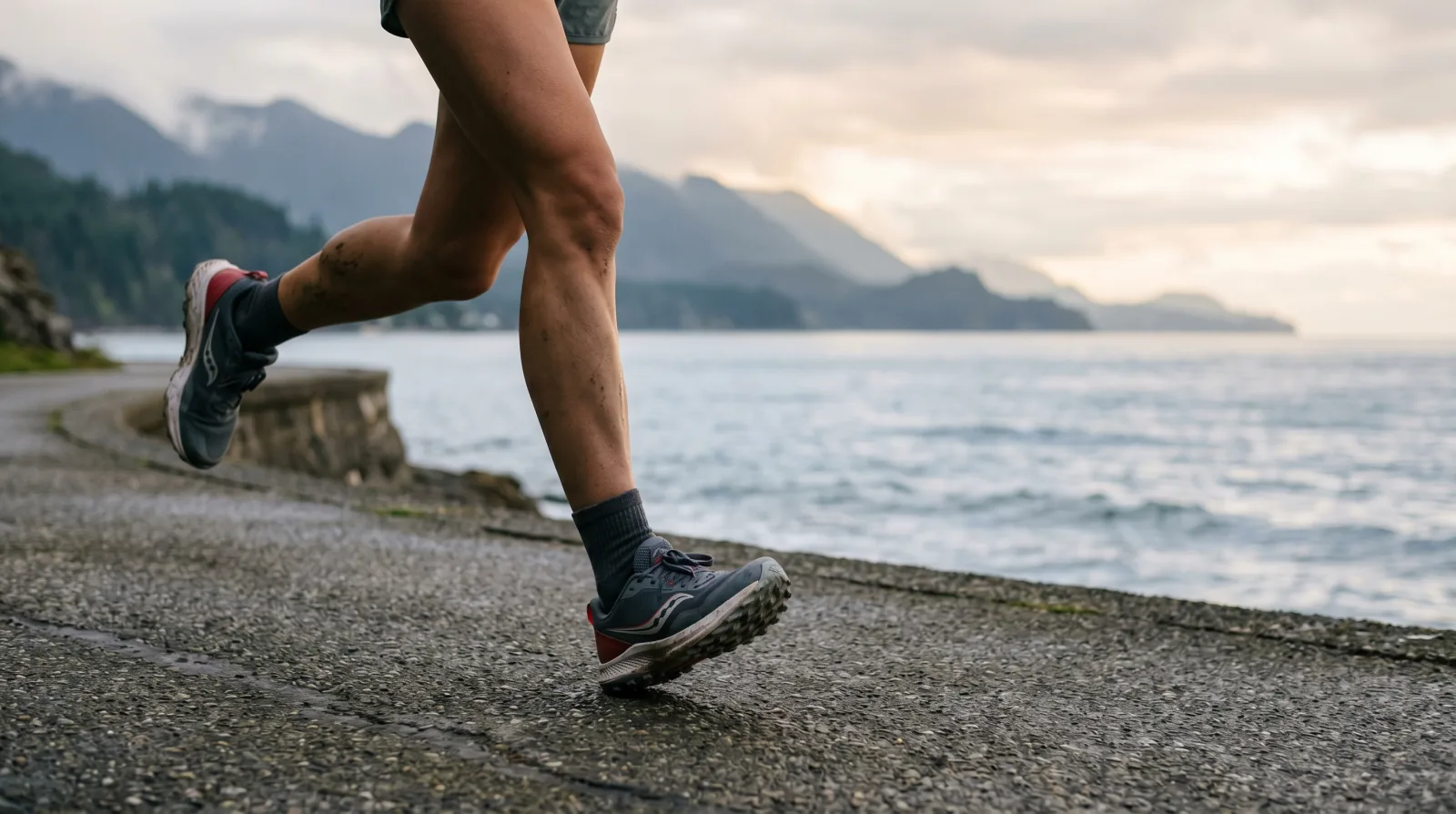
The better approach is to keep the knee working at a level that stays below the flare threshold. In practice that usually means reducing running volume rather than stopping, and choosing surfaces and gradients that provoke less pain in the early weeks. Downhill running loads the patellofemoral joint hard, so cutting steep descents often helps quickly.
Some ache during and after a run is acceptable as long as it settles and does not steadily climb from session to session. We use that response to set the dose. If the knee is calm the next morning, the load was about right. If it is worse and staying worse, the dose ran ahead of the current capacity and we pull it back.
Strengthening the hip and the knee together
Reducing load buys room, but strengthening is what rebuilds capacity so you can run more without the flare coming back. The evidence here is clear and specific. A JOSPT clinical practice guideline on patellofemoral pain found that a combined program targeting the hip and the knee reduced pain and improved function better than strengthening the knee muscles alone.
The hip part surprises people. The hip muscles, especially the ones on the outside and back of the hip, control how the leg lines up every time the foot lands. When they fatigue or lack strength, the knee tends to fall inward under load, which increases stress on the kneecap joint. Building hip strength gives the knee a more controlled position to work in.
The knee part is the more obvious half: strengthening the quadriceps so the muscles around the kneecap can share the load the joint is asking of them. A good program builds both, progresses the difficulty as the knee tolerates it, and is matched to what you need to get back to.
Where gait and shoes fit
Some runners benefit from changes to how they run. The same guideline notes that gait retraining can help, including cues to increase running cadence, which tends to reduce the load on the knee per stride, and cues to reduce the amount the hip drops inward. These are not quick fixes and they take repetition, but for the right runner they change the load pattern that keeps aggravating the knee. If you want to see how we look at this, our post on running gait analysis on the North Shore trails walks through it.
Shoe inserts you can buy off the shelf may help settle kneecap pain in the early weeks for some people, according to the same guideline, though they are a supporting tool rather than the main treatment. The guideline also advises against relying on braces, sleeves, or straps as a fix. The core of recovery is still load management and strengthening.
When to get it assessed
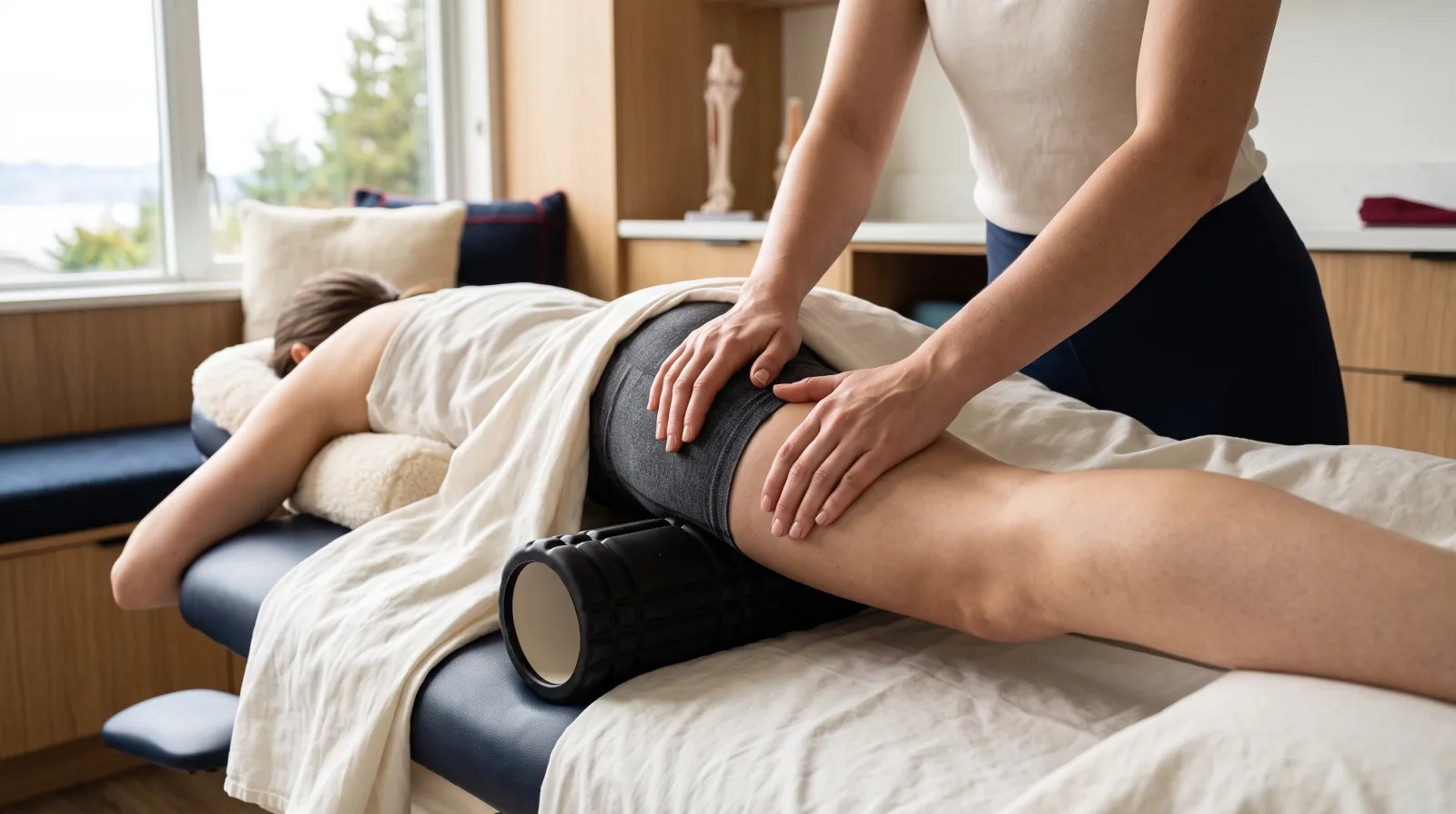
If you have knee pain around or behind the kneecap that flares with running, stairs, or squatting and has not settled with a sensible cut in training, an assessment sorts out whether it is runner's knee or one of the conditions it gets confused with, and builds a plan matched to your running. It is worth being seen sooner if the knee locks, gives way, or swells noticeably, or if the pain followed a specific twist or impact, because those features point to something other than simple patellofemoral pain.
Book a 30-minute appointment and we will assess your knee and hip, sort out what is driving the pain, and build a load and strengthening plan that keeps you running while the knee rebuilds its tolerance.
This article is general information about knee pain. It is not personal medical advice. A regulated practitioner can confirm whether the patterns described apply to you.
Sources
- Patellofemoral Pain: Clinical Practice Guidelines (JOSPT, 2019)
- Patellofemoral Pain: Using the Evidence to Guide Physical Therapist Practice (JOSPT, 2019)
- Patellar tendinopathy vs patellofemoral pain (Health & High Performance)
- Diagnosing runner's knee (PainScience)
- College of Physical Therapists of BC (CPTBC)
Common questions
Frequently asked questions.
What is runner's knee (patellofemoral pain)?
Runner's knee, or patellofemoral pain, is pain felt around or behind the kneecap. It is usually a vague ache rather than a sharp point, and it gets worse with running, going up or down stairs, squatting, and sitting with the knee bent for a long time. It is one of the most common knee problems in runners and is usually a load problem, meaning the knee is being asked to do more than it can currently handle, rather than a sign of lasting damage.
How is runner's knee different from IT band syndrome?+
The pain location is the main clue. Runner's knee is felt around the front of the knee or behind the kneecap, and it can be hard to point to exactly. IT band syndrome gives sharp pain on the outer side of the knee, often at a set distance into a run. They are different problems, but a physiotherapist assessment sorts them out and both respond to load management and targeted strengthening.
What is the best treatment for runner's knee?+
The strongest evidence supports exercise therapy that strengthens both the hip and the knee, combined with managing how much you run in the early weeks. A JOSPT clinical practice guideline found that a program targeting hip and knee muscles together reduced pain and improved function better than knee exercises alone. Rest by itself rarely fixes it, because the knee needs to rebuild its tolerance to load.
Should I stop running with runner's knee?+
Usually you do not need to stop completely. Most runners can keep running at a reduced amount that stays below the level that flares the knee, while building strength alongside. Full rest tends to lower the knee's tolerance further, so the knee flares even sooner when you return. A graded plan that keeps you moving is usually better than complete rest.
How long does runner's knee take to recover?+
Recovery timelines depend on how long the pain has been present, how irritable the knee is, and how early strengthening starts. It is often a matter of weeks to a few months rather than days. Progress is measured against what you can do, such as running distance and stairs without a flare, not against a pain score on a single day.
Share this post
Copies a ready-to-publish LinkedIn post to your clipboard and opens the LinkedIn share dialog. Paste the text into the composer and publish.
Written by
Medstar Sport Physio Team
Registered clinician at Medstar Sport Physio & Health, North Vancouver.
This article is for general information only and does not constitute medical advice, diagnosis, or treatment. Individual presentations vary, and assessment findings and treatment plans differ from person to person. If you are experiencing severe symptoms, neurological changes (numbness, weakness, bowel or bladder changes), or a significant trauma, contact your physician or emergency services. Care at Medstar Sport Physio & Health is provided by practitioners registered with their respective British Columbia regulatory colleges.
Filed under
- runners-knee
- patellofemoral-pain
- knee-pain
- load-management
- running
- north-vancouver