Physiotherapy After Lions Gate Hospital Discharge: What to Expect
Most patients leave Lions Gate Hospital with a discharge sheet, a surgeon referral, and a lot of unanswered questions about the rehab ahead. Here is what to expect.
BY KEVIN HERTER, MPT
Lions Gate Hospital is the acute care facility for the North Shore. Every year people leave it after ACL reconstruction, hip and knee arthroplasty, rotator cuff repair, and fracture fixation, with a discharge sheet in hand, a surgeon follow-up scheduled, and instructions to start physiotherapy.
This post covers what that physiotherapy actually looks like: the first appointment, the transition from hospital to outpatient care, what insurance covers, and what the recovery involves.
At Medstar Sport Physio in North Vancouver, we regularly see patients in the first two to four weeks after discharge from Lions Gate Hospital, for ACL reconstruction, joint replacement, rotator cuff repair, and fracture care. The most important things to know are: start physiotherapy within the window your surgeon recommends, bring your discharge summary and post-op precautions, and extended health or ICBC coverage usually applies from the first outpatient appointment.
What to bring to your first outpatient appointment
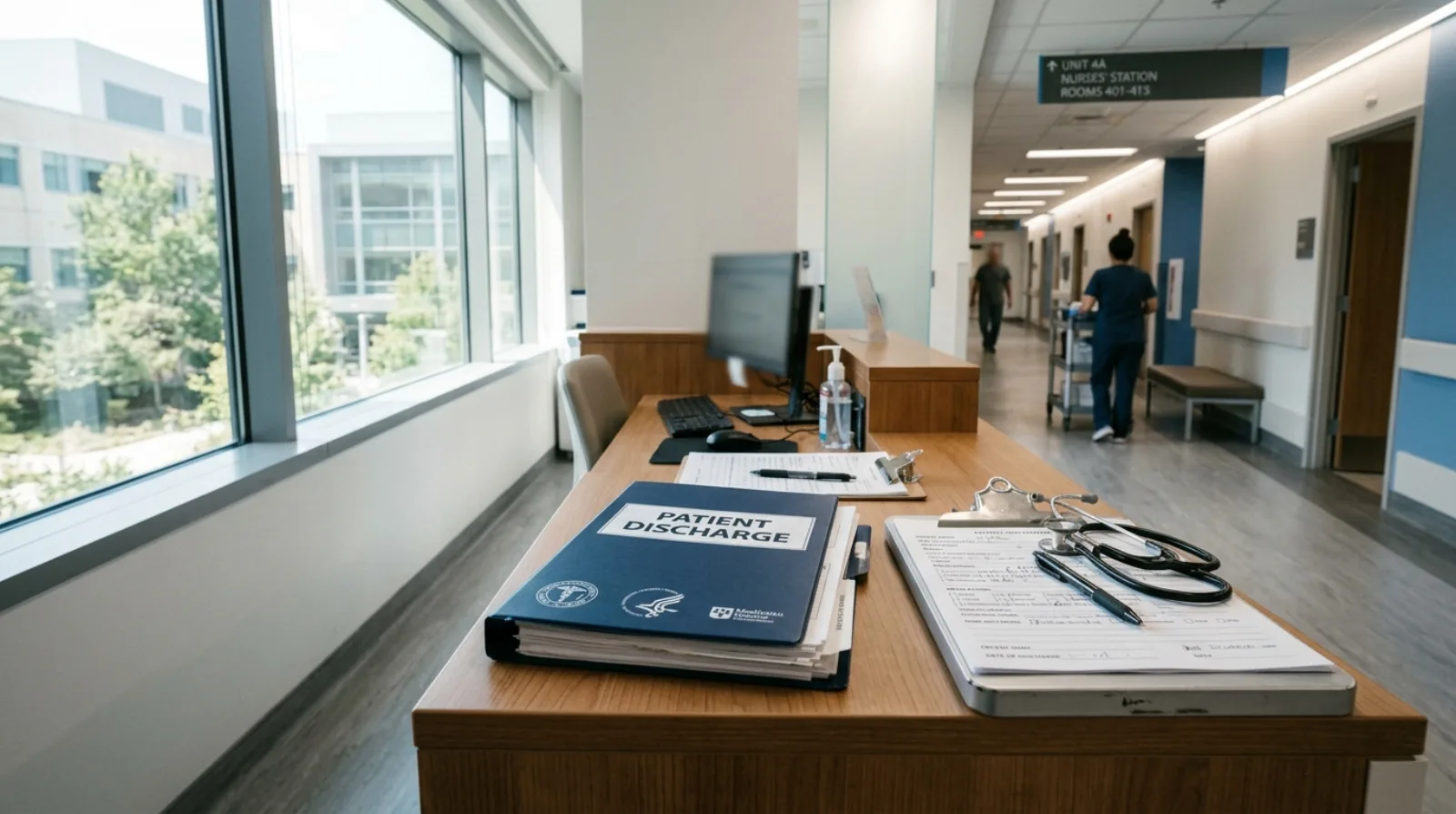
The most useful thing you can do is bring your clinical documentation to the first appointment. That means:
Your discharge summary, which lists what procedure was done, the surgeon's name, post-operative instructions, and the follow-up date. Your post-op precautions sheet, which lists weight-bearing status (partial, toe-touch, full), range of motion limits, and immobilisation requirements. These tell the physiotherapist what they can and cannot do in the early sessions. Any imaging or operative reports if you have them. Many patients do not have these at discharge, and that is fine. The surgeon's referral letter, when one has been sent to the clinic, usually contains the key detail.
Also note your surgeon's next clinic appointment date. The physiotherapist and surgical team often coordinate around it, especially if the protocol changes at the post-op visit.
You do not need a physician's referral to start physiotherapy in BC. Physiotherapy is a primary care profession under the College of Physical Therapists of BC (CPTBC), so you can book directly.
ACL reconstruction: what the first weeks of outpatient rehab involve
ACL reconstruction is among the most common elective orthopaedic procedures performed in BC, with a population that often includes younger active individuals and recreational athletes from the North Shore community.
The early post-surgical phase, typically the first two to six weeks after surgery, focuses on managing swelling and inflammation, achieving full passive knee extension (which must be a priority from day one to prevent joint contracture), regaining early range of motion in flexion, activating the quad muscles (which become inhibited after surgery and anesthesia), and beginning weight-bearing progression as the surgeon permits.
The physiotherapist works within the surgeon's protocol, which varies depending on the graft type used (patellar tendon, hamstring, or quadriceps tendon autograft, or allograft), any concomitant procedures (meniscus repair changes the weight-bearing timeline significantly), and individual patient factors.
Return-to-sport after ACL reconstruction is defined by criteria. Strength symmetry between legs, single-leg hop tests, reactive agility, and psychological readiness all factor into the return-to-play decision. This is why ACL rehab requires a sustained physiotherapy relationship over many months.
Hip and knee arthroplasty: the transition from in-hospital to outpatient
Total hip replacement (THR) and total knee replacement (TKR) are common elective procedures for advanced osteoarthritis. The in-hospital physiotherapy after these procedures typically begins the day of or the day after surgery, focusing on early mobilisation, stair safety, and confirmation that the patient can manage at home.
Outpatient physiotherapy in the community, the phase that follows discharge, builds on that early functional work. In the first weeks after a hip replacement, the physiotherapist's plan respects any hip precautions the surgeon has set (avoiding certain positions that risk prosthetic dislocation in the early healing period), and focuses on walking quality, range of motion, and strengthening the hip abductors. Modern surgical approaches (including anterior approach THR) may have fewer or no positional precautions, but that is surgeon-specific.
After a knee replacement, early range of motion is a priority, because the first few weeks are critical for achieving the flexion range that will define long-term function. Swelling management, quad activation, and progressive strengthening follow. Most patients are walking with a gait aid in the first week and transition to unassisted walking over weeks to months.
The Joint Replacement Access Clinic at Lions Gate Hospital provides pre-surgical consultation with orthopaedic specialists, and the hospital's care team handles post-operative in-hospital mobilisation. Outpatient clinics like Medstar take over the ongoing rehabilitation phase after discharge.
Rotator cuff repair: protecting the repair while rebuilding strength
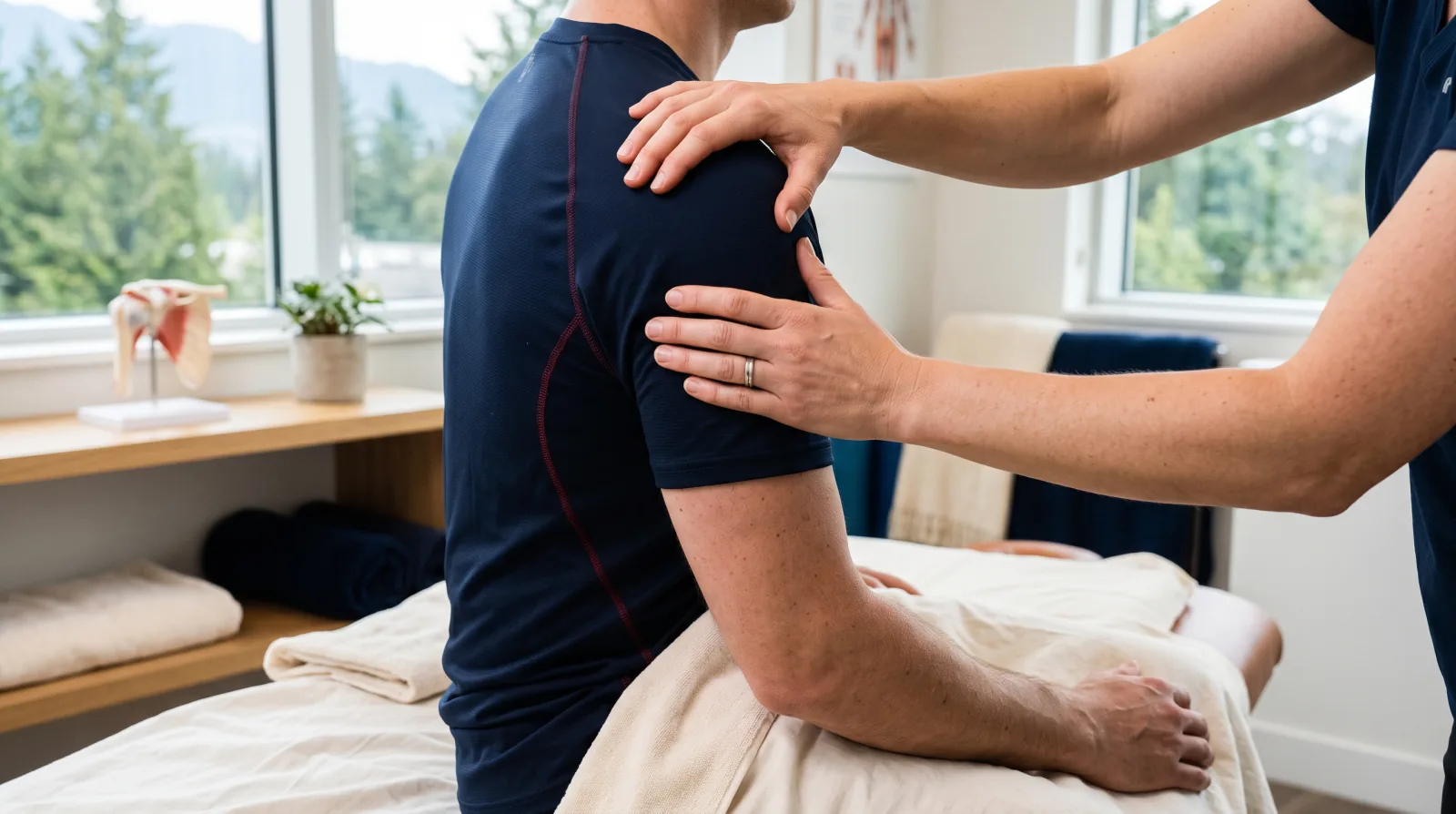
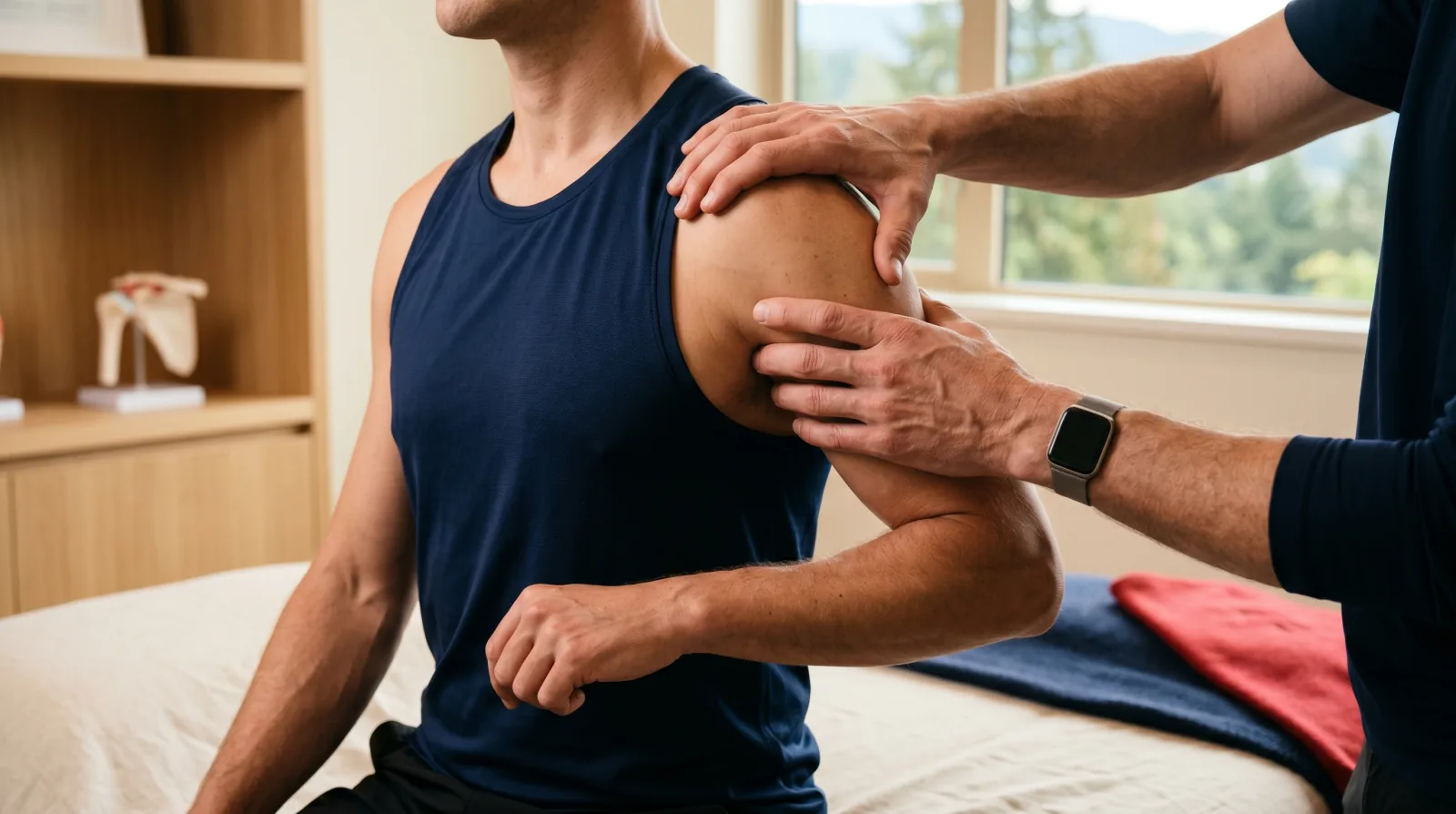
Rotator cuff repair involves surgically reattaching torn tendon tissue to the bone of the humeral head. The healing of that repair, the biological process by which the tendon integrates with bone, takes many weeks, and protecting it during that period is the central challenge of early post-surgical physiotherapy.
For the first four to eight weeks (depending on the tear size and repair technique, per the surgeon's protocol), the arm is typically in a sling and active movement is restricted. Physiotherapy in this phase focuses on pain management, passive range of motion within surgeon-approved limits, and exercises for the elbow, wrist, and hand to prevent stiffness downstream.
Active strengthening of the repaired rotator cuff typically begins later, on the surgeon's timeline. Premature loading of the repair site is one of the most common sources of re-tear, which is why adherence to the protocol and close communication between the physiotherapist and surgeon's team matters.
The final phase of rotator cuff rehab requires patience: progressive strengthening, functional loading, and return to overhead activities or sport. Tissue maturation after a rotator cuff repair takes months, and return to full function typically ranges from several months to over a year for large or complex tears.
Fracture care: weight-bearing and functional restoration
Fractures managed at Lions Gate Hospital follow a range of treatment pathways: operative fixation (plates, screws, rods, or intramedullary nailing), conservative management (cast or splint), or a combination. The physiotherapy needs after fracture care depend on the fracture site, the treatment approach, and the patient's functional goals.
The surgeon's weight-bearing instructions are the central constraint for lower limb fractures. They range from non-weight-bearing through partial to full weight-bearing, and the progression is tied to radiographic healing rather than symptom resolution alone. The physiotherapist works within this framework, focusing on maintaining range of motion above and below the fracture site, managing swelling, and preparing for the weight-bearing transitions the surgeon authorizes.
Common North Shore fracture presentations we see post-Lions Gate include distal radius fractures (wrist fractures, often from a fall on an outstretched hand), ankle fractures, and proximal humerus fractures. Each has a specific protocol and timeline that depends on the fracture pattern and fixation method.
How insurance works for post-surgical physio
For most patients, extended health benefits through a workplace plan or individual coverage apply to outpatient physiotherapy after surgery. Most major BC insurers include physiotherapy, among them Pacific Blue Cross, Sun Life, Manulife, Green Shield, and Great-West Life. Direct billing means you do not pay upfront at the clinic and wait for reimbursement; the clinic bills the insurer directly.
If your surgery was a consequence of a motor vehicle accident, ICBC Enhanced Care includes post-surgical physiotherapy as part of the recovery plan. You will need your ICBC claim number.
If your surgery followed a workplace injury, WorkSafeBC covers physiotherapy with an approved claim.
If you are unsure what your coverage includes or how to activate it, the administrative team at our clinic can help clarify the billing process for your specific situation.
Book your post-discharge assessment at medstar.janeapp.com or call (604) 988-5411. We are at 1325 Marine Drive, North Vancouver, a short drive from Lions Gate Hospital. Bring your discharge summary and any post-operative precautions, and we will build the plan from there.
This article is general information about post-surgical physiotherapy following discharge from Lions Gate Hospital. It is not personal medical advice and is not affiliated with or endorsed by Vancouver Coastal Health. A regulated practitioner can confirm whether the patterns described apply to you.
Sources
- College of Physical Therapists of BC (CPTBC)
- Joint Replacement Access Clinic at Lions Gate Hospital, Vancouver Coastal Health
- Intensive Rehabilitation Outpatient Program (IROP), Vancouver Coastal Health
- ICBC. Getting Treatment After a Crash
Common questions
Frequently asked questions.
How soon should I start physiotherapy after surgery at Lions Gate Hospital?
The timing depends on the procedure. For most orthopaedic surgeries (ACL reconstruction, hip and knee arthroplasty, rotator cuff repair) the surgeon's discharge instructions or clinic notes will specify when to begin outpatient physiotherapy. In many cases it is within the first one to two weeks post-discharge. Starting within the recommended window matters for range of motion recovery and for preventing the muscle atrophy that follows surgical immobilisation.
Will I receive a physiotherapy referral from Lions Gate Hospital?+
Discharge from Lions Gate often includes a referral to outpatient physiotherapy, particularly after elective orthopaedic surgery. Most orthopaedic surgery patients are referred directly to outpatient clinics in the community. Bring any referral paperwork, post-operative precautions sheet, and your discharge summary to the first physiotherapy appointment.
Does extended health insurance cover post-surgical physiotherapy?+
Most BC extended health plans include physiotherapy coverage. Whether that coverage includes post-surgical rehab and at what level depends on your specific plan. Direct billing is available at our clinic, which means you do not pay upfront and wait for reimbursement. If your surgery followed a motor vehicle accident, ICBC Enhanced Care covers post-surgical physiotherapy as part of your recovery plan.
What should I bring to my first physiotherapy appointment after surgery?+
Bring your discharge summary or surgeon's post-operative notes, any post-operative precautions (weight-bearing restrictions, range of motion limits, immobilisation instructions), imaging reports if you have them, and your extended health or ICBC claim information. The more information your physiotherapist has about the specific procedure, the better the initial plan.
Does VCH offer in-hospital rehabilitation programs for orthopaedic surgery patients?+
Vancouver Coastal Health runs several outpatient rehabilitation programs, but its Intensive Rehabilitation Outpatient Program (IROP) is for adults with neurological conditions such as stroke, brain injury, or multiple sclerosis, not for routine orthopaedic recovery. Most patients discharged after ACL reconstruction, joint replacement, or rotator cuff repair go straight from hospital discharge to outpatient community physiotherapy, which is where a clinic like Medstar takes over.
Do I need a doctor's referral to start physiotherapy in BC?+
No. Physiotherapy in BC is a primary care profession under the College of Physical Therapists of BC (CPTBC). You can book directly without a physician's referral. However, your surgeon's post-operative notes and any referral paperwork they provide are clinically valuable for your physiotherapist to receive, even though they are not a requirement to begin.
Share this post
Copies a ready-to-publish LinkedIn post to your clipboard and opens the LinkedIn share dialog. Paste the text into the composer and publish.
Written by
Kevin Herter, MPTKevin Herter is a Registered Massage Therapist in North Vancouver focused on root-cause treatment and long-term wellness. Sport, therapeutic and rehabilitation-focused massage.
This article is for general information only and does not constitute medical advice, diagnosis, or treatment. Individual presentations vary, and assessment findings and treatment plans differ from person to person. If you are experiencing severe symptoms, neurological changes (numbness, weakness, bowel or bladder changes), or a significant trauma, contact your physician or emergency services. Care at Medstar Sport Physio & Health is provided by practitioners registered with their respective British Columbia regulatory colleges.
Filed under
- post-surgical
- lions-gate-hospital
- north-vancouver
- ACL
- joint-replacement
- rotator-cuff
- physiotherapy-after-surgery