Tension Headache or Neck Headache? Why the Difference Changes the Treatment
Not all headaches are the same, and two common types can feel alike. Telling a tension headache from a neck-driven one changes what actually helps.
BY SANAZ DAVARIAN, PHD
Headaches are so common that we tend to lump them all together, reach for a painkiller, and carry on. But not all headaches are the same, and two of the most common types, tension-type and cervicogenic, can feel similar while needing different treatment. Telling them apart matters, because one of them responds genuinely well to physiotherapy, and many people who have written off their headaches never realize it.
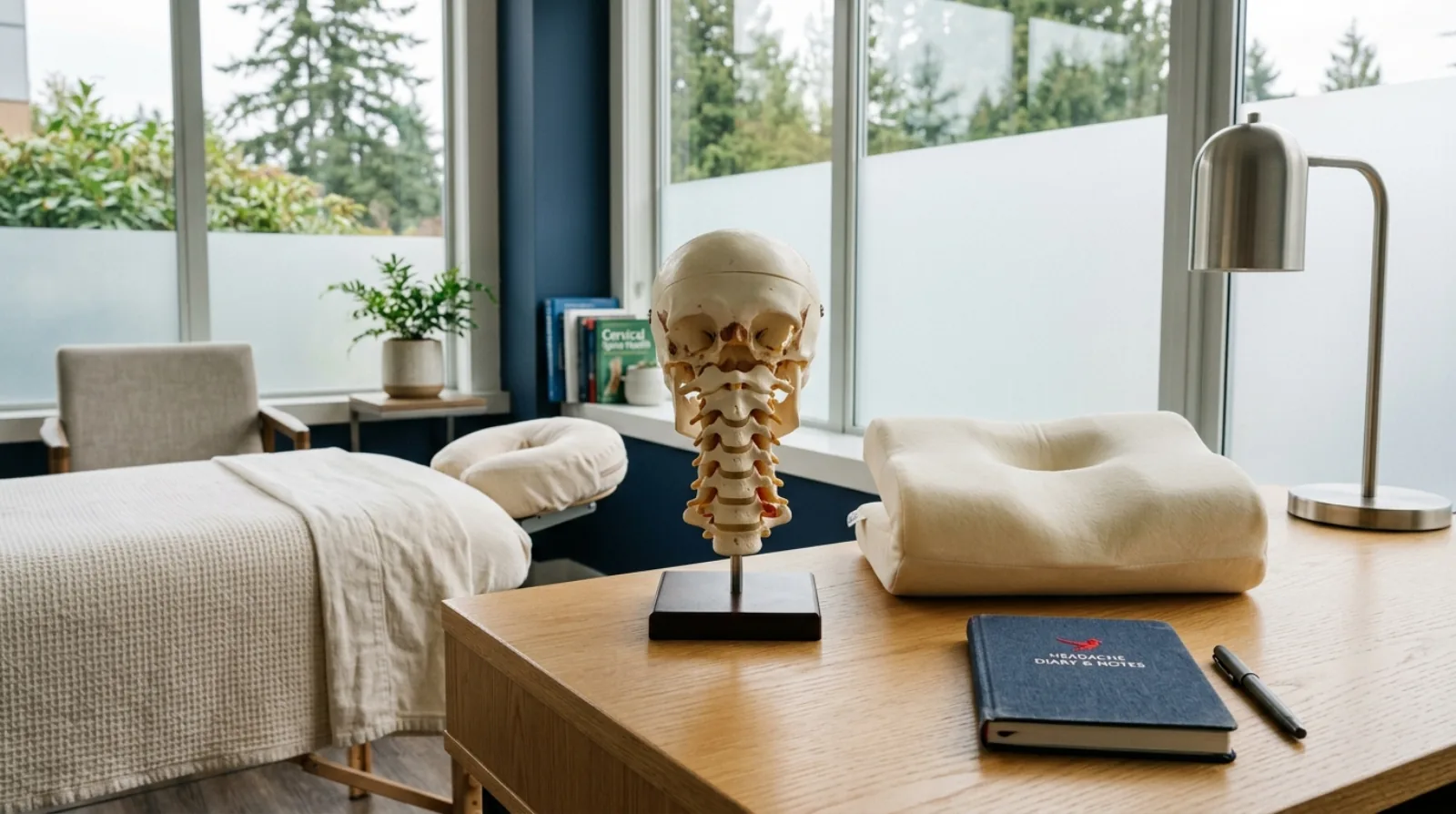
Tension-type headaches and cervicogenic headaches can feel very similar, but they have different sources and need different treatment. A tension headache is typically felt as pressure on both sides of the head. A cervicogenic headache originates from the neck, usually on one side, often starting at the base of the skull and spreading forward, and is worsened by neck movement or sustained postures. The neck-driven type responds well to neck-focused physiotherapy, including manual therapy and specific exercises for the upper cervical spine. At Medstar Sport Physio in North Vancouver, accurate assessment comes first, because treating the wrong type tends to give no result. Some headaches also need a doctor rather than a physiotherapist, which is why the assessment screens for warning signs before any treatment begins.
Two common headaches that feel alike
Tension-type headache is the most common kind. It typically feels like a band of pressure or tightening around the head, often on both sides, and is linked to muscle tension and stress. It usually does not have the throbbing, one-sided, nausea-and-light-sensitivity pattern of a migraine.
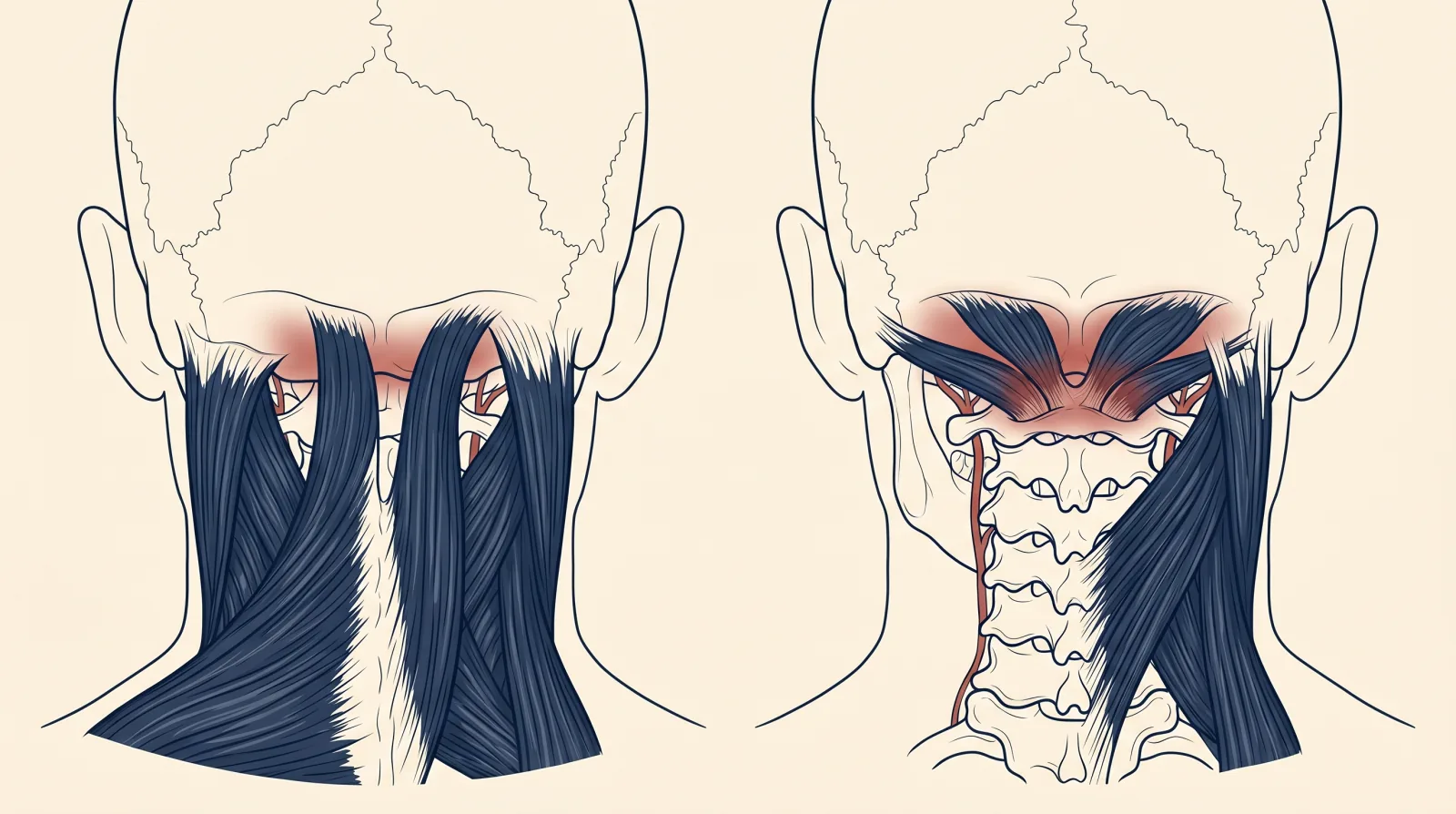
Cervicogenic headache originates from the neck. It is usually felt on one side, often starting at the base of the skull and spreading forward over the head, and it is characteristically triggered or worsened by neck movement, certain head positions, or sustained postures like long desk work. The pain is referred from the neck into the head, which is why it can be mistaken for other headache types.
These two overlap in how they feel, and they can even coexist, which is why an assessment is what sorts them out. They sit within the broader category of headaches we assess and treat.
Why the neck causes headaches
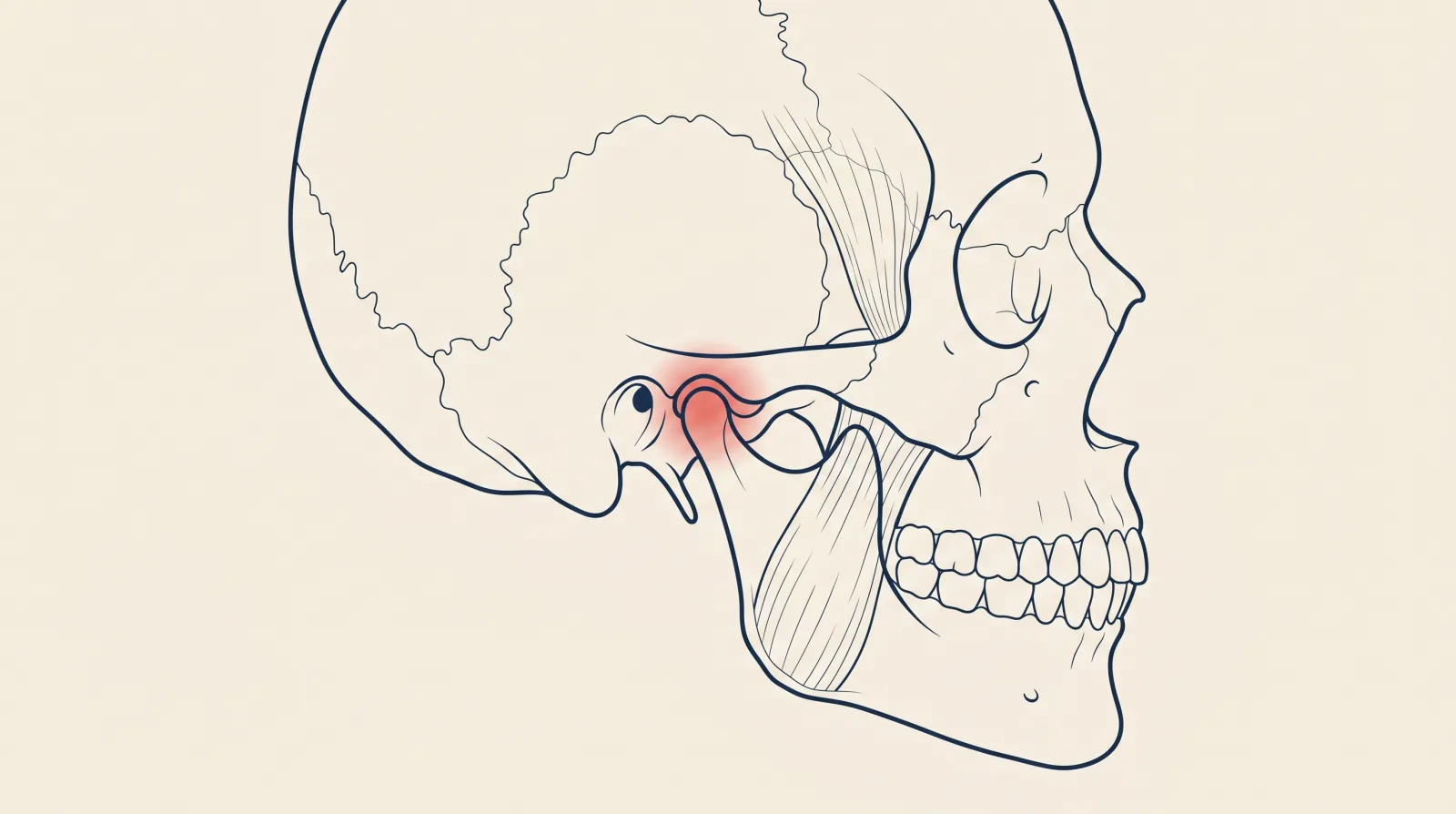
The key to understanding cervicogenic headache is that the upper neck shares nerve connections with the head. The nerves serving the upper cervical joints and the nerves serving parts of the head converge, so the brain can interpret a problem in the upper neck as pain in the head. Stiff upper-neck joints, sustained static postures, and muscle tension can all drive this referral.
This is the same neck-head relationship that explains the cervicogenic headache from desk and neck strain we see so often in screen-heavy work. Because the source is the neck, treating the neck is what relieves the headache, which is precisely why physiotherapy has a strong role here.
How physiotherapy helps
For cervicogenic headaches, treatment is neck-focused and effective:
- Manual therapy to address stiffness and sensitivity in the upper-neck joints that refer pain into the head.
- Specific neck exercises to restore movement and build the strength and endurance of the deep neck muscles that support good posture.
- Posture and ergonomic guidance for the sustained positions, particularly desk and screen work, that load the neck.
Physiotherapy also frequently helps tension-type headaches that have a significant neck and muscle component, because addressing the neck and shoulder muscle tension reduces a contributing factor. It is not a fit for every headache, which is exactly why identifying the type comes first, but for neck-driven and neck-involved headaches it offers a real, drug-free option that many people are never offered.
The role of posture, in proportion
Posture and sustained positions do contribute, particularly the prolonged static postures of desk and screen work that load the neck and shoulder muscles for hours at a time. But it is worth keeping this in proportion. Headaches are usually multifactorial, with stress, sleep, hydration, and other factors involved alongside any neck contribution.
So while we address the neck and muscle factors that physiotherapy can influence, and posture is genuinely one of those, we do not pretend that fixing your desk setup alone will resolve every headache. It is one piece of a larger picture, and we treat it as such.
The warning signs that need a doctor
Most tension and cervicogenic headaches are not dangerous, but certain features signal something that needs medical attention rather than physiotherapy. Seek medical care for:
- A sudden, severe headache unlike any you have had before.
- A headache with fever and a stiff neck.
- A headache with neurological symptoms such as weakness, numbness, vision changes, slurred speech, or confusion.
- A headache after a significant head injury.
- A new headache pattern emerging in later life.
These can signal serious conditions and need prompt medical assessment. Part of a good headache assessment is screening for exactly these features, so that the headaches which need a physician get directed there, and the neck-driven ones that physiotherapy can help are treated appropriately.
When to get it assessed
If you have recurring headaches, especially ones that start at the base of your skull, sit on one side, or worsen with neck positions and desk work, an assessment can identify whether your neck is a source and build a plan to treat it. Many people who assume their headaches are simply something to endure have a treatable neck contribution. If your headache has any of the warning features above, see a physician first.
Book a 30-minute appointment and we will assess your neck and headache pattern and build a plan to reduce the headaches at their source.
This article is general information about tension-type and cervicogenic headaches. It is not personal medical advice. The warning features described require medical assessment. A regulated practitioner can confirm whether the patterns described apply to you.
Sources
- Jull et al., A randomized controlled trial of exercise and manipulative therapy for cervicogenic headache, Spine (2002)
- International Headache Society: International Classification of Headache Disorders, 3rd edition (ICHD-3)
- College of Physical Therapists of BC (CPTBC)
Common questions
Frequently asked questions.
What is the difference between a tension headache and a cervicogenic headache?
A tension-type headache typically feels like a band of pressure around the head, often on both sides, and is linked to muscle tension and stress. A cervicogenic headache originates from the neck, usually felt on one side, starting at the base of the skull and spreading forward, and is often triggered or worsened by neck movement or sustained postures. The neck-driven type responds well to neck-focused physiotherapy.
Can physiotherapy help headaches?+
Yes, particularly for cervicogenic headaches that originate from the neck, and often for tension-type headaches with a significant neck and muscle component. Treatment addresses neck stiffness and sensitivity, posture and muscle factors, and the movement and strength of the neck. It is not a fit for every headache type, which is why identifying the kind of headache comes first.
Why does my neck cause headaches?+
The upper neck shares nerve connections with the head, so problems in the upper cervical joints and muscles can refer pain into the head, producing a cervicogenic headache. Stiff upper-neck joints, sustained postures like long desk work, and muscle tension can all drive this. Because the source is the neck, treating the neck is what relieves the headache.
Are tension headaches caused by my posture?+
Posture and sustained positions can contribute, particularly the prolonged static postures of desk and screen work, which load the neck and shoulder muscles. But headaches are usually multifactorial, with stress, sleep, and other factors involved too. We address the neck and muscle contributors that physiotherapy can influence while recognizing that posture is one piece of a larger picture.
When should a headache be checked by a doctor?+
Seek medical attention for a sudden severe headache unlike any before, a headache with fever and stiff neck, with neurological symptoms like weakness, vision changes, or confusion, after a significant head injury, or a new headache pattern in later life. These can signal something serious. Most tension and cervicogenic headaches are not dangerous, but new or alarming features need a doctor.
What happens at a first physiotherapy visit for headaches?+
The physiotherapist asks where the headache starts, whether it is one-sided or on both sides, and what brings it on or eases it, then tests neck movement and screens for the warning features that need a doctor instead. Part of the assessment checks whether moving or positioning your neck reproduces your usual headache, which helps confirm whether it has a cervicogenic component.
How is a cervicogenic headache different from a migraine?+
A cervicogenic headache starts at the base of the skull, is usually one-sided, and is triggered or worsened by neck movement or sustained postures. A migraine is a different, more intense pattern with throbbing pain, nausea, and light and sound sensitivity, and it is a neurological condition rather than a neck problem. Both can be one-sided, so an assessment that tests the neck helps tell them apart.
Can desk work cause cervicogenic headaches?+
Yes, sustained desk and screen postures held for hours can load the neck and shoulder muscles and stiffen the upper-neck joints, which can trigger a cervicogenic headache in people prone to it. Posture is one contributor among several, alongside stress and sleep, so addressing desk setup and movement habits is part of the plan rather than the whole fix.
Share this post
Copies a ready-to-publish LinkedIn post to your clipboard and opens the LinkedIn share dialog. Paste the text into the composer and publish.

Written by
Sanaz Davarian, PhDDr. Sanaz Davarian is a Registered Physiotherapist with a PhD and 20+ years of experience. Certified IMS Therapist, former Assistant Professor of Physiotherapy. North Vancouver.
This article is for general information only and does not constitute medical advice, diagnosis, or treatment. Individual presentations vary, and assessment findings and treatment plans differ from person to person. If you are experiencing severe symptoms, neurological changes (numbness, weakness, bowel or bladder changes), or a significant trauma, contact your physician or emergency services. Care at Medstar Sport Physio & Health is provided by practitioners registered with their respective British Columbia regulatory colleges.
Filed under
- headaches
- tension-headache
- cervicogenic
- neck
- north-vancouver