Pickleball Injuries on the North Shore: The New Sport's Most Common Aches
Pickleball is the fastest-growing sport on the North Shore, and it is filling our clinic. The injuries are predictable, and so is the way to avoid most of them.
BY AMIR AHMADI, PHD
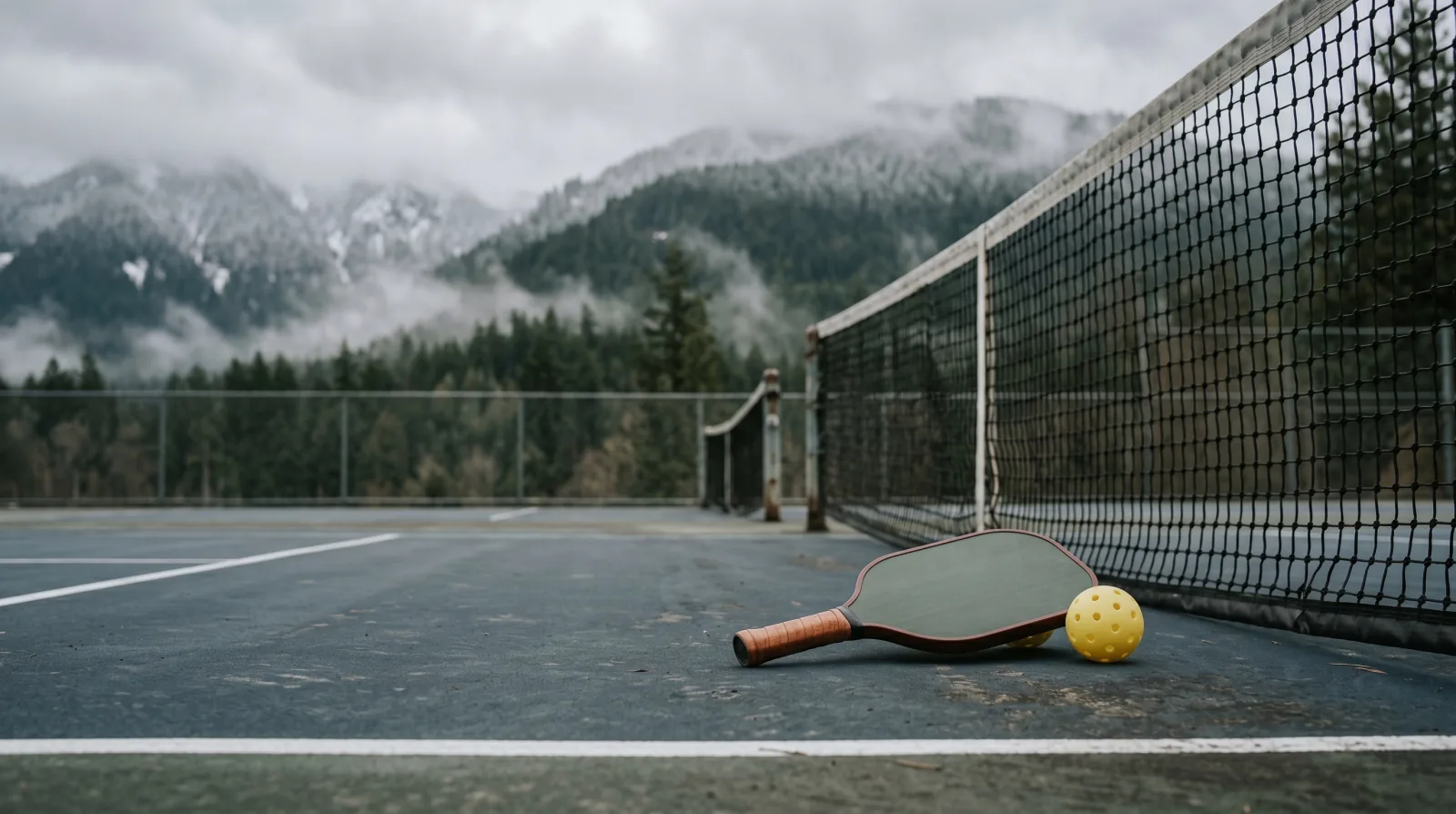
Pickleball has become the fastest-growing sport on the North Shore, and the courts at our local rec centres and parks are busier than ever. It is fun, social, and a genuinely good way to stay active. It is also filling our clinic with a predictable set of injuries. The encouraging part is that the pattern is clear, and most of it is preventable.
Pickleball players on the North Shore most commonly present with calf strains, Achilles problems, ankle sprains, lateral elbow pain, and knee or hip complaints. Most of these are overuse or load-mismatch injuries rather than freak accidents. The sport involves quick stops, direction changes, and repetitive swinging, and it is often played by people returning to sport after years away. At Medstar Sport Physio in North Vancouver, the physiotherapy plan for pickleball injuries typically combines load management, lower-limb and shoulder strengthening, and a gradual return to play. Many of these injuries are preventable with a proper warm-up, a base of strength, and a gradual increase in playing volume. Whether you can keep playing while recovering depends on the type of injury and how irritable it is.
Why pickleball catches people out
Pickleball looks gentle, which is part of the problem. It is played on a small court, so it does not look like it demands much. But the game involves quick stops, starts, and changes of direction in a confined space, along with repetitive overhead and reaching movements as you swing and lunge for the ball. Those are real athletic demands.
The other half of the picture is who plays. Pickleball draws a lot of people back into sport after years, sometimes decades, away from regular athletic activity. So you have sudden, sharp movement demands meeting bodies that are not currently conditioned for them. Add the enthusiasm that the sport inspires, with people playing several times a week, and you have a recipe for overuse on top of the acute strains.
The injuries we see most
The injuries cluster into a few groups:
Lower-limb injuries. The quick stops and direction changes load the calf, Achilles, and ankle hard. We see calf strains, Achilles problems, and ankle sprains regularly, especially in players who push off and pivot repeatedly without the calf strength to support it.
Shoulder and elbow overuse. The repetitive swinging and reaching load the shoulder and elbow, producing overuse problems similar to those in other racquet and throwing sports, in the family of shoulder and rotator cuff and elbow tendon issues.
Knee, hip, and lower-back complaints. The lunging, twisting, and quick movements load these areas, and pre-existing stiffness or weakness often shows up as pain once play ramps up.
Falls. Lunging for a ball or backpedalling for a lob leads to falls, which cause wrist injuries, including the kind we discuss in our piece on wrist sprain versus scaphoid fracture, and shoulder injuries.
The common thread is that most of these are not freak accidents. They are bodies meeting demands they were not prepared for.
How to prevent most of it
Because the injuries are predictable, the prevention is too. A few practical steps make a large difference:
Warm up before playing. A few minutes of movement to prepare the muscles and joints for the quick demands of the game reduces the risk of acute strains, particularly to the calf.
Build a base of strength. Lower-limb and general strength conditioning gives your body the capacity to handle the stops, starts, and lunges. This is the single most effective preventive measure, because it addresses the underlying gap between what the sport demands and what your body is prepared for.
Progress your playing volume gradually. Going from no play to several sessions a week is a classic overuse trigger. Building up gradually lets your body adapt, the same load-management principle we apply to running injuries like shin splints.
Address niggles early. A small ache that you play through tends to become an injury that forces time off. Catching it early, modifying play while you address it, usually keeps you on the court.
The mistake people make is expecting the sport to get them fit. The better approach is to get fit for the sport, so you can keep enjoying it.
A great sport worth protecting
None of this is a reason to avoid pickleball. It is a genuinely good activity, especially for staying active and social in older age, and the fitness and well-being benefits are real. For most people it is safe, and the social side keeps people coming back, which is exactly what makes it valuable.
The point is simply that a little preparation lets you enjoy it without the interruptions. Building strength and balance and progressing your play sensibly means more time on the court and less time nursing an avoidable injury. For older adults in particular, that preparation is what turns pickleball into a sustainable long-term activity rather than a source of recurring aches.
When to get it assessed
If pickleball has left you with a niggle that is not settling, or if you want to build the strength to play more without breaking down, an assessment gives you a clear plan. Catching a problem early usually keeps you playing rather than forcing time off. For new players or those returning to sport, a bit of conditioning guidance up front prevents most of what we see.
Book a 30-minute appointment and we will assess any current issue, build the strength and conditioning that protects you, and keep you on the court playing the game you have come to love.
This article is general information about pickleball-related injuries. It is not personal medical advice. A regulated practitioner can confirm whether the patterns described apply to you.
Sources
- Weiss et al., Pickleball-Related Injuries Treated in Emergency Departments, Journal of Emergency Medicine (2021)
- Forrester: Pickleball-Related Injuries Treated in Emergency Departments, Journal of Emergency Medicine (2020)
- College of Physical Therapists of BC (CPTBC)
Common questions
Frequently asked questions.
What are the most common pickleball injuries?
We commonly see lower-limb injuries like calf strains, Achilles problems, and ankle sprains from the quick stops and direction changes, along with knee and hip pain, shoulder and elbow overuse from the repetitive swinging, and lower-back pain. Falls also cause wrist and shoulder injuries. Many are overuse problems from ramping up play quickly rather than single dramatic injuries.
Why does pickleball cause so many injuries?+
Pickleball involves quick stops, starts, and changes of direction on a small court, plus repetitive overhead and reaching movements, often played by people returning to sport after years away. The combination of sudden demands and bodies that are not conditioned for them is what drives the injuries. Enthusiasm to play often, several times a week, adds an overuse element.
How can I prevent pickleball injuries?+
Warm up before playing, build a base of lower-limb and general strength, progress your playing volume gradually rather than jumping to daily play, and address any niggles early before they become injuries. Conditioning your body for the demands of the sport, rather than relying on the sport to get you fit, is the most effective prevention.
Should I stop playing pickleball if I have a niggle?+
Not necessarily, but do not ignore it. Many niggles can be managed by modifying your play while addressing the underlying issue with strengthening and load management. Ignoring an early ache and continuing to play through it is how small problems become injuries that force time off. Early attention usually keeps you on the court.
Is pickleball safe for older adults?+
Pickleball is a great activity for staying active in older age, and the social and fitness benefits are real. It is safe for most people, but because it involves quick movements and the players are often returning to sport, some preparation helps. Building strength and balance and progressing play gradually lets older adults enjoy the sport while keeping injury risk low.
What does a physiotherapy visit for a pickleball injury involve?+
The first visit is an assessment of the specific injury, a calf strain, an ankle sprain, shoulder overuse, or a fall-related wrist or shoulder problem, to work out how irritable it is and what is driving it. From there the physiotherapist builds a plan combining load management, targeted strengthening, and a staged return to play, so you know what to modify on the court while the tissue recovers rather than stopping entirely.
When does a pickleball injury need urgent medical attention rather than physiotherapy?+
Most pickleball injuries are overuse problems that respond to physiotherapy, but a few signs need urgent care first. A visibly deformed joint, inability to bear any weight after a fall, a wrist or shoulder that looks out of place, or numbness and weakness after a fall should go to a physician or the emergency department before a physiotherapy booking. A physiotherapist can help sort out what needs imaging and what does not.
Is physiotherapy for a pickleball injury covered by insurance?+
Most extended health plans in BC that include a physiotherapy benefit cover assessment and treatment for a pickleball injury the same as any other sport injury. Direct billing means the clinic bills your insurer so you are not paying upfront and waiting for reimbursement. If the injury happened at a workplace event or during a job-related activity, WorkSafeBC coverage may apply instead, and our team can help sort out which applies to your situation.
Share this post
Copies a ready-to-publish LinkedIn post to your clipboard and opens the LinkedIn share dialog. Paste the text into the composer and publish.

Written by
Amir Ahmadi, PhDDr. Amir Ahmadi is a Registered Physiotherapist, Certified IMS Therapist and former Associate Professor. 20+ years of clinical practice in North Vancouver.
This article is for general information only and does not constitute medical advice, diagnosis, or treatment. Individual presentations vary, and assessment findings and treatment plans differ from person to person. If you are experiencing severe symptoms, neurological changes (numbness, weakness, bowel or bladder changes), or a significant trauma, contact your physician or emergency services. Care at Medstar Sport Physio & Health is provided by practitioners registered with their respective British Columbia regulatory colleges.
Filed under
- pickleball
- injuries
- prevention
- older-adults
- north-vancouver