
The short answer.
TECAR for post-surgical recovery is introduced only once your surgical wound is fully healed and your surgeon has cleared you, never in the early protective phase or over an unhealed incision.
- Recovery after surgery, for example after an orthopaedic procedure on the knee or shoulder, follows your surgeon's protocol in stages. The early phase is about protecting the repair, and TECAR is not used then.
- TECAR is introduced later, only once the surgical wound is fully healed and your surgeon or surgical team has cleared you for this kind of treatment. It is never applied over an open or unhealed incision.
- Its role is to add deep, comfortable warmth that can ease residual stiffness, help with swelling that lingers after the early phase, and improve how the tissue moves, so your range-of-motion and strengthening work progresses more comfortably. It is an adjunct to your rehab program, not a replacement for it.
Recovery follows your surgeon's plan.
Every operation comes with a recovery plan set by the surgeon, often called a post-operative protocol. It lays out what you can and cannot do and when, so the repaired tissue is protected while it heals. After an orthopaedic procedure, meaning surgery on bones, joints, ligaments, or tendons such as a knee or shoulder operation, this plan guides everything that follows. Your rehabilitation, the staged program of movement and strengthening that rebuilds the area, is built to match that protocol step by step.
The early weeks are about protection and gentle, carefully limited movement. The wound, called the incision, is still closing during this phase, and the priority is letting it heal cleanly while you start the early exercises your surgeon and physiotherapist have approved. Tools that add deep heat have no place this early. The order of the stages is not optional, and skipping ahead can put the repair at risk.
Where TECAR fits in, and when.
TECAR works by passing a gentle radiofrequency current, at around 500 kHz, through the body using a hand-held electrode. This creates warmth deep inside muscle and connective tissue rather than only at the skin surface. That deep warmth can help relax tight tissue, ease discomfort, and reduce the protective muscle tension, called guarding, that often builds up around an area that has been sore for a while.
In post-surgical recovery, this matters later in the process rather than at the start. By the time the early protective phase is over, some people are left with residual stiffness, swelling that lingers past the first weeks, and tissue that does not move as freely as it should. Used at this stage, the deep warmth from TECAR can improve tissue compliance, meaning how easily the tissue stretches and moves, so that range-of-motion work and gradual strengthening feel more comfortable. When the exercises are more comfortable, they tend to be done more consistently and with better quality, and that consistency is what drives recovery.
Two conditions must be met before TECAR is used. First, the surgical wound must be fully healed. TECAR is never applied over an open or unhealed incision. Second, your surgeon or surgical team must have cleared you for this kind of hands-on treatment. From there your physiotherapist coordinates TECAR within your surgeon's post-operative protocol, choosing where, when, and how to apply it as one part of a structured rehabilitation program. It is an adjunct to that program, never a standalone treatment and never a substitute for the staged exercise that rebuilds the area. If you want to compare TECAR with another deep-tissue tool, our TECAR vs laser page explains the difference, and you can read more about the safety rules on our is TECAR safe page. For general guidance on recovering after surgery you can also check HealthLinkBC, though the clearest answer for your situation comes from your surgeon and an in-person exam.
When to contact your surgeon or urgent care.
- Signs of a wound infection, such as increasing redness, heat, swelling, pus or discharge from the incision, or a fever, need prompt attention. Contact your surgeon's office without delay.
- Calf pain, tenderness, or swelling, especially in one leg, can be a sign of a blood clot and should be checked urgently. Contact your surgeon or seek medical care the same day.
- Sudden shortness of breath or chest pain is an emergency. Call 911 right away. A blood clot that travels to the lungs can cause these symptoms and needs immediate care.
- A sudden increase in pain, a sudden loss of function, or a feeling that something has given way in the operated area needs prompt review by your surgeon rather than continuing your exercises.
- For any emergency, call 911 or go to the nearest emergency department. The nearest one is Lions Gate Hospital in North Vancouver.
Common questions.
When in my recovery can TECAR be used after surgery?
Only later in the process, and only once two things are true. Your surgical wound, called the incision, must be fully healed, and your surgeon or surgical team must have cleared you for this kind of treatment. TECAR is never applied over an open or unhealed incision. The early weeks after an operation follow your surgeon's protocol for protecting the repair, and TECAR is introduced after that early phase when it can safely help with residual stiffness and lingering swelling.
Does TECAR replace my post-operative physiotherapy?+
No. The thing that rebuilds movement and strength after surgery is a structured rehabilitation program of range-of-motion work and progressive strengthening, staged to your surgeon's protocol. TECAR does not replace any of that. It is an adjunct, meaning a support step added alongside the program. Its role is to warm the deeper tissue and ease lingering stiffness so the exercise that does the real work feels more comfortable to perform.
Is TECAR applied directly over a surgical scar?+
Not while the wound is still healing. TECAR is never used over an open or unhealed incision. Once the incision is fully closed and healed and your surgeon has cleared you, your physiotherapist decides exactly where and how to apply it, keeping within your surgeon's post-operative plan. If you have any hardware such as plates, screws, or a joint replacement, tell your physiotherapist and surgeon, since that affects whether and how TECAR is used.
Will I feel anything during a session?+
Most people feel a comfortable, gentle warmth as a hand-held electrode moves over the area. It should not be painful. The aim is to relax tight tissue and ease residual stiffness so your range-of-motion and strengthening exercises are easier to do well. Tell your physiotherapist right away if anything feels too warm or sore, and they will adjust.
Where can I get TECAR after surgery near North Vancouver?+
Medstar Sport Physio & Health at 1325 Marine Drive in North Vancouver is one of the few clinics in the Metro Vancouver area offering TECAR. We coordinate it with your surgeon's post-operative plan as one part of a full rehabilitation program. Call (604) 988-5411 or book online once your surgical team has cleared you for hands-on treatment.
What actually happens during a post-surgical TECAR session?+
A hand-held electrode passes a gentle radiofrequency current, at around 500 kHz, over the treated area, generating warmth deep inside the muscle and connective tissue rather than at the skin surface. That deep warmth relaxes tight tissue and eases residual stiffness so your range-of-motion and strengthening exercises feel more comfortable. Your physiotherapist chooses exactly where and how to apply it, staying within your surgeon's post-operative plan.
Do I still need to do my exercises if I get TECAR?+
Yes. TECAR is an adjunct, meaning a support step added alongside your post-operative physiotherapy, not a replacement for it. The rehabilitation program of range-of-motion work and progressive strengthening, staged to your surgeon's protocol, is what actually rebuilds movement and strength. TECAR's role is only to warm the deeper tissue and ease stiffness so that exercise work is more comfortable to perform.
What if I have plates, screws, or a joint replacement from my surgery?+
Tell your physiotherapist and surgeon before any TECAR is used. Surgical hardware such as plates, screws, or a joint replacement affects whether and how TECAR can be applied near the treated area. Your physiotherapist takes this into account alongside your surgeon's post-operative plan when deciding where and how to apply the treatment safely.
Related reading
One of the few places to find TECAR on the North Shore
Ask whether TECAR is the right tool for your injury. We'll tell you straight.
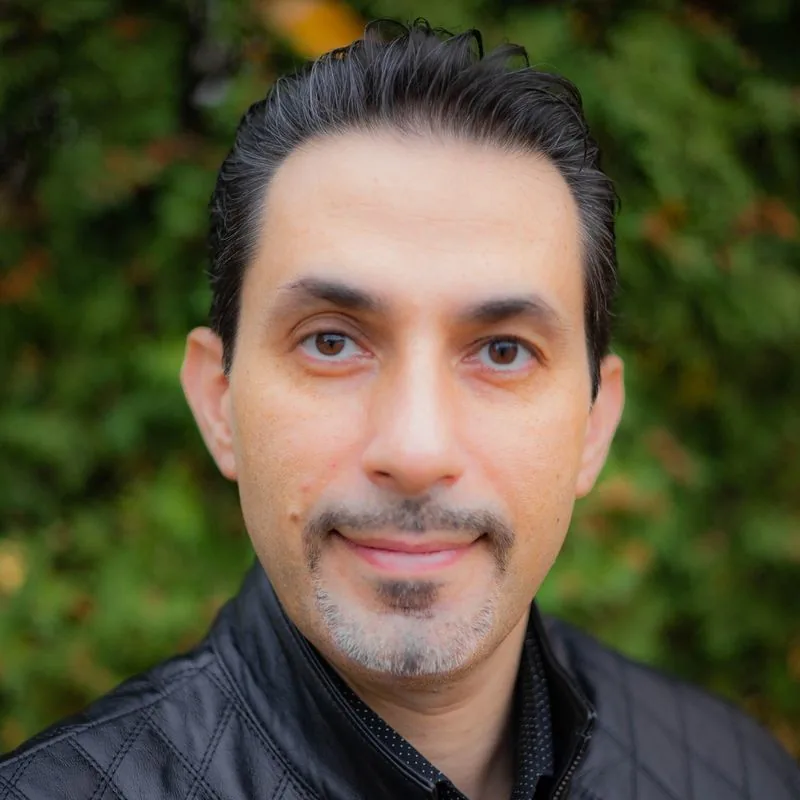
Reviewed by Amir Ahmadi, PhD, MSc PT, Registered Physiotherapist, Certified IMS Therapist, College of Physical Therapists of British Columbia (CPTBC). Lead clinician for TECAR therapy at Medstar Sport Physio & Health.
This page is for general information only and does not constitute medical advice, diagnosis, or treatment. TECAR therapy is one tool within a broader physiotherapy plan; suitability is determined case-by-case during assessment. If you have a pacemaker, active infection, or are pregnant, disclose this before treatment. Physiotherapy at Medstar Sport Physio & Health is provided by physiotherapists registered with the College of Physical Therapists of British Columbia (CPTBC).