
Key takeaways.
Recovery timelines after a crash have no fixed length. They depend on the injury, the person, and how early rehab starts. ICBC's 12-week window sets how long treatment is pre-approved.
- There is no fixed timeline for recovering from a crash. It depends on the injury, the person, and how early rehab starts.
- Recovery tends to move through broad phases: settling the early symptoms, rebuilding, and returning to full function.
- Early, graded movement usually helps. Long periods of complete rest tend to slow things down.
- ICBC, the public auto insurer in British Columbia, pre-approves treatment for the first 12 weeks. That window is about coverage, not a deadline for being healed.
Why there is no single timeline.
Two people can be in the same crash and recover at very different rates. That is normal. Recovery time depends on several things that vary from one person to the next, so a number that fits one injury rarely fits another.
The main factors we weigh up are:
- The tissue that was injured. Muscle, ligament, joint, and nerve all behave differently and settle on their own pace.
- How severe the injury is. A mild strain is not the same as a significant tear.
- Your age and general health. Both affect how the body heals and how quickly you can load tissue again.
- How early rehab starts. Waiting weeks before any assessment tends to make the road longer.
- Prior injuries to the same area. An old neck or back problem can shape how a new one behaves.
This is educational information, not a diagnosis. The only way to get a realistic picture for your own injury is an assessment with a clinician who can examine you.
The broad phases recovery tends to move through.
Recovery is rarely a straight line, but it does tend to pass through broad stages. These are not tied to fixed weeks. They overlap, and people move through them at their own speed.
The first is an early settling phase. The injured area is often irritable and reactive. The aim here is to calm symptoms, protect what needs protecting, and keep gentle, tolerable movement going so the area does not stiffen up.
The second is a rebuilding phase. As the area settles, the focus shifts to restoring movement and adding load in a controlled way. This is where strength and tolerance start to come back.
The third is a return-to-function phase. The work targets the specific demands you want to get back to, whether that is your job, lifting your kids, sleeping through the night, or a North Shore trail. Progress in this phase is measured by what you can do, not by a date on a calendar.
What tends to speed recovery, and what tends to slow it.
In our clinic we often see the same patterns. Early, graded movement, where you add a little more as the tissue allows, tends to help recovery along. Long stretches of complete rest tend to do the opposite, leaving the area stiff and deconditioned.
A few everyday things matter more than people expect. Poor sleep makes pain harder to manage and slows healing. High stress can keep the nervous system on edge and amplify symptoms. Managing load sensibly, neither doing too much on a good day nor shutting down on a bad one, tends to produce steadier progress than swinging between the two.
These are observations from clinical practice, not promises. Everyone responds differently, which is exactly why the plan is adjusted to how your symptoms behave rather than run to a script.
How this maps to the ICBC 12-week window.
ICBC, the public auto insurer in British Columbia, pre-approves a set amount of treatment in the first 12 weeks after a reported crash. It is easy to read that as a countdown to being healed. It is not. The 12 weeks is a coverage window, the period in which approved treatment is automatic. It is not a target by which your injury is meant to be gone. You can see what is included in our guide to what ICBC actually covers in the first 12 weeks.
Plenty of recoveries do not fit neatly inside that window, and they are not supposed to. If you still need care after 12 weeks, there is a clear pathway to continue. Our guide to what happens after the first 12 weeks explains how extensions work, so a longer recovery does not mean coverage falls away.
When slow progress needs a rethink.
Some weeks feel flat, and a plateau on its own is not a reason to worry. But progress that has genuinely stalled usually has a reason behind it, and that reason is worth finding rather than waiting out.
It might be a driver of symptoms that has been missed, a program that needs more load or less, or something outside the clinic, like sleep or stress, holding things back. If you feel stuck, our guide to why recovery stalls and what to do about it walks through the common causes and the questions worth raising with your clinician.
Common questions.
How long does it take to recover from a car accident?
There is no single answer. Recovery depends on the tissue injured, how severe it is, your age and general health, and how early rehab starts. After an assessment, your physiotherapist can give you a realistic picture for your own injury rather than a number that fits everyone.
Why is my recovery taking so long?+
Slow progress usually has a reason, such as a missed driver of symptoms, too little or too much load, poor sleep, or high stress. If you feel stuck, our guide to why recovery stalls walks through the common causes and what to do next, and raising it with your clinician is the right first step.
Does everyone recover within 12 weeks?+
No. The 12 weeks is ICBC's pre-approval window for treatment, not a recovery deadline. Some people feel close to normal well inside it. Others need longer, and a clear pathway exists to extend coverage when they do, so a longer recovery does not mean your treatment simply stops.
Does ICBC cover me if recovery takes longer than 12 weeks?+
Yes. If you still need care after 12 weeks, your clinician can request continued treatment through ICBC's extension pathway. Coverage does not simply stop because the pre-approval window has ended, and the request is based on documented ongoing impairment and a clear treatment plan going forward.
What factors affect how long crash recovery takes?+
Recovery time after a crash depends on the tissue injured (muscle, ligament, joint, or nerve each settle at a different pace), how severe the injury is, your age and general health, how early rehab starts, and whether there is a prior injury to the same area. These factors vary from person to person, which is why a number that fits one injury rarely fits another.
What are the general phases of recovery after a crash?+
Recovery after a crash tends to move through three broad, overlapping phases. The first is early settling, calming symptoms and keeping gentle movement going. The second is rebuilding, restoring movement and adding load in a controlled way. The third is return to function, targeting the specific demands you want back, measured by what you can do rather than a date.
Does complete rest speed up recovery after a crash?+
No. Long stretches of complete rest tend to slow crash recovery down, leaving the area stiff and deconditioned. Early, graded movement, adding a little more as the tissue allows, tends to help recovery along instead. Poor sleep and high stress can also slow progress, so managing load sensibly tends to produce steadier results.
What should I do if my recovery seems to have stalled?+
A plateau on its own is not a reason to worry, but progress that has genuinely stalled after a crash usually has a reason worth finding. Common causes include a missed driver of symptoms, a program with too much or too little load, or outside factors like sleep or stress. Raise it with your clinician rather than waiting it out.
Related reading
Got a claim number?
Send it over. We'll confirm coverage with ICBC and book you in this week.
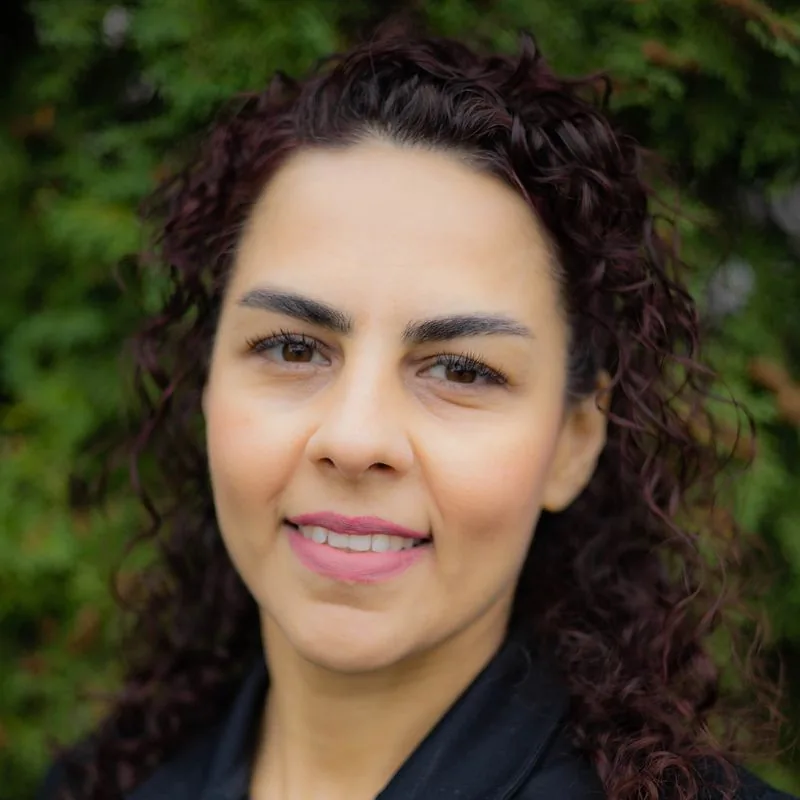
Reviewed by Sanaz Davarian, PT, MSc, Owner & Director, Registered Physiotherapist, College of Physical Therapists of British Columbia (CPTBC). ICBC-authorized direct billing provider.
This page is for general information only and does not constitute medical or legal advice. ICBC coverage details, treatment allotments, and claim rules change, so confirm the current terms with ICBC or a legal adviser before relying on them. Treatment suitability is determined case-by-case during clinical assessment. Physiotherapy at Medstar Sport Physio & Health is provided by physiotherapists registered with the College of Physical Therapists of British Columbia (CPTBC).